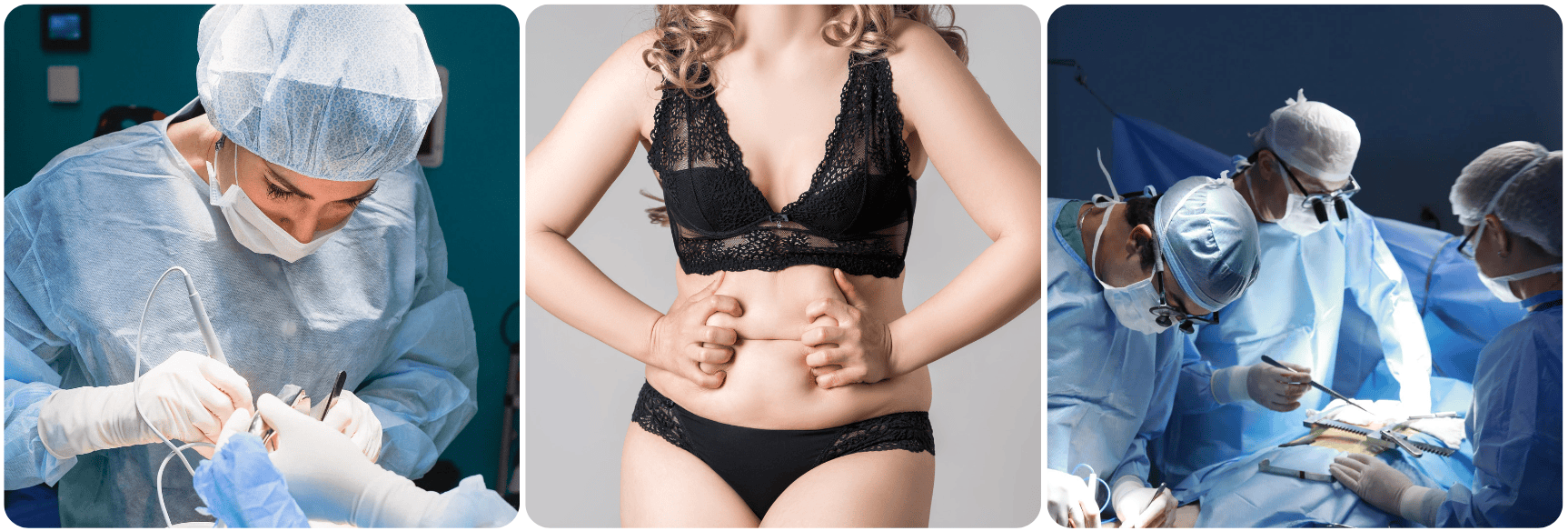
A tummy tuck, also known as abdominoplasty, is a surgical procedure designed to improve the shape and firmness of the abdomen. This operation is often chosen by individuals dealing with loose abdominal muscles or excess skin, which can result from significant weight loss, pregnancy, or aging. During a tummy tuck, excess skin and fat from the middle and lower abdomen are removed. Additionally, the underlying abdominal muscles may be tightened to enhance the contours of the stomach, creating a flatter and more toned appearance. The primary goal of the procedure is to achieve both aesthetic and functional improvements to the abdominal wall.
The extent of the surgery can vary based on the patient's specific needs. A full tummy tuck involves a horizontal incision made just above the pubic area, and sometimes a second incision is made around the navel to reposition it. In a mini tummy tuck, which is a less extensive version, the procedure is focused on the area below the navel, and often there is no need to move the belly button. Recovery time after a tummy tuck can range from a few weeks to several months, depending on the individual. Patients are usually advised to wear a compression garment during the recovery period to support the healing process and help maintain the new abdominal contours.
A tummy tuck, also known as abdominoplasty, is a surgical procedure designed to improve the shape and firmness of the abdomen.
While a tummy tuck can provide significant cosmetic benefits, it is important to understand that it is not a substitute for weight loss or a healthy lifestyle. However, the procedure can be a solution for individuals who struggle with excess skin or loose abdominal muscles despite exercise and diet efforts. It is essential for patients to have an open discussion with their surgeon beforehand to set realistic expectations and understand the achievable results.
A tummy tuck, or abdominoplasty, is primarily performed to remove excess skin and fat from the abdominal area and tighten the muscles, resulting in a flatter and firmer stomach. People often choose this surgery after significant weight loss, pregnancy, or aging, all of which can stretch the skin and muscles in the abdomen, leading to a sagging appearance that is resistant to diet and exercise. For those who are dissatisfied with the look of their midsection, a tummy tuck offers a way to address loose skin, improve muscle tone, and create a more aesthetically pleasing contour.
This procedure is not just about cosmetic improvement; many individuals opt for a tummy tuck to regain physical comfort and self-confidence. For instance, after childbirth, some women experience diastasis recti, where the abdominal muscles separate and do not naturally return to their original position.
A tummy tuck can repair these muscles, improving core strength and reducing back pain. Additionally, excess skin can cause irritation, infections, or difficulties in fitting into clothes, so removing it can relieve physical discomfort. Ultimately, this surgery helps individuals feel more comfortable in their bodies, enhancing both their physical appearance and emotional well-being.
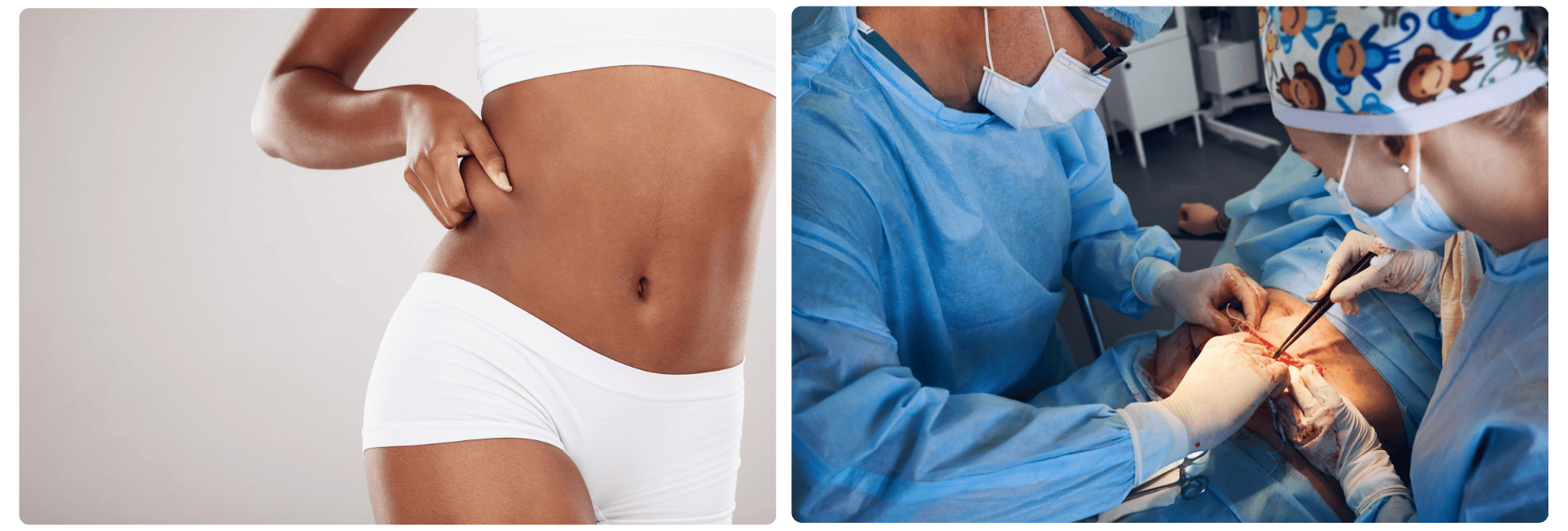
A tummy tuck procedure typically begins with the surgeon making a horizontal incision between the hip bones, just above the pubic area, so that the resulting scar can be easily concealed by underwear or swimwear. The length of the incision depends on the amount of skin that needs to be removed. In a full tummy tuck, an additional incision may be made around the navel to reposition it after the excess skin is removed. Once the incisions are made, the surgeon carefully lifts the skin to access the abdominal muscles, which are then sutured together if they have become stretched or separated. This tightening of the muscles creates a firmer abdominal wall. After the muscles are repaired, the skin is pulled downward, the excess is trimmed away, and the remaining skin is sutured into place.
A tummy tuck procedure typically begins with the surgeon making a horizontal incision between the hip bones, just above the pubic area, so that the resulting scar can be easily concealed by underwear or swimwear.
The belly button is either repositioned or reshaped to maintain a natural appearance. In some cases, liposuction may also be used to further contour the area and remove stubborn fat deposits. The entire procedure can take several hours, depending on the extent of work required. Recovery involves wearing compression garments to reduce swelling, and most patients need to limit physical activity for several weeks to allow the body to heal properly.
When considering a tummy tuck, it is important to know that there are several variations of the surgery depending on the patient’s needs. Besides the full tummy tuck and mini tummy tuck, there are also extended tummy tucks, which address not only the abdomen but also the flanks and lower back. This option is often chosen by patients who have experienced significant weight loss. Each approach is designed to target specific concerns, and your surgeon will recommend the best option based on your body type and aesthetic goals.
A tummy tuck can sometimes be performed alongside liposuction for enhanced contouring. While a tummy tuck primarily focuses on removing excess skin and tightening the abdominal wall, liposuction helps remove localized fat deposits in areas such as the waist or hips. By combining both techniques, patients can achieve more balanced and refined results, particularly in creating a natural hourglass figure. Surgeons often suggest this combination for individuals seeking a more comprehensive body transformation.
Not everyone is an ideal candidate for a tummy tuck. The best candidates are individuals who are in good overall health, maintain a stable weight, and do not plan on future pregnancies. People who suffer from loose skin, weakened abdominal muscles, or excess fat that does not respond to diet and exercise may benefit greatly. It is also crucial that patients do not smoke, as smoking can interfere with healing. Consulting with a board-certified surgeon ensures proper evaluation of whether this procedure is the right choice.
Before undergoing a tummy tuck, preparation plays a key role in ensuring safe and smooth results. Surgeons may advise patients to:
💚 Stop smoking at least six weeks prior to surgery
💚 Avoid certain medications that increase bleeding risks
💚 Arrange help at home for the first recovery days
💚 Maintain a stable, healthy weight before the procedure
💚 Stay hydrated and eat a nutrient-rich diet
Following these recommendations helps the body prepare for surgery and supports faster healing afterward.
One of the most common concerns about a tummy tuck is scarring. While scars are an inevitable part of any surgical procedure, surgeons strategically place incisions so they can be easily hidden beneath underwear or swimwear. Over time, scars typically fade and become less noticeable. Proper aftercare, including avoiding sun exposure and using recommended scar creams, can further improve healing. Many patients find that the improved contour of their abdomen far outweighs any concerns about scarring.
A tummy tuck offers numerous benefits that go beyond aesthetic improvement. One of the most significant advantages is the ability to restore a flatter, firmer abdominal profile, which many people find difficult to achieve even with strict diet and exercise. This enhanced contour can dramatically improve one’s self-confidence, especially when wearing fitted clothing or swimwear.
A tummy tuck offers numerous benefits that go beyond aesthetic improvement.
For women who have undergone pregnancy or individuals who have lost a substantial amount of weight, the removal of excess, sagging skin and tightening of the abdominal muscles provides not only a more youthful appearance but also a renewed sense of control over their bodies.
Additionally, for those suffering from issues like diastasis recti, the surgery repairs the separated muscles, improving core stability, posture, and reducing lower back pain. A tighter core also makes it easier to engage in physical activities, which can lead to a healthier, more active lifestyle. Another often overlooked benefit is the practical relief from skin irritation or infections caused by excess skin folds. By eliminating these folds, patients experience greater comfort and improved hygiene, particularly in areas prone to chafing.
Furthermore, the surgery may improve bladder function, especially in women who have experienced stress urinary incontinence due to weakened abdominal muscles. All these factors combined make a tummy tuck a life-changing procedure for many, not only enhancing physical appearance but also improving health and quality of life.
Recovery after a tummy tuck is a gradual process, and patients should be prepared for some discomfort as their body heals. Right after the procedure, it is common to experience swelling, bruising, and a feeling of tightness in the abdominal area. These symptoms typically subside over time. To aid in the healing process, surgeons usually recommend wearing a compression garment for several weeks, which helps reduce swelling and supports the newly contoured abdomen.
Recovery after a tummy tuck is a gradual process, and patients should be prepared for some discomfort as their body heals.
Pain is often manageable with prescribed medication, and most patients are encouraged to walk short distances within the first few days to promote circulation and prevent blood clots. It’s important to avoid strenuous physical activity for at least six weeks to allow the muscles and tissues to fully heal.
While the majority of patients return to work within two to three weeks, more intense physical activities such as exercise should be avoided for a longer period. Adhering to post-surgery guidelines and attending follow-up appointments is crucial for ensuring a smooth recovery and achieving the best possible results.
As with any surgical procedure, a tummy tuck carries some inherent risks. Although complications are rare, it is important for patients to be aware of potential issues. Some of the risks include infection, blood clots, poor wound healing, or an unfavorable scarring outcome. There may also be risks related to anesthesia, including allergic reactions or breathing difficulties. In rare cases, individuals may experience fluid accumulation under the skin, which may require drainage.
As with any surgical procedure, a tummy tuck carries some inherent risks.
To minimize these risks, it is essential for patients to choose a skilled and experienced surgeon, follow all pre-and post-operative care instructions, and disclose any pre-existing health conditions that could affect the healing process. Generally, tummy tuck surgery is considered safe, and most patients experience positive outcomes. However, discussing the potential risks and having a clear understanding of the procedure with the surgeon beforehand can help individuals make an informed decision.
The cost of a tummy tuck can vary widely depending on factors such as the surgeon's expertise, the complexity of the procedure, and the geographic location of the clinic. On average, the price for a tummy tuck can range from $5,000 to $15,000, with additional costs for anesthesia, hospital stays, or post-surgery garments. It is important for patients to consider the full financial picture when planning for a tummy tuck. Some patients may also choose to undergo liposuction or other procedures in conjunction with the tummy tuck, which can increase the overall cost.
The cost of a tummy tuck can vary widely depending on factors such as the surgeon's expertise, the complexity of the procedure, and the geographic location of the clinic.
While insurance typically does not cover cosmetic procedures, it may cover portions of the surgery if the tummy tuck is deemed medically necessary, such as in cases where excess skin causes chronic rashes or infections. Before booking the surgery, it is advisable to consult with a surgeon about the total cost and inquire about financing options or payment plans to help manage expenses.
Women considering a tummy tuck should be aware that future pregnancies may affect the results of the surgery. Pregnancy can stretch the abdominal muscles and skin again, potentially reversing the improvements made. For this reason, most surgeons recommend postponing the procedure until after a woman has completed her family. However, for mothers who do not plan on additional pregnancies, a tummy tuck can be an excellent way to restore the body after childbirth.
A mini tummy tuck is best suited for patients with loose skin or excess fat limited to the lower abdomen, below the belly button. It usually requires a shorter incision and involves less recovery time. A full tummy tuck, on the other hand, addresses both the upper and lower abdomen, including muscle tightening and repositioning of the navel. While recovery may be longer for a full tummy tuck, it provides more dramatic and comprehensive results for those with larger concerns.
The results of a tummy tuck can be long-lasting when patients maintain a healthy lifestyle. Most individuals enjoy a flatter, firmer stomach for many years, especially when they follow balanced nutrition and regular exercise routines. Weight fluctuations can alter the results, so stability is important. Patients often report that the surgery motivates them to take better care of their bodies, ensuring that the improvements remain visible for decades.
After a tummy tuck, adopting healthy habits is key to preserving results. Some important adjustments include:
💚 Incorporating regular low-impact exercise during recovery and later progressing to more intense workouts
💚 Eating a diet rich in protein, vitamins, and minerals to support tissue healing
💚 Staying hydrated to help reduce swelling and improve skin elasticity
💚 Avoiding significant weight fluctuations that could stretch the abdominal area again
💚 Following surgeon recommendations for scar care and follow-up visits
Wearing a compression garment after a tummy tuck is not just for comfort. These garments provide crucial support to the abdominal muscles and skin, help control swelling, and improve circulation. By applying gentle pressure, they also assist in shaping the final contour of the abdomen. Most patients are advised to wear them for several weeks, and following this guidance can significantly impact the quality of the final outcome.
A tummy tuck should not be confused with a weight loss procedure. Unlike bariatric surgery, it does not significantly reduce body weight. Instead, it focuses on removing excess skin and tightening muscles to create a more defined contour. Patients who are already close to their ideal body weight are the best candidates, as the procedure enhances their existing shape rather than functioning as a weight reduction method.
Selecting the right professional for a tummy tuck is one of the most important decisions. Key aspects to consider include:
💚 Board certification and years of surgical experience
💚 Before-and-after photos of previous tummy tuck patients
💚 Transparent discussion about risks, benefits, and realistic outcomes
💚 Positive patient testimonials and clinic reputation
💚 Comfort level and trust during the consultation process
Choosing a skilled and trustworthy surgeon ensures a safer experience and more satisfying results.
Although commonly associated with women, tummy tuck surgery is also increasingly popular among men. Men who have lost significant weight or struggle with stubborn fat and loose skin in the abdominal region can achieve excellent results. The male tummy tuck typically focuses on creating a firm, toned, and natural masculine contour without overly narrowing the waist. More men are recognizing the benefits of this surgery for both aesthetics and physical comfort.
For patients seeking a full body transformation, a tummy tuck can be combined with other cosmetic surgeries such as breast lifts, thigh lifts, or arm lifts. This is especially common after massive weight loss, where multiple areas of the body require skin removal and contouring. Combining procedures can reduce overall recovery time and help patients achieve a harmonious body balance in fewer surgical sessions.
During the recovery period after a tummy tuck, certain activities must be avoided to prevent complications and ensure optimal healing. Patients are generally advised to:
💚 Avoid heavy lifting for at least six weeks
💚 Refrain from strenuous exercises until cleared by the surgeon
💚 Not sleep on their stomach during the initial recovery phase
💚 Avoid smoking and alcohol, as these slow down healing
💚 Prevent direct sun exposure on healing scars
By carefully following these restrictions, patients maximize their chances of achieving smooth and lasting results.
During your consultation, you will discuss your wishes, medical history, and expectations with the doctor. The doctor will examine you, take measurements if necessary, and explain which treatment suits you best, including risks and recovery. You will have the opportunity to ask questions and then receive a clear treatment proposal.
Make sure you have all relevant medical information ready, such as previous treatments, allergies, or medical conditions. This allows the doctor to give you better advice.
Payment is made securely via SurgeryBooking. You pay the amount in advance to SurgeryBooking. We hold the funds and transfer them to the clinic after your treatment. Cancellation or change conditions vary per clinic and are clearly communicated in advance.
During the consultation (online or at the clinic), the doctor will assess this based on your health, expectations, and physical characteristics. You will discuss what you want, what is possible, and what the limitations are. Sometimes there are alternatives if the chosen treatment is not ideal.
Through SurgeryBooking.com, you can quickly and easily book a consultation or procedure with doctors and clinics worldwide. SurgeryBooking.com provides an overview of doctors and clinics, allowing you to make an informed and transparent choice when booking a consultation or procedure.
You can easily book through the profile of the desired clinic or doctor. Select the desired treatment, enter your details, and choose an available date and time. If there are any costs involved, you will complete the payment first. Afterwards, you will receive a confirmation email with all the details.
Yes, during the booking process, you can indicate whether you prefer an online consultation or an in-person consultation at the clinic.
With SurgeryBooking.com, you gain access to a global network of doctors and clinics. Through SurgeryBooking.com, you can easily book a consultation or a cosmetic procedure directly. Clinic profiles provide information about available cosmetic procedures, reviews, photos of the clinic, and other relevant details. This enables you to compare costs and make an informed decision when booking a consultation or procedure.