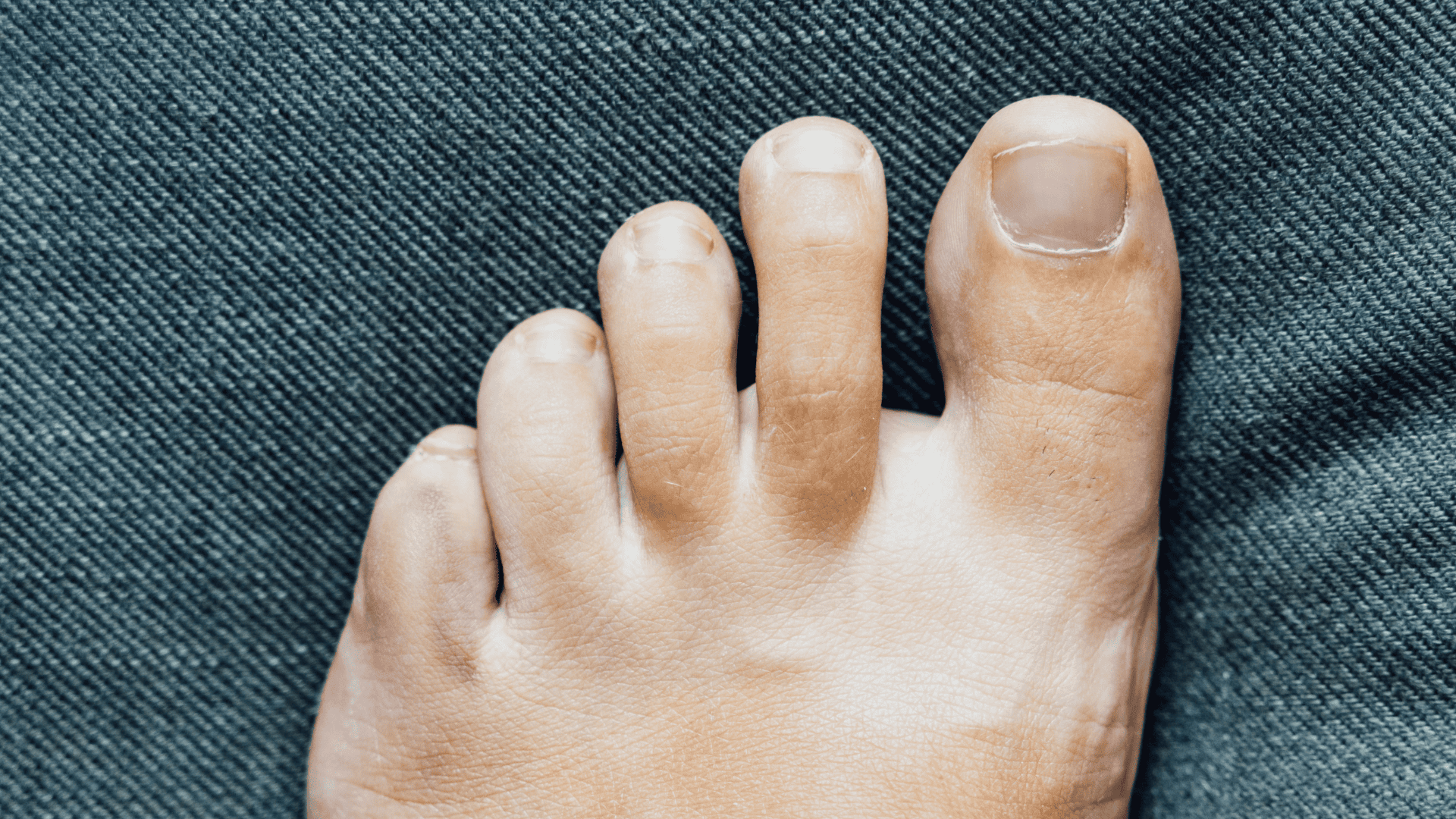
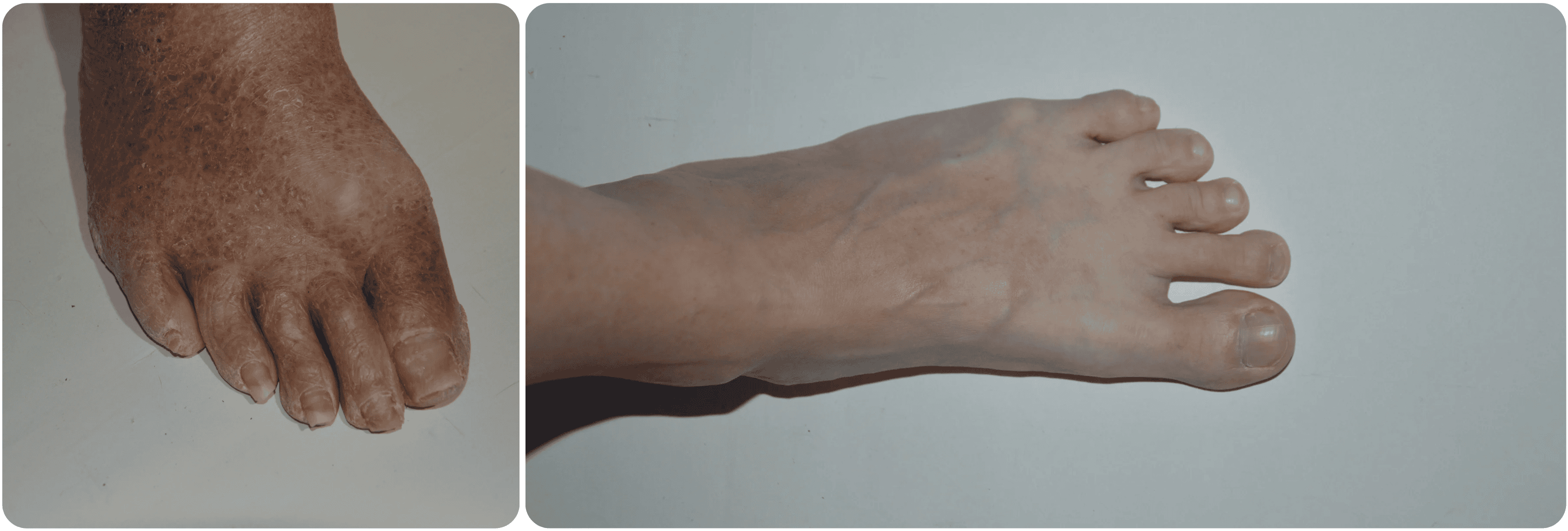
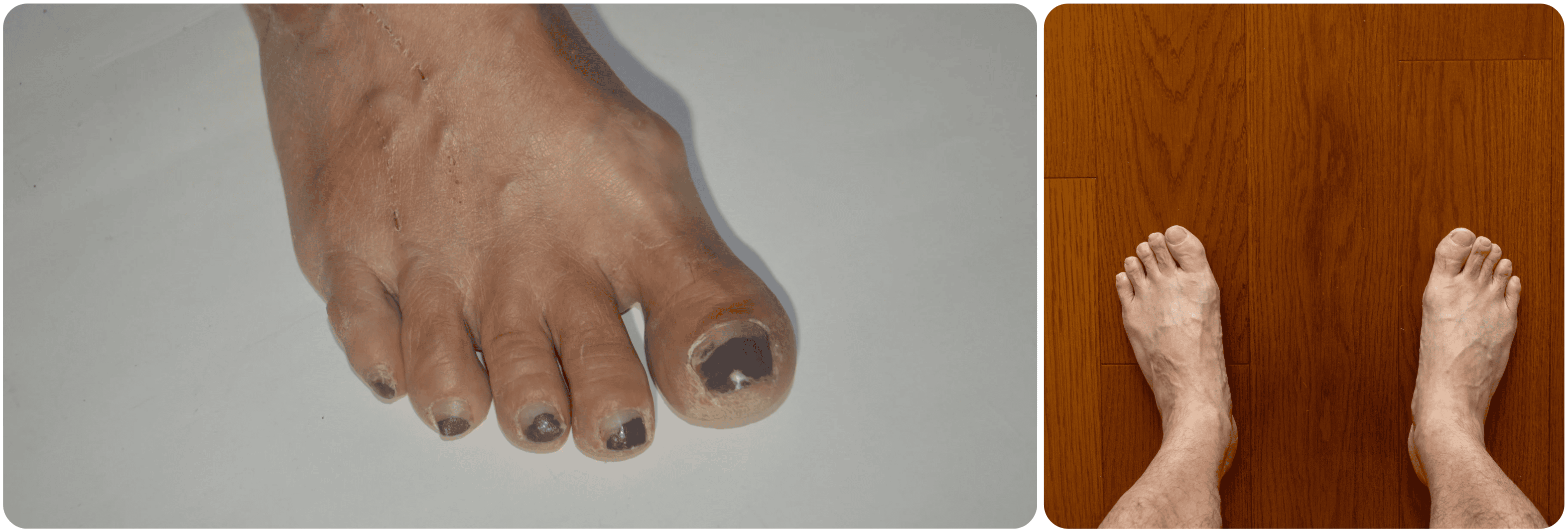
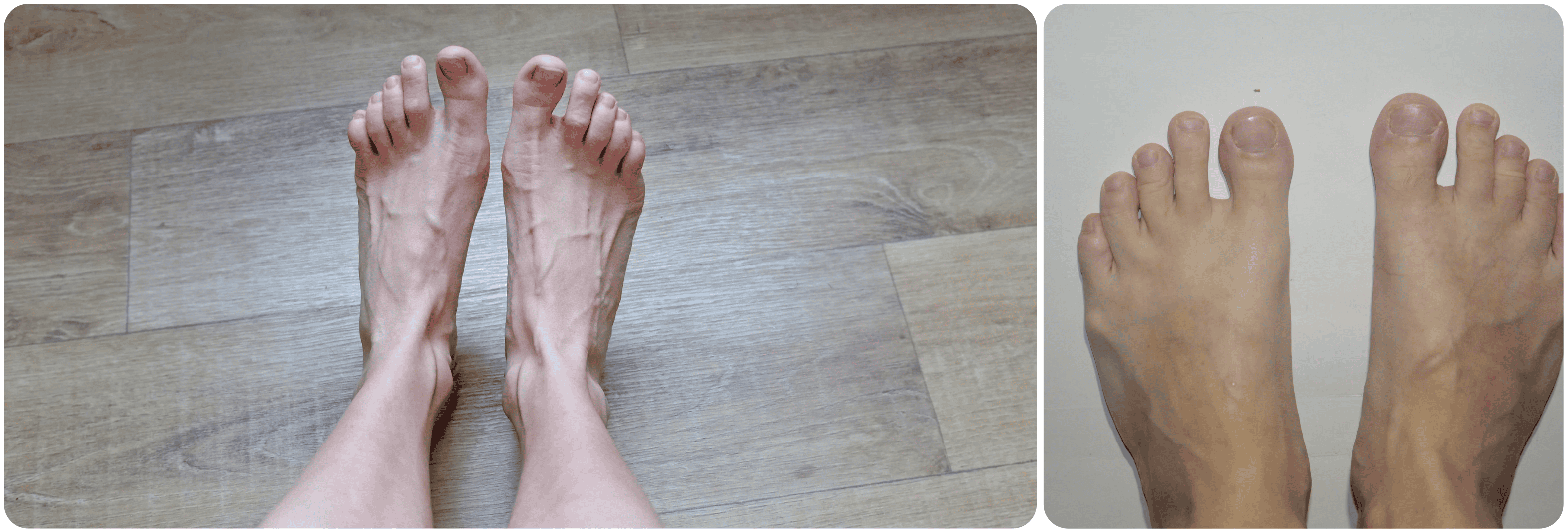
Toe lengthening is a cosmetic surgical procedure that aims to increase the length of the toes, often sought by individuals dissatisfied with the size or appearance of their feet. For many people, the aesthetics of their feet play a significant role in their overall self-confidence, especially in situations where they may wear sandals or open-toed shoes.
The procedure is typically performed by specialized surgeons in a clinical setting and can involve various techniques. One of the most common methods is the use of implants, which are placed beneath the skin of the toes to achieve the desired length. These implants can be made from silicone or other biocompatible materials, depending on the specific situation and patient preferences.
Toe lengthening is a cosmetic surgical procedure that aims to increase the length of the toes, often sought by individuals dissatisfied with the size or appearance of their feet.
In addition to implants, toe lengthening may also involve bone grafting techniques. In this case, a small segment of bone may be harvested from another part of the body, such as the hip or forearm, and used to extend the toe. This approach can be more complex, as it requires careful attention to both the toe and the site from which the bone is taken, ensuring proper healing in both areas.
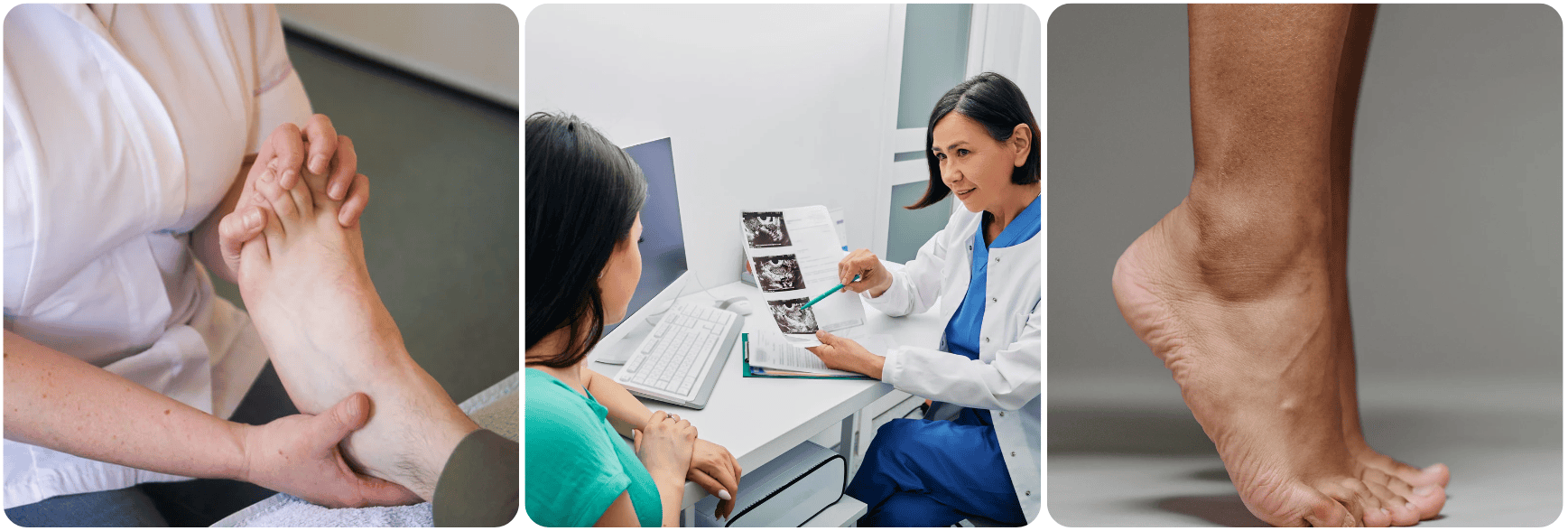
Before undergoing a toe lengthening procedure, it is crucial for patients to have a thorough consultation with a qualified surgeon. During this consultation, the surgeon discusses the patient's goals and the feasibility of the procedure. They will also address potential risks and complications, such as infections, nerve damage, and healing issues. It is essential for patients to be well-informed about what to expect both during the surgery and in the subsequent recovery period.
Recovery after a toe lengthening procedure can vary based on the technique used and the individual’s healing process. Generally, a period of immobilization is required, during which patients should avoid putting weight on their feet. During this time, discomfort and pain may be experienced, and it can take several weeks before full mobility is regained. Physical therapy may also be recommended to expedite recovery and ensure proper toe function.
Beyond the physical aspects, psychological factors can play a significant role in the decision to undergo toe lengthening. Many individuals report feeling more confident and satisfied with their appearance following the procedure. However, it is essential to maintain realistic expectations, as results can vary from person to person.
In summary, toe lengthening is a procedure that can offer both aesthetic and functional benefits, but it is crucial to be well-informed and prepared before proceeding. Choosing an experienced and reputable surgeon is vital for the success of the procedure and minimizing potential risks.
Toe lengthening surgery is often considered by individuals who feel their toes are too short in proportion to the rest of their foot, leading to both aesthetic concerns and functional discomfort. A common reason for undergoing this procedure is to achieve a more balanced and harmonious appearance of the feet, especially for those who feel self-conscious about their short toes.
Short toes can make it difficult to find properly fitting shoes, particularly those with a narrow or tight toe box, causing discomfort or forcing individuals to wear shoes that don't reflect their personal style. Toe lengthening surgery can also benefit individuals who suffer from conditions like congenital toe deformities or traumatic injuries that have shortened the toes. The procedure involves gradually lengthening the bones in the toe to restore a more proportional and aesthetically pleasing appearance.
Toe lengthening surgery is often considered by individuals who feel their toes are too short in proportion to the rest of their foot, leading to both aesthetic concerns and functional discomfort.
For many, this type of surgery can improve not just their foot’s look but also their overall confidence, making them feel more comfortable when wearing open-toed shoes, sandals, or other footwear. Ultimately, toe lengthening provides an option for those seeking both cosmetic improvement and enhanced comfort.
The ideal candidate for Toe lengthening is someone in good overall health who is looking to improve the appearance or function of their toes. Individuals with congenitally short toes, post-traumatic shortening, or noticeable asymmetry often consider this procedure. Candidates should also have no underlying medical conditions that could affect bone healing, such as uncontrolled diabetes, severe osteoporosis, or vascular disorders.
Psychological readiness is just as important as physical health. Patients need realistic expectations and an understanding of the gradual nature of toe lengthening. Commitment to follow post-operative care, including limited weight-bearing and proper hygiene, is crucial. Consulting with a specialist helps ensure that Toe lengthening is appropriate based on foot structure, bone density, and personal goals, maximizing the chances of a successful and satisfying result.
Outcomes from Toe lengthening vary depending on the individual’s anatomy, age, and the surgical technique used. Typically, patients can expect an increase in toe length ranging from a few millimeters to over a centimeter, which significantly improves foot proportions. Full results may take several weeks to months to become evident, as bone and soft tissue gradually adjust to the new structure.
Beyond cosmetic improvement, Toe lengthening can also enhance toe alignment and symmetry. This may reduce discomfort when wearing shoes and improve overall foot function. Patients should anticipate temporary swelling, stiffness, or mild discomfort during recovery. By following post-operative care instructions carefully, most individuals achieve a more aesthetically pleasing, functional, and balanced foot.
Proper preparation is essential for a safe and effective Toe lengthening procedure. Before surgery, patients should undergo a comprehensive medical assessment, including X-rays or 3D imaging, to determine toe structure and plan the precise lengthening required. Optimizing general health—such as managing chronic conditions and maintaining a healthy diet—can enhance bone healing.
👉 Stop smoking and limit alcohol consumption to promote better recovery
👉 Arrange for transportation on surgery day and assistance at home
👉 Wear loose, comfortable clothing that allows easy access to the foot
👉 Ensure proper footwear is ready for post-operative use
Understanding the gradual lengthening process, the potential discomfort, and the commitment required during recovery helps patients set realistic expectations and reduces post-surgical stress.
Toe lengthening surgery typically involves a technique known as distraction osteogenesis, where the surgeon carefully lengthens the bones in the toes over a period of time. The procedure usually begins with making a small incision in the toe, through which a surgical device is inserted to gradually stretch the bones. This device, often a specialized external frame or internal fixator, applies gentle pressure to the bones, encouraging new bone growth and lengthening the toe slowly over several weeks.
The process allows the body to naturally generate bone tissue in the gap created by the lengthening, ensuring that the new bone is strong and integrated into the foot's natural structure. While the lengthening process is gradual, the patient will need to follow strict aftercare instructions, including wearing protective footwear and avoiding weight-bearing activities until healing is complete.
Toe lengthening surgery typically involves a technique known as distraction osteogenesis, where the surgeon carefully lengthens the bones in the toes over a period of time.
The recovery time can vary depending on the extent of the lengthening, but physical therapy may be recommended to help restore flexibility and function to the toe after the lengthening process is finished. With the right care, toe lengthening surgery can achieve a more balanced appearance and improve the foot's functionality.
Several misconceptions surround Toe lengthening, which can create unnecessary hesitation for potential patients.
👉 Myth: Toe lengthening is purely cosmetic
Fact: It can also improve toe alignment and foot function
👉 Myth: Recovery is extremely painful
Fact: Discomfort is manageable with pain management and proper care
👉 Myth: Results are temporary
Fact: Bone growth ensures permanent lengthening
👉 Myth: Only young patients can undergo the procedure
Fact: Adults of various ages with healthy bone structure can benefit
Understanding the facts versus myths helps patients make informed decisions and set realistic expectations.
Modern Toe lengthening procedures use advanced techniques like internal fixation devices, minimally invasive surgery, and computer-assisted planning. These innovations allow for more precise lengthening with reduced scarring and faster recovery times.
Internal fixators can be placed beneath the skin, eliminating the need for bulky external frames, while 3D imaging helps surgeons plan exact bone cuts and angles. Patients may experience less discomfort and shorter recovery periods due to these technological advancements, making Toe lengthening safer and more predictable than ever before.
The psychological effects of Toe lengthening can be significant. Many patients report increased confidence and reduced self-consciousness regarding their feet. Improved toe proportions can make wearing open-toed shoes or sandals more comfortable and enjoyable.
However, it’s important to recognize that satisfaction depends on realistic expectations and emotional readiness. Understanding the limitations and potential outcomes before surgery can help patients achieve both aesthetic and psychological benefits. Positive results often translate into greater comfort in social situations and improved overall self-esteem.
Many individuals considering Toe lengthening have common concerns about safety, pain, and results. Questions often include:
👉 How long does the procedure take?
👉 Will there be visible scarring?
👉 Is the process painful?
👉 How much time off work is required?
👉 Are the results permanent?
Understanding that Toe lengthening is a gradual process can help alleviate anxiety. While initial discomfort and swelling are expected, most patients find the outcomes rewarding in terms of both aesthetics and function. Discussing questions with a qualified surgeon before the procedure ensures clarity and realistic expectations.
The benefits of toe lengthening surgery are both aesthetic and functional, making it an appealing option for those looking to improve the appearance of their feet while addressing certain physical discomforts. One of the primary advantages of this procedure is the ability to achieve longer, more proportionate toes that enhance the overall look of the foot.
For many, this can boost self-esteem and confidence, especially when wearing open-toed shoes or sandals that expose the toes. Toe lengthening can also provide relief for individuals who suffer from the discomfort of cramped toes or difficulty wearing shoes due to the limited space in the toe box.
The benefits of toe lengthening surgery are both aesthetic and functional, making it an appealing option for those looking to improve the appearance of their feet while addressing certain physical discomforts.
By lengthening the toes, the feet may experience less pressure, reducing the likelihood of developing issues like corns or calluses. In addition to the cosmetic improvements, the procedure can help improve foot function by providing a more balanced and aligned structure. For those with congenital deformities or toe shortening due to injury, toe lengthening can restore a more natural foot shape, which enhances both walking comfort and overall foot health. Ultimately, the benefits of toe lengthening surgery go beyond just the visual aspect, offering a combination of improved appearance, comfort, and functionality.
Recovery from Toe lengthening is gradual and requires careful adherence to post-operative instructions. Initially, the toe may be immobilized with a splint or external fixator to support the bones while new tissue forms. Swelling, bruising, and mild discomfort are normal during the first week.
👉 Week 1–2: Keep the foot elevated, limit movement, and follow prescribed pain management
👉 Week 3–6: Gradual adjustments may be made to the external fixator, depending on the surgeon’s plan
👉 Week 6–12: Partial weight-bearing is usually allowed, along with gentle mobility exercises
👉 Week 12+: Full weight-bearing and daily activities resume as bone healing completes
Physical therapy may also be recommended to restore flexibility and strength. Patients should attend regular follow-ups to monitor bone growth and ensure proper alignment.
Like any surgical procedure, Toe lengthening carries potential risks and side effects. Common short-term effects include swelling, bruising, stiffness, and mild pain, which usually resolve over time. Less common complications may include infection, nerve irritation, delayed bone healing, or asymmetry.
👉 Temporary swelling and discomfort
👉 Mild redness or bruising around the surgical site
👉 Nerve sensitivity or tingling in the toe
👉 Risk of infection requiring medical attention
👉 Rare complications like improper bone healing or misalignment
Choosing an experienced surgeon and following post-operative care instructions can minimize these risks and promote a smooth recovery process.
Before undergoing Toe lengthening, patients should understand both the physical and aesthetic changes involved. Pre-surgery, toes may appear shorter or uneven, causing difficulties with footwear or self-consciousness. After the procedure, gradual lengthening improves symmetry, proportion, and overall foot aesthetics.
Patients should expect an initial phase of swelling and limited mobility, followed by incremental improvements as the bone heals. Long-term outcomes often include better shoe fit, enhanced comfort, and increased confidence. Realistic expectations are crucial, as subtle differences may remain and the final result can vary between individuals.
Proper aftercare is critical to ensure the success of Toe lengthening. Following post-operative instructions helps reduce complications and supports optimal bone healing.
👉 Keep the surgical site clean and dry
👉 Avoid weight-bearing until cleared by the surgeon
👉 Use protective footwear or splints as instructed
👉 Elevate the foot to reduce swelling
👉 Attend all follow-up appointments
👉 Perform gentle mobility exercises if recommended
A consistent aftercare routine can improve recovery speed, prevent infections, and enhance the overall aesthetic outcome of the procedure.
Results from Toe lengthening are generally long-lasting because the procedure involves actual bone growth and structural adjustment. Once the bones have fully healed and fused, the lengthening is permanent. However, maintaining foot health is important to avoid post-surgical complications.
Results from Toe lengthening are generally long-lasting because the procedure involves actual bone growth and structural adjustment.
Long-term outcomes may be affected by injuries, trauma, or conditions like arthritis. Patients should continue to wear supportive footwear, avoid excessive stress on the toes, and monitor for any changes over time. With proper care, most individuals enjoy the benefits of Toe lengthening for many years, both aesthetically and functionally.
During your consultation, you will discuss your wishes, medical history, and expectations with the doctor. The doctor will examine you, take measurements if necessary, and explain which treatment suits you best, including risks and recovery. You will have the opportunity to ask questions and then receive a clear treatment proposal.
Make sure you have all relevant medical information ready, such as previous treatments, allergies, or medical conditions. This allows the doctor to give you better advice.
Payment is made securely via SurgeryBooking. You pay the amount in advance to SurgeryBooking. We hold the funds and transfer them to the clinic after your treatment. Cancellation or change conditions vary per clinic and are clearly communicated in advance.
During the consultation (online or at the clinic), the doctor will assess this based on your health, expectations, and physical characteristics. You will discuss what you want, what is possible, and what the limitations are. Sometimes there are alternatives if the chosen treatment is not ideal.
Through SurgeryBooking.com, you can quickly and easily book a consultation or procedure with doctors and clinics worldwide. SurgeryBooking.com provides an overview of doctors and clinics, allowing you to make an informed and transparent choice when booking a consultation or procedure.
You can easily book through the profile of the desired clinic or doctor. Select the desired treatment, enter your details, and choose an available date and time. If there are any costs involved, you will complete the payment first. Afterwards, you will receive a confirmation email with all the details.
Yes, during the booking process, you can indicate whether you prefer an online consultation or an in-person consultation at the clinic.
With SurgeryBooking.com, you gain access to a global network of doctors and clinics. Through SurgeryBooking.com, you can easily book a consultation or a cosmetic procedure directly. Clinic profiles provide information about available cosmetic procedures, reviews, photos of the clinic, and other relevant details. This enables you to compare costs and make an informed decision when booking a consultation or procedure.