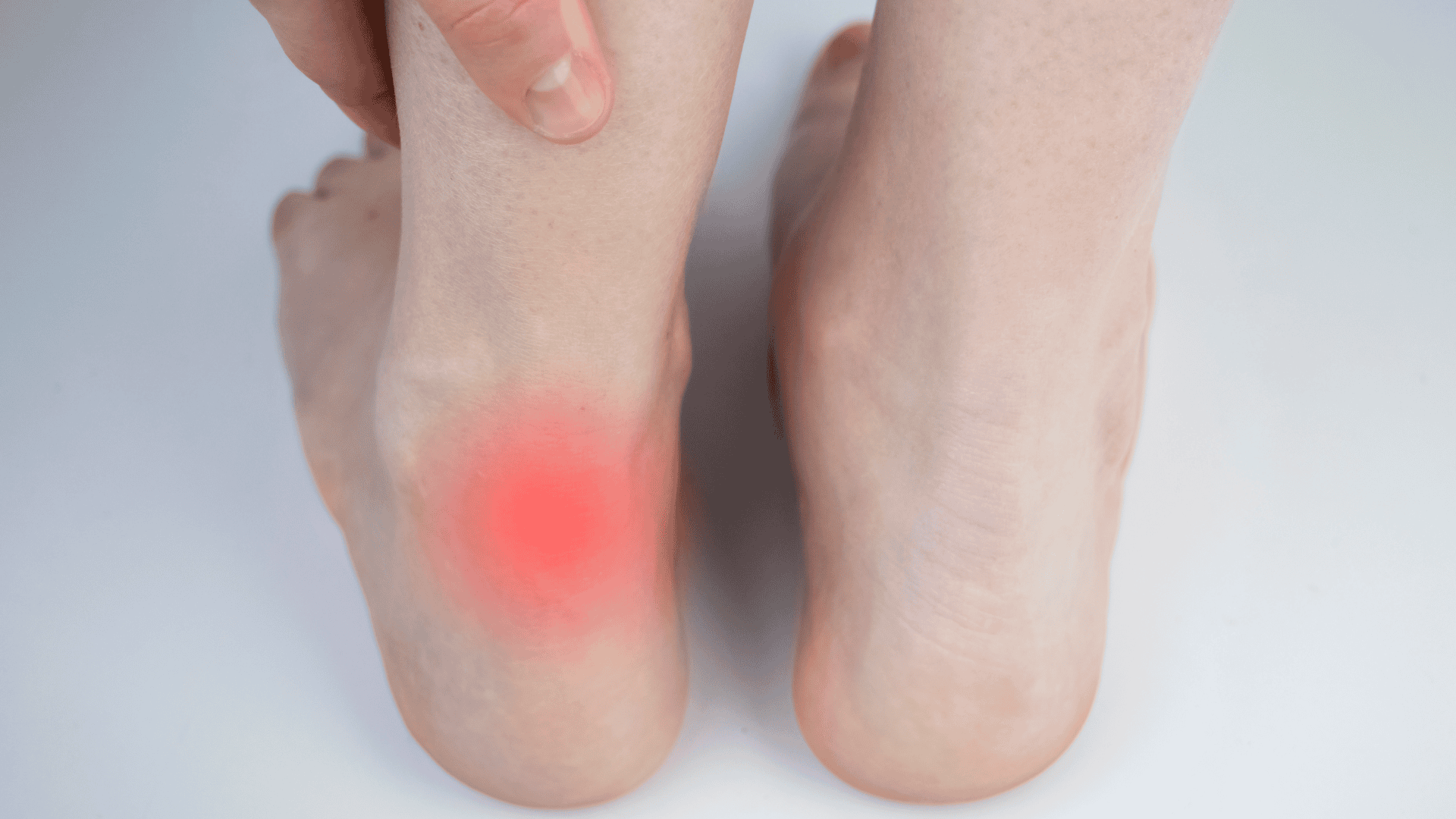
Tendinitis treatment focuses on alleviating the symptoms associated with tendinitis, which is characterized by inflammation of a tendon. This condition can lead to pain, swelling, and limited mobility in the affected area. Tendinitis can occur in various parts of the body, including the shoulders, elbows, knees, and ankles. Treatment strategies vary based on the severity and location of the condition, as well as the individual needs of the patient.
A common approach to treating tendinitis involves rest and avoiding activities that exacerbate the symptoms. Applying ice to the affected area can help reduce swelling and pain, while compression and elevation can also be beneficial. Physical therapy often plays a crucial role in the recovery process, involving exercises to improve flexibility, strength, and stability of the muscles surrounding the tendon.
Tendinitis treatment focuses on alleviating the symptoms associated with tendinitis, which is characterized by inflammation of a tendon.
In some cases, anti-inflammatory medications such as ibuprofen or naproxen may be prescribed to relieve pain and reduce inflammation. If symptoms persist despite conservative treatments, a doctor may consider injecting corticosteroids into the affected area to help reduce inflammation. In rare instances, surgery may be necessary to repair damaged tissue or to debride the tendon.
It is important to seek medical attention at the first signs of tendinitis to prevent complications and develop an effective treatment plan. A professional diagnosis and guidance are essential for promoting a swift recovery and minimizing the risk of recurrence.
Tendinitis in the feet is a painful condition that occurs when the tendons, which connect muscles to bones, become inflamed due to overuse, injury, or repetitive motion. Common types of tendinitis in the feet include Achilles tendinitis, posterior tibial tendinitis, and peroneal tendinitis, all of which can significantly impact mobility and quality of life.
Tendinitis in the feet is a painful condition that occurs when the tendons, which connect muscles to bones, become inflamed due to overuse, injury, or repetitive motion.
Tendinitis often results in sharp pain, swelling, stiffness, and limited range of motion, making simple activities like walking, running, or standing for long periods uncomfortable. While non-surgical treatments such as rest, ice, stretching, and anti-inflammatory medications may help alleviate symptoms, some individuals require more advanced treatment if the condition becomes chronic or does not respond to conservative measures.
Undergoing tendinitis treatment can help relieve pain, reduce inflammation, and prevent the condition from worsening. In some cases, medical intervention may involve physical therapy, corticosteroid injections, or even surgery, depending on the severity of the tendon damage. Tendinitis treatment can not only restore mobility and function to the affected foot but also prevent long-term damage to the tendons, ensuring a more active and pain-free lifestyle.
Custom orthotics are highly beneficial in tendinitis treatment for feet, especially for patients with structural foot issues. These devices are designed to support proper alignment, reduce excessive strain, and prevent abnormal movement that contributes to tendon inflammation. Customization ensures that pressure points are distributed evenly across the foot. Benefits of using orthotics include:
👉 Reduced pain during walking or standing
👉 Improved balance and gait
👉 Enhanced shock absorption for the Achilles and plantar tendons
👉 Prevention of recurrent flare-ups
👉 Complementary support for physical therapy exercises
By addressing the underlying mechanical issues, orthotics not only relieve symptoms but also support long-term tendon health.
Tendinitis treatment for the feet typically starts with a comprehensive evaluation by a healthcare professional, who will assess the severity of the condition and recommend an appropriate course of action. In mild cases, the first step may involve conservative treatments such as rest, ice, compression, and elevation (the R.I.C.E. method), along with over-the-counter pain relievers or anti-inflammatory medications.
Tendinitis treatment for the feet typically starts with a comprehensive evaluation by a healthcare professional, who will assess the severity of the condition and recommend an appropriate course of action.
Wearing supportive footwear or using custom orthotics may also help reduce pressure on the affected tendons. If conservative measures don’t alleviate symptoms, physical therapy may be recommended to improve flexibility, strength, and range of motion in the affected foot. For more severe cases, treatments such as corticosteroid injections may be used to reduce inflammation and provide more immediate relief. If the tendinitis has caused significant damage to the tendon or if non-invasive treatments fail, surgery may be considered. Surgical options may include tendon debridement to remove damaged tissue or tendon repair to reattach or reconstruct a torn tendon.
The specific procedure will depend on the type and severity of the tendinitis, but surgery is generally a last resort when all other treatments have been exhausted. After treatment, patients are often advised to follow a rehabilitation plan to regain strength and mobility in the foot.
Home exercise programs are a cornerstone of tendinitis treatment for feet, helping patients maintain progress between clinical sessions. These programs are designed to strengthen the foot muscles, improve flexibility, and support tendon healing. Common exercises include calf stretches, resistance band movements, and balance drills. Benefits of consistent home exercises include:
👉 Enhanced recovery speed
👉 Reduced risk of flare-ups
👉 Improved long-term tendon resilience
👉 Increased overall mobility and function
👉 Support for proper gait and posture
Following a structured home program ensures that treatment effects are sustained and that patients regain optimal foot health.
The primary benefits of tendinitis treatment for the feet are pain relief, restored function, and prevention of further tendon damage. By addressing the underlying inflammation and healing the affected tendon, individuals often experience significant reductions in pain and swelling, allowing them to return to daily activities with greater ease and comfort. For those who experience chronic tendinitis, treatment can prevent the condition from worsening and protect the tendons from long-term damage, which could lead to more complex issues such as tendon rupture or chronic instability. Non-surgical treatments such as physical therapy and injections can help improve the strength and flexibility of the affected foot, enhancing mobility and reducing the risk of future flare-ups.
The primary benefits of tendinitis treatment for the feet are pain relief, restored function, and prevention of further tendon damage.
In cases where surgery is necessary, the procedure can lead to a complete resolution of symptoms, helping patients regain full use of their foot and return to normal activities like walking, running, or sports. Overall, tendinitis treatment helps restore foot function and mobility, offering both short-term relief and long-term protection, which is essential for maintaining an active, healthy lifestyle.
Preventing tendinitis flare-ups is essential for maintaining long-term foot health. By adopting proactive measures, you can significantly reduce the risk of recurring inflammation and pain. Simple strategies include proper footwear selection, gradual training routines, and avoiding sudden increases in physical activity.
Stretching and strengthening exercises targeting the calves, ankles, and foot muscles can enhance tendon resilience. Regular check-ups with a healthcare professional can help detect early signs of tendinitis before severe symptoms develop. Proper nutrition and hydration also support tissue repair and overall tendon health. Preventing flare-ups is not only about comfort but also about ensuring consistent mobility and reducing the likelihood of chronic conditions.
Physical therapy plays a crucial role in advanced tendinitis treatment for feet, especially when conservative methods alone are insufficient. Therapists use specialized exercises to restore balance, flexibility, and strength to the affected tendon. These sessions may include resistance training, balance exercises, and gait correction techniques.
Modalities such as ultrasound, laser therapy, or electrical stimulation can accelerate healing by promoting blood flow and reducing inflammation. Therapists often provide home exercise programs tailored to the patient’s daily activities to prevent reinjury. Consistent adherence to physical therapy can shorten recovery time and optimize tendon function. Patients benefit from a personalized plan that addresses the root cause rather than just the symptoms.
Non-surgical interventions are often the first line of defense in tendinitis treatment for feet. They aim to reduce pain, inflammation, and functional limitations without invasive procedures. These methods can be highly effective when applied consistently and monitored by a professional. Common non-surgical options include:
👉 Rest and activity modification to prevent further strain
👉 Ice therapy to manage swelling and discomfort
👉 Compression socks or braces to support the tendon
👉 Over-the-counter anti-inflammatory medications
👉 Orthotics or shoe inserts to correct foot alignment
👉 Stretching and strengthening exercises guided by a physical therapist
By combining these strategies, patients can often achieve significant improvement and avoid the need for surgery.
Corticosteroid injections are a targeted approach in tendinitis treatment for feet that aim to reduce inflammation quickly. They are particularly useful for patients who experience persistent pain despite conservative measures. These injections are administered directly into the inflamed tendon area, providing relief within days to weeks. While highly effective for symptom management, repeated use is usually avoided due to potential tendon weakening. Doctors carefully evaluate the frequency and dosage to ensure safety. In some cases, corticosteroid injections are combined with physical therapy to maximize long-term outcomes. This treatment offers patients a bridge between conservative care and surgical intervention when necessary.
Corticosteroid injections are a targeted approach in tendinitis treatment for feet that aim to reduce inflammation quickly.
Shockwave therapy is an innovative option in tendinitis treatment for feet that accelerates healing by stimulating tissue regeneration. The procedure uses high-energy sound waves to increase blood flow and promote collagen production in damaged tendons. Typically, multiple sessions are required for optimal results, depending on the severity of the condition.
Shockwave therapy can help reduce pain, improve mobility, and shorten recovery time compared to traditional methods. Patients often notice gradual improvements in function after several treatments. This non-invasive therapy is gaining popularity due to its effectiveness and minimal downtime. Combining shockwave therapy with strengthening exercises can further enhance tendon recover.
Adopting lifestyle adjustments can greatly influence the success of tendinitis treatment for feet. These changes focus on reducing tendon stress while promoting healing. Patients are advised to:
👉 Gradually increase activity intensity instead of sudden bursts
👉 Wear supportive footwear consistently
👉 Maintain a healthy body weight to decrease tendon load
👉 Integrate low-impact exercises such as swimming or cycling
👉 Schedule regular breaks during prolonged standing or walking
👉 Prioritize sleep and nutrition to aid tissue repair
These adjustments complement medical treatments, allowing patients to recover more efficiently and minimize the risk of recurrence.
Early diagnosis is critical in effective tendinitis treatment for feet. Recognizing symptoms such as mild pain, stiffness, or swelling allows for intervention before the condition worsens. Early treatment often involves simpler methods like rest, ice, and stretching, which can be highly effective when started promptly. Timely diagnosis reduces the likelihood of chronic tendon damage, which may require surgery.
Healthcare professionals can develop a personalized recovery plan that targets the specific tendon involved. Additionally, early diagnosis enables patients to adopt preventive strategies for long-term foot health. Acting quickly not only reduces pain but also ensures faster functional restoration.
Post-surgical rehabilitation is essential in tendinitis treatment for feet when surgery is required to repair tendon damage. Recovery programs focus on gradually restoring mobility, strength, and flexibility to the affected tendon. Patients typically follow a structured timeline that begins with gentle range-of-motion exercises and progresses to resistance training.
Post-surgical rehabilitation is essential in tendinitis treatment for feet when surgery is required to repair tendon damage.
Physical therapists may incorporate modalities like massage, ultrasound, or electrical stimulation to accelerate healing. Monitoring the tendon during rehabilitation helps prevent reinjury. Compliance with post-surgical guidelines is crucial for achieving optimal outcomes. Successful rehabilitation can restore full function and allow patients to resume normal activities, including sports and work.
Proper nutrition can support tendinitis treatment for feet by providing essential nutrients that facilitate tendon healing. A diet rich in anti-inflammatory foods helps reduce swelling and promotes tissue repair. Key dietary considerations include:
👉 Protein sources such as lean meats, fish, and legumes to support collagen synthesis
👉 Omega-3 fatty acids from fish or flaxseed to reduce inflammation
👉 Vitamin C from fruits and vegetables for collagen production
👉 Calcium and vitamin D for bone and tendon strength
👉 Hydration to maintain tissue elasticity
Incorporating these nutrients can enhance recovery, complement medical treatments, and improve overall tendon resilience.
Foot taping is a practical intervention in tendinitis treatment for feet that provides immediate support and alleviates stress on the affected tendon. Taping techniques are customized to the patient’s specific condition, targeting areas that require stabilization. Properly applied tape can reduce pain during movement and improve tendon alignment. It also serves as a reminder to avoid overuse and strain.
Patients often use taping in combination with physical therapy exercises for optimal results. Foot taping is non-invasive, cost-effective, and can be easily adjusted based on activity levels. This technique is particularly useful for athletes or individuals with high physical demands on their feet.
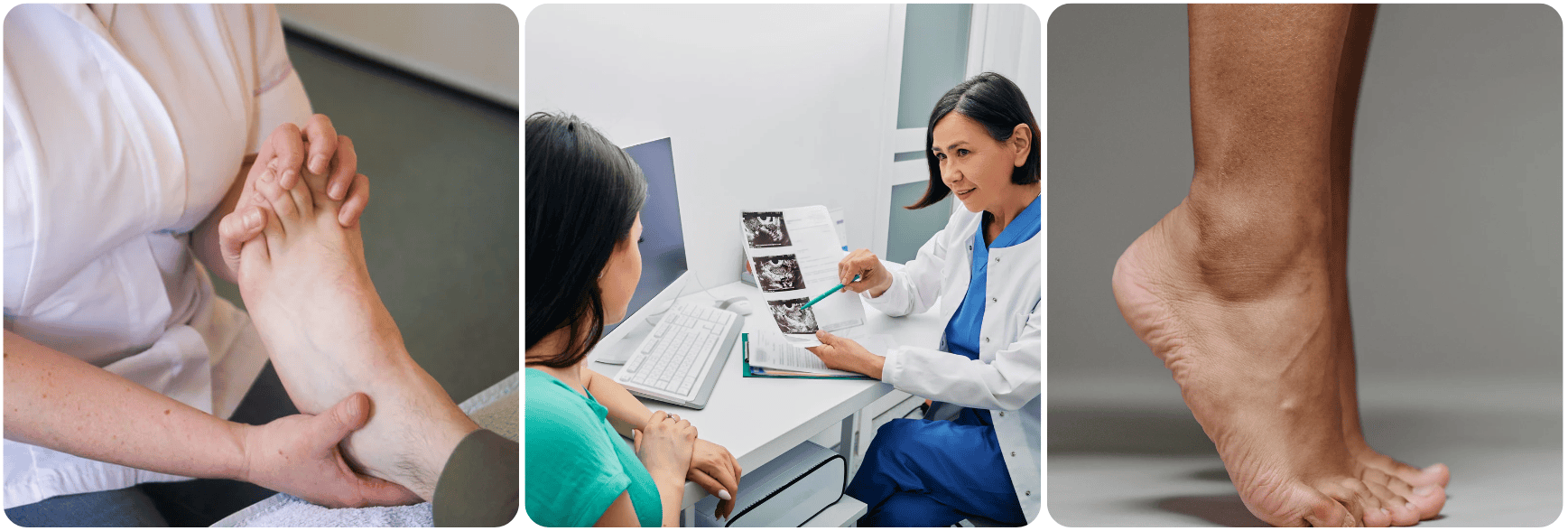
Ultrasound imaging is a valuable tool in tendinitis treatment for feet, providing real-time visualization of the tendon structure. It helps healthcare professionals identify inflammation, tears, or degenerative changes that may not be visible on X-rays. Ultrasound can also guide interventions such as corticosteroid injections, ensuring accurate placement for maximum effectiveness.
The procedure is non-invasive, safe, and can be repeated to monitor healing progress. By using ultrasound, doctors can develop precise treatment plans tailored to the patient’s condition. Early use of imaging can prevent unnecessary treatments and improve recovery timelines.
During your consultation, you will discuss your wishes, medical history, and expectations with the doctor. The doctor will examine you, take measurements if necessary, and explain which treatment suits you best, including risks and recovery. You will have the opportunity to ask questions and then receive a clear treatment proposal.
Make sure you have all relevant medical information ready, such as previous treatments, allergies, or medical conditions. This allows the doctor to give you better advice.
Payment is made securely via SurgeryBooking. You pay the amount in advance to SurgeryBooking. We hold the funds and transfer them to the clinic after your treatment. Cancellation or change conditions vary per clinic and are clearly communicated in advance.
During the consultation (online or at the clinic), the doctor will assess this based on your health, expectations, and physical characteristics. You will discuss what you want, what is possible, and what the limitations are. Sometimes there are alternatives if the chosen treatment is not ideal.
Through SurgeryBooking.com, you can quickly and easily book a consultation or procedure with doctors and clinics worldwide. SurgeryBooking.com provides an overview of doctors and clinics, allowing you to make an informed and transparent choice when booking a consultation or procedure.
You can easily book through the profile of the desired clinic or doctor. Select the desired treatment, enter your details, and choose an available date and time. If there are any costs involved, you will complete the payment first. Afterwards, you will receive a confirmation email with all the details.
Yes, during the booking process, you can indicate whether you prefer an online consultation or an in-person consultation at the clinic.
With SurgeryBooking.com, you gain access to a global network of doctors and clinics. Through SurgeryBooking.com, you can easily book a consultation or a cosmetic procedure directly. Clinic profiles provide information about available cosmetic procedures, reviews, photos of the clinic, and other relevant details. This enables you to compare costs and make an informed decision when booking a consultation or procedure.