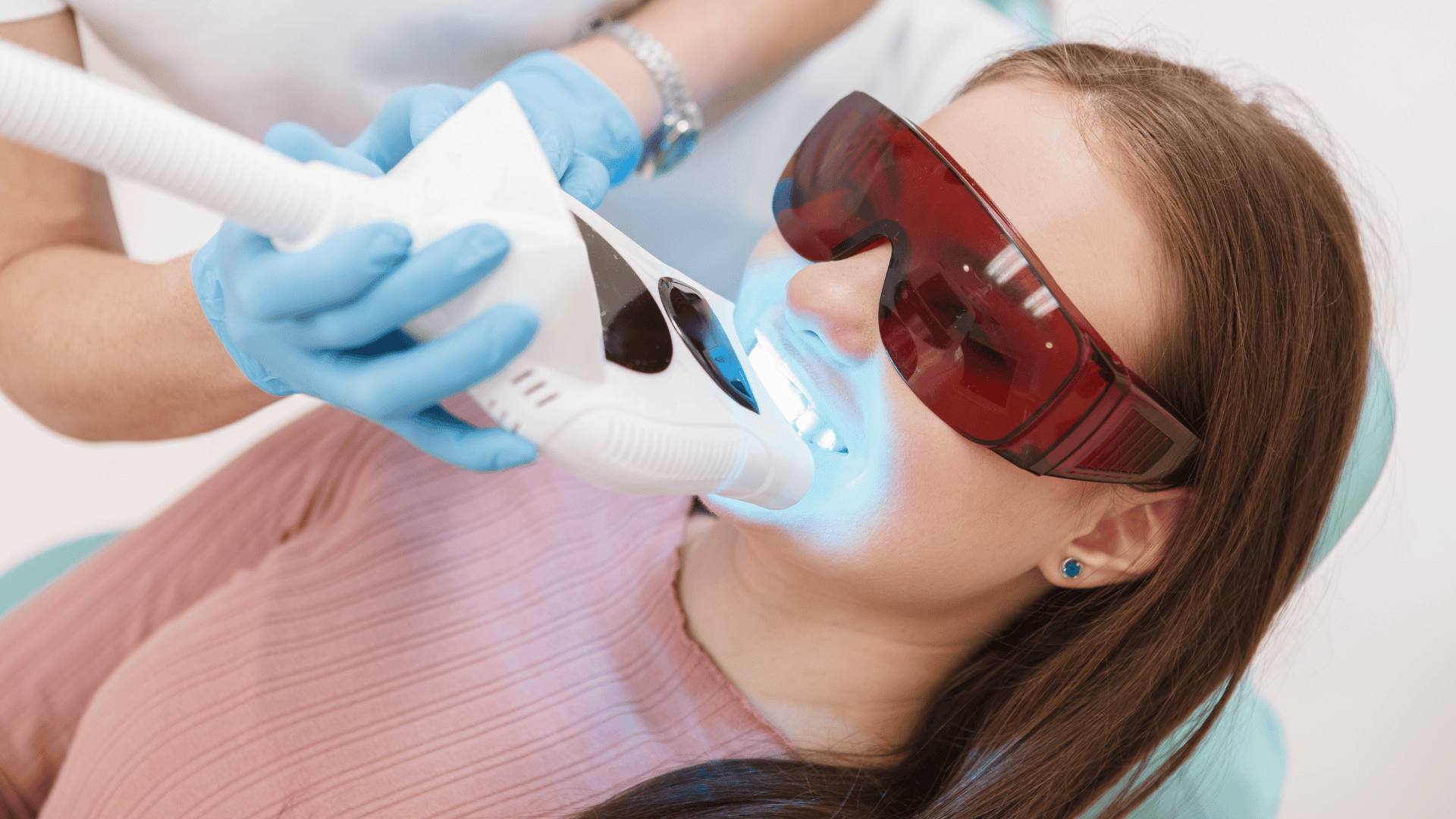
Teeth whitening is a popular cosmetic dental procedure aimed at improving the color and brightness of the teeth. The process involves the use of bleaching agents, often hydrogen peroxide or carbamide peroxide, which help to reduce stains and discoloration on the enamel. These stains can be caused by various factors, including diet, consumption of coffee, tea, and red wine, smoking, or even the natural aging process.
There are several methods for teeth whitening, including professional treatments at a dental office and at-home whitening options. Professional treatments typically offer faster and more effective results, as dentists use stronger concentrations of bleaching agents and often employ special light sources to enhance the whitening effect. At-home treatments usually involve custom-fitted whitening trays or pre-packaged whitening kits that utilize lower concentrations of the bleaching agent.
The procedure is generally safe, but it is important to consult a dentist before starting any whitening treatment. A dentist can assess your oral health and recommend the best method for your specific situation. After the treatment, some individuals may experience temporary sensitivity, but this usually subsides quickly.
Teeth whitening can lead to a brighter smile and increased self-confidence. However, it is essential to have realistic expectations about the results, as not all teeth respond equally to whitening treatments, and the outcomes can vary depending on individual circumstances. Regular maintenance and good oral hygiene can also help prolong the results of teeth whitening.
Teeth whitening is a popular cosmetic dental procedure that helps improve the appearance of teeth by removing stains and discoloration, resulting in a brighter and more youthful smile. Over time, teeth can become discolored due to various factors such as diet, smoking, age, and certain medications. While maintaining good oral hygiene can help prevent some staining, it may not be enough to achieve the desired level of whiteness. Choosing professional teeth whitening can effectively address this issue and offer more dramatic, lasting results than over-the-counter products. This procedure not only enhances the aesthetic appeal of a smile but can also boost self-confidence, allowing individuals to feel more comfortable and confident when speaking or smiling. Whether it’s for a special event or as part of an overall dental care routine, teeth whitening can be a transformative treatment that provides noticeable improvements in a short period of time.
Teeth whitening can be performed in a dental office or at home, depending on the method chosen. Professional in-office whitening is typically done by a dentist or dental hygienist and involves the use of a high-concentration bleaching gel that is applied to the teeth. Before starting, the dentist will protect the gums and soft tissues of the mouth using a special barrier or gel to prevent irritation. A whitening solution, often containing hydrogen peroxide or carbamide peroxide, is then applied to the surface of the teeth. This gel is activated using a special light or laser to accelerate the whitening process and allow it to penetrate the enamel, breaking down stains and discoloration.
The process usually takes about an hour and may involve several applications of the gel, with a rest period in between. Patients can expect noticeable results after just one session, though multiple sessions might be recommended for more significant whitening. For those who prefer to whiten their teeth at home, a dentist may provide custom-fitted trays and a professional-grade whitening gel. These trays are worn for a specified period each day over the course of a few weeks, depending on the desired level of whitening.
Teeth whitening offers a range of benefits that contribute to both cosmetic and psychological well-being. One of the primary advantages is the dramatic improvement in the appearance of a person’s smile. Whiter teeth can make an individual look younger and healthier, which can boost confidence and self-esteem. This can positively impact social interactions, professional opportunities, and overall quality of life. Teeth whitening is also a relatively quick and straightforward procedure that can be performed with minimal discomfort and little to no downtime.
Professional teeth whitening is designed to deliver longer-lasting and more noticeable results compared to over-the-counter products, which may not be as effective or safe. With in-office whitening, patients often see results immediately after a single session, while at-home treatments allow for gradual, customized improvement. Additionally, teeth whitening can be a preventative measure that encourages better oral hygiene habits, as people who are invested in maintaining their whiter teeth are more likely to brush and floss regularly.
A significant benefit of professional teeth whitening is its ability to treat stubborn stains caused by food, drinks, or habits like smoking. This makes it a versatile solution for many individuals looking to improve the color of their teeth. While teeth whitening is not permanent, maintaining good oral hygiene and avoiding foods and beverages that cause staining can help prolong the results. With proper care, patients can enjoy a bright and confident smile for months or even years after treatment.
Teeth discoloration develops gradually and is influenced by both external and internal factors. External stains form on the enamel due to foods, drinks, and lifestyle habits, while internal discoloration occurs deeper within the tooth structure. Teeth whitening focuses primarily on breaking down these stains to restore a brighter appearance.
As enamel naturally becomes thinner with age, the darker dentin underneath may become more visible. This is why many people notice their teeth looking darker over time. Teeth whitening helps counteract these effects by lightening the overall tooth color and improving brightness.
Teeth whitening relies on active bleaching agents that penetrate the enamel and break down stain molecules. Hydrogen peroxide and carbamide peroxide release oxygen molecules that interact with discolored compounds inside the tooth. This reaction makes stains less visible without damaging the tooth structure when used correctly.
The process does not change the natural structure of the teeth but alters how light reflects off them. Teeth whitening therefore enhances brightness rather than creating an artificial appearance. Understanding this mechanism helps explain why results vary from person to person.
Tooth discoloration can result from everyday habits as well as medical or environmental factors. Identifying the cause of staining helps determine how effective whitening treatments may be.
👉 Coffee, tea, and red wine consumption
👉 Smoking or tobacco use
👉 Natural aging of enamel
👉 Certain medications or medical conditions
These factors influence how well teeth whitening treatments perform and how long results may last.
There are noticeable differences between professional treatments and at-home whitening options. In-office procedures use higher concentrations of whitening agents and are closely monitored for safety. This often leads to faster and more even results.
At-home treatments offer convenience and gradual improvement but typically take longer to achieve visible changes. Teeth whitening outcomes depend on consistency, product quality, and individual tooth response. Both methods have their place depending on personal preference and expectations.
Most adults with healthy teeth and gums can consider teeth whitening. However, certain conditions may affect suitability or results. Dental restorations such as crowns or veneers do not respond to whitening agents.
People with gum disease, untreated cavities, or severe enamel erosion may be advised to address these issues first. Teeth whitening works best on natural teeth that are free from underlying dental problems. A professional assessment helps clarify expectations.
Temporary tooth sensitivity is a common concern associated with teeth whitening. This occurs when whitening agents penetrate the enamel and affect nerve endings inside the tooth. The sensation is usually mild and short-lived.
👉 Sensitivity often resolves within a few days
👉 Desensitizing toothpaste may help reduce discomfort
👉 Lower concentration treatments can be gentler
👉 Spacing treatments allows teeth to recover
Most people find that teeth whitening sensitivity is manageable and does not interfere significantly with daily activities.
Teeth whitening is not permanent, but results can last for a considerable time with proper care. The longevity depends on diet, oral hygiene habits, and lifestyle choices. Avoiding staining foods and drinks can help maintain brightness.
Regular brushing, flossing, and professional cleanings support longer-lasting outcomes. Teeth whitening maintenance may include occasional touch-up treatments to preserve results over time.
Whitening treatments often encourage better oral care routines. People who invest in improving their smile tend to become more consistent with brushing and flossing. This can lead to improved overall dental health.
While teeth whitening enhances appearance, it does not replace good oral hygiene. Daily care remains essential to prevent new stains and maintain enamel health.
Each person has a natural tooth shade that may limit how white teeth can become. Genetics play a role in enamel thickness and dentin color, which affects final results. Not all teeth respond equally to whitening agents.
Understanding these limitations helps set realistic expectations. Teeth whitening aims to enhance natural brightness rather than achieve an unnatural shade. Gradual improvement is often more sustainable and visually pleasing.
When used as directed, teeth whitening is considered a safe cosmetic dental procedure. Professional supervision reduces the risk of gum irritation or enamel damage. Overuse or misuse of whitening products can increase sensitivity or irritation.
Following recommended guidelines ensures that teeth whitening remains both effective and safe. Moderation and proper technique are key factors in protecting oral health.
A brighter smile can positively influence self-perception and confidence. Many people feel more comfortable smiling, speaking, or being photographed after teeth whitening. These subtle changes can affect social and professional interactions.
While cosmetic in nature, teeth whitening may contribute to emotional well-being by improving how individuals feel about their appearance. Confidence gains often extend beyond aesthetics alone.
Teeth whitening has become one of the most requested cosmetic dental procedures worldwide. Increased awareness, accessibility, and evolving beauty standards have contributed to its popularity. Advances in technology continue to improve comfort and effectiveness.
As demand grows, teeth whitening remains a widely discussed option for those seeking a simple yet impactful enhancement. Ongoing innovation ensures that treatments continue to evolve alongside modern dental care practices.
During your consultation, you will discuss your wishes, medical history, and expectations with the doctor. The doctor will examine you, take measurements if necessary, and explain which treatment suits you best, including risks and recovery. You will have the opportunity to ask questions and then receive a clear treatment proposal.
Make sure you have all relevant medical information ready, such as previous treatments, allergies, or medical conditions. This allows the doctor to give you better advice.
Payment is made securely via SurgeryBooking. You pay the amount in advance to SurgeryBooking. We hold the funds and transfer them to the clinic after your treatment. Cancellation or change conditions vary per clinic and are clearly communicated in advance.
During the consultation (online or at the clinic), the doctor will assess this based on your health, expectations, and physical characteristics. You will discuss what you want, what is possible, and what the limitations are. Sometimes there are alternatives if the chosen treatment is not ideal.
Through SurgeryBooking.com, you can quickly and easily book a consultation or procedure with doctors and clinics worldwide. SurgeryBooking.com provides an overview of doctors and clinics, allowing you to make an informed and transparent choice when booking a consultation or procedure.
You can easily book through the profile of the desired clinic or doctor. Select the desired treatment, enter your details, and choose an available date and time. If there are any costs involved, you will complete the payment first. Afterwards, you will receive a confirmation email with all the details.
Yes, during the booking process, you can indicate whether you prefer an online consultation or an in-person consultation at the clinic.
With SurgeryBooking.com, you gain access to a global network of doctors and clinics. Through SurgeryBooking.com, you can easily book a consultation or a cosmetic procedure directly. Clinic profiles provide information about available cosmetic procedures, reviews, photos of the clinic, and other relevant details. This enables you to compare costs and make an informed decision when booking a consultation or procedure.