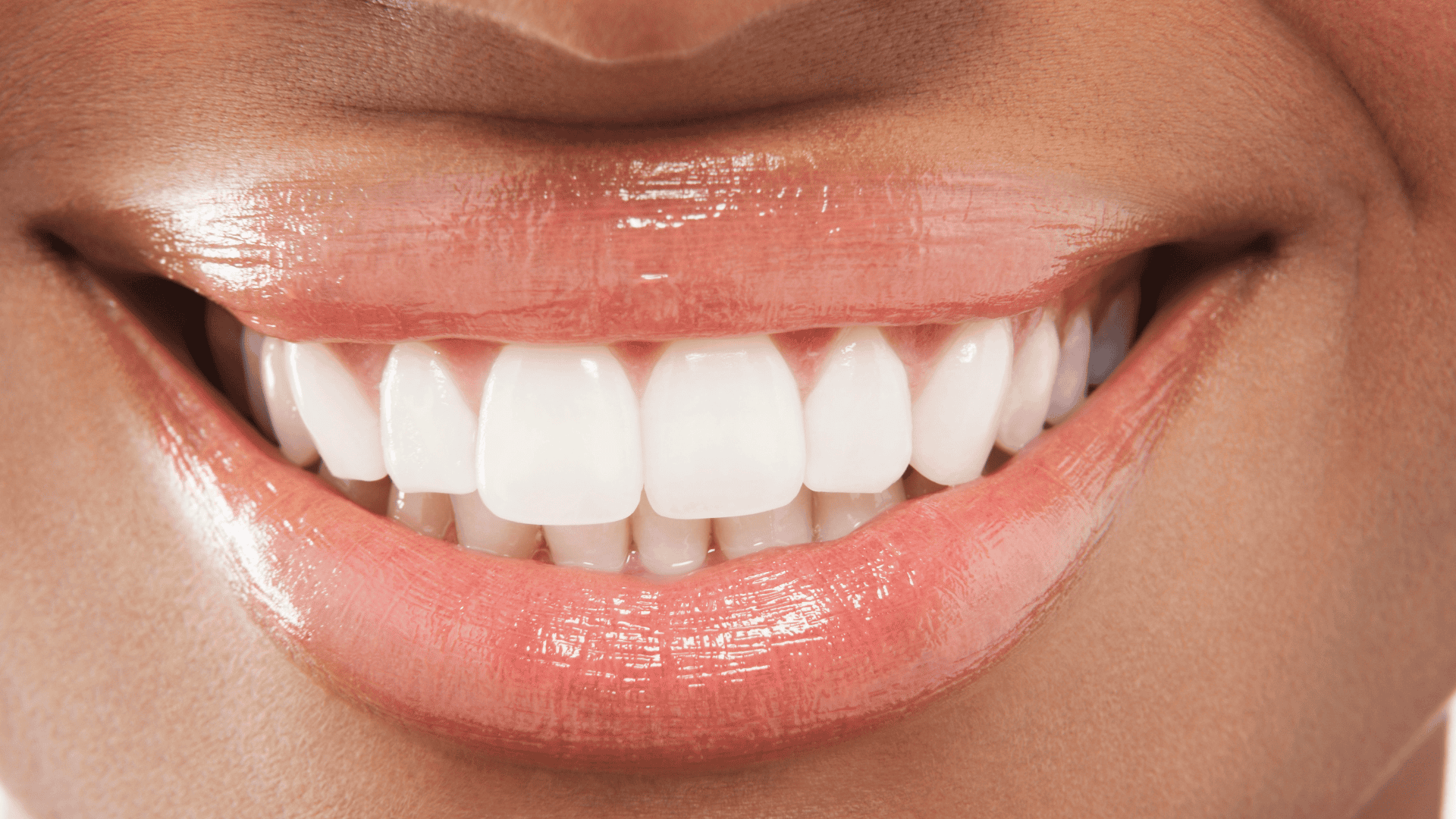
Teeth straightening, also known as orthodontic treatment, is a common procedure used to correct misaligned, overlapping, or crooked teeth by moving them into their ideal position. This is typically achieved with the use of braces, which can be traditional metal brackets, ceramic braces, or clear aligners like Invisalign. Orthodontic treatment not only enhances the appearance of your smile but also improves bite function and overall dental health.
A properly aligned set of teeth makes it easier to maintain oral hygiene, reducing the risk of tooth decay and gum disease. It can also prevent issues such as excessive wear on certain teeth, jaw strain, and speech difficulties. Depending on the complexity of the case, treatment can vary in duration and approach. Many people opt for teeth straightening not only for aesthetic reasons but also to promote long-term oral health and boost their self-confidence.
Teeth straightening is an important dental treatment that can significantly enhance both the appearance and functionality of a person’s smile. Choosing to straighten your teeth can improve not just the aesthetics of your smile, but also your overall oral health. Crooked or misaligned teeth can be difficult to clean properly, leading to an increased risk of cavities, gum disease, and other dental issues. By choosing to straighten your teeth, you can improve your ability to maintain good oral hygiene, as the alignment of the teeth allows for easier brushing and flossing. Additionally, a properly aligned bite helps distribute the pressure of chewing more evenly, which can prevent excessive wear on specific teeth, reduce the risk of jaw pain, and help prevent temporomandibular joint (TMJ) disorders.
Straightening teeth can also have a significant positive impact on self-confidence. Many people feel self-conscious about their smile due to misaligned teeth, which can affect their social and professional interactions. By choosing to straighten your teeth, you can achieve a smile that you feel proud of, boosting your confidence and improving your overall quality of life. Whether through traditional metal braces, clear aligners like Invisalign, or other orthodontic solutions, teeth straightening provides the opportunity for long-term dental health and a more attractive smile.
Teeth straightening is performed using various orthodontic techniques, with the most common methods being traditional metal braces and clear aligner systems like Invisalign. The process typically starts with a comprehensive consultation with an orthodontist or dentist who specializes in orthodontics. During this initial appointment, the dentist or orthodontist will evaluate the patient's teeth, take X-rays or digital scans, and discuss the patient’s goals and treatment options. The treatment plan will be tailored to the patient's specific needs, taking into account factors like the severity of misalignment, age, and budget.
If traditional metal braces are chosen, the procedure begins with the placement of brackets on each tooth, which are then connected with wires. These wires are tightened periodically to gradually shift the teeth into their correct positions. While metal braces are highly effective for addressing complex alignment issues, they do require regular adjustments, which are typically made every few weeks. This approach can take anywhere from one to three years, depending on the severity of the dental issue.
For those who prefer a more discreet option, clear aligners like Invisalign are available. The process involves taking digital impressions or molds of the teeth, which are used to create a series of custom aligners that fit snugly over the teeth. Each aligner is worn for approximately one to two weeks before being replaced by the next in the series. Aligners gradually move the teeth into place and can be removed for eating, drinking, and oral hygiene routines. Invisalign treatment usually takes between 12 to 24 months, depending on the complexity of the case. Throughout the treatment, patients have periodic check-ups to ensure that the aligners are working as planned and to make any necessary adjustments.
The benefits of teeth straightening are numerous and extend beyond just cosmetic improvement. One of the main advantages is enhanced oral health. Straight teeth are easier to clean and maintain, which helps reduce the buildup of plaque and prevents the development of cavities and gum disease. Properly aligned teeth also distribute chewing forces evenly, reducing the strain on specific teeth and decreasing the risk of enamel wear, tooth fractures, and jaw pain. This can lead to long-term oral health benefits and prevent future dental complications that may arise from poor alignment.
Another significant benefit of teeth straightening is the improvement in self-esteem and confidence. Many individuals who have misaligned or crooked teeth feel self-conscious about their smile and may avoid social interactions or smile less frequently. Straightening teeth can help achieve a symmetrical and attractive smile, leading to increased self-confidence and better social and professional interactions. This boost in self-esteem can positively impact various aspects of life, including career growth and personal relationships.
Teeth straightening also provides functional benefits. For example, correcting bite issues, such as an overbite or underbite, can improve how the teeth come together when chewing or speaking, leading to better comfort and function. Aligning the teeth can also help prevent issues such as jaw pain and tension, which can be a result of uneven pressure on the teeth and jaw joints. With advancements in orthodontics, treatments are now more comfortable and faster than ever before. Clear aligner systems provide the added benefit of being virtually invisible and more comfortable than traditional metal braces, while still achieving the same effective results.
During your consultation, you will discuss your wishes, medical history, and expectations with the doctor. The doctor will examine you, take measurements if necessary, and explain which treatment suits you best, including risks and recovery. You will have the opportunity to ask questions and then receive a clear treatment proposal.
Make sure you have all relevant medical information ready, such as previous treatments, allergies, or medical conditions. This allows the doctor to give you better advice.
Payment is made securely via SurgeryBooking. You pay the amount in advance to SurgeryBooking. We hold the funds and transfer them to the clinic after your treatment. Cancellation or change conditions vary per clinic and are clearly communicated in advance.
During the consultation (online or at the clinic), the doctor will assess this based on your health, expectations, and physical characteristics. You will discuss what you want, what is possible, and what the limitations are. Sometimes there are alternatives if the chosen treatment is not ideal.
Through SurgeryBooking.com, you can quickly and easily book a consultation or procedure with doctors and clinics worldwide. SurgeryBooking.com provides an overview of doctors and clinics, allowing you to make an informed and transparent choice when booking a consultation or procedure.
You can easily book through the profile of the desired clinic or doctor. Select the desired treatment, enter your details, and choose an available date and time. If there are any costs involved, you will complete the payment first. Afterwards, you will receive a confirmation email with all the details.
Yes, during the booking process, you can indicate whether you prefer an online consultation or an in-person consultation at the clinic.
With SurgeryBooking.com, you gain access to a global network of doctors and clinics. Through SurgeryBooking.com, you can easily book a consultation or a cosmetic procedure directly. Clinic profiles provide information about available cosmetic procedures, reviews, photos of the clinic, and other relevant details. This enables you to compare costs and make an informed decision when booking a consultation or procedure.