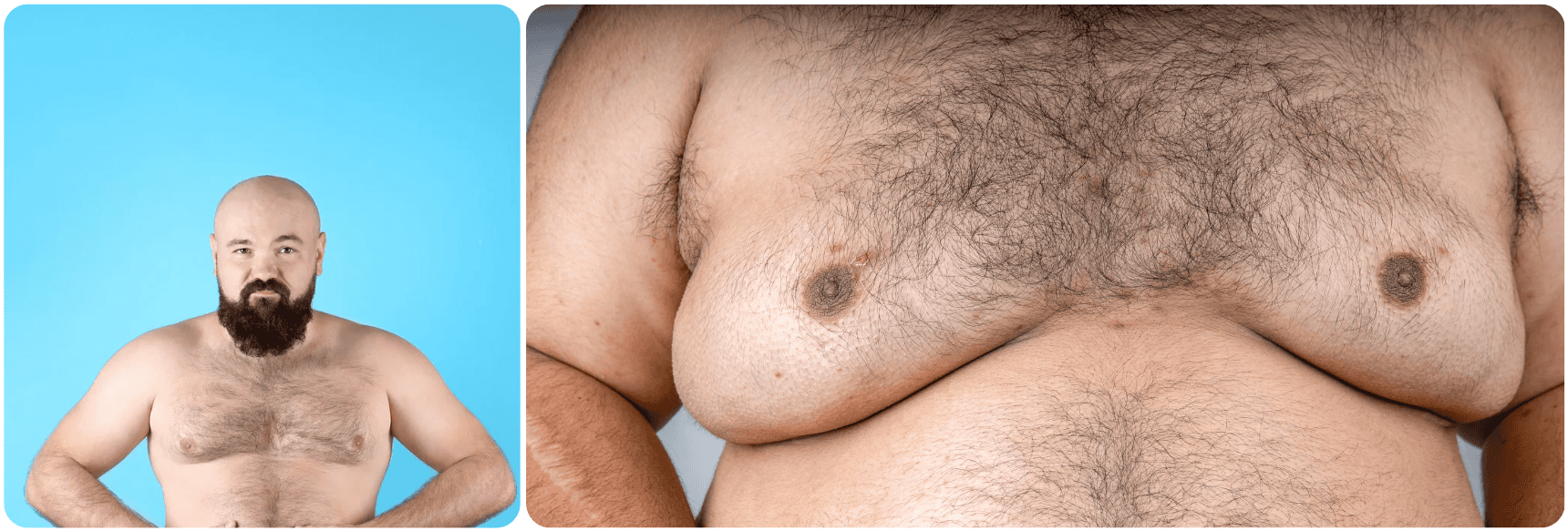
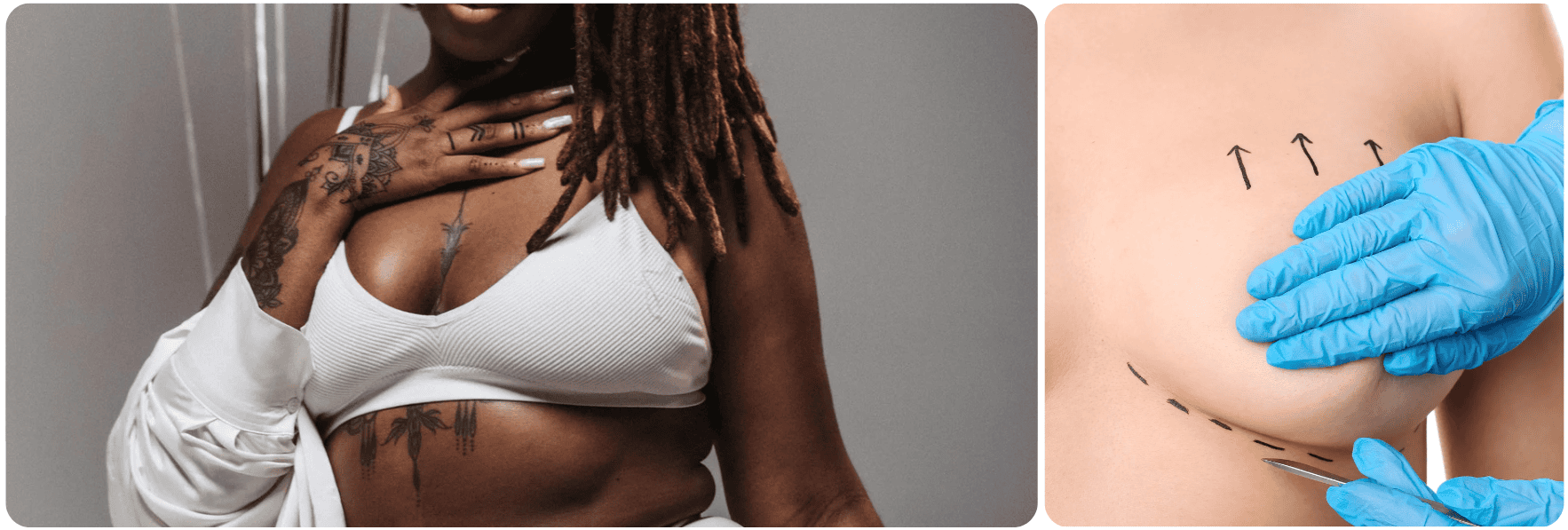
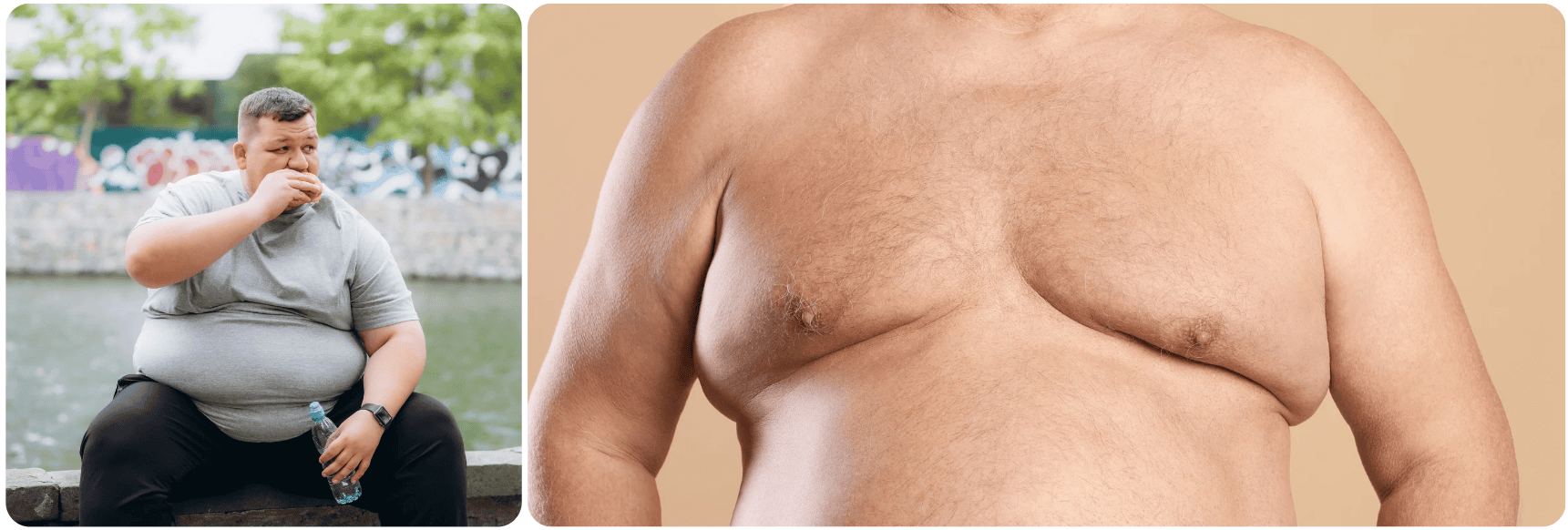
A subcutaneous mastectomy is a surgical procedure in which most of the breast glandular tissue is removed while preserving the overlying skin, nipple, and areola. This type of surgery is often performed in cases of certain breast cancers, as a preventive measure for those at high risk of breast cancer, or as part of gender-affirming surgery for individuals seeking chest masculinization.
During a subcutaneous mastectomy, the surgeon makes an incision, removes the glandular tissue, and leaves as much of the surrounding skin and breast structure intact as possible. By preserving the skin and nipple, the breast can retain a more natural appearance, particularly if immediate reconstruction with an implant or fat transfer is performed.
A subcutaneous mastectomy is a surgical procedure in which most of the breast glandular tissue is removed while preserving the overlying skin, nipple, and areola.
Recovery from the procedure varies depending on the extent of the surgery and any additional treatments, such as reconstruction. Potential complications include infection, bleeding, or changes in sensation in the breast and nipple. It's essential to follow the surgeon’s aftercare instructions closely to support proper healing and reduce the risk of complications.
Subcutaneous mastectomy is a surgical procedure where the breast tissue is removed, but the skin and the nipple are preserved. This approach is often chosen by women who have been diagnosed with breast cancer and wish to undergo a more conservative surgery compared to a total mastectomy. Subcutaneous mastectomy is also an option for those at high risk of developing breast cancer due to genetic factors such as the BRCA gene mutation, and it is often used as part of preventive care.
Subcutaneous mastectomy is a surgical procedure where the breast tissue is removed, but the skin and the nipple are preserved.
One of the main advantages of subcutaneous mastectomy is that it allows the patient to maintain the shape and appearance of the breast after surgery, as the skin and nipple are left intact. This preservation of the breast’s external appearance can significantly help with body image and emotional recovery. It is also a less invasive procedure compared to a full mastectomy, with a shorter recovery time and potentially fewer complications.
Additionally, for women who plan to have breast reconstruction, the preserved skin provides a better foundation for reconstructive surgery, which can lead to a more natural-looking result. Subcutaneous mastectomy offers an effective solution for both cancer treatment and prevention, while maintaining the patient’s aesthetic preferences and overall well-being.
Although subcutaneous mastectomy is generally safe, patients should be aware of potential risks. These can include changes in nipple sensation, uneven contour, or delayed wound healing. More serious complications, though rare, might involve infection, hematoma, or necrosis of tissue. Patients with preexisting conditions like diabetes or vascular problems may face higher risks.
👉 Changes in nipple or breast sensation
👉 Uneven breast shape
👉 Delayed wound healing or infection
👉 Bleeding or hematoma
👉 Rare tissue necrosis
Choosing an experienced surgeon and following postoperative instructions closely reduces the likelihood of complications.
Subcutaneous mastectomy is typically performed under general anesthesia, ensuring that the patient is completely comfortable and unaware during the procedure. The surgeon begins by making an incision around the areola or under the breast, depending on the patient’s anatomy and the surgeon’s preference. Through this incision, the breast tissue is carefully removed, but the skin and nipple are preserved.
Subcutaneous mastectomy is typically performed under general anesthesia, ensuring that the patient is completely comfortable and unaware during the procedure.
In some cases, the surgeon may also remove a small portion of the tissue around the nipple to reduce the risk of any cancerous cells being left behind. After the tissue is removed, the remaining skin is carefully sutured to close the incision. Since the nipple and skin are left intact, there is less risk of visible scarring, and the external appearance of the breast is maintained.
If the patient is opting for breast reconstruction, this step may be performed immediately following the mastectomy, using the preserved skin to create a more natural-looking breast. The procedure typically lasts between 1 to 3 hours, and most patients can go home the same day or after a short stay in the hospital. Recovery time varies, but it generally takes a few weeks for the body to heal, with patients usually returning to normal activities within 4 to 6 weeks.
For individuals with a strong family history or genetic predisposition, subcutaneous mastectomy can be an important preventive measure. High-risk patients may consider this procedure to reduce the likelihood of developing breast cancer.
👉 Genetic testing and counseling can guide decision-making
👉 Regular screening remains crucial even after surgery
👉 Coordination with oncologists ensures comprehensive care
👉 Preventive surgery can be combined with reconstruction if desired
👉 Surgeons assess each patient’s risk profile to customize the procedure
By addressing cancer risk proactively, subcutaneous mastectomy offers both medical and aesthetic benefits. Patients can take a preventive approach while maintaining breast appearance.
Minimizing scarring is an important aspect of subcutaneous mastectomy. Surgeons use careful suturing techniques to reduce tension on the skin. Postoperative scar care includes topical treatments and protective measures.
👉 Silicone gels or sheets can improve scar appearance
👉 Avoid excessive sun exposure
👉 Follow the surgeon’s guidance on massage techniques
👉 Keep the incision moisturized
👉 Monitor healing progress regularly
Effective scar management contributes to the overall aesthetic success of the procedure.
The main benefit of subcutaneous mastectomy is that it offers a more conservative approach to breast cancer treatment or prevention, allowing patients to preserve the external appearance of their breasts. By removing only the breast tissue and leaving the skin and nipple intact, this procedure can significantly help with emotional recovery, as it maintains the body’s natural shape and appearance. For many women, this can ease concerns about body image after surgery.
Another advantage is the shorter recovery time compared to a full mastectomy, as there is less trauma to the surrounding tissue, and the risk of complications such as infection and bleeding is generally lower. Subcutaneous mastectomy also offers patients the possibility of immediate breast reconstruction, using the preserved skin to help achieve a more natural look after surgery. Furthermore, the procedure is an excellent option for women at high risk of breast cancer, offering an effective preventive measure.
The main benefit of subcutaneous mastectomy is that it offers a more conservative approach to breast cancer treatment or prevention, allowing patients to preserve the external appearance of their breasts.
For those diagnosed with early-stage cancer, subcutaneous mastectomy is often as effective as a total mastectomy in preventing cancer recurrence, especially when combined with other treatments like radiation or chemotherapy. Overall, subcutaneous mastectomy allows women to address their medical concerns while minimizing the physical and emotional impact of breast cancer treatment.
Preparation for subcutaneous mastectomy is essential to ensure a safe and effective surgery. Patients undergo thorough medical evaluation and imaging to assess the breast tissue. The surgeon may discuss preoperative medications and adjustments to current prescriptions. Lifestyle factors such as diet, smoking cessation, and physical activity are also reviewed. Patients receive instructions about fasting before surgery and postoperative care.
👉 Discuss medications and supplements with the surgeon
👉 Undergo necessary imaging and tests
👉 Plan transportation and support for recovery
👉 Prepare recovery space at home
👉 Clarify expectations for reconstruction if planned
Mental and physical preparation improves recovery and reduces complications.
Recovery after subcutaneous mastectomy varies depending on the extent of tissue removal and whether reconstruction is performed. Most patients experience mild discomfort and swelling for the first few days. Physical activity is gradually resumed, with heavy lifting usually restricted for several weeks.
👉 Initial wound healing occurs within 2 to 3 weeks
👉 Stitches or drains may be removed within the first week
👉 Swelling and bruising typically subside after a few weeks
👉 Light exercises can be introduced as recommended
👉 Full recovery may take 4 to 6 weeks
👉 Regular follow-up ensures proper healing and addresses any concerns
Following the recommended timeline helps optimize both medical outcomes and aesthetic results.
Healing after subcutaneous mastectomy requires careful attention to the incision site. Keeping the area clean and dry is essential. Patients should avoid direct pressure or trauma to the breast.
👉 Follow surgeon’s instructions on dressing changes
👉 Avoid submerging incisions in water until cleared
👉 Wear supportive garments as recommended
👉 Refrain from vigorous exercise during early recovery
👉 Monitor for redness, swelling, or discharge
By adhering to these guidelines, patients can support faster healing and minimize visible scarring.
Follow-up care is essential after subcutaneous mastectomy to monitor recovery and detect any complications early. Patients attend regular check-ups for wound evaluation and overall health assessment. Imaging or additional tests may be recommended to ensure complete removal of tissue. Surgeons provide guidance on resuming daily activities and long-term maintenance.
👉 Schedule appointments as recommended
👉 Report any unusual swelling, pain, or discharge
👉 Maintain a healthy lifestyle to support healing
👉 Follow up with reconstruction specialists if needed
Ongoing care ensures the procedure’s effectiveness and patient satisfaction.
Subcutaneous mastectomy is most commonly performed under general anesthesia, which ensures patient comfort and immobility during surgery. In some cases, local anesthesia combined with sedation may be an option for selected patients. Anesthesia choice depends on the patient’s health, surgical complexity, and preferences.
👉 Discuss risks and benefits with your anesthesiologist
👉 Consider personal health conditions
👉 Choose anesthesia type based on surgeon’s recommendation
👉 Understand recovery expectations after anesthesia
Proper anesthesia management also reduces postoperative pain and facilitates a smoother recovery.
During your consultation, you will discuss your wishes, medical history, and expectations with the doctor. The doctor will examine you, take measurements if necessary, and explain which treatment suits you best, including risks and recovery. You will have the opportunity to ask questions and then receive a clear treatment proposal.
Make sure you have all relevant medical information ready, such as previous treatments, allergies, or medical conditions. This allows the doctor to give you better advice.
Payment is made securely via SurgeryBooking. You pay the amount in advance to SurgeryBooking. We hold the funds and transfer them to the clinic after your treatment. Cancellation or change conditions vary per clinic and are clearly communicated in advance.
During the consultation (online or at the clinic), the doctor will assess this based on your health, expectations, and physical characteristics. You will discuss what you want, what is possible, and what the limitations are. Sometimes there are alternatives if the chosen treatment is not ideal.
Through SurgeryBooking.com, you can quickly and easily book a consultation or procedure with doctors and clinics worldwide. SurgeryBooking.com provides an overview of doctors and clinics, allowing you to make an informed and transparent choice when booking a consultation or procedure.
You can easily book through the profile of the desired clinic or doctor. Select the desired treatment, enter your details, and choose an available date and time. If there are any costs involved, you will complete the payment first. Afterwards, you will receive a confirmation email with all the details.
Yes, during the booking process, you can indicate whether you prefer an online consultation or an in-person consultation at the clinic.
With SurgeryBooking.com, you gain access to a global network of doctors and clinics. Through SurgeryBooking.com, you can easily book a consultation or a cosmetic procedure directly. Clinic profiles provide information about available cosmetic procedures, reviews, photos of the clinic, and other relevant details. This enables you to compare costs and make an informed decision when booking a consultation or procedure.