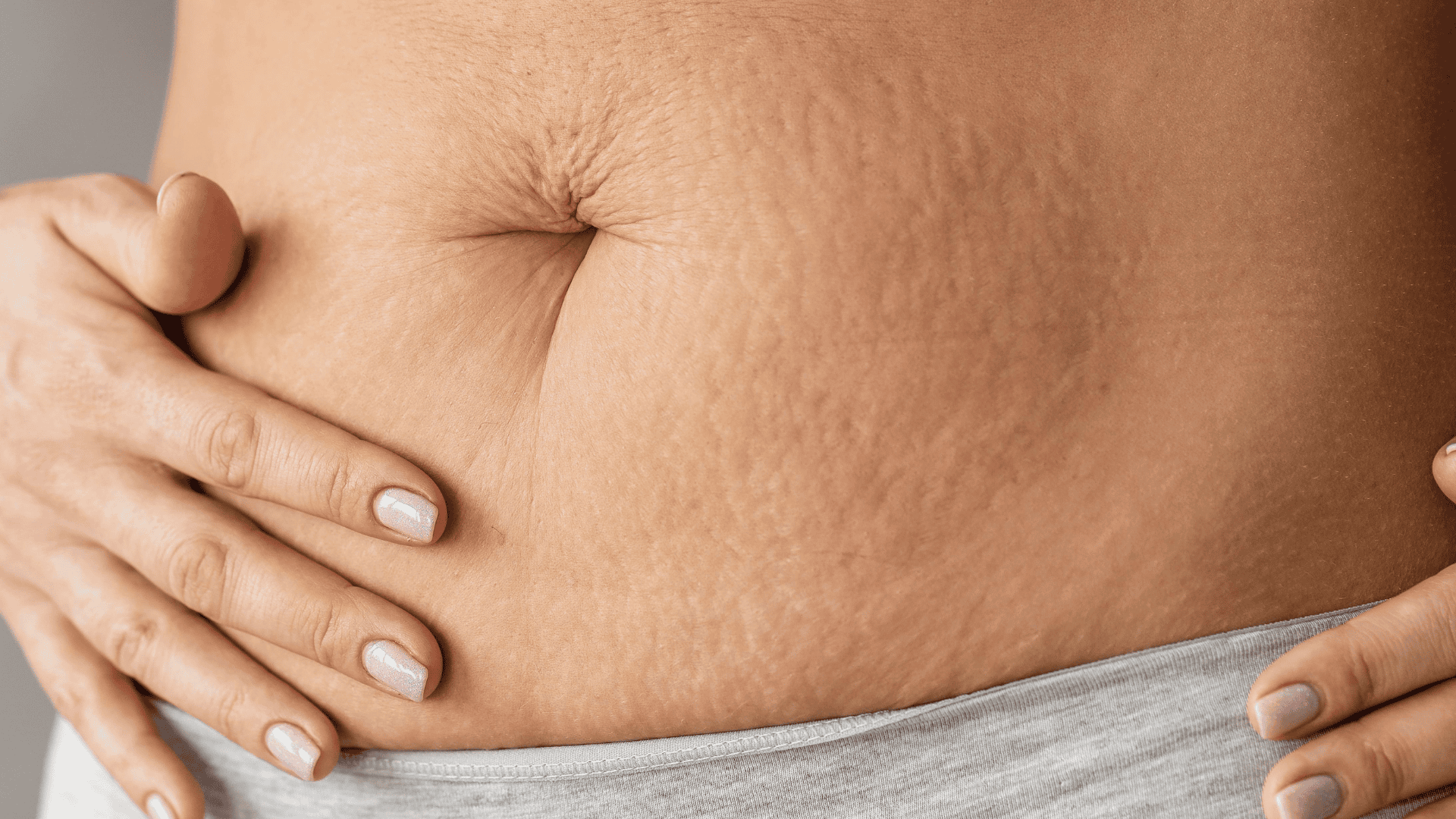
Stretch mark treatment focuses on reducing the appearance of stretch marks, which are formed when the skin stretches rapidly. These marks, also known as striae, often develop during pregnancy, weight gain, or periods of rapid growth, such as during puberty. Initially, stretch marks may appear as red, purple, or pink lines and gradually fade to a lighter shade over time, though they rarely disappear completely.
Various treatments are available to help minimize the appearance of stretch marks. One common approach is the use of creams and gels that contain ingredients such as retinoids or hyaluronic acid. These substances promote collagen production, which can help improve the skin’s elasticity and firmness. Although these products may not completely remove stretch marks, they can significantly improve the texture and color, particularly when used on newer marks.
Another popular treatment is microdermabrasion, a technique that gently removes the outer layer of the skin to encourage the growth of new, healthy skin cells. This process helps smooth the skin's surface, making stretch marks less noticeable. Laser therapy is also widely used and can be particularly effective at reducing the red or purple hue of fresh stretch marks. Laser treatments stimulate collagen and elastin production, which helps tighten and smooth the skin.
Microneedling is an increasingly popular technique, where tiny needles are used to create micro-injuries in the skin. This activates the body’s natural healing process and boosts collagen and elastin production, which can reduce the depth and texture of stretch marks. Chemical peels, which involve applying an acidic solution to exfoliate the outer layer of the skin, can also be used to renew the skin and soften the appearance of stretch marks.
While no treatment can completely eliminate stretch marks, these methods can help make them less visible. It's important to note that the effectiveness of treatment often depends on factors such as the age of the stretch marks, skin type, and the consistency of treatment.
Stretch mark treatment is a cosmetic procedure aimed at reducing the appearance of stretch marks, which are common skin concerns caused by rapid stretching of the skin due to pregnancy, weight fluctuations, or growth spurts. Stretch marks, medically known as striae, often appear as streaks or lines on the skin, varying in color from red or purple to white, depending on their age. Many individuals seek treatment to improve their skin’s texture and tone, as stretch marks can impact self-confidence and body image. These treatments are designed to target the underlying causes of stretch marks by stimulating collagen and elastin production, which are essential for skin repair and elasticity. Opting for professional stretch mark treatment can significantly enhance the skin’s appearance, offering a smoother and more even complexion.
Stretch mark treatment typically involves a variety of non-invasive or minimally invasive techniques tailored to the individual’s skin type, the severity of the stretch marks, and personal goals. One popular option is laser therapy, which uses focused light energy to penetrate the skin and stimulate collagen production, helping to reduce the depth and discoloration of stretch marks. Microneedling is another effective method, where tiny needles create micro-injuries in the skin to trigger natural healing processes and promote new collagen formation. Chemical peels, which exfoliate the top layers of skin, can also be used to improve the texture and reduce the visibility of superficial stretch marks. In some cases, treatments like radiofrequency or ultrasound therapy may be employed to tighten the skin and enhance its elasticity. These procedures are often performed in multiple sessions, with gradual improvements visible over time.
Stretch mark treatment offers numerous benefits for individuals looking to enhance their skin’s appearance and regain confidence. One of the most notable advantages is the improvement in skin texture and tone, as treatments work to reduce the visibility of stretch marks, making them less prominent and blending them more seamlessly with the surrounding skin. These procedures also stimulate collagen and elastin production, which not only addresses existing stretch marks but can also improve the overall firmness and elasticity of the skin. Many treatments are non-invasive or require minimal downtime, allowing patients to return to their daily activities quickly. Additionally, modern stretch mark treatments are customizable, ensuring that the approach is tailored to the unique needs of each individual. By addressing both the aesthetic and structural aspects of stretch marks, these treatments help individuals feel more comfortable and confident in their skin.
During your consultation, you will discuss your wishes, medical history, and expectations with the doctor. The doctor will examine you, take measurements if necessary, and explain which treatment suits you best, including risks and recovery. You will have the opportunity to ask questions and then receive a clear treatment proposal.
Make sure you have all relevant medical information ready, such as previous treatments, allergies, or medical conditions. This allows the doctor to give you better advice.
Payment is made securely via SurgeryBooking. You pay the amount in advance to SurgeryBooking. We hold the funds and transfer them to the clinic after your treatment. Cancellation or change conditions vary per clinic and are clearly communicated in advance.
During the consultation (online or at the clinic), the doctor will assess this based on your health, expectations, and physical characteristics. You will discuss what you want, what is possible, and what the limitations are. Sometimes there are alternatives if the chosen treatment is not ideal.
Through SurgeryBooking.com, you can quickly and easily book a consultation or procedure with doctors and clinics worldwide. SurgeryBooking.com provides an overview of doctors and clinics, allowing you to make an informed and transparent choice when booking a consultation or procedure.
You can easily book through the profile of the desired clinic or doctor. Select the desired treatment, enter your details, and choose an available date and time. If there are any costs involved, you will complete the payment first. Afterwards, you will receive a confirmation email with all the details.
Yes, during the booking process, you can indicate whether you prefer an online consultation or an in-person consultation at the clinic.
With SurgeryBooking.com, you gain access to a global network of doctors and clinics. Through SurgeryBooking.com, you can easily book a consultation or a cosmetic procedure directly. Clinic profiles provide information about available cosmetic procedures, reviews, photos of the clinic, and other relevant details. This enables you to compare costs and make an informed decision when booking a consultation or procedure.