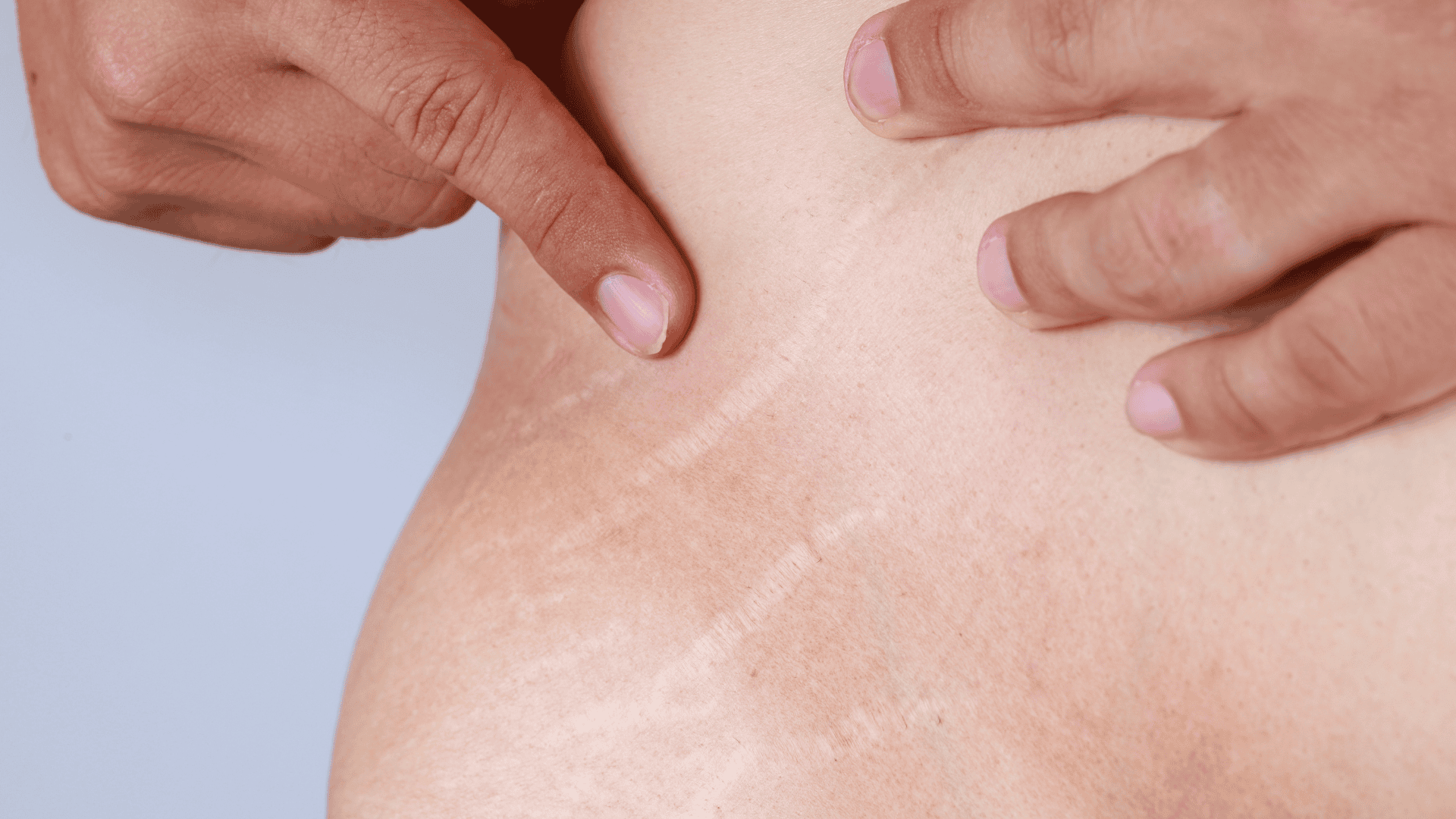
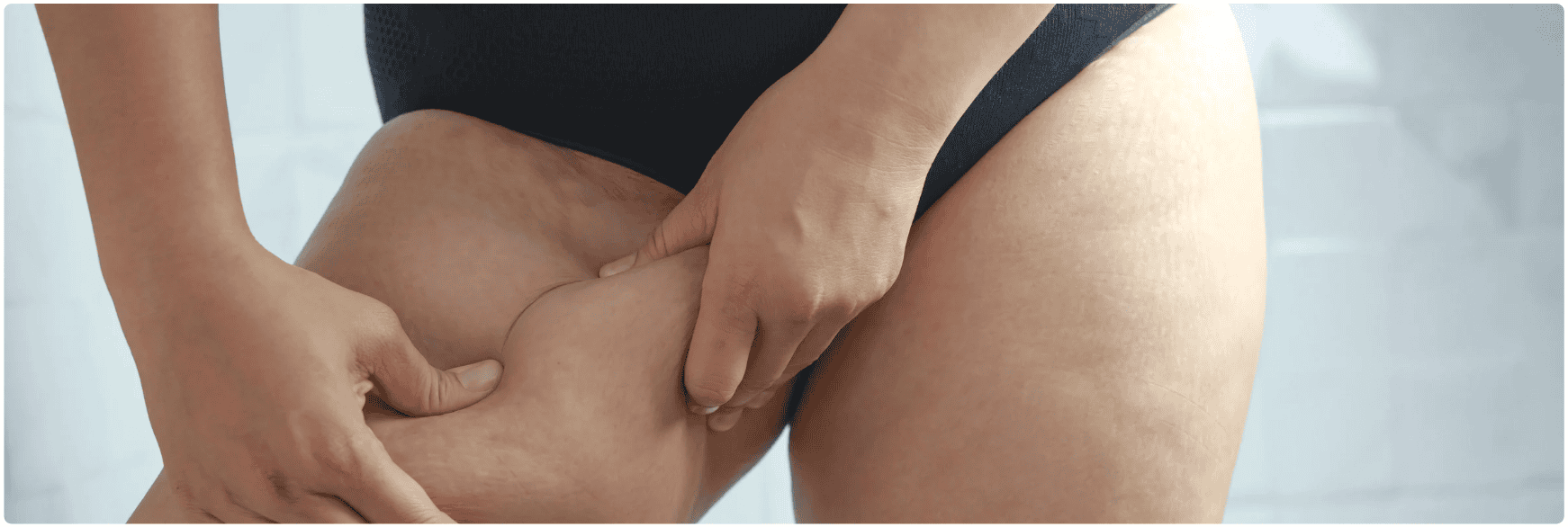
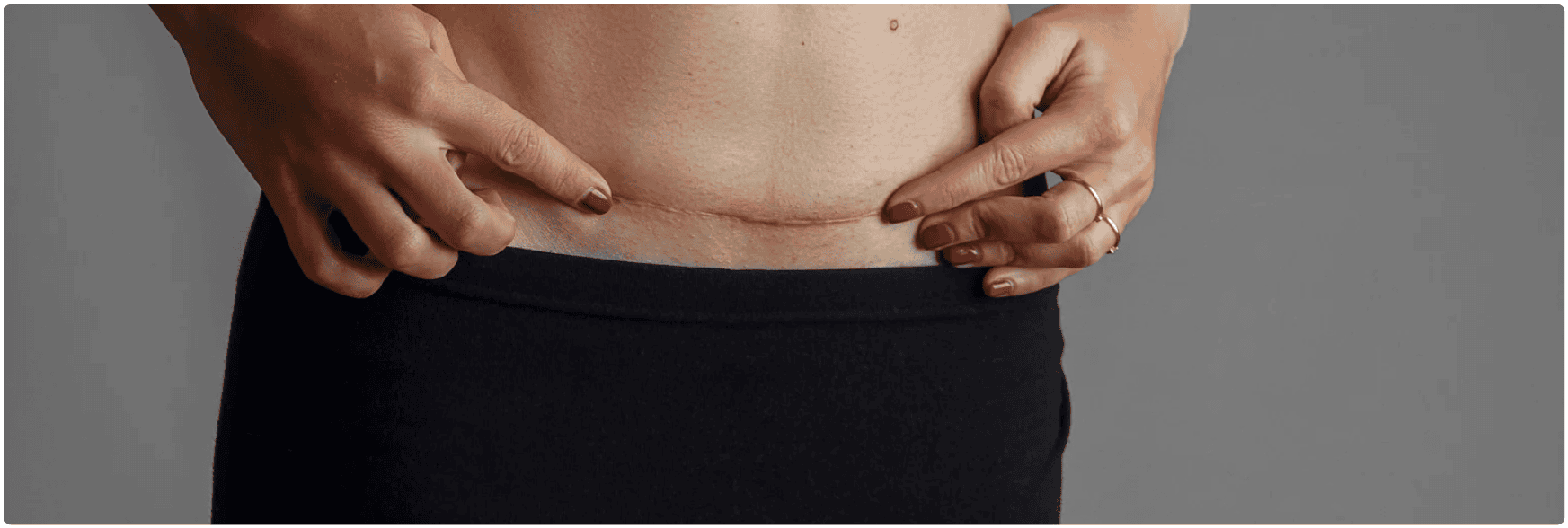
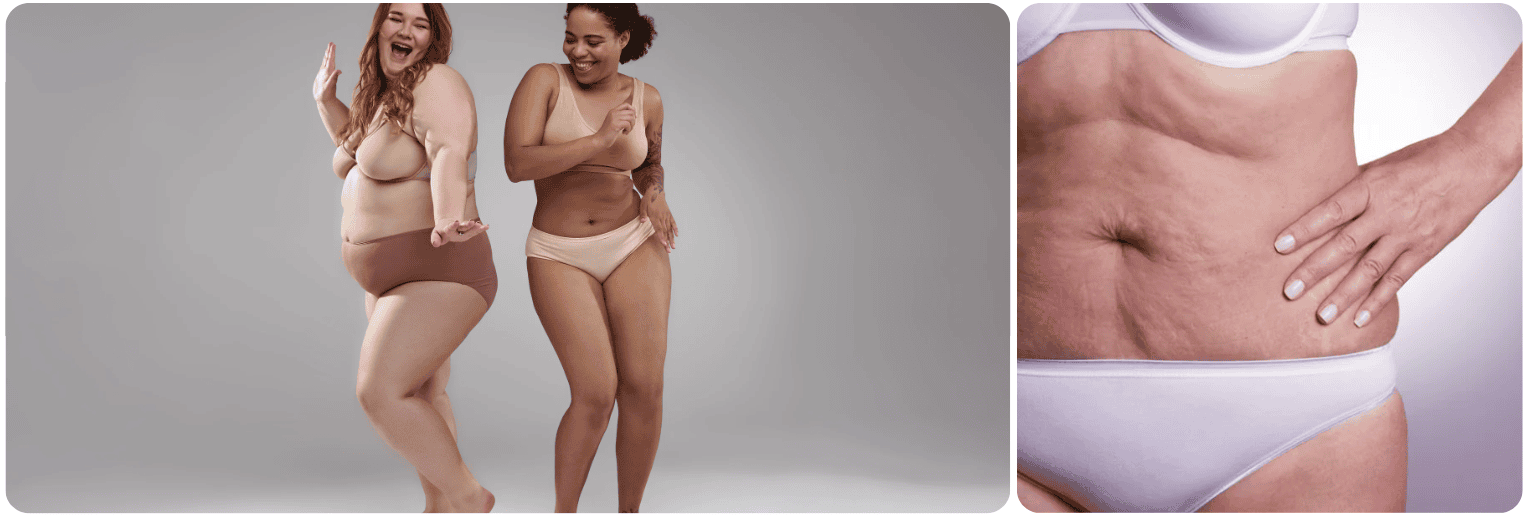
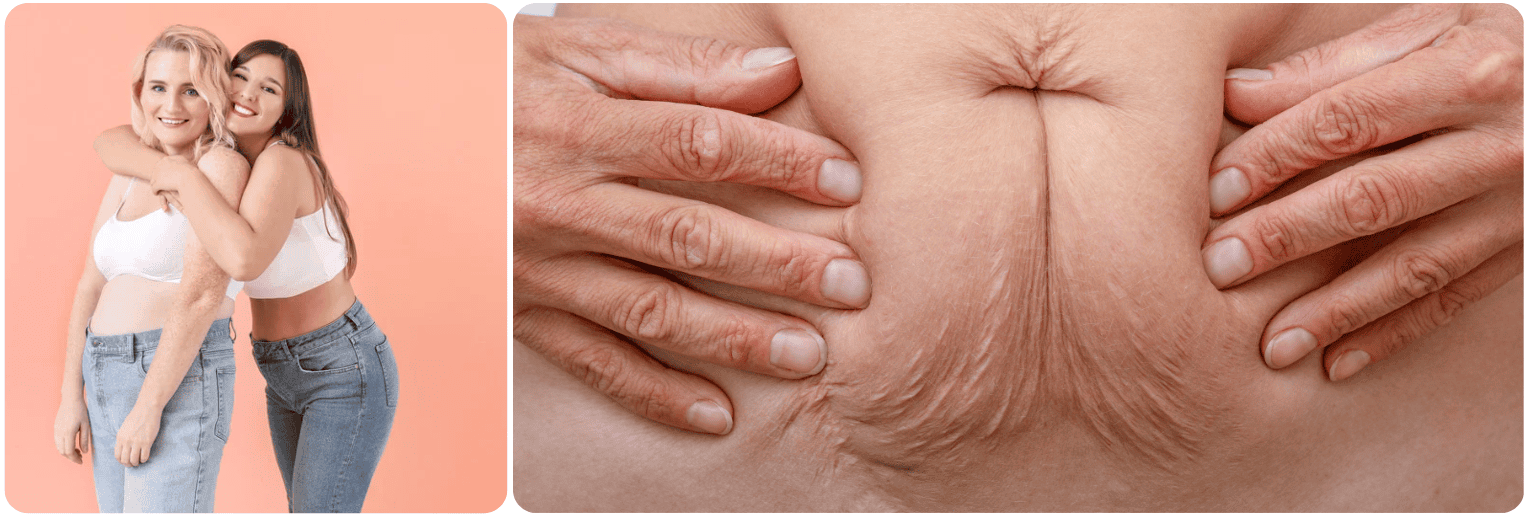
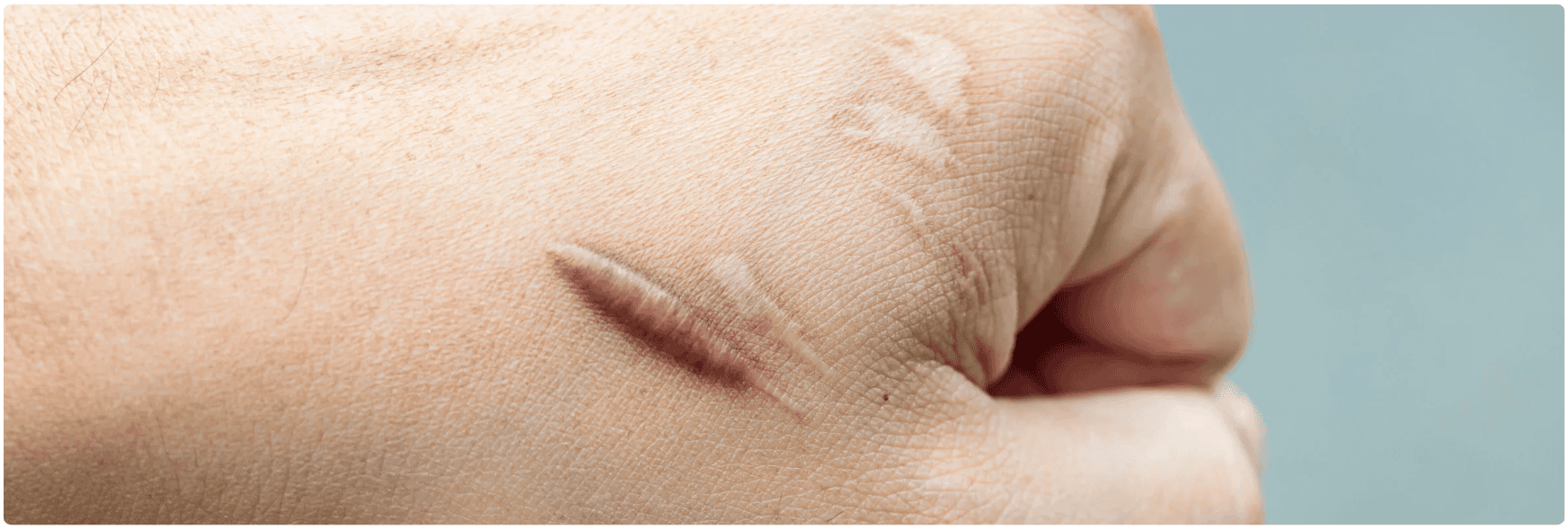
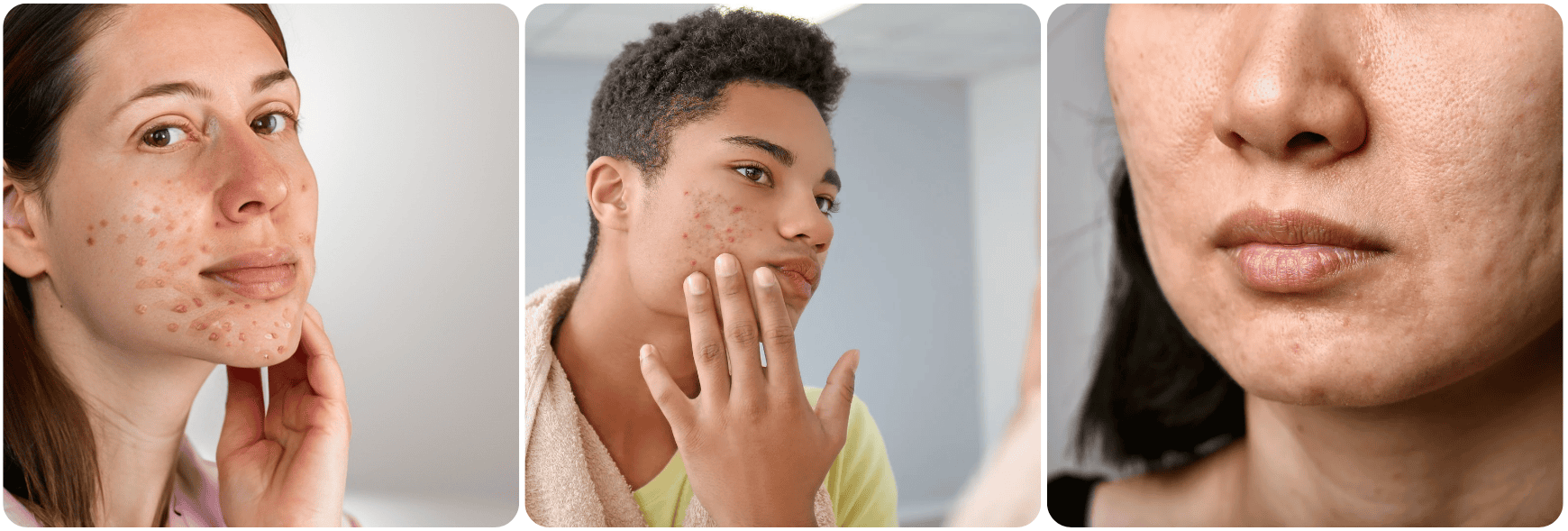
A stretch mark treatment focuses on reducing the visibility of stretch marks, which are also known as striae. Stretch marks occur when the skin stretches rapidly, such as during a growth spurt, pregnancy, or significant weight gain or loss. These changes in the skin’s structure cause thin scars to form, typically on the abdomen, thighs, hips, breasts, or arms. Initially, stretch marks are often red, purple, or pink, but over time they fade to a white or silvery color.
A stretch mark treatment focuses on reducing the visibility of stretch marks, which are also known as striae.
Various treatments are available to minimize the appearance of stretch marks, though no method can completely remove them. One of the most common approaches involves using creams or gels containing ingredients like retinoids or hyaluronic acid, which can improve skin texture and speed up the healing process. In addition, professional treatments such as laser therapy, microneedling, and chemical peels aim to stimulate collagen production and skin renewal. Laser therapy works by heating the skin's surface, promoting the growth of new, healthy skin cells, while microneedling creates tiny punctures in the skin to trigger the healing process.
Although these treatments can make stretch marks less noticeable, the results depend on several factors, such as the age of the stretch marks and the individual’s skin type. Older, white stretch marks tend to be more difficult to treat than newer, red or purple ones. Regular treatments and proper skin care can help firm the skin and improve the overall appearance of stretch marks. Ultimately, it is important to have realistic expectations, as stretch marks are unlikely to disappear completely, but they can significantly fade with the right treatment approach.
Stretch marks, also known as striae, are a common skin concern for many, especially after pregnancy, rapid weight changes, or during periods of growth like puberty. These marks often appear as streaks of discolored skin and can impact one's confidence, particularly when they’re highly visible on areas like the abdomen, thighs, or arms. While stretch marks themselves pose no health risks, they can be difficult to treat with over-the-counter creams and lotions. Stretch mark treatment, particularly using advanced techniques like laser therapy or microneedling, offers a more effective solution.
Stretch marks, also known as striae, are a common skin concern for many, especially after pregnancy, rapid weight changes, or during periods of growth like puberty.
These treatments work to improve the skin's elasticity and encourage the regeneration of collagen, which helps to reduce the visibility of the marks over time. Many people choose stretch mark treatments to regain smoother, more even-toned skin, allowing them to feel more comfortable in their bodies again. These treatments are a proactive way to tackle an issue that can often feel unchangeable, giving people renewed confidence in their appearance.
Daily skincare can significantly enhance the results of stretch mark treatment, especially when focused on hydration and barrier repair. While topical products cannot remove stretch marks on their own, they help maintain elasticity and improve surface smoothness between sessions.
Helpful ingredients to look for include:
👉 Hyaluronic acid for moisture retention
👉 Ceramides to strengthen the skin barrier
👉 Peptides to support regeneration
👉 Vitamin E for antioxidant protection
👉 Plant-based extracts for soothing inflammation
Used consistently, these products create a healthier environment for collagen rebuilding.
Stretch mark treatments vary depending on the severity of the marks and the type of technology used, but they all aim to improve the skin’s appearance by promoting collagen production and skin renewal. A common method is laser therapy, where targeted beams of light penetrate the skin to break down scar tissue while encouraging new, healthy skin growth. This treatment is relatively quick, often lasting about 30 to 60 minutes, depending on the area being treated.
Another popular option is microneedling, which involves the use of fine needles to create micro-injuries in the skin. These tiny injuries trigger the body’s healing response, boosting collagen and elastin production. Before any procedure begins, the area is cleansed, and a numbing cream may be applied to reduce discomfort.
The treatments are generally well-tolerated, with patients experiencing only minor redness or swelling afterward. Multiple sessions are often recommended for optimal results, as stretch marks can be stubborn and may require consistent treatment to see significant improvement. Recovery is usually minimal, with patients returning to their normal activities shortly after each session.
Different body zones respond differently to stretch mark treatment due to variations in skin thickness and movement. Areas such as the hips and thighs often show quicker improvement, while highly mobile regions like the abdomen may require additional sessions.
This variation explains why treatment plans usually differ per body area. Professionals adjust energy settings, session frequency, and technique depending on location. Treating each zone individually allows for more controlled healing and better overall symmetry.
A single stretch mark treatment session rarely delivers dramatic change. Instead, improvements accumulate over time through a series of treatments spaced weeks apart. This spacing allows collagen to mature before being stimulated again, preventing overstimulation while encouraging steady regeneration.
Typical programs follow a structured timeline that balances recovery with progress. Patients often notice subtle changes early on, with more visible smoothing after several sessions. Patience is key, as collagen remodeling continues even after treatments are completed.
Proper hydration plays a surprisingly important role in stretch mark treatment outcomes. Well-hydrated skin responds better to energy-based therapies and heals more efficiently afterward. Dehydrated skin, on the other hand, may appear dull and recover more slowly.
Simple habits that support hydration include:
👉 Drinking adequate water daily
👉 Using emollient-rich body creams
👉 Avoiding overly hot showers
👉 Applying moisturizers immediately after bathing
👉 Limiting alcohol and excessive caffeine
These small adjustments can noticeably improve skin texture during treatment.
Many clinics offer combined stretch mark treatment approaches for optimal results. Combining procedures allows different skin issues to be addressed simultaneously:
Laser therapy for scar tissue and pigmentation
Microneedling to promote collagen and elastin
Topical retinoids or serums to support healing
Radiofrequency for skin tightening
Chemical peels to improve texture and tone
This multi-step approach often accelerates improvement, especially for long-standing or severe stretch marks, making skin appear smoother and more even.
Stretch mark treatments offer a variety of benefits beyond just reducing the appearance of the marks themselves. One of the most appreciated advantages is that these treatments are non-invasive or minimally invasive, meaning there’s little to no downtime required. This makes it an appealing option for those with busy schedules. Another significant benefit is the lasting results. While treatments like microneedling or laser therapy may require several sessions, the improvements to skin texture, firmness, and overall appearance can be long-lasting, especially with proper aftercare. Many patients report that their skin feels smoother and looks more even-toned, giving them a renewed sense of self-confidence.
Stretch mark treatments offer a variety of benefits beyond just reducing the appearance of the marks themselves.
Additionally, by stimulating collagen and elastin, these treatments help the skin become more resilient, potentially preventing future stretch marks from forming. The psychological boost from seeing your skin improve is just as important as the physical changes, as it can help people feel more comfortable in their own skin and confident in their appearance.
Microneedling is an increasingly popular stretch mark treatment due to its minimal invasiveness and natural skin regeneration effects. Fine needles create controlled micro-injuries, prompting the body to produce new collagen and elastin. This treatment improves skin firmness and elasticity over time.
It is safe for most skin types and can be combined with topical serums to boost results. Multiple sessions spaced weeks apart are typically needed for noticeable improvement. Microneedling is particularly effective for treating newer red or purple stretch marks.
Stretch mark treatment is suitable for individuals who are bothered by the appearance of stretch marks and want to improve their skin’s texture and tone. Ideal candidates are generally in good health, have stable body weight, and realistic expectations about the results. Treatments are most effective on newer stretch marks that are red, pink, or purple, as these are still in the inflammatory phase and respond better to collagen-boosting techniques like laser therapy and microneedling. However, even older white or silvery marks can see noticeable improvement with repeated sessions and consistent care.
Stretch mark treatment is suitable for individuals who are bothered by the appearance of stretch marks and want to improve their skin’s texture and tone.
The best candidates are also those who understand that while treatments can significantly reduce the appearance of stretch marks, complete removal is unlikely. Patients with darker skin tones should consult a qualified provider to ensure the chosen treatment method is safe and effective for their skin type, as some lasers can cause pigmentation changes. Ultimately, anyone who wants smoother, firmer-looking skin and is willing to commit to a treatment plan may benefit from stretch mark therapy.
There are several stretch mark treatment options, each with unique advantages depending on skin type, mark severity, and desired outcomes. Laser therapy is one of the most advanced methods, using fractional lasers to resurface the skin and stimulate new collagen. It’s especially effective for newer, red stretch marks. Microneedling, on the other hand, is a mechanical approach that works well across all skin tones and types, promoting natural skin regeneration through controlled skin injury.
Chemical peels can also be used to exfoliate the top layers of skin and improve tone and texture, though they may be better suited for milder cases. Radiofrequency treatments are a non-invasive option that use heat to tighten the skin and improve elasticity, often combined with microneedling for enhanced results. Topical treatments with retinoids or hyaluronic acid may also be recommended to support the skin’s healing process. Choosing the right treatment often involves a professional skin assessment to tailor the approach to your individual needs.
Before undergoing any stretch mark treatment, you’ll typically have a consultation where the provider assesses your skin and discusses your goals. During the actual procedure—whether it’s laser, microneedling, or another technique—you may feel mild heat or tingling, but discomfort is usually minimal thanks to numbing creams or cooling devices. Sessions last between 30 and 60 minutes, depending on the treatment area.
After the treatment, you might notice redness, mild swelling, or sensitivity similar to a sunburn, but these side effects usually subside within a day or two. Your provider will recommend aftercare steps like moisturizing the area, avoiding sun exposure, and possibly using topical serums to enhance results. Most treatments require multiple sessions spaced several weeks apart for optimal results. While improvements can often be seen after the first session, the full benefits typically develop gradually as collagen continues to rebuild beneath the skin’s surface.
While no treatment can guarantee prevention, certain therapies used in stretch mark treatment may help strengthen the skin and reduce the likelihood of future marks. By stimulating collagen and elastin production, treatments like microneedling and laser therapy improve skin resilience, making it better able to withstand future stretching. This is particularly helpful for individuals planning pregnancy, starting a weight-training program, or undergoing body transformations where rapid skin stretching may occur.
While no treatment can guarantee prevention, certain therapies used in stretch mark treatment may help strengthen the skin and reduce the likelihood of future marks.
In addition, adopting a regular skincare routine that includes hydration, exfoliation, and the use of topical products with ingredients like hyaluronic acid or peptides can help maintain skin elasticity. Some patients schedule occasional maintenance sessions after their main treatment course to keep their skin firm and healthy. Though genetics and hormonal factors also play a role, a proactive approach can significantly reduce the risk or severity of future stretch marks.
Laser technology in stretch mark treatment continues to evolve, offering new ways to improve skin texture and reduce scar visibility. Advanced fractional lasers target microscopic areas of the skin, leaving surrounding tissue intact to speed up healing. Some lasers are specifically designed for deeper scars, while others focus on pigmentation and color correction. Multiple sessions are often required for optimal results.
Laser technology in stretch mark treatment continues to evolve, offering new ways to improve skin texture and reduce scar visibility.
Combining different laser types in a single treatment plan can enhance effectiveness, particularly for stubborn marks on the abdomen or thighs. Recovery is generally quick, and patients can return to normal activities almost immediately.
When considering stretch mark treatment, combining professional procedures with topical care can enhance outcomes. Key ingredients include:
Retinoids, which stimulate collagen production and improve skin texture
Hyaluronic acid, for hydration and plumping of the skin
Peptides, which support skin regeneration and elasticity
Centella asiatica extract, known for promoting wound healing and reducing inflammation
Vitamin C, which brightens the skin and supports collagen synthesis
Regular application of these products can complement laser or microneedling sessions, helping skin appear smoother and more even.
Chemical peels for stretch mark treatment work by exfoliating the skin’s top layers, encouraging renewal and improved texture. Superficial peels are suitable for mild stretch marks, while deeper peels target more pronounced scarring. The treatment can improve skin tone and stimulate collagen production.
Chemical peels for stretch mark treatment work by exfoliating the skin’s top layers, encouraging renewal and improved texture.
Recovery depends on the peel depth, with lighter peels requiring minimal downtime. Repeated sessions often yield the best results, particularly when combined with moisturizers and sun protection to maintain skin health.
Chemical peels for stretch mark treatment work by exfoliating the skin’s top layers, encouraging renewal and improved texture.
Radiofrequency (RF) treatments are a non-invasive option in stretch mark treatment, using heat to tighten the skin and stimulate collagen production. RF can be applied to larger areas such as the abdomen or thighs and works well on older stretch marks that have become white or silvery.
Sessions are relatively quick and usually painless, with minor redness as the only common side effect. RF is often combined with microneedling for enhanced results. Multiple treatments improve elasticity and firmness, helping reduce the visibility of stretch marks over time.
Not all stretch mark treatments are equally effective across every skin type. Skin tone and texture influence which procedure is safest and most effective. Darker skin tones may require lower-intensity lasers to avoid pigmentation changes, while lighter skin responds well to standard fractional lasers. Microneedling is generally safe across all skin types.
Not all stretch mark treatments are equally effective across every skin type.
Clinics often tailor treatment plans based on individual assessment, including stretch mark location, age, and skin elasticity, ensuring safer and more effective results.
Postpartum stretch mark treatment is particularly common, as pregnancy frequently leaves visible striae on the abdomen, hips, and thighs. Treatments like laser therapy and microneedling help restore elasticity and improve the skin’s appearance. Multiple sessions may be required depending on how long the stretch marks have been present. Combining treatment with moisturizing and gentle exfoliation can accelerate recovery. Many new mothers notice smoother, firmer skin and enhanced confidence after completing their course.
Recent innovations in stretch mark treatment focus on non-invasive methods that stimulate skin healing without downtime. Devices using pulsed electromagnetic fields, low-level light therapy, or ultrasound are increasingly popular. These technologies promote collagen and elastin production while improving blood circulation to the affected areas.
Non-invasive options are suitable for patients seeking minimal discomfort and no recovery period. They can be used alone or alongside more traditional therapies for improved outcomes.
Although often associated with pregnancy, stretch mark treatment is also relevant for men, particularly those who experience rapid weight gain, bodybuilding, or growth spurts. Treatment options are largely the same as for women, including laser therapy, microneedling, and topical serums. The effectiveness depends on skin type, mark age, and treatment consistency. Men can benefit from improved skin texture and reduced visibility of stretch marks on the abdomen, arms, and chest.
Different areas of the body respond differently to stretch mark treatment. Common treatment zones include the abdomen, thighs, hips, arms, and breasts. Areas with thinner skin may require gentler approaches, while thicker regions can tolerate more aggressive therapies. Treatments can be tailored to each zone’s needs, ensuring optimal results for skin texture, elasticity, and appearance.
A modern stretch mark treatment relies heavily on collagen remodeling, which is the process of rebuilding damaged skin fibers beneath the surface. When stretch marks form, collagen and elastin structures become disrupted, leading to visible lines and uneven texture. Advanced treatments aim to reactivate these natural repair mechanisms, allowing the skin to regenerate gradually. This is why results often appear progressively over several weeks rather than immediately after one session.
A modern stretch mark treatment relies heavily on collagen remodeling, which is the process of rebuilding damaged skin fibers beneath the surface.
As collagen production increases, skin becomes firmer, smoother, and more resilient. This deeper regeneration is what separates professional procedures from basic topical creams. Over time, consistent stimulation of collagen can significantly soften the appearance of striae and improve overall skin quality. For long-term success, most protocols combine in-clinic procedures with supportive home care, creating a layered approach to skin recovery.
Timing plays a surprisingly large role in the effectiveness of stretch mark treatment. Newly formed stretch marks—often red or purple—still contain active blood vessels and inflammatory processes, making them more responsive to therapy. Treating them early can shorten recovery time and improve final outcomes.
Timing plays a surprisingly large role in the effectiveness of stretch mark treatment.
Older stretch marks, which appear white or silvery, are more fibrotic and require additional sessions. While they can still improve, progress tends to be slower. Early action allows treatments to target living tissue rather than mature scar tissue. This is one of the main reasons professionals often recommend starting therapy as soon as stretch marks become noticeable.
Not everyone responds to stretch mark treatment in the same way, and biology plays a major role. Hormonal balance, genetics, age, and skin thickness all influence how quickly collagen regenerates. Even lifestyle habits such as hydration levels and nutrient intake can affect healing speed.
Some important internal factors include:
👉 Natural collagen production capacity
👉 Circulation in the treated area
👉 Hormonal changes (such as during pregnancy or puberty)
👉 Individual inflammatory response
👉 Skin elasticity and thickness
Understanding these variables helps explain why personalized treatment plans usually deliver better results than one-size-fits-all approaches.
Stretch marks affect multiple skin layers, which is why effective stretch mark treatment often targets both superficial and deeper tissue. Surface-level treatments mainly improve tone and texture, while deeper technologies stimulate structural repair. Combining methods allows practitioners to address pigment changes and scar depth simultaneously.
Deeper stimulation is especially important for stretch marks on areas like the abdomen or thighs, where skin is thicker. Tailoring energy levels and needle depth ensures that each body area receives appropriate treatment intensity, reducing risks while maximizing visible improvement.
Athletes and individuals undergoing physical transformation often seek stretch mark treatment due to rapid muscle growth or weight fluctuations. Stretch marks in these cases commonly appear on shoulders, arms, chest, or thighs. Because the skin has stretched quickly, deeper therapies are often needed to restore elasticity.
Consistent maintenance becomes especially important for this group. Stabilizing body weight and continuing supportive skincare can help preserve results and reduce the risk of new marks forming during training cycles.
While stretch mark treatment can significantly improve texture and visibility, it does not completely erase marks. Understanding this helps set achievable goals and prevents disappointment. Most people experience softening of lines, improved tone, and smoother skin rather than total removal.
Progress is gradual and varies by individual. Viewing treatment as skin improvement rather than perfection leads to higher satisfaction and better long-term commitment to maintenance routines.
Maintaining results after stretch mark treatment depends largely on lifestyle consistency. Sudden weight changes or hormonal shifts can create new stretch marks even after successful therapy. A stable routine supports the skin’s rebuilt structure.
Helpful habits include:
👉 Avoiding rapid weight fluctuations
👉 Eating protein-rich foods for collagen support
👉 Staying physically active
👉 Protecting skin from UV exposure
👉 Continuing moisturizing routines
These measures reinforce professional results and promote healthier skin overall.
When researching stretch mark treatment, many people turn to independent platforms such as surgerybooking.com to compare procedures and learn about available technologies. While platforms like this don’t provide treatments themselves, they can help users understand options, terminology, and general expectations.
Having access to structured information allows individuals to make more informed decisions and better understand how different approaches address stretch marks. This educational step often leads to clearer goals and more productive consultations later on.
Sustained improvements in stretch mark treatment depend on following a consistent regimen. While multiple sessions are often needed, long-term outcomes include smoother, firmer, and more evenly toned skin. Maintaining a healthy lifestyle, using topical treatments, and avoiding sudden weight fluctuations help preserve results. Occasional maintenance sessions can further enhance longevity and prevent new marks from developing.
Although stretch mark treatment focuses on existing marks, preventive measures support long-term skin health. Recommendations include:
Keeping skin hydrated with creams or oils
Eating a nutrient-rich diet to support collagen production
Gradually adjusting weight to minimize rapid stretching
Exercising to improve skin elasticity
Avoiding harsh chemical or abrasive products on sensitive skin
These measures complement professional treatment and help maintain smoother, resilient skin.
During your consultation, you will discuss your wishes, medical history, and expectations with the doctor. The doctor will examine you, take measurements if necessary, and explain which treatment suits you best, including risks and recovery. You will have the opportunity to ask questions and then receive a clear treatment proposal.
Make sure you have all relevant medical information ready, such as previous treatments, allergies, or medical conditions. This allows the doctor to give you better advice.
Payment is made securely via SurgeryBooking. You pay the amount in advance to SurgeryBooking. We hold the funds and transfer them to the clinic after your treatment. Cancellation or change conditions vary per clinic and are clearly communicated in advance.
During the consultation (online or at the clinic), the doctor will assess this based on your health, expectations, and physical characteristics. You will discuss what you want, what is possible, and what the limitations are. Sometimes there are alternatives if the chosen treatment is not ideal.
Through SurgeryBooking.com, you can quickly and easily book a consultation or procedure with doctors and clinics worldwide. SurgeryBooking.com provides an overview of doctors and clinics, allowing you to make an informed and transparent choice when booking a consultation or procedure.
You can easily book through the profile of the desired clinic or doctor. Select the desired treatment, enter your details, and choose an available date and time. If there are any costs involved, you will complete the payment first. Afterwards, you will receive a confirmation email with all the details.
Yes, during the booking process, you can indicate whether you prefer an online consultation or an in-person consultation at the clinic.
With SurgeryBooking.com, you gain access to a global network of doctors and clinics. Through SurgeryBooking.com, you can easily book a consultation or a cosmetic procedure directly. Clinic profiles provide information about available cosmetic procedures, reviews, photos of the clinic, and other relevant details. This enables you to compare costs and make an informed decision when booking a consultation or procedure.