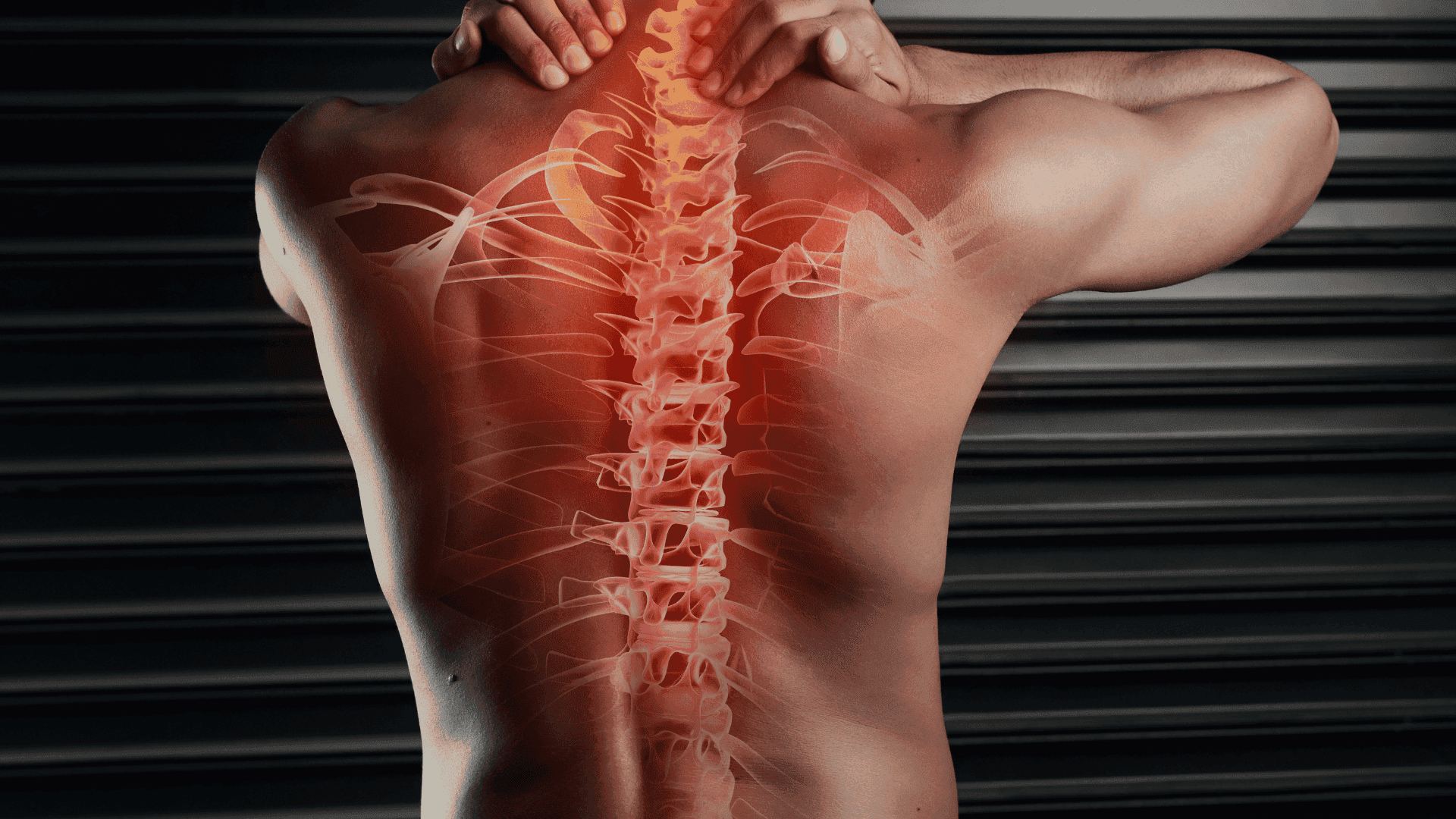
Spinal fusion is a surgical procedure in which two or more vertebrae in the spine are permanently joined together, eliminating movement between them. This surgery is often performed to reduce pain and instability in the spine, typically caused by conditions such as herniated discs, degenerative disc disease, scoliosis, or spinal fractures. The main goal of spinal fusion is to restrict the motion between the affected vertebrae, which can help prevent further damage or irritation to surrounding nerves and tissues.
During the procedure, metal implants such as screws, rods, or plates are used to hold the vertebrae in place while they heal and fuse together. In many cases, bone grafts are also used to promote the fusion process. This graft material can come from the patient's own body (autograft), from a donor (allograft), or from synthetic sources.
Recovery from spinal fusion can take several months, as the bones need time to heal and fuse properly to provide long-term stability. While the surgery can help alleviate pain and strengthen the spine, it also results in some loss of natural flexibility in that section of the spine. Therefore, spinal fusion is often considered only when other treatments, such as physical therapy or pain medication, have not been effective. In some cases, complications may arise, such as infection, issues with the implants, or failure of the bones to fuse correctly, which could lead to the need for additional surgery.
Spinal fusion is a surgical procedure often chosen by individuals suffering from chronic back pain caused by conditions such as degenerative disc disease, spinal stenosis, spondylolisthesis, or severe trauma. It is designed to stabilize the spine by permanently joining two or more vertebrae, preventing movement in the affected area that can lead to pain or neurological issues. People who opt for spinal fusion often do so after exhausting non-surgical options like physical therapy, pain management injections, or medications.
One of the main reasons to consider spinal fusion is its ability to provide lasting relief for pain that originates from instability in the spine. Conditions like slipped vertebrae or severe arthritis can create painful motion between vertebrae, compressing nerves and leading to debilitating symptoms. By fusing the affected vertebrae, the procedure eliminates this movement and alleviates associated pain. This is especially beneficial for individuals whose quality of life is significantly impaired, as it allows them to return to daily activities with reduced discomfort.
Spinal fusion is also chosen for its role in addressing structural issues in the spine, such as deformities caused by scoliosis or kyphosis. By correcting misalignment and creating a stable framework, the procedure can prevent the progression of spinal curvature and improve posture and mobility. In cases where nerve compression is a contributing factor, spinal fusion can be combined with decompression procedures, further enhancing its effectiveness. For patients who experience significant back instability or deformity, spinal fusion can be life-changing.
Spinal fusion is performed under general anesthesia and typically takes several hours, depending on the complexity of the case. The surgery begins with the surgeon accessing the affected area of the spine through an incision. The approach—anterior (from the front), posterior (from the back), or lateral (from the side)—depends on the location of the problem and the specific technique being used. Once the spine is exposed, the surgeon prepares the vertebrae for fusion by removing any damaged or diseased tissue, such as intervertebral discs, that are contributing to instability.
The next step involves inserting bone graft material between the vertebrae to promote fusion. This graft material may come from the patient’s own body (autograft), a donor (allograft), or synthetic materials designed to stimulate bone growth. To enhance stability while the fusion takes place, the surgeon secures the vertebrae using hardware such as screws, rods, or plates. This instrumentation keeps the vertebrae immobile, allowing the bones to grow together over time.
In some cases, the surgeon may use minimally invasive techniques to perform the procedure, reducing incision size and recovery time. The choice between open surgery and minimally invasive methods depends on factors like the severity of the condition and the patient’s overall health. After the procedure is completed, the incision is closed, and the patient is moved to a recovery area. Hospital stays typically range from a few days to a week, depending on the extent of the surgery and the patient’s progress.
Recovery from spinal fusion involves a combination of rest, physical therapy, and gradual return to normal activities. The fusion process itself can take several months as the bone graft integrates with the surrounding vertebrae. Patients are typically advised to avoid heavy lifting or strenuous activities during this period to allow proper healing. Pain and stiffness are common in the early stages of recovery, but these symptoms usually improve over time.
Spinal fusion offers significant benefits for individuals suffering from chronic back pain and spinal instability. One of its primary advantages is the ability to provide lasting relief by addressing the root cause of pain. By permanently stabilizing the affected vertebrae, spinal fusion eliminates painful movement, reduces nerve irritation, and allows for a more functional and pain-free lifestyle. This is especially valuable for individuals who have been limited in their daily activities or unable to find relief through non-surgical treatments.
Another major benefit of spinal fusion is its role in correcting deformities and improving spinal alignment. Conditions like scoliosis or severe spinal curvature can cause pain, mobility issues, and cosmetic concerns. Spinal fusion not only halts the progression of these conditions but also restores proper alignment, enhancing both function and appearance. This improvement can lead to better posture, reduced strain on surrounding muscles, and greater overall comfort.
For patients with nerve compression caused by conditions like herniated discs or spinal stenosis, spinal fusion can be combined with decompression procedures to address multiple issues in one surgery. This combination approach not only stabilizes the spine but also alleviates pressure on the spinal cord or nerve roots, reducing symptoms like numbness, weakness, or radiating pain.
The durability of spinal fusion is another key advantage. Unlike temporary measures such as injections or braces, the results of spinal fusion are permanent. Once the vertebrae are fused, they remain stable, providing a long-term solution for pain and instability. This allows patients to focus on rehabilitation and building strength without the concern of recurring instability or worsening symptoms.
Finally, the psychological and emotional benefits of spinal fusion can be profound. Chronic back pain often affects not just physical health but also mental well-being, leading to frustration, anxiety, or depression. By significantly reducing pain and improving mobility, spinal fusion can restore a sense of normalcy and independence, empowering patients to regain control over their lives. The improved quality of life and the ability to engage in activities that were previously impossible make spinal fusion a transformative option for many individuals.
Spinal fusion is often considered when chronic back pain is directly linked to spinal instability or structural damage. Unlike temporary treatments, this procedure aims to permanently stabilize the affected spinal segment. By eliminating motion between problematic vertebrae, irritation of surrounding nerves and tissues can be significantly reduced. This is particularly relevant for people with degenerative disc disease or vertebral slippage. Over time, abnormal movement can worsen inflammation and pain, making stabilization necessary. Spinal fusion focuses on addressing the mechanical source of pain rather than masking symptoms.
From a long-term perspective, spinal fusion can help prevent further deterioration of the spine. Although flexibility is reduced in the fused area, nearby spinal segments usually compensate over time. Many patients find that reduced pain outweighs the loss of motion. The procedure is therefore viewed as a structural correction rather than a quick fix. When performed for the right indications, spinal fusion can support improved daily function and mobility.
Spinal fusion is used to manage a range of spinal disorders that cause pain, instability, or deformity. These conditions often share a common factor: excessive or abnormal motion between vertebrae. When conservative care fails, fusion may be considered to restore stability. Each condition requires careful evaluation to determine whether fusion is appropriate.
👉 Degenerative disc disease causing segmental instability
👉 Spondylolisthesis with vertebral slippage
👉 Severe scoliosis or spinal deformities
👉 Spinal fractures affecting alignment
By addressing these conditions, spinal fusion aims to reduce pain while preventing further spinal damage. The decision depends on imaging results, symptoms, and overall health. Not every spinal issue requires fusion, which is why careful diagnosis is essential.
Non-surgical treatments are typically the first line of care for back pain. Physical therapy, medication, and injections can help manage inflammation and muscle tension. However, these methods do not correct structural instability. When pain persists despite months of conservative care, spinal fusion may be considered.
The key difference is that spinal fusion changes the structure of the spine. Non-surgical options aim to manage symptoms, while fusion aims to remove the source of mechanical pain. This distinction is important when evaluating long-term outcomes. For patients with true instability, surgery may offer more durable relief. Understanding this difference helps set realistic expectations.
There are several surgical approaches used in spinal fusion, depending on the location and severity of the condition. Each technique has specific advantages and considerations. The choice is based on anatomy, diagnosis, and surgical goals.
👉 Posterior spinal fusion (from the back)
👉 Anterior spinal fusion (from the front)
👉 Lateral spinal fusion (from the side)
👉 Minimally invasive spinal fusion techniques
Although techniques differ, the goal of spinal fusion remains the same: stabilizing the spine. Advances in technology have improved precision and reduced tissue damage. This has contributed to more predictable outcomes over time.
Bone grafts are essential to the success of spinal fusion because they promote bone growth between vertebrae. Without proper fusion, stability cannot be achieved. Grafts act as a bridge that allows bone to grow and solidify the segment. This process takes time and varies between individuals.
Graft material can come from the patient, a donor, or synthetic alternatives. Each option has advantages and limitations. The choice depends on surgical preference and patient factors. Successful spinal fusion relies heavily on proper bone healing. This is why post-operative care is so important.
Recovery after spinal fusion is gradual and requires patience. In the early weeks, the focus is on pain control and basic mobility. Walking is often encouraged soon after surgery to support circulation. However, heavy lifting and twisting are restricted.
Bone fusion itself can take several months. During this period, physical therapy helps restore strength and flexibility in surrounding muscles. Although progress may feel slow, each stage supports long-term stability. A successful spinal fusion recovery balances protection and movement. Following guidance closely helps reduce complications.
One of the most common concerns about spinal fusion is loss of flexibility. Fusion eliminates motion at a specific spinal segment. This can feel restrictive at first, especially for active individuals. However, most daily movements rely on multiple spinal levels.
Over time, adjacent segments often compensate for the fused area. Many people report improved overall mobility because pain is reduced. While extreme flexibility may be limited, functional movement usually improves. Spinal fusion aims to trade painful motion for stable, comfortable movement.
Like all surgical procedures, spinal fusion carries risks. Understanding these risks helps patients make informed decisions. Complications are not common but should be considered carefully.
👉 Infection at the surgical site
👉 Failure of the bones to fuse properly
👉 Hardware irritation or loosening
👉 Nerve-related symptoms
Proper surgical technique and post-operative care reduce these risks. Patient health, smoking status, and activity level also influence outcomes. A well-planned spinal fusion minimizes complications and supports healing.
Long-term results of spinal fusion depend on the underlying condition and surgical accuracy. Many patients experience significant pain reduction and improved stability. These improvements often translate into better quality of life.
However, spinal fusion does not stop the natural aging process. Adjacent spinal segments may experience increased stress over time. Regular monitoring and healthy movement habits are important. When expectations are realistic, spinal fusion can offer durable benefits.
Chronic back pain can affect sleep, mood, and independence. Spinal fusion is often chosen to restore a sense of normalcy. Reduced pain allows people to engage more fully in daily activities. This includes work, hobbies, and social interaction.
Emotional well-being often improves as physical limitations decrease. While recovery requires commitment, the long-term goal is functional improvement. Spinal fusion can support both physical and psychological recovery when appropriately indicated.
Rehabilitation plays a crucial role in spinal fusion success. Physical therapy focuses on strengthening muscles that support the spine. Core stability becomes especially important after fusion.
👉 Guided mobility exercises
👉 Posture and body mechanics training
👉 Gradual strength building
👉 Education on safe movement patterns
This structured approach protects the fused segment while improving overall function. Rehabilitation helps patients adapt to changes caused by spinal fusion and regain confidence in movement.
Spinal fusion is not a cure-all for every type of back pain. It is most effective when pain is clearly linked to instability. Understanding this helps prevent disappointment. Pain relief is often significant, but not always complete.
Clear communication and realistic goals are essential. Spinal fusion aims to improve stability and reduce pain, not create a perfect spine. When expectations align with outcomes, patient satisfaction is generally higher.
During your consultation, you will discuss your wishes, medical history, and expectations with the doctor. The doctor will examine you, take measurements if necessary, and explain which treatment suits you best, including risks and recovery. You will have the opportunity to ask questions and then receive a clear treatment proposal.
Make sure you have all relevant medical information ready, such as previous treatments, allergies, or medical conditions. This allows the doctor to give you better advice.
Payment is made securely via SurgeryBooking. You pay the amount in advance to SurgeryBooking. We hold the funds and transfer them to the clinic after your treatment. Cancellation or change conditions vary per clinic and are clearly communicated in advance.
During the consultation (online or at the clinic), the doctor will assess this based on your health, expectations, and physical characteristics. You will discuss what you want, what is possible, and what the limitations are. Sometimes there are alternatives if the chosen treatment is not ideal.
Through SurgeryBooking.com, you can quickly and easily book a consultation or procedure with doctors and clinics worldwide. SurgeryBooking.com provides an overview of doctors and clinics, allowing you to make an informed and transparent choice when booking a consultation or procedure.
You can easily book through the profile of the desired clinic or doctor. Select the desired treatment, enter your details, and choose an available date and time. If there are any costs involved, you will complete the payment first. Afterwards, you will receive a confirmation email with all the details.
Yes, during the booking process, you can indicate whether you prefer an online consultation or an in-person consultation at the clinic.
With SurgeryBooking.com, you gain access to a global network of doctors and clinics. Through SurgeryBooking.com, you can easily book a consultation or a cosmetic procedure directly. Clinic profiles provide information about available cosmetic procedures, reviews, photos of the clinic, and other relevant details. This enables you to compare costs and make an informed decision when booking a consultation or procedure.