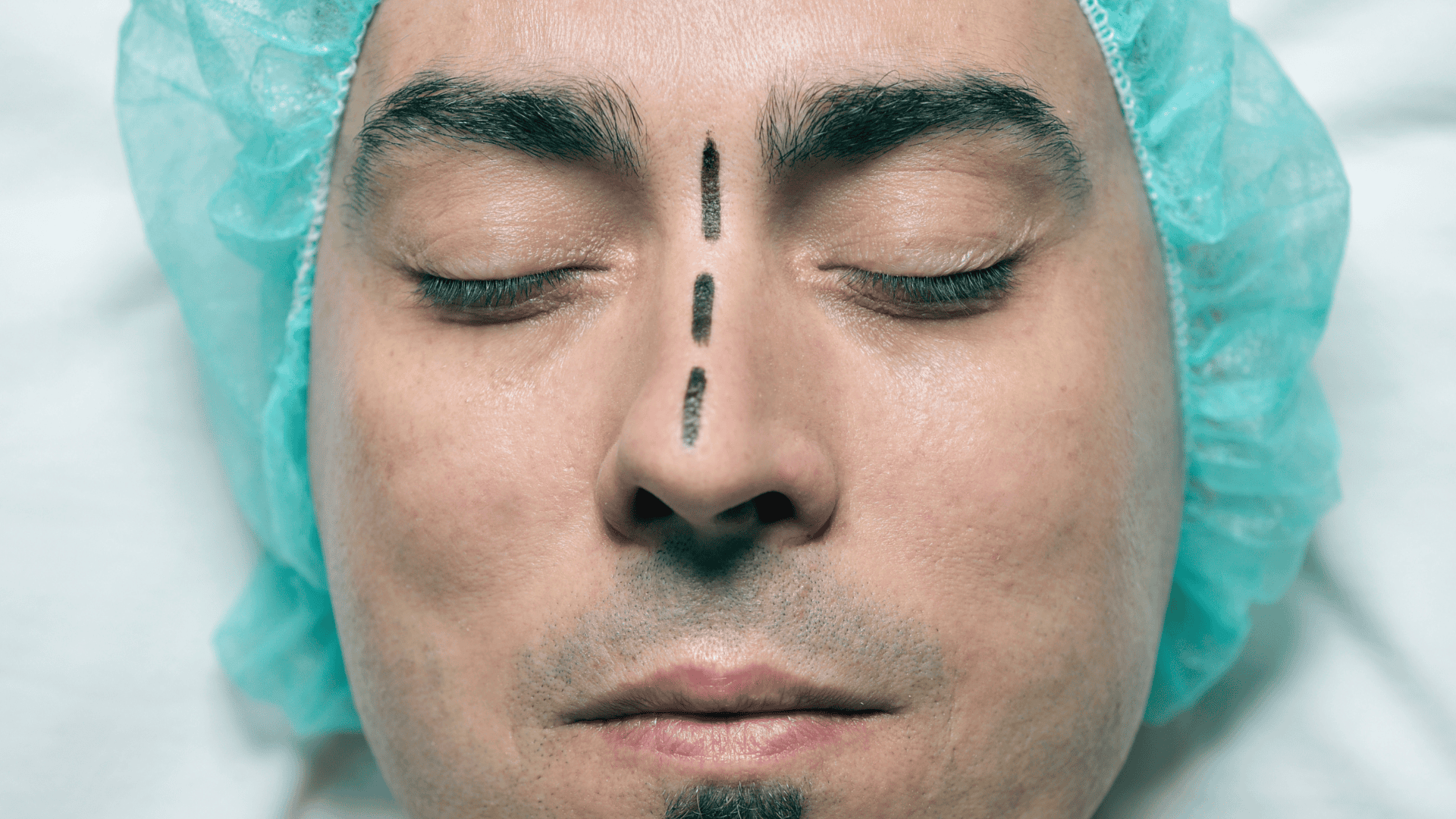
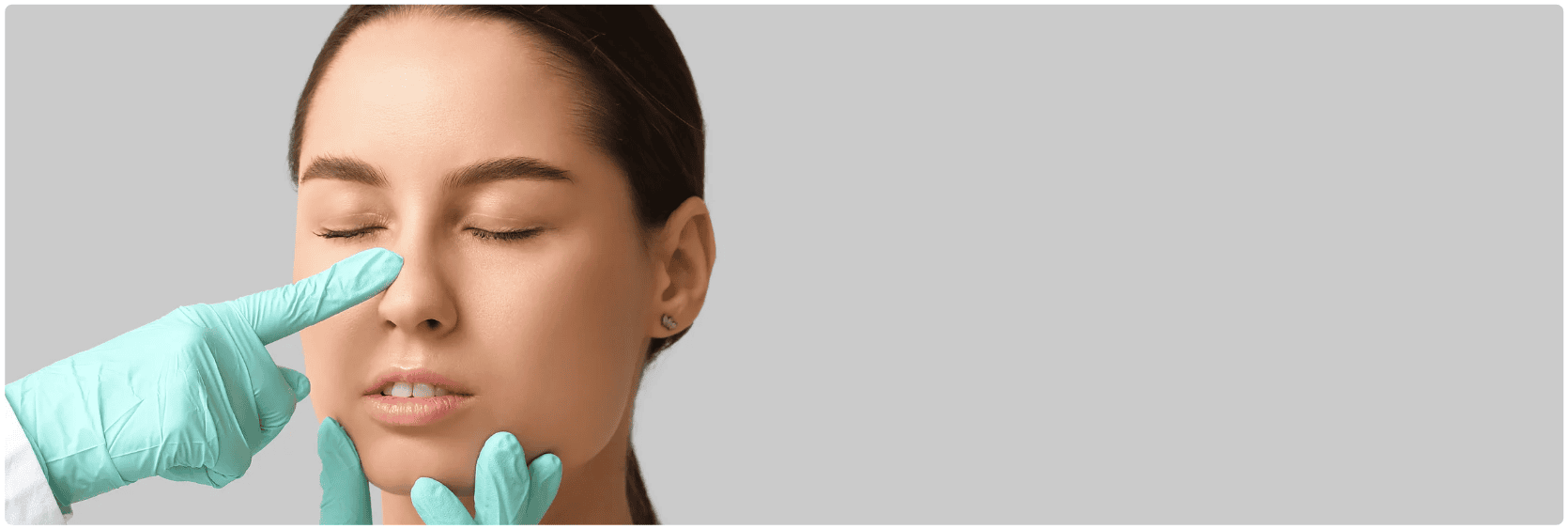
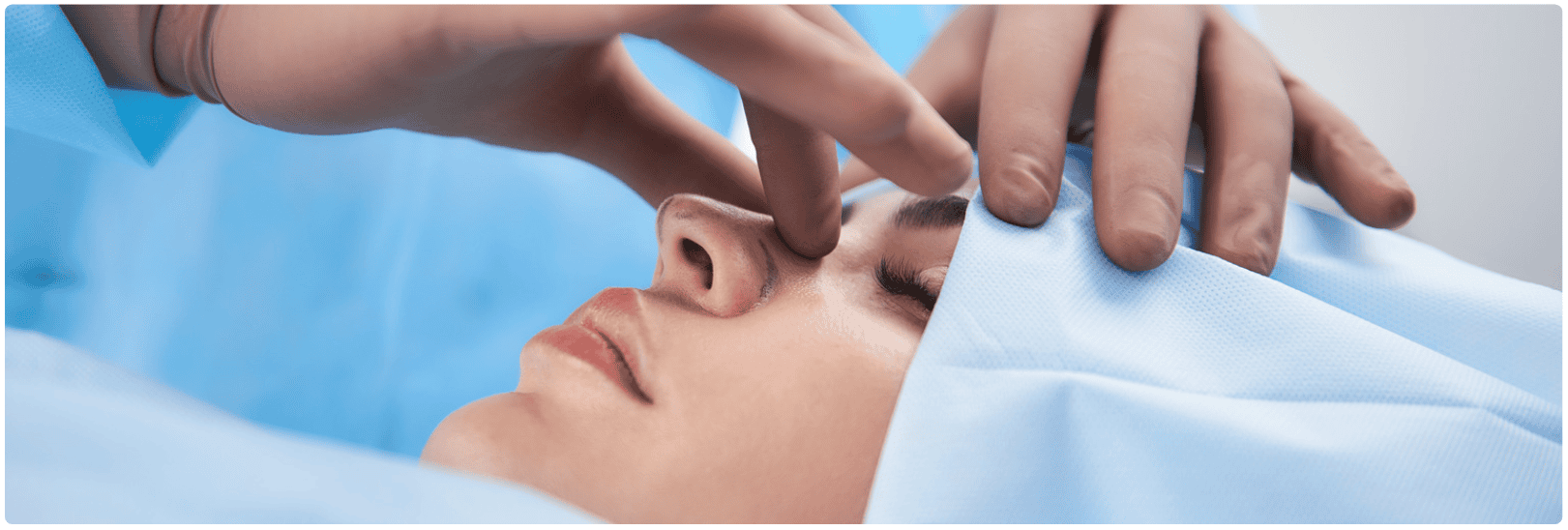
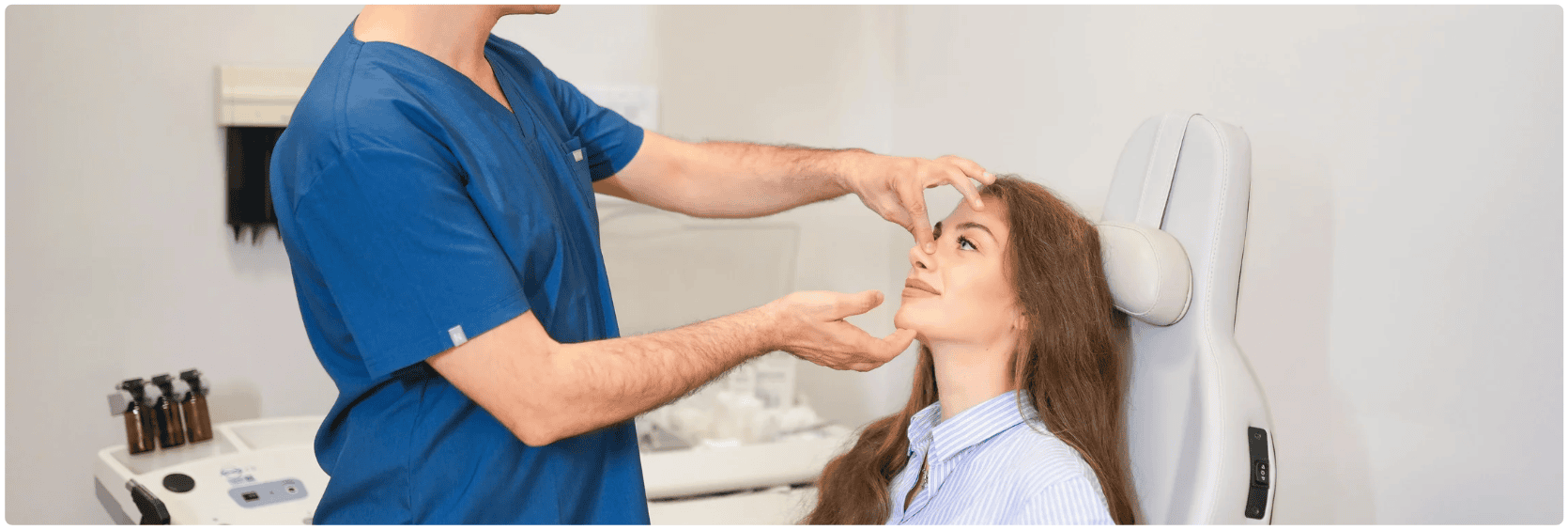
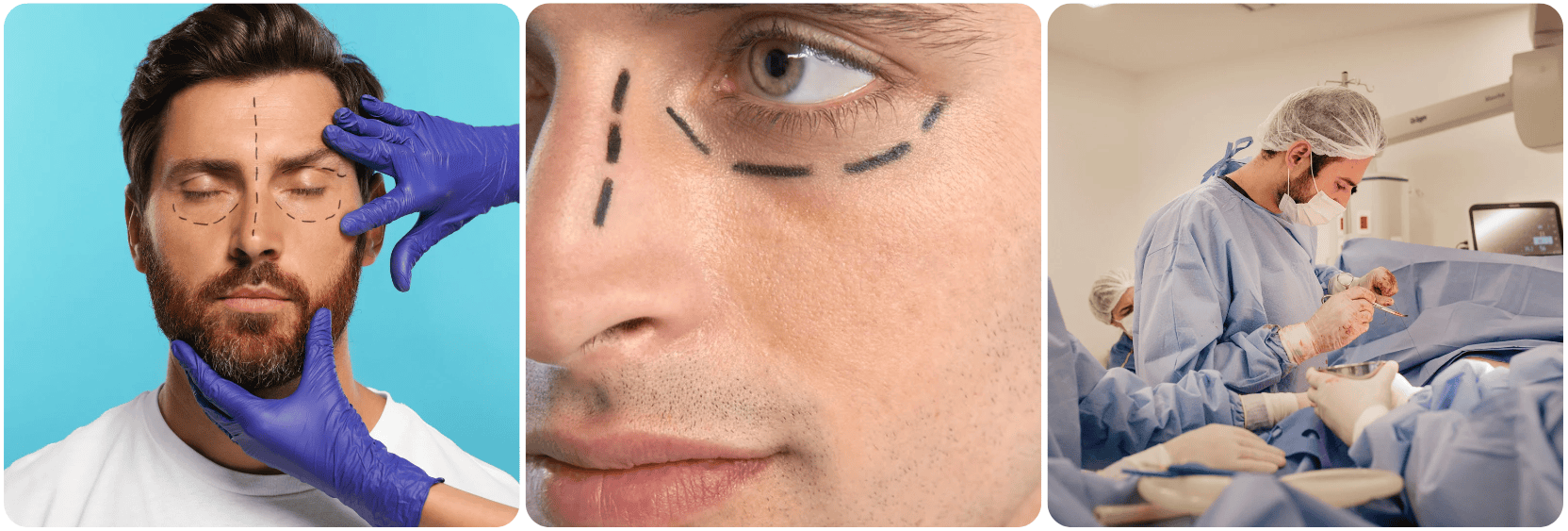
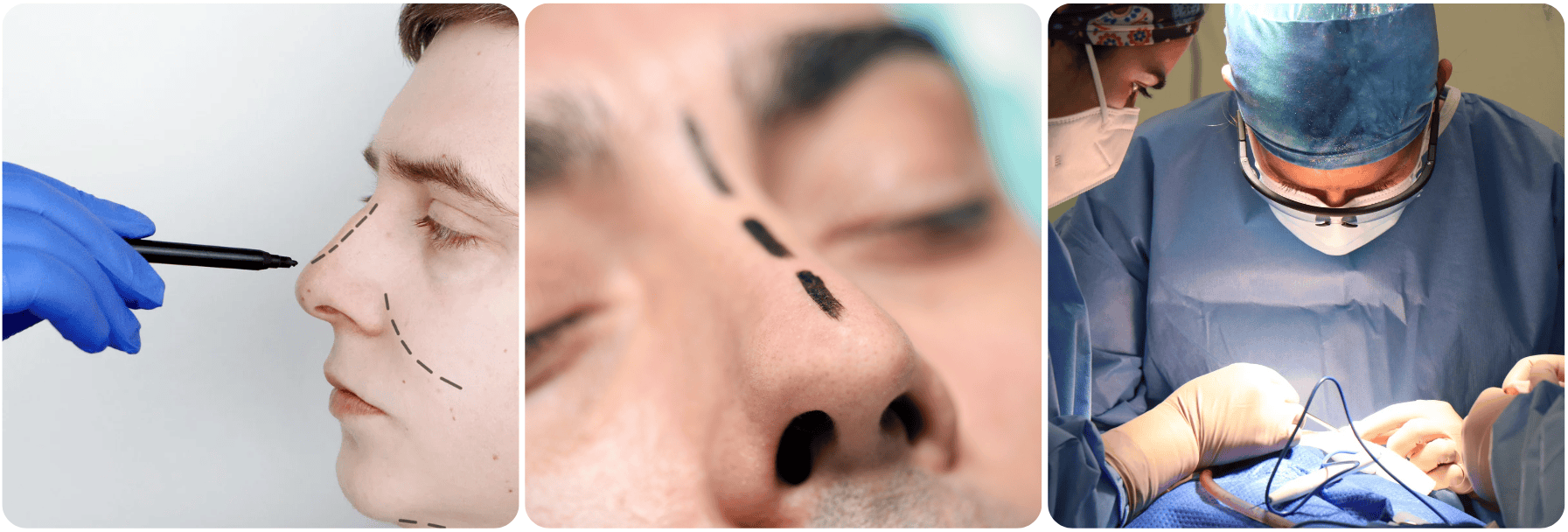
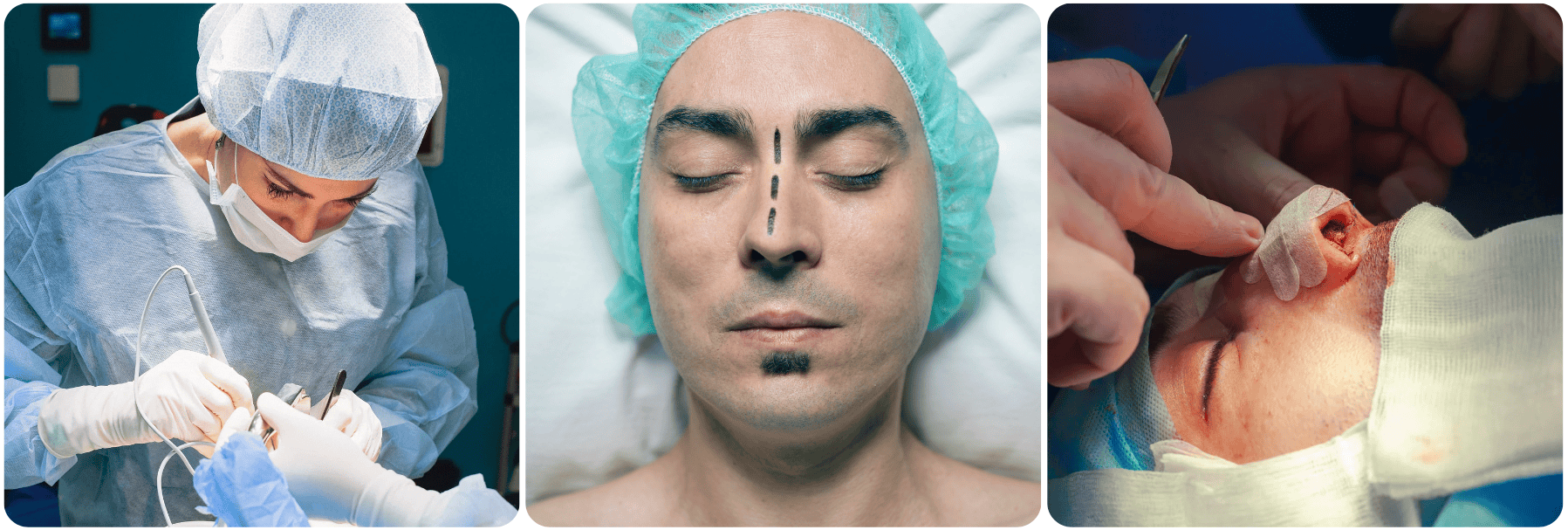
Septoplasty, also known as septum correction, is a surgical procedure aimed at correcting a deviated septum, which is the cartilage and bone structure that divides the nasal cavity into two nostrils. When this septum is crooked or bent, it can lead to nasal congestion, breathing difficulties, sinus infections, and other related issues.
The procedure is typically performed under local or general anesthesia and usually lasts about an hour. During the surgery, the surgeon makes a small incision inside the nose to expose the septum. The crooked portion of the septum is then straightened, and any excess tissue may be removed. To support the new position of the septum and minimize bleeding, the surgeon may place temporary splints or packing inside the nasal passages.
Septoplasty, also known as septum correction, is a surgical procedure aimed at correcting a deviated septum, which is the cartilage and bone structure that divides the nasal cavity into two nostrils.
Recovery after a septoplasty can take several weeks. Patients may experience swelling, bruising, and mild discomfort in the first few days following the surgery. It’s essential to rest adequately and avoid certain activities, such as heavy physical exertion and blowing the nose, to promote optimal healing.
The results of the surgery are generally positive, leading to significant improvements in breathing and a reduction in symptoms associated with a deviated septum. Patients are often advised to attend follow-up appointments to monitor their recovery and detect any potential complications early. In most cases, septoplasty enhances the overall quality of life, especially for those who have suffered from chronic nasal issues for an extended period.
Septoplasty is a surgical procedure designed to correct a deviated septum, which is when the nasal septum—the wall of cartilage and bone that divides the two nostrils—is displaced or crooked. Many individuals opt for septoplasty when they experience breathing difficulties caused by a deviated septum. These issues can lead to chronic nasal congestion, difficulty breathing through one or both nostrils, frequent sinus infections, and even snoring or sleep apnea. Septoplasty is often recommended for people who have not found relief through non-surgical treatments like nasal sprays or medications. The procedure is not primarily cosmetic, although improving the alignment of the septum can sometimes enhance the appearance of the nose by making it more symmetrical.
Septoplasty is a surgical procedure designed to correct a deviated septum, which is when the nasal septum—the wall of cartilage and bone that divides the two nostrils—is displaced or crooked.
For most patients, the key motivation to undergo septoplasty is to improve nasal function and airflow, which can significantly enhance their quality of life. Many individuals seek the surgery to resolve long-term breathing issues that affect their ability to sleep, exercise, and perform daily activities comfortably. In cases where a deviated septum is causing health problems, septoplasty can be life-changing, restoring normal breathing and alleviating symptoms that have impacted a person’s well-being for years.
Septoplasty is a straightforward surgical procedure that involves repositioning or reshaping the nasal septum to correct its alignment. The surgery is typically performed under local or general anesthesia and usually takes about one to two hours, depending on the severity of the deviation. During the procedure, the surgeon makes an incision inside the nostrils, which means there are no visible external scars. Once the incision is made, the surgeon lifts the mucosa, a thin membrane that covers the septum, to access the cartilage and bone. The surgeon then reshapes, repositions, or removes parts of the septum to straighten it and ensure that both nostrils are open and equal in size, allowing for better airflow.
In some cases, septoplasty is performed alongside other procedures, such as turbinate reduction or rhinoplasty, to address additional issues related to nasal function or appearance. After the septum is corrected, the mucosa is repositioned, and the incisions are closed. The surgeon may place splints or soft packing inside the nose to help stabilize the septum as it heals and to prevent excessive bleeding. Septoplasty is generally performed on an outpatient basis, meaning patients can go home the same day, though they will need to take it easy for several days during the recovery period.
Most patients experience some swelling, congestion, and discomfort for the first few days, but these symptoms gradually improve as the healing process progresses. Full recovery typically takes a few weeks, during which time patients notice significant improvements in their ability to breathe through their nose.
While septoplasty is generally safe, as with any surgical procedure, there are potential risks. Complications are rare but can include:
Bleeding during or after surgery
Infection in the nasal cavity
Persistent nasal obstruction or incomplete correction
Scar tissue formation inside the nose
Perforation of the septum (rare)
Patients are closely monitored during recovery, and following post-operative care instructions is essential to minimize these risks. Surgeons often schedule follow-ups to ensure proper healing and address any concerns promptly.
Septoplasty offers a range of important benefits, particularly for individuals who suffer from breathing problems due to a deviated septum. The primary advantage of the surgery is improved nasal airflow, which can make breathing easier and more comfortable, especially during physical activities or while sleeping. For many patients, this leads to a dramatic improvement in quality of life, as they no longer struggle with chronic nasal congestion, sinus pressure, or the need to mouth-breathe. Additionally, septoplasty can reduce the frequency of sinus infections by improving drainage within the nasal passages, which helps prevent the buildup of bacteria and mucus. For those who suffer from sleep apnea or snoring caused by a deviated septum, septoplasty can provide relief by allowing for clearer airways and more restful sleep.
Septoplasty offers a range of important benefits, particularly for individuals who suffer from breathing problems due to a deviated septum.
Another key benefit of septoplasty is that it addresses the root cause of the problem—anatomic blockage—rather than relying on temporary solutions like nasal sprays or decongestants. The results of septoplasty are long-lasting, providing permanent relief from the symptoms of a deviated septum. Although septoplasty is primarily a functional procedure, some patients also experience subtle cosmetic improvements, as straightening the septum can create more symmetry in the nose. This can be particularly beneficial for individuals whose nasal deviation is visible or causes the nose to appear crooked.
Moreover, septoplasty can be performed alongside other procedures, such as rhinoplasty, for those who wish to improve the appearance of their nose while addressing functional issues. The recovery process is relatively quick, and most patients find that the benefits of improved breathing far outweigh the temporary discomfort of the surgery. In summary, septoplasty is a highly effective solution for individuals who want to correct a deviated septum, alleviate breathing difficulties, and enjoy a healthier, more comfortable life.
Improved nasal airflow, making breathing easier and more comfortable, especially during physical activity or sleep.
Reduction of chronic nasal congestion, sinus pressure, and nasal blockage.
Decreased frequency of sinus infections due to better nasal drainage.
Relief from sleep apnea and snoring caused by a deviated septum.
Addresses the underlying anatomical problem rather than relying on temporary solutions like nasal sprays or decongestants.
Long-lasting, often permanent relief from symptoms of a deviated septum.
Subtle cosmetic improvements through a more symmetrical nose.
Can be combined with other procedures, such as rhinoplasty, for functional and aesthetic benefits.
Relatively quick recovery with significant improvement in quality of life.
Septoplasty is often recommended for patients who experience chronic sinus problems linked to a deviated septum. Misalignment can block sinus drainage pathways, leading to repeated infections, pressure, and facial pain. Correcting the septum helps restore proper airflow and drainage, reducing the frequency and severity of sinus infections. In some cases, surgeons perform septoplasty in combination with sinus surgery to address multiple issues at once. Patients who undergo this combined approach often notice long-term relief from recurring sinus problems.
There are several variations of septoplasty, tailored to address the specific needs and nasal anatomy of the patient. The most common type is traditional septoplasty, which involves straightening the deviated septum by removing or reshaping the cartilage and bone. This technique is effective for most cases of septal deviation and is typically performed through incisions inside the nostrils.
For more complex or severe deviations, especially those involving the nasal valve or external deformities, a modified or extended septoplasty may be necessary. In these cases, the surgeon may use cartilage grafts to support the nasal structure and maintain airway stability. This approach is often combined with functional rhinoplasty when both internal and external nasal corrections are required.
Another variation is endoscopic septoplasty, a minimally invasive technique that uses a thin tube with a camera (endoscope) for enhanced visualization inside the nose. This method allows for more precise correction of the septum with less trauma to surrounding tissues and often results in a quicker recovery time. Endoscopic septoplasty is especially useful when addressing isolated deviations or when performed alongside sinus surgery.
In cases where the initial septoplasty did not produce the desired results or complications occurred, a revision septoplasty may be performed to correct persistent issues. This type of procedure requires careful evaluation and is usually done by a surgeon with advanced experience in nasal surgeries.
Modern techniques in septoplasty have improved surgical precision and outcomes. Surgeons now frequently use high-definition endoscopes, 3D imaging, and computer-assisted planning to assess deviations and plan the procedure. These advances reduce intraoperative errors and allow for customized correction based on individual nasal anatomy. Patients benefit from safer procedures, less post-operative discomfort, and faster recovery times.
Good candidates for septoplasty are individuals who experience symptoms caused by a deviated nasal septum that interfere with their daily life. These symptoms may include chronic nasal congestion, difficulty breathing through one or both nostrils, frequent sinus infections, snoring, or sleep disturbances. Septoplasty is particularly beneficial for those who have tried other treatments, such as nasal sprays, allergy medications, or decongestants, without adequate relief.
Candidates should be in good general health and have realistic expectations about what the surgery can achieve. Since the septum continues to develop during adolescence, septoplasty is typically recommended for patients who are at least 16 years old, although younger patients may be considered if the deviation is severe and causing significant health issues.
People who have suffered nasal trauma, have structural abnormalities from birth, or are planning to undergo other nasal procedures (such as rhinoplasty) may also benefit from combining treatments to address both functional and aesthetic concerns. A consultation with an experienced ENT specialist or facial plastic surgeon can help determine whether septoplasty is the right choice and outline the most appropriate surgical plan based on the individual’s anatomy and symptoms.
The results of septoplasty are long-lasting and often permanent, especially when the underlying deviation is effectively corrected during surgery. Most patients experience noticeable improvement in their breathing within a few weeks of the procedure, and these improvements typically remain stable for many years. Because septoplasty addresses the structural cause of breathing issues, the relief it provides is more durable compared to temporary solutions like decongestants or nasal sprays.
That said, while the septum usually remains straight after surgery, some patients may experience minor shifts or scar tissue development over time, particularly if the healing process is disrupted or if they sustain nasal trauma. In rare cases, a revision procedure may be necessary.
Following post-operative care instructions—such as avoiding nasal trauma, refraining from blowing the nose during early healing, and attending follow-up appointments—is crucial for achieving and maintaining optimal results. When performed by a skilled surgeon and paired with proper aftercare, septoplasty offers enduring benefits that can dramatically enhance breathing comfort and overall quality of life.
Proper preparation for septoplasty can help ensure a smooth procedure and recovery. Patients are usually advised to avoid medications that can increase bleeding, such as aspirin or certain anti-inflammatory drugs, for several days before surgery. It’s important to inform your surgeon about any chronic health conditions, allergies, or previous nasal surgeries. Smoking and alcohol should be avoided, as they can negatively affect healing. Some patients may also be asked to fast for a period before the operation if general anesthesia is planned. Adequate preparation reduces the risk of complications and can make the recovery period more comfortable and efficient.
Septoplasty can be performed under either local anesthesia with sedation or general anesthesia. Local anesthesia numbs the nose, allowing the patient to remain awake but relaxed, while sedation ensures comfort throughout the procedure. General anesthesia puts the patient completely to sleep and is often chosen for more complex cases. The choice of anesthesia depends on the patient’s medical history, anxiety level, and the surgeon’s recommendation. Understanding the anesthesia options in advance helps patients feel more confident and prepared for the surgery.
Some patients are candidates for endoscopic or minimally invasive septoplasty, which allows surgeons to correct the septum with reduced tissue trauma. Benefits of minimally invasive techniques include:
Smaller internal incisions
Less swelling and bruising
Reduced post-operative discomfort
Faster recovery time
Improved surgical precision
These options are particularly effective for isolated deviations or when combined with other nasal procedures, such as sinus surgery or turbinate reduction.
Active individuals or athletes may find septoplasty particularly beneficial. A deviated septum can restrict airflow, impacting stamina and performance during physical activity. Post-surgery, improved nasal breathing enhances oxygen intake and overall endurance. Surgeons usually recommend avoiding intense training for several weeks, gradually resuming activity as healing progresses. With proper recovery, athletes often notice a measurable improvement in breathing efficiency and comfort during sports or exercise.
A deviated septum can negatively impact sleep by causing obstruction and snoring. Septoplasty can restore proper airflow, which helps reduce snoring and allows for deeper, more restful sleep. Patients often experience less nighttime congestion and wake more comfortably. In combination with other interventions, such as nasal valve correction, septoplasty can significantly improve overall sleep quality for those who suffer from nighttime breathing difficulties.
Some patients choose to undergo septoplasty and rhinoplasty simultaneously to correct both functional and cosmetic concerns. This combined approach, known as septorhinoplasty, allows surgeons to straighten the septum while reshaping the nose externally. Benefits include a single recovery period, reduced overall anesthesia exposure, and improved facial symmetry. Patients receive both functional and aesthetic improvements, addressing breathing difficulties while enhancing the nose’s appearance in one procedure.
In many countries, septoplasty may be covered by health insurance if performed for medical reasons, such as chronic nasal obstruction or recurrent sinus infections. Coverage typically does not apply for purely cosmetic procedures. Patients should check with their insurance provider and provide documentation from their ENT specialist to confirm eligibility. Understanding coverage in advance helps reduce unexpected costs and ensures access to medically necessary care.
Individuals who have experienced nasal trauma may develop a deviated septum that obstructs airflow. Septoplasty can restore proper alignment and improve breathing following an injury. It may be performed after swelling from trauma has subsided to ensure accurate correction. In some cases, septoplasty is combined with external nasal reconstruction to address both structural and aesthetic concerns. Recovery in post-trauma cases generally follows the same timeline as standard septoplasty.
Individuals with nasal allergies may experience worsened breathing issues due to a deviated septum. Septoplasty can improve nasal airflow, making it easier to manage allergy symptoms. By opening obstructed airways, the surgery enhances the effectiveness of allergy medications and nasal sprays. In combination with lifestyle modifications and allergy treatments, septoplasty can provide long-term relief from breathing difficulties caused by structural and allergic factors.
Creating a comfortable environment at home can support recovery after septoplasty. Consider the following tips:
Stock up on soft foods and plenty of fluids
Arrange a quiet, comfortable resting area with pillows to keep the head elevated
Have saline sprays and prescribed medications easily accessible
Limit exposure to dust, smoke, and allergens
Prepare easy-to-access entertainment or reading material to remain occupied while resting
A well-prepared home environment can make recovery smoother and more comfortable, helping patients follow post-operative instructions more effectively.
During your consultation, you will discuss your wishes, medical history, and expectations with the doctor. The doctor will examine you, take measurements if necessary, and explain which treatment suits you best, including risks and recovery. You will have the opportunity to ask questions and then receive a clear treatment proposal.
Make sure you have all relevant medical information ready, such as previous treatments, allergies, or medical conditions. This allows the doctor to give you better advice.
Payment is made securely via SurgeryBooking. You pay the amount in advance to SurgeryBooking. We hold the funds and transfer them to the clinic after your treatment. Cancellation or change conditions vary per clinic and are clearly communicated in advance.
During the consultation (online or at the clinic), the doctor will assess this based on your health, expectations, and physical characteristics. You will discuss what you want, what is possible, and what the limitations are. Sometimes there are alternatives if the chosen treatment is not ideal.
Through SurgeryBooking.com, you can quickly and easily book a consultation or procedure with doctors and clinics worldwide. SurgeryBooking.com provides an overview of doctors and clinics, allowing you to make an informed and transparent choice when booking a consultation or procedure.
You can easily book through the profile of the desired clinic or doctor. Select the desired treatment, enter your details, and choose an available date and time. If there are any costs involved, you will complete the payment first. Afterwards, you will receive a confirmation email with all the details.
Yes, during the booking process, you can indicate whether you prefer an online consultation or an in-person consultation at the clinic.
With SurgeryBooking.com, you gain access to a global network of doctors and clinics. Through SurgeryBooking.com, you can easily book a consultation or a cosmetic procedure directly. Clinic profiles provide information about available cosmetic procedures, reviews, photos of the clinic, and other relevant details. This enables you to compare costs and make an informed decision when booking a consultation or procedure.