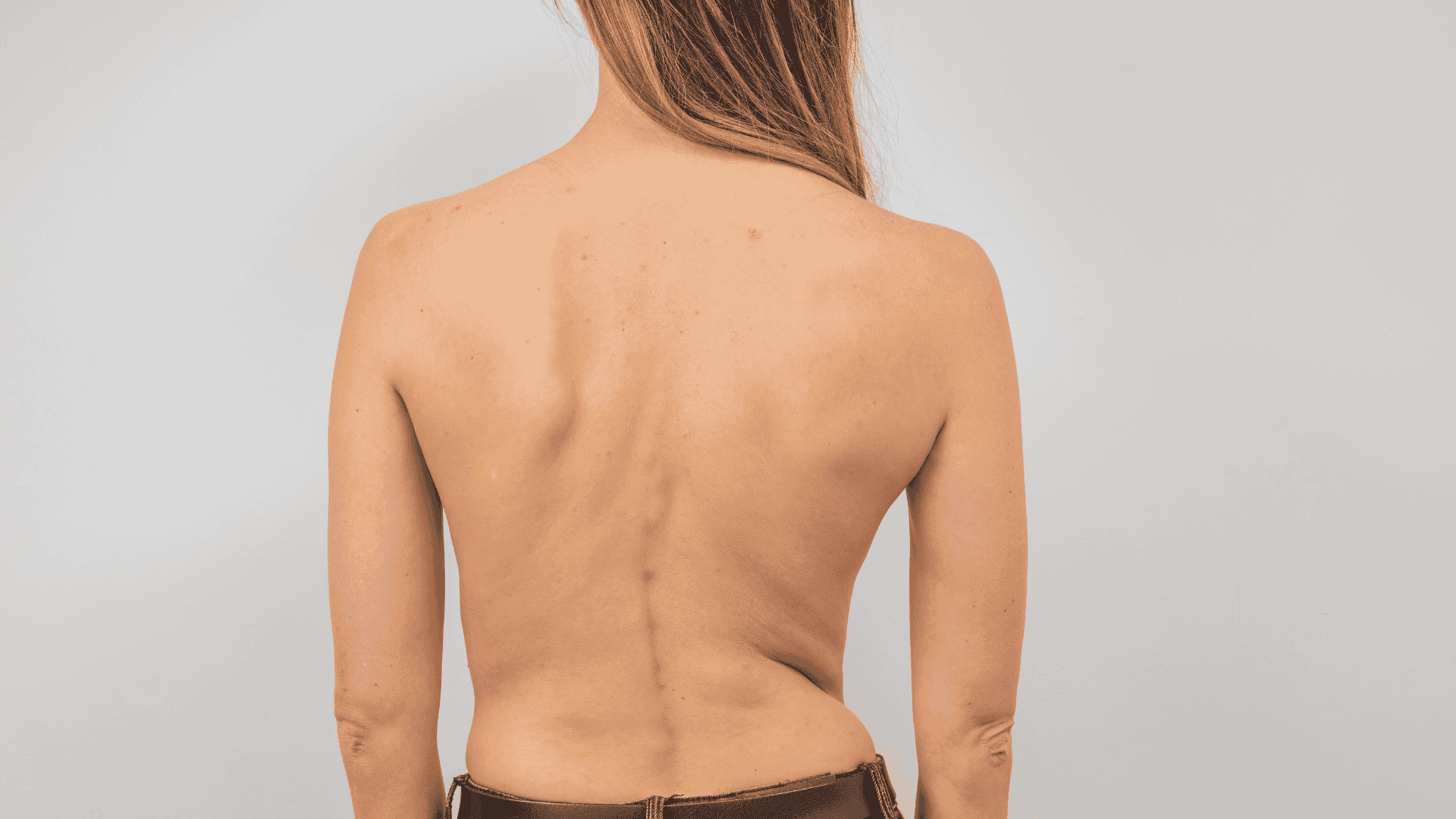
Scoliosis treatment refers to surgical procedures aimed at correcting an abnormal lateral curvature of the spine. This condition can vary in severity and may lead to pain, respiratory issues, and functional limitations. When scoliosis is severe or associated with significant symptoms, surgical intervention may become necessary.
The most common surgical procedure for scoliosis is spinal fusion. During this surgery, the surgeon connects two or more vertebrae to improve the stability of the spine and correct the curvature. This can involve the use of metal implants, such as screws and rods, to hold the vertebrae in the correct position. In some cases, bone grafts may also be utilized to promote the fusion.
For patients with very severe scoliosis, a posterior approach may be considered, where the surgeon operates from the back of the spine. This can allow for a more extensive correction of the curvature.
Surgical interventions for scoliosis require a thorough preoperative evaluation, including X-rays and other imaging techniques to assess the severity of the curvature and the patient's overall health. After surgery, comprehensive rehabilitation is essential to promote healing, restore mobility, and improve muscle strength.
The goal of surgical treatment for scoliosis is to correct the curvature, relieve pain, and enhance the overall function and quality of life of the patient. Collaborating with an experienced orthopedic surgeon and a multidisciplinary team is crucial for achieving the best outcomes.
Scoliosis treatment is often sought when an individual is diagnosed with an abnormal curvature of the spine, which can cause a variety of physical, emotional, and functional challenges. The decision to pursue treatment typically arises from concerns about the progression of the curve, pain, and the potential for long-term health complications. In some cases, scoliosis can lead to back pain, difficulty standing or walking, and a noticeable physical deformity that affects one's self-esteem. As the condition progresses, the curvature of the spine can become more pronounced, leading to additional strain on muscles and nerves, which can result in discomfort and impair overall mobility.
People with moderate to severe scoliosis may choose treatment to prevent further curve progression. Without intervention, the curvature of the spine can worsen over time, leading to severe deformities, spinal instability, and complications with internal organs such as the heart and lungs. Scoliosis treatment can help manage the curve and prevent these issues from developing. In children and adolescents, early treatment is particularly important to prevent the spine from curving further as they continue to grow.
Additionally, people who opt for scoliosis treatment may experience improvements in posture and balance. As the spine becomes more aligned, individuals can experience relief from discomfort and improved movement. For those whose scoliosis is affecting their appearance, treatment can also provide aesthetic benefits, as correcting the spine's curvature can lead to a more symmetrical and natural posture.
Overall, scoliosis treatment is chosen for its ability to alleviate pain, prevent progression of the curve, restore alignment, and improve both function and appearance, allowing individuals to live a more active and pain-free life.
The approach to scoliosis treatment depends on the severity of the spinal curvature, the age of the patient, and whether the condition is likely to progress. In mild cases, nonsurgical treatment options are often recommended, which can include physical therapy, bracing, and exercises aimed at improving posture and preventing further curvature. Physical therapy focuses on strengthening the muscles around the spine, improving flexibility, and maintaining mobility to help reduce discomfort and support the spine's natural alignment. For adolescents who are still growing, wearing a back brace can help prevent the curvature from worsening.
For more moderate or severe cases of scoliosis, surgery may be necessary, particularly if the curvature is progressing or causing significant pain. The most common surgical treatment for scoliosis is spinal fusion. During this procedure, the surgeon will align the vertebrae into a straight position and then fuse them together using bone grafts, metal rods, screws, or plates. This helps stabilize the spine and prevent further curvature. In some cases, the surgeon may also use instrumentation to provide additional support during the fusion process.
Another surgical option is the use of growing rods in children who have not yet reached their full height. These rods are designed to control the growth of the spine, helping to gradually straighten it as the child grows. These rods are typically adjusted periodically as the child’s spine continues to grow.
Minimally invasive surgery is an alternative to traditional open surgery in some cases. This approach involves smaller incisions, less muscle disruption, and faster recovery times. The surgeon uses specialized instruments and imaging techniques to perform the surgery with more precision, reducing the risks associated with more invasive procedures.
Non-surgical options like bracing and physical therapy may be combined with surgical procedures or used to manage scoliosis in mild cases. It is essential that the treatment plan is individualized, as scoliosis varies from person to person in terms of severity, location, and potential for progression.
The benefits of scoliosis treatment can be life-changing for individuals affected by this condition. One of the most immediate advantages of treatment is pain relief. For many people with scoliosis, pain can be a major issue, especially as the curvature of the spine progresses and puts pressure on nerves, muscles, and joints. Treatment, whether through physical therapy, bracing, or surgery, can reduce or eliminate the pain associated with scoliosis, significantly improving the individual’s quality of life.
Another key benefit is the prevention of further progression of the spinal curve. In children and adolescents whose bones are still growing, early treatment can prevent the curve from worsening, avoiding the need for more aggressive treatments later on. Even in adults, treatment can help stop the curve from worsening over time, reducing the risk of more severe deformities and associated complications.
Scoliosis treatment also helps to restore balance and posture. By correcting the curvature of the spine, patients often experience improved posture and a more symmetrical appearance. This can enhance self-esteem, especially for those whose scoliosis has caused noticeable physical deformities or an abnormal posture. A more balanced posture also leads to improved function and movement, making it easier for individuals to perform everyday tasks without discomfort.
For those who undergo surgical treatment, one of the greatest benefits is long-term stability. Spinal fusion, for example, not only prevents the curve from worsening but also helps stabilize the spine, which can prevent further deterioration of the condition. This stability can allow patients to return to their normal activities and even engage in more physical activities that were previously difficult due to pain or mobility issues.
Finally, for individuals with severe scoliosis that affects their internal organs, treatment can improve organ function by relieving pressure on the lungs and heart. In extreme cases, an untreated spinal curve can lead to respiratory or cardiovascular complications. By addressing the curvature through treatment, patients can experience better overall health and prevent potential life-threatening issues.
In summary, scoliosis treatment provides numerous benefits, including pain relief, prevention of curve progression, improved posture, better functional mobility, and enhanced overall health. Whether through non-surgical methods like bracing and physical therapy or surgical interventions, treatment can help individuals lead a more comfortable, active, and fulfilling life.
During your consultation, you will discuss your wishes, medical history, and expectations with the doctor. The doctor will examine you, take measurements if necessary, and explain which treatment suits you best, including risks and recovery. You will have the opportunity to ask questions and then receive a clear treatment proposal.
Make sure you have all relevant medical information ready, such as previous treatments, allergies, or medical conditions. This allows the doctor to give you better advice.
Payment is made securely via SurgeryBooking. You pay the amount in advance to SurgeryBooking. We hold the funds and transfer them to the clinic after your treatment. Cancellation or change conditions vary per clinic and are clearly communicated in advance.
During the consultation (online or at the clinic), the doctor will assess this based on your health, expectations, and physical characteristics. You will discuss what you want, what is possible, and what the limitations are. Sometimes there are alternatives if the chosen treatment is not ideal.
Through SurgeryBooking.com, you can quickly and easily book a consultation or procedure with doctors and clinics worldwide. SurgeryBooking.com provides an overview of doctors and clinics, allowing you to make an informed and transparent choice when booking a consultation or procedure.
You can easily book through the profile of the desired clinic or doctor. Select the desired treatment, enter your details, and choose an available date and time. If there are any costs involved, you will complete the payment first. Afterwards, you will receive a confirmation email with all the details.
Yes, during the booking process, you can indicate whether you prefer an online consultation or an in-person consultation at the clinic.
With SurgeryBooking.com, you gain access to a global network of doctors and clinics. Through SurgeryBooking.com, you can easily book a consultation or a cosmetic procedure directly. Clinic profiles provide information about available cosmetic procedures, reviews, photos of the clinic, and other relevant details. This enables you to compare costs and make an informed decision when booking a consultation or procedure.