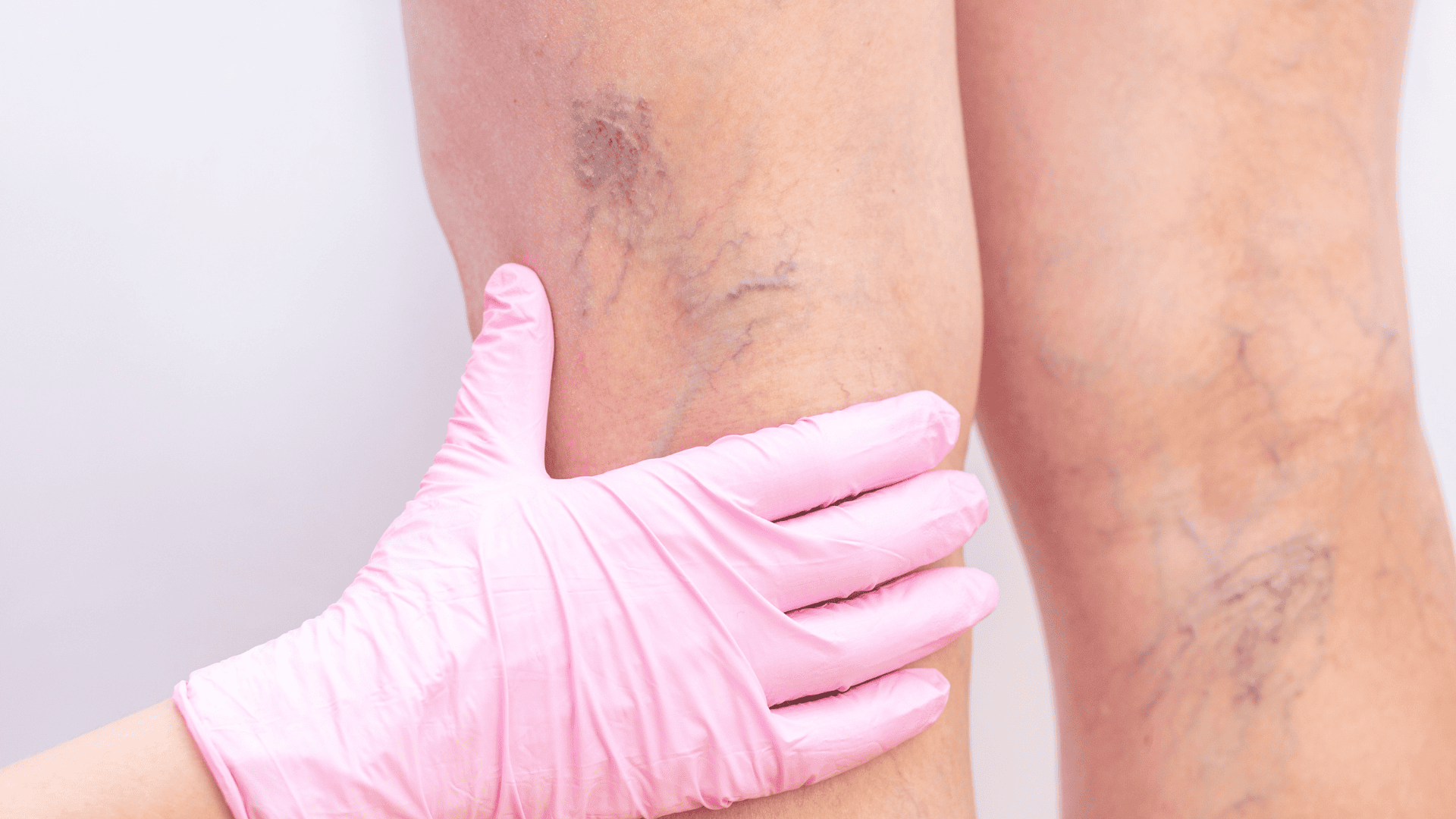
Sclerotherapy is a medical procedure used to treat varicose veins and spider veins. During the treatment, a solution or foam is injected into the affected vein, causing the vein walls to scar and collapse. This forces the blood to reroute through healthier veins, and the treated vein eventually fades as the body absorbs it.
Sclerotherapy is typically performed as an outpatient procedure and doesn’t require anesthesia. Patients may experience mild swelling, redness, or bruising after the treatment, but recovery is usually quick. Results can take several weeks to become visible, with larger veins potentially requiring more time to disappear.
While sclerotherapy is often sought for cosmetic reasons, it can also alleviate symptoms such as pain, swelling, and cramping caused by varicose veins. Consulting with an experienced doctor is crucial to determine whether sclerotherapy is the right treatment for your condition.
Sclerotherapy is a highly effective and minimally invasive treatment for individuals who wish to address unsightly spider veins or varicose veins on the legs. Many people suffer from these vein conditions, which can cause not only cosmetic concerns but also discomfort, swelling, and in some cases, more severe health issues. Sclerotherapy is often chosen because it offers a solution to eliminate these veins, restoring the smooth appearance of the legs and improving overall vein health without the need for invasive surgery.
This treatment is especially appealing to those who have tried other methods like compression stockings or topical treatments with limited success. Sclerotherapy is ideal for patients who want a fast, convenient procedure with minimal downtime. By targeting the veins directly, it offers a precise solution that addresses the root cause of the problem, helping to prevent future vein formation. The procedure is safe, proven, and provides long-lasting results, making it a popular choice for individuals looking for a non-surgical alternative to enhance the appearance of their legs.
Sclerotherapy is typically performed in a doctor's office or clinic and requires no anesthesia, making it a relatively quick and straightforward procedure. The treatment begins with a consultation, during which the healthcare provider evaluates the patient’s veins and discusses their goals. Once the areas to be treated are identified, a sclerosing solution is injected into the affected veins using a very fine needle. The solution irritates the vein lining, causing the vein to collapse and eventually be absorbed by the body.
The procedure generally targets smaller veins, such as spider veins and smaller varicose veins, which are typically located on the thighs, calves, or ankles. Each vein may require one or more injections, depending on the size and number of veins being treated. The number of treatment sessions required will depend on the severity and extent of the veins, with some patients requiring multiple sessions for optimal results.
After the injections, the treated veins gradually fade over the course of several weeks to months, as the body absorbs the collapsed veins. Patients are usually encouraged to wear compression stockings after the treatment to support healing and improve the treatment's effectiveness. There is minimal downtime involved, and most individuals can return to their regular activities immediately after the procedure. However, it’s advisable to avoid strenuous exercise or activities that put pressure on the legs for a few days.
Sclerotherapy offers numerous benefits for individuals seeking to improve the appearance and health of their legs. One of the most significant advantages is its ability to effectively eliminate spider veins and smaller varicose veins, which can significantly enhance the overall aesthetic appearance of the legs. For many, these veins are a source of self-consciousness, and the procedure helps restore smoother, clearer skin. With sclerotherapy, patients can enjoy a more youthful and attractive appearance, especially when wearing clothing such as shorts, skirts, or swimsuits.
Another key benefit of sclerotherapy is its non-surgical nature. Unlike other vein treatment options that may involve more invasive procedures, sclerotherapy is quick, relatively painless, and requires no incisions. The injections are minimally invasive, making it an excellent choice for those who want to avoid the risks and recovery times associated with surgery. Additionally, the procedure can be performed in a single session, with the results appearing gradually over the following weeks, leading to a natural improvement in the leg's appearance.
Sclerotherapy is also effective in addressing the underlying causes of spider veins and small varicose veins, not just the cosmetic aspect. By eliminating these problematic veins, sclerotherapy can improve circulation and reduce symptoms such as swelling, aching, and heaviness in the legs. The procedure helps prevent the recurrence of new veins, providing a lasting solution to individuals prone to vein issues. Furthermore, the relatively short recovery period and the lack of a need for general anesthesia make sclerotherapy an attractive option for those looking for minimal disruption to their daily routine.
Lastly, sclerotherapy offers a relatively low-risk, high-reward solution for improving leg aesthetics and health. With high patient satisfaction rates, the treatment is considered safe for most individuals, offering long-term results with little maintenance. The simplicity of the procedure, combined with the benefits of both aesthetic and health improvements, makes sclerotherapy a popular and effective choice for treating veins in the legs.
Sclerotherapy is most suitable for individuals with visible spider veins or small to medium-sized varicose veins on the legs. These veins often develop due to genetics, hormonal changes, pregnancy, prolonged standing, or aging. Sclerotherapy for the legs is commonly chosen by people who experience cosmetic concerns as well as mild physical symptoms such as aching or heaviness.
Candidates are generally in good overall health and do not have active infections or severe circulatory disorders. It is important to understand that sclerotherapy treats existing veins but does not prevent new veins from forming in the future. For many, this treatment offers a practical and effective way to manage vein-related concerns.
Sclerotherapy is primarily used for superficial veins that are visible beneath the skin. These veins are often harmless but can be aesthetically bothersome or cause discomfort. The treatment approach may vary depending on the size and location of the veins.
Common vein types treated include:
👉 Spider veins, which are thin and web-like
👉 Reticular veins, slightly larger blue or green veins
👉 Small varicose veins close to the skin surface
By targeting these specific veins, leg sclerotherapy helps improve both appearance and comfort.
When a vein is treated with sclerotherapy, it is intentionally closed so blood no longer flows through it. The body naturally reroutes blood through healthier veins, improving overall circulation in the area. Over time, the collapsed vein is broken down and absorbed by the body.
This process explains why sclerotherapy for legs can reduce symptoms such as swelling or aching. Removing inefficient veins allows the circulatory system to function more effectively, even though the treated veins are no longer present.
Recovery after sclerotherapy is typically quick and manageable. Most individuals can resume normal daily activities immediately following treatment. Mild side effects such as redness, bruising, or tenderness at the injection sites are common but usually temporary.
Typical post-treatment experiences include:
👉 Mild swelling or bruising for a few days
👉 Temporary discoloration along treated veins
👉 Gradual fading of veins over several weeks
Patience is important, as sclerotherapy results develop progressively rather than instantly.
Compression stockings are often recommended after sclerotherapy to support healing and enhance results. These garments apply gentle pressure to the legs, helping veins stay collapsed and reducing the risk of blood pooling. Wearing compression stockings can also minimize swelling and discomfort.
Consistent use during the recommended period supports better outcomes from leg sclerotherapy. They play a supportive role in recovery rather than being a standalone treatment.
The number of sclerotherapy sessions required varies from person to person. Factors such as the number of veins, their size, and individual response to treatment all influence the treatment plan. Some individuals see improvement after a single session, while others may need multiple visits.
Spacing sessions allows the body time to absorb treated veins. With each session, sclerotherapy for the legs can progressively improve the appearance of the treated areas.
Sclerotherapy is one of several options available for treating leg veins. Compared to surgical vein stripping or laser-based procedures, it is less invasive and does not require anesthesia. This makes it a preferred choice for smaller veins and cosmetic concerns.
Other treatments may be more suitable for larger or deeper varicose veins. Choosing sclerotherapy often depends on vein size, symptoms, and personal preferences regarding downtime and invasiveness.
It is important to have realistic expectations when undergoing sclerotherapy. While treated veins usually fade significantly, they may not disappear completely in every case. Skin tone, vein depth, and individual healing response all influence outcomes.
New veins can also develop over time due to underlying factors. Understanding this helps frame sclerotherapy for legs as a management tool rather than a permanent cure for vein conditions.
Although sclerotherapy is considered safe, mild side effects can occur. These are usually temporary and resolve without intervention. Serious complications are rare when the procedure is performed by an experienced professional.
Possible side effects include:
👉 Temporary skin discoloration
👉 Mild itching or tenderness at injection sites
👉 Small areas of trapped blood in treated veins
Being informed supports confidence and comfort when considering leg sclerotherapy.
Lifestyle plays an important role in both the development and recurrence of leg veins. Prolonged standing, lack of movement, and excess weight can contribute to vein issues. While sclerotherapy treats existing veins, healthy habits support long-term results.
Regular movement, leg elevation, and maintaining a healthy weight can complement sclerotherapy for the legs. These habits help reduce pressure on the veins and support circulation.
From a cosmetic perspective, sclerotherapy can significantly improve the appearance of the legs. Fading visible veins often results in smoother, more even-looking skin. Many individuals feel more comfortable wearing shorts, skirts, or swimwear after treatment.
Because results develop gradually, the improvement often looks natural. Sclerotherapy enhances leg aesthetics without altering natural contours.
Addressing visible leg veins can positively influence self-confidence and body comfort. For some, vein visibility causes self-consciousness or avoidance of certain clothing. Reducing this concern often leads to greater ease in social situations.
Viewing sclerotherapy for the legs as both a functional and aesthetic treatment helps explain its popularity. Subtle physical changes can lead to meaningful emotional benefits over time.
During your consultation, you will discuss your wishes, medical history, and expectations with the doctor. The doctor will examine you, take measurements if necessary, and explain which treatment suits you best, including risks and recovery. You will have the opportunity to ask questions and then receive a clear treatment proposal.
Make sure you have all relevant medical information ready, such as previous treatments, allergies, or medical conditions. This allows the doctor to give you better advice.
Payment is made securely via SurgeryBooking. You pay the amount in advance to SurgeryBooking. We hold the funds and transfer them to the clinic after your treatment. Cancellation or change conditions vary per clinic and are clearly communicated in advance.
During the consultation (online or at the clinic), the doctor will assess this based on your health, expectations, and physical characteristics. You will discuss what you want, what is possible, and what the limitations are. Sometimes there are alternatives if the chosen treatment is not ideal.
Through SurgeryBooking.com, you can quickly and easily book a consultation or procedure with doctors and clinics worldwide. SurgeryBooking.com provides an overview of doctors and clinics, allowing you to make an informed and transparent choice when booking a consultation or procedure.
You can easily book through the profile of the desired clinic or doctor. Select the desired treatment, enter your details, and choose an available date and time. If there are any costs involved, you will complete the payment first. Afterwards, you will receive a confirmation email with all the details.
Yes, during the booking process, you can indicate whether you prefer an online consultation or an in-person consultation at the clinic.
With SurgeryBooking.com, you gain access to a global network of doctors and clinics. Through SurgeryBooking.com, you can easily book a consultation or a cosmetic procedure directly. Clinic profiles provide information about available cosmetic procedures, reviews, photos of the clinic, and other relevant details. This enables you to compare costs and make an informed decision when booking a consultation or procedure.