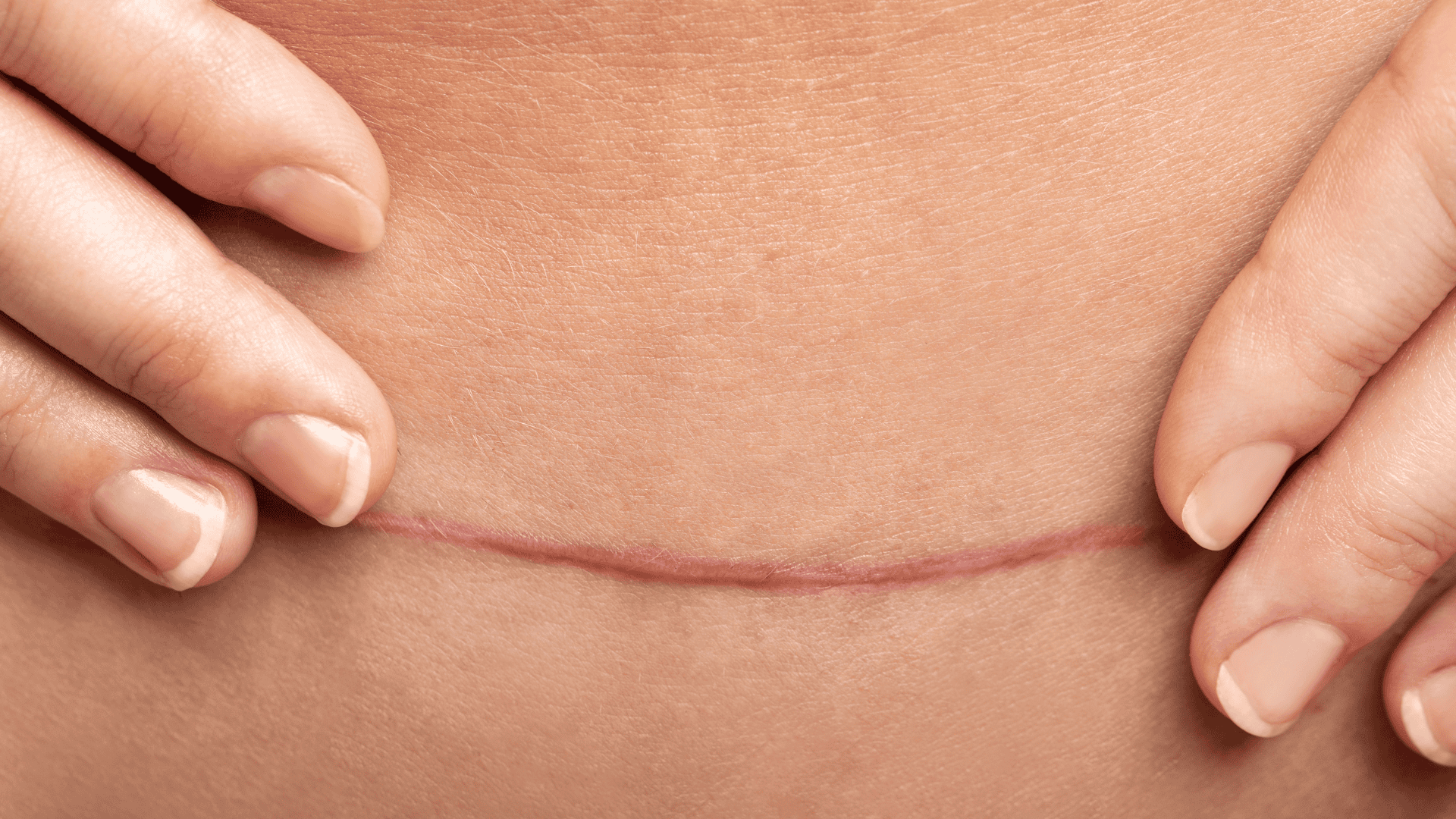
Scar removal surgery is a cosmetic procedure aimed at improving the appearance of scars on the skin. Scars can result from various causes, including injuries, surgeries, burns, acne, or skin conditions like eczema. They can vary in size, color, and texture, and for many individuals, scars can have emotional and psychological impacts, such as diminished self-esteem and social anxiety.
There are several techniques available for scar removal surgery, and the choice of method depends on various factors, including the type of scar, its location on the body, and the patient's personal preferences. One common technique is scar excision, which involves surgically removing the scarred tissue. This procedure is often performed under local anesthesia and can be effective for larger or deeper scars that do not respond well to non-surgical treatments. The surgeon carefully sutures the surrounding skin, aiming to create a less noticeable scar.
Another technique is subcision, a minimally invasive procedure that involves inserting a needle beneath the skin to break up the fibrous tissue that causes the scar to be tethered to underlying structures. This technique can improve the contour of depressed scars, such as those caused by acne, by allowing the skin to lift and flatten over time.
Laser therapy is also widely used in scar removal surgery. This method employs focused light beams to target scar tissue, stimulating collagen production and promoting skin regeneration. Laser treatments can be effective for various types of scars, including hypertrophic and keloid scars, as they help reduce redness and improve texture.
Before undergoing scar removal surgery, it is crucial to have a consultation with a qualified specialist. During this consultation, the different options will be discussed, and the healthcare provider will assess the patient's specific needs. It is important for patients to have realistic expectations; while scar removal surgery can often lead to significant improvements, it may not completely eliminate the scar.
Post-operative care is essential for optimal healing and results. This may include following the surgeon's instructions, avoiding direct sun exposure, and using sunscreen to prevent further pigmentation of the scar. Patients are also encouraged to keep the surgical area clean and moisturized, as this can aid in the healing process.
Scar removal surgery can have a profound positive impact on the self-image and quality of life of individuals who feel uncomfortable about their scars. By improving the skin's appearance and reducing the visibility of scars, patients can regain confidence and engage more freely in their social lives. Ultimately, scar removal surgery offers not only aesthetic benefits but also emotional relief for those struggling with the consequences of scars.
Scar removal surgery is often sought by individuals looking to reduce the appearance of scars that may be the result of injuries, surgeries, burns, or conditions like acne. While scars are a natural part of the body’s healing process, they can sometimes be unsightly, uncomfortable, or cause emotional distress, particularly if they are in visible areas such as the face or hands. People opt for scar removal surgery when non-surgical methods, such as topical treatments or laser therapies, have not provided the desired results. The goal of this surgery is to make scars less noticeable, either by reducing their size, changing their shape, or improving their texture so they blend more naturally with the surrounding skin.
Scar removal surgery is often chosen for severe or large scars that significantly impact a person’s appearance or self-esteem. Additionally, scars that limit movement, such as contracture scars from burns, may require surgical treatment to restore functionality. People may undergo this surgery for a variety of scars, including hypertrophic scars (thick and raised), keloids (overgrown scar tissue), or depressed scars. The procedure can help patients regain confidence in their appearance and improve their quality of life by minimizing the visibility and discomfort of their scars.
Scar removal surgery can be performed using several techniques, depending on the type, size, and location of the scar. The most common methods include excision, skin grafting, and Z-plasty. Excision involves surgically removing the scar tissue, followed by closing the wound with stitches to promote a smoother, less noticeable scar. In some cases, especially for larger or more complex scars, a skin graft may be used, where healthy skin is taken from another part of the body and transplanted to the scarred area to improve its appearance and functionality.
Z-plasty is another technique often used for scar revision, particularly for scars that restrict movement or are located on joints. In this procedure, the surgeon repositions the scar along natural skin lines or folds, making it less visible while also improving mobility. For individuals with contracture scars, particularly from burns, tissue expansion might be used, which involves stretching nearby skin to cover the scarred area. Each of these surgical methods is designed to reduce the appearance of the scar while promoting better healing and integration with the surrounding tissue.
During the procedure, patients typically receive local or general anesthesia, depending on the extent of the surgery. The recovery period can vary based on the complexity of the surgery, but most patients experience some swelling, bruising, and discomfort in the days following the procedure. The new scar will heal over time, and in some cases, additional treatments, such as steroid injections or laser therapy, may be recommended to further minimize the appearance of the scar.
The primary benefit of scar removal surgery is the improvement in the appearance of scars, helping patients feel more confident about their skin and reducing any self-consciousness they may feel about visible scars. By making the scar smaller, smoother, or less raised, this surgery can help scars blend more naturally with the surrounding skin. This is particularly important for scars located on visible areas such as the face, neck, or hands, where people may want to restore a more aesthetically pleasing appearance.
In addition to cosmetic improvements, scar removal surgery can also restore function, particularly for scars that limit movement. Contracture scars, often caused by burns, can tighten the skin and restrict mobility, especially around joints. Surgical techniques such as Z-plasty can help release tension in these areas, allowing for greater flexibility and range of motion. This functional benefit is especially important for individuals whose scars affect their ability to perform daily tasks or physical activities.
Another key benefit is the long-lasting nature of the results. While complete scar removal is not always possible, the improvements made through surgery can be permanent, especially when followed by proper aftercare. Patients who undergo scar removal surgery often experience significant emotional and psychological relief, as reducing the visibility of a scar can help them feel more comfortable and at ease in social or professional settings. For those seeking a solution to persistent, prominent scars, scar removal surgery offers a reliable and effective option for both aesthetic and functional improvements.
During your consultation, you will discuss your wishes, medical history, and expectations with the doctor. The doctor will examine you, take measurements if necessary, and explain which treatment suits you best, including risks and recovery. You will have the opportunity to ask questions and then receive a clear treatment proposal.
Make sure you have all relevant medical information ready, such as previous treatments, allergies, or medical conditions. This allows the doctor to give you better advice.
Payment is made securely via SurgeryBooking. You pay the amount in advance to SurgeryBooking. We hold the funds and transfer them to the clinic after your treatment. Cancellation or change conditions vary per clinic and are clearly communicated in advance.
During the consultation (online or at the clinic), the doctor will assess this based on your health, expectations, and physical characteristics. You will discuss what you want, what is possible, and what the limitations are. Sometimes there are alternatives if the chosen treatment is not ideal.
Through SurgeryBooking.com, you can quickly and easily book a consultation or procedure with doctors and clinics worldwide. SurgeryBooking.com provides an overview of doctors and clinics, allowing you to make an informed and transparent choice when booking a consultation or procedure.
You can easily book through the profile of the desired clinic or doctor. Select the desired treatment, enter your details, and choose an available date and time. If there are any costs involved, you will complete the payment first. Afterwards, you will receive a confirmation email with all the details.
Yes, during the booking process, you can indicate whether you prefer an online consultation or an in-person consultation at the clinic.
With SurgeryBooking.com, you gain access to a global network of doctors and clinics. Through SurgeryBooking.com, you can easily book a consultation or a cosmetic procedure directly. Clinic profiles provide information about available cosmetic procedures, reviews, photos of the clinic, and other relevant details. This enables you to compare costs and make an informed decision when booking a consultation or procedure.