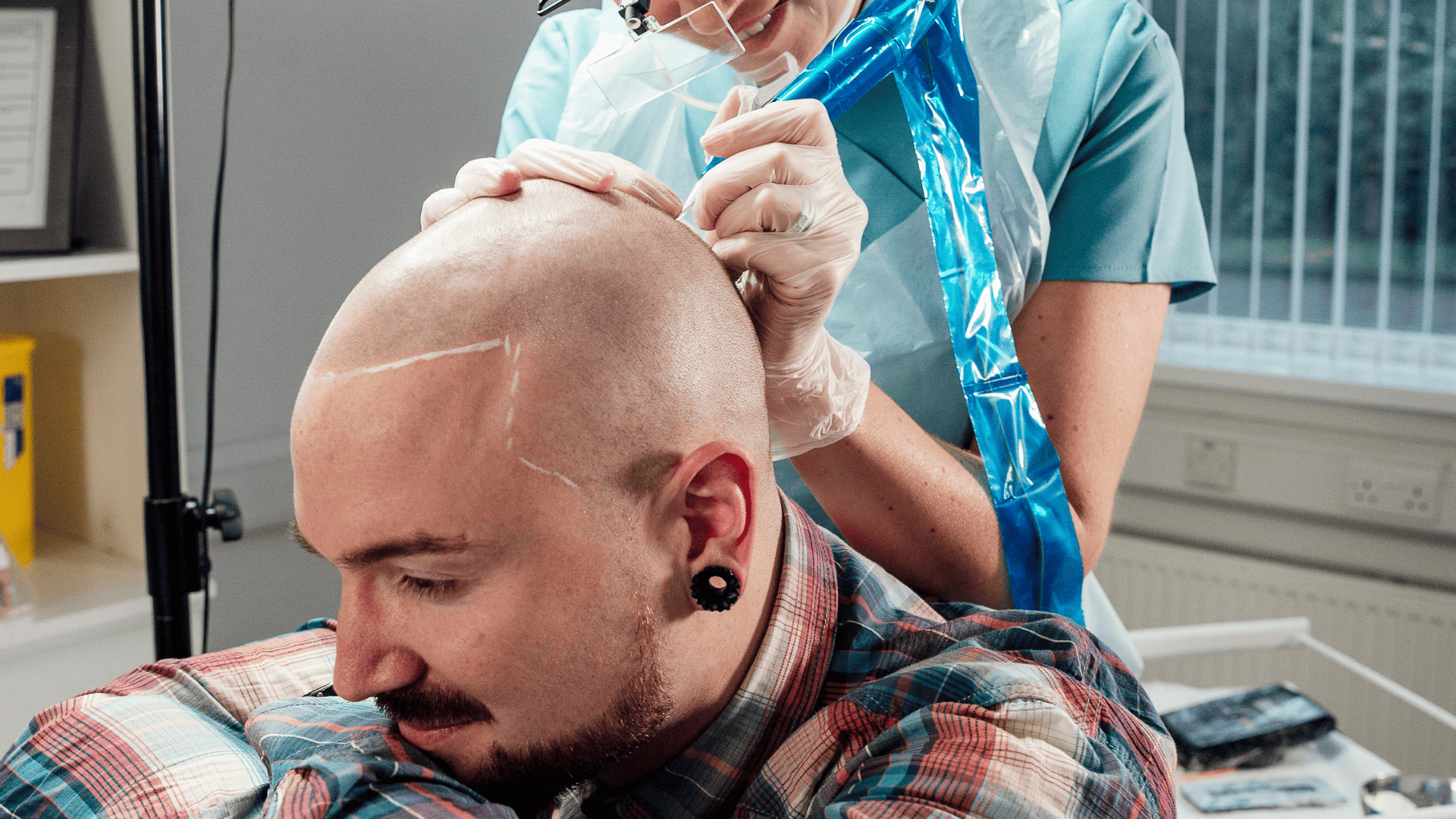
Scalp Micropigmentation (SMP) is a cutting-edge cosmetic procedure designed to create the illusion of fuller, denser hair on the scalp. This non-invasive treatment is ideal for individuals experiencing hair loss, thinning hair, or baldness, offering a solution that mimics the appearance of natural hair follicles. During the procedure, specialized pigments are applied to the scalp using fine needles, creating tiny dots that replicate the look of shaved hair or add density to thinning areas.
One of the key advantages of scalp micropigmentation is its ability to produce natural-looking results that seamlessly match the patient's hair color and skin tone. It is a popular choice for those who want to conceal bald spots, create the appearance of thicker hair, or camouflage scars from hair transplants or other scalp injuries.
SMP is typically performed over several sessions, depending on the extent of hair loss and the desired outcome. It is a minimally invasive procedure that involves little downtime, with most people able to return to their normal activities shortly after treatment. Local anesthesia is used to ensure patient comfort, making the process virtually painless.
Although scalp micropigmentation is considered semi-permanent, the results usually last for several years before any fading occurs. When needed, touch-up sessions can refresh the color and intensity of the pigment. SMP offers a long-term solution without the need for surgery, making it an appealing alternative to hair transplants. It is suitable for both men and women and can significantly boost self-confidence by restoring the appearance of a full head of hair.
Scalp Micropigmentation (SMP) has become an increasingly popular option for individuals dealing with hair thinning or hair loss. It offers a non-surgical, highly effective solution for both men and women looking to restore the appearance of a fuller, thicker head of hair. Many people opt for SMP because it provides an immediate cosmetic improvement without the need for invasive treatments like hair transplants. SMP is ideal for those who prefer a more natural, low-maintenance alternative to wigs or hairpieces. Whether you're experiencing male-pattern baldness, receding hairlines, or diffuse thinning, scalp micropigmentation can create the illusion of a shaved or closely cropped hairstyle, giving the scalp a fuller, more uniform look. It’s particularly appealing for those who don't want to undergo surgical procedures but still desire a permanent, natural-looking result that requires minimal upkeep.
Scalp Micropigmentation is a relatively straightforward, non-invasive procedure that involves applying tiny dots of pigment to the scalp using a specialized needle. These dots are strategically placed to replicate the appearance of hair follicles, creating the illusion of hair density. The process typically starts with a consultation where the technician assesses the client's scalp, hair loss pattern, and desired results. During the procedure, the technician uses a micro-needle device to deposit a specially formulated pigment into the epidermis, the outer layer of the skin. This technique is designed to mimic the look of a closely shaved head of hair or add density to thinning areas.
The procedure is done under local anesthesia to minimize any discomfort, and multiple sessions are often required to achieve the desired effect. Each session lasts between two to four hours, and the number of sessions needed depends on the extent of hair loss and the client’s personal goals. After each session, the scalp may appear slightly red, but this typically fades within a few hours to a couple of days. Clients can usually resume normal activities immediately after treatment, though they are advised to avoid excessive sweating, direct sunlight, and harsh hair care products for a few days. The final results are visible after the full treatment plan is completed, with clients experiencing a natural, fuller-looking hairline.
One of the main benefits of Scalp Micropigmentation is that it provides a permanent solution for those dealing with hair thinning or hair loss. Unlike temporary treatments, such as wigs or topical hair products, SMP creates long-lasting results that require very little maintenance. Once the procedure is completed, clients can enjoy a natural-looking hairline and increased hair density without the need for ongoing touch-ups.
SMP is also a non-invasive procedure, making it an attractive alternative for those who do not want to undergo surgery. There are no cuts, stitches, or recovery times associated with the procedure, which means there is no risk of scarring, unlike traditional hair transplants. The treatment is safe for a wide range of hair types and skin tones, and the pigment used is custom-matched to suit the client's natural hair color, ensuring a seamless and realistic result.
Another significant benefit of SMP is the quick recovery time. Since there is no surgery involved, clients can typically return to their normal daily activities immediately after the procedure. The results are immediate and can be seen after just one session, with the final, fuller look becoming evident after the full treatment plan is completed. This makes it an appealing option for individuals who want to see rapid improvement in their appearance.
Finally, Scalp Micropigmentation can also help boost self-confidence. For many individuals experiencing hair loss, SMP can be a life-changing treatment that restores their appearance and provides a solution to their concerns. By enhancing the look of the scalp and creating the appearance of a fuller head of hair, SMP gives individuals the opportunity to feel more confident in social and professional settings, making it a popular choice for those looking for a non-surgical, natural solution to hair loss.
Scalp Micropigmentation works by placing thousands of tiny pigment impressions into the upper layers of the scalp. These impressions are designed to replicate the look of natural hair follicles, creating the illusion of density or a closely shaved hairstyle. Unlike topical products, SMP does not sit on the surface of the skin but becomes part of the scalp’s appearance.
Because the technique focuses on optical density rather than actual hair growth, scalp micropigmentation is suitable for many different stages of hair loss. Whether someone has mild thinning or advanced baldness, the visual effect can be carefully adapted. This makes SMP a versatile cosmetic solution rather than a medical hair restoration treatment.
Scalp Micropigmentation appeals to a wide range of individuals affected by hair loss. It is commonly explored by people with male or female pattern baldness, but it is not limited to these cases. Individuals with thinning hair, alopecia, or visible scalp scars may also consider this option.
Because scalp micropigmentation does not rely on donor hair, it can be suitable for people who are not candidates for hair transplant surgery. It is also often chosen by those who prefer a low-maintenance appearance that does not require styling or hair growth products.
SMP is not only used for completely bald scalps. In cases of thinning hair, pigments can be added between existing hairs to reduce contrast between hair and scalp. This creates the illusion of greater thickness and fullness.
A scalp micropigmentation treatment for thinning hair focuses on density rather than a shaved look. The pigment shade and placement are carefully selected to blend naturally with existing hair. This subtle enhancement can make thinning far less noticeable in everyday lighting.
Many people choose scalp micropigmentation to recreate the appearance of a freshly shaved or buzz-cut hairstyle. This look is especially popular among individuals with advanced hair loss who prefer a clean, uniform appearance.
With scalp micropigmentation, the hairline shape, density, and fading effect can be customized. A well-designed hairline plays a key role in achieving natural results. The goal is realism rather than sharp or artificial outlines.
Scalp scars from hair transplants, injuries, or medical procedures can be difficult to conceal. SMP is often used to camouflage these scars by blending them into the surrounding scalp.
👉 Helps reduce visibility of FUT or FUE scars
👉 Creates color consistency across the scalp
👉 Blends scar tissue with surrounding areas
👉 Improves overall scalp uniformity
Using scalp micropigmentation for scar coverage can significantly improve confidence, especially when scars are visible through short hair.
One of the most important aspects of scalp micropigmentation is pigment choice. Pigments are custom-matched to suit skin tone, natural hair color, and the desired final look. This ensures the result does not appear too dark, blue, or unnatural over time.
High-quality pigments used in scalp micropigmentation are designed to fade gradually rather than change color. Proper color theory and placement techniques are essential for long-term satisfaction.
SMP is typically performed over multiple sessions rather than all at once. This layered approach allows the pigment to build up gradually and evenly. It also gives the practitioner the ability to adjust density and tone as the treatment progresses.
👉 Sessions are spaced several days apart
👉 Pigment intensity is built gradually
👉 Adjustments can be made between sessions
👉 Results look more natural over time
This staged process is a key reason scalp micropigmentation tends to produce realistic and balanced outcomes.
Scalp Micropigmentation is considered semi-permanent. While results can last for several years, gradual fading is normal due to skin regeneration and sun exposure. This fading is usually even and subtle rather than patchy.
A scalp micropigmentation touch-up can refresh pigment intensity when needed. The slow fading process allows flexibility without sudden changes in appearance.
One of the advantages of SMP is its low-maintenance nature. There is no need for special shampoos, medications, or daily styling routines. However, basic scalp care still matters.
👉 Sun protection helps preserve pigment
👉 Moisturizing supports scalp health
👉 Avoiding harsh exfoliation is recommended
👉 Healthy skin improves visual results
Proper care can extend the lifespan of scalp micropigmentation and keep the scalp looking consistent.
SMP and hair transplants address hair loss in very different ways. Hair transplants move follicles, while SMP creates a visual effect. SMP does not involve surgery, scarring, or donor areas.
For some individuals, scalp micropigmentation is used as an alternative, while others use it alongside surgical procedures. Understanding the distinction helps align expectations with outcomes.
Hair loss can affect self-image, confidence, and social comfort. Restoring the appearance of a hairline or fuller scalp can change how people feel about themselves, even without physical hair regrowth.
Many people report that scalp micropigmentation helps them feel more confident in professional and social situations. The change is often described as subtle but emotionally meaningful.
As non-surgical cosmetic treatments gain acceptance, SMP continues to grow in popularity. Advances in technique, equipment, and pigment quality have made results more natural than ever before.
The rising interest in scalp micropigmentation reflects a broader trend toward practical, low-maintenance aesthetic solutions. For many, SMP offers a balanced approach between appearance, comfort, and long-term satisfaction.
During your consultation, you will discuss your wishes, medical history, and expectations with the doctor. The doctor will examine you, take measurements if necessary, and explain which treatment suits you best, including risks and recovery. You will have the opportunity to ask questions and then receive a clear treatment proposal.
Make sure you have all relevant medical information ready, such as previous treatments, allergies, or medical conditions. This allows the doctor to give you better advice.
Payment is made securely via SurgeryBooking. You pay the amount in advance to SurgeryBooking. We hold the funds and transfer them to the clinic after your treatment. Cancellation or change conditions vary per clinic and are clearly communicated in advance.
During the consultation (online or at the clinic), the doctor will assess this based on your health, expectations, and physical characteristics. You will discuss what you want, what is possible, and what the limitations are. Sometimes there are alternatives if the chosen treatment is not ideal.
Through SurgeryBooking.com, you can quickly and easily book a consultation or procedure with doctors and clinics worldwide. SurgeryBooking.com provides an overview of doctors and clinics, allowing you to make an informed and transparent choice when booking a consultation or procedure.
You can easily book through the profile of the desired clinic or doctor. Select the desired treatment, enter your details, and choose an available date and time. If there are any costs involved, you will complete the payment first. Afterwards, you will receive a confirmation email with all the details.
Yes, during the booking process, you can indicate whether you prefer an online consultation or an in-person consultation at the clinic.
With SurgeryBooking.com, you gain access to a global network of doctors and clinics. Through SurgeryBooking.com, you can easily book a consultation or a cosmetic procedure directly. Clinic profiles provide information about available cosmetic procedures, reviews, photos of the clinic, and other relevant details. This enables you to compare costs and make an informed decision when booking a consultation or procedure.