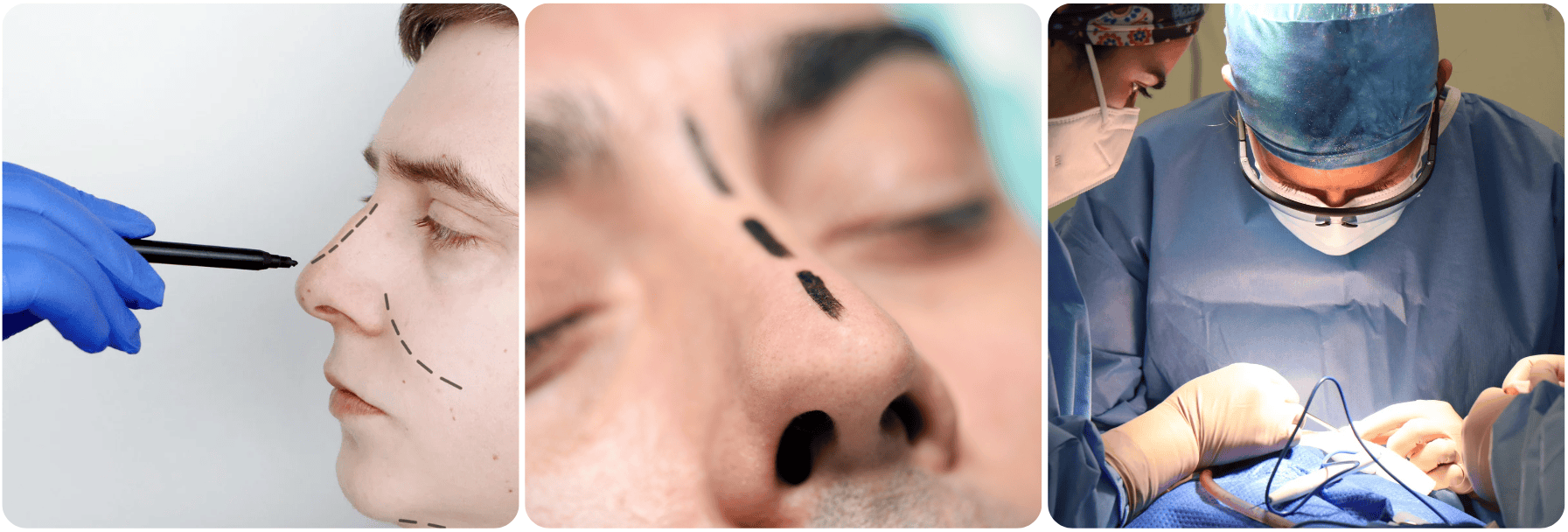
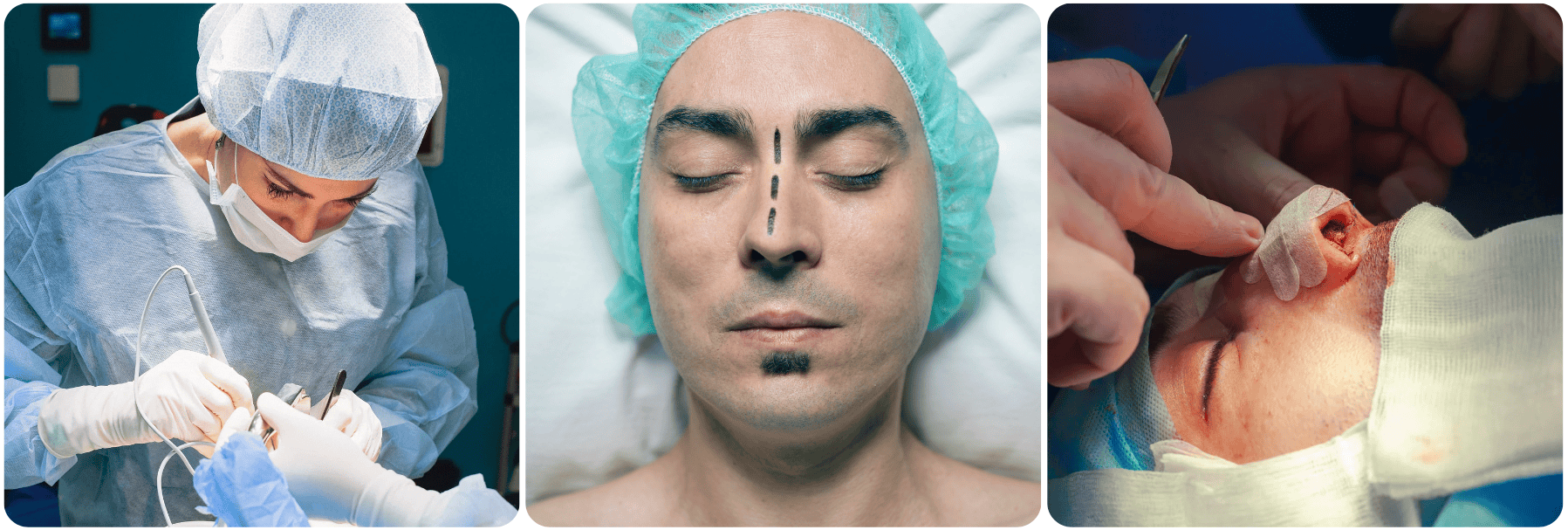
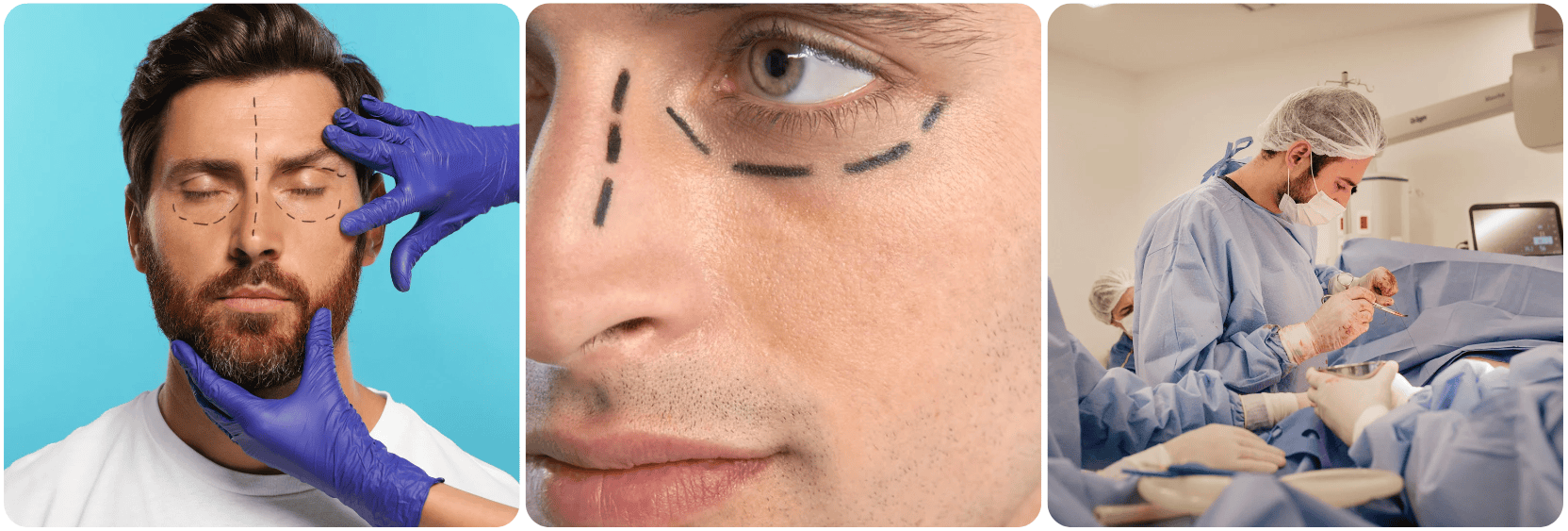
Rhinoplasty, commonly referred to as a nose job, is a surgical procedure aimed at improving the shape and function of the nose. This surgery can be performed for various reasons, including aesthetic desires, medical necessity, or a combination of both. Many individuals opt for rhinoplasty to enhance the appearance of their nose, such as removing a bump on the bridge, reducing or augmenting its size, or correcting a crooked shape.
In addition to cosmetic adjustments, rhinoplasty can also address functional issues, such as breathing difficulties caused by a deviated septum or other anatomical irregularities. In these cases, the procedure can significantly improve the quality of life, enabling patients to breathe better and experience less obstruction.
Rhinoplasty, commonly referred to as a nose job, is a surgical procedure aimed at improving the shape and function of the nose.
The process typically begins with a consultation where the patient’s desires and expectations are discussed. A thorough evaluation of the nose and face is conducted to develop an appropriate treatment plan. Various techniques can be used in rhinoplasty, including open and closed approaches. The open technique involves making a small incision on the skin between the nostrils, providing the surgeon with better access to the underlying structures. In contrast, the closed technique involves making incisions internally, resulting in less visible scarring.
Following the surgery, a recovery period is usually required. Patients may experience swelling, bruising, and discomfort, but these symptoms generally diminish over the days following the procedure. It’s crucial to follow the surgeon's instructions during recovery to achieve optimal results. Patience is also important, as the final results may take several months to become fully visible when the swelling has completely subsided.
In conclusion, rhinoplasty is a versatile and popular procedure that can offer both aesthetic and functional benefits. However, it is essential to be well-informed and to have realistic expectations before deciding to undergo a nose job. Choosing an experienced surgeon and carefully weighing the reasons for the procedure are vital steps in this process.
Rhinoplasty, commonly known as a nose job, is a surgical procedure designed to reshape or reconstruct the nose for aesthetic or functional reasons. Many individuals choose to undergo rhinoplasty to improve the appearance of their nose, whether due to dissatisfaction with its size, shape, or overall symmetry in relation to their facial features. For some, rhinoplasty may be pursued to correct specific nasal features such as a prominent bump, a wide or flared nostrils, a bulbous tip, or an imbalanced nasal profile.
Rhinoplasty, commonly known as a nose job, is a surgical procedure designed to reshape or reconstruct the nose for aesthetic or functional reasons.
Others seek rhinoplasty for functional reasons, such as improving breathing difficulties caused by structural issues like a deviated septum or nasal congestion. Rhinoplasty can enhance facial harmony, providing a more balanced and refined look, which often boosts self-esteem and confidence. In cases where breathing issues are present, rhinoplasty can offer both aesthetic benefits and functional improvements, helping individuals breathe more easily and improving their quality of life. Whether driven by cosmetic desires or medical needs, rhinoplasty offers an opportunity for patients to achieve a nose that better complements their face and addresses their personal goals.
Rhinoplasty is typically performed under general anesthesia, although some cases may require local anesthesia with sedation. The procedure usually takes between one to three hours, depending on the complexity of the surgery and the specific changes being made to the nose. There are two primary techniques for rhinoplasty: open and closed. In open rhinoplasty, the surgeon makes a small incision across the columella, the tissue between the nostrils, allowing direct access to the nasal structure. This approach is often used when more extensive changes are needed, as it gives the surgeon greater visibility and precision. In closed rhinoplasty, all incisions are made inside the nostrils, which leaves no visible external scars. This technique is usually employed for less complex adjustments.
During the procedure, the surgeon may remove or reshape bone and cartilage to achieve the desired result. If a hump on the nose needs to be reduced, the bone may be shaved down. If the nose needs to be made more prominent or the nostrils narrowed, cartilage or bone may be grafted or reshaped. The surgeon will then carefully close the incisions and apply a splint to support the nose while it heals. After the surgery, patients are typically advised to rest and avoid strenuous activities for a period of time. Swelling and bruising are common, particularly around the eyes, but these effects generally subside over a few weeks. Most patients return to normal activities within one to two weeks, although final results may not be fully visible until several months after the procedure, as the nose continues to heal and refine its shape.
The benefits of rhinoplasty are both aesthetic and functional, making it a highly transformative procedure for many individuals. One of the primary benefits is the improvement in facial appearance, as rhinoplasty allows for a more balanced and harmonious nose that complements the individual’s other facial features. Whether correcting a prominent bump, reshaping the tip, or adjusting the overall size of the nose, the procedure can create a more refined and attractive profile. Many individuals report a significant boost in confidence and self-esteem following rhinoplasty, as it allows them to feel more comfortable and satisfied with their appearance.
The benefits of rhinoplasty are both aesthetic and functional, making it a highly transformative procedure for many individuals.
In addition to aesthetic improvements, rhinoplasty can also provide functional benefits, particularly for individuals with breathing difficulties due to structural issues within the nose. Conditions like a deviated septum, which causes nasal obstruction, can be addressed during rhinoplasty to improve airflow and ease breathing. This can significantly enhance a patient’s quality of life by reducing congestion, snoring, and difficulty breathing, especially during physical activity or sleep.
For patients with both aesthetic and functional concerns, rhinoplasty offers the opportunity to address both simultaneously, achieving a more attractive nose while also improving nasal function. Furthermore, rhinoplasty is a long-lasting solution that can provide permanent results, giving patients the benefit of a refreshed appearance and better nasal health for years to come. With minimal scarring and a relatively quick recovery, rhinoplasty remains a popular and effective procedure for individuals seeking a more harmonious look and improved quality of life.
Cartilage grafts are sometimes necessary during rhinoplasty to support and shape the nose. Grafts can be harvested from the septum, ear, or rib. They are commonly used to reinforce weak areas, correct asymmetry, or enhance the nasal tip. Proper placement of cartilage grafts ensures stability and longevity of the surgical result. In some cases, multiple grafts are combined for complex reconstructions. Surgeons carefully plan grafting to maintain natural aesthetics while improving structural support.
Rhinoplasty is a highly individualized procedure, and there are several types depending on the patient's goals and anatomical needs. The most common form is cosmetic rhinoplasty, aimed at improving the appearance of the nose for aesthetic reasons. This can include smoothing a dorsal hump, refining the nasal tip, or correcting asymmetry. Functional rhinoplasty, on the other hand, focuses on improving nasal airflow and correcting internal structural problems, such as a deviated septum or collapsed nasal valves. In many cases, patients benefit from a combination of cosmetic and functional rhinoplasty, addressing both appearance and breathing in one procedure.
For patients who have had previous nasal surgery and are unhappy with the results, revision rhinoplasty may be necessary. This is typically more complex due to scar tissue or structural changes from the initial surgery. Another option is ethnic rhinoplasty, which respects and maintains the cultural and ethnic characteristics of the nose while enhancing its form and function. The surgeon carefully tailors each procedure to the individual, ensuring that the results are both natural and harmonious with the rest of the face.
A good candidate for rhinoplasty is someone who is in good general health, has realistic expectations, and is unhappy with the appearance or function of their nose. Candidates may include individuals who feel that their nose is too large or small, has a visible bump, or lacks symmetry. Others may seek the procedure to correct congenital issues, injuries, or breathing problems. Most surgeons recommend that patients wait until facial growth is complete—typically around age 16 for girls and 17 for boys—before undergoing rhinoplasty.
Psychological readiness is also an important factor. Since the nose is a central facial feature, changes can have a profound impact on a person's self-image. Therefore, it’s essential that the decision to undergo rhinoplasty is self-motivated rather than influenced by outside pressure. A consultation with a qualified surgeon will help determine whether rhinoplasty is appropriate and what kind of results can be realistically achieved.
Rhinoplasty results are generally permanent, which is one of the major benefits of the procedure. Once the nose has fully healed, typically within 12 to 18 months, the new shape should remain stable for life, barring any trauma or injury. However, it's important to note that subtle changes may continue to occur over time as part of the natural aging process. Factors such as skin thickness, surgical technique, and post-operative care all play a role in how the final result turns out and how long it will last.
To maintain the best possible outcome, following your surgeon’s post-operative instructions is essential. Avoiding trauma to the nose, protecting it from sun exposure, and attending follow-up appointments all contribute to long-term success. In most cases, patients enjoy lasting improvements in both appearance and function, with no need for additional procedures.
Proper preparation is essential for a successful rhinoplasty outcome. Prior to surgery, patients undergo a thorough medical evaluation, including a review of their health history and any medications or supplements they are taking. Surgeons may advise discontinuing certain medications, such as blood thinners, to reduce the risk of bleeding. Pre-operative photographs are often taken to document the nose’s current shape and to assist in surgical planning. Patients are also instructed to avoid smoking, as it can impair healing. Ensuring adequate rest, proper hydration, and a balanced diet can help optimize recovery and support the body during the healing process.
Ethnic rhinoplasty respects the natural characteristics of different facial features while enhancing harmony. Surgeons take into account skin thickness, nasal structure, and cultural aesthetics. Adjustments are made to refine the shape without altering ethnic identity. Common goals may include tip definition, nostril reshaping, or bridge augmentation. This approach ensures a natural, proportionate outcome tailored to each patient’s heritage and appearance.
Revision rhinoplasty is performed to correct or refine previous nasal surgeries. Scar tissue, structural weaknesses, or unsatisfactory results may necessitate a second procedure. Revision cases often require advanced surgical techniques and careful planning. Patients considering revision surgery should consult an experienced surgeon with a strong track record. Outcomes can significantly improve both appearance and function when handled by a skilled specialist.
Most rhinoplasty procedures are performed under general anesthesia, ensuring comfort throughout the surgery. In some minor cases, local anesthesia with sedation may be appropriate. Anesthesia choice depends on patient health, surgical complexity, and surgeon preference. Proper anesthesia management reduces discomfort, allows for precise surgery, and supports a smoother recovery process.
Refining the nasal tip is one of the most delicate aspects of rhinoplasty. Surgeons may use suturing techniques, cartilage reshaping, or grafting to achieve a defined tip. Adjustments can include rotation, projection, or narrowing of the tip. Careful attention to symmetry and proportion ensures that the tip complements the rest of the nose and face. The procedure may be combined with bridge modification for a balanced appearance.
Nasal trauma can result in deformities that affect both appearance and function. Rhinoplasty can restore the original shape, correct fractures, and improve breathing. Surgeons assess bone and cartilage alignment and may use grafts to reconstruct damaged areas. Timing is important, as early intervention after injury often produces better outcomes. Trauma rhinoplasty combines aesthetic and functional benefits, restoring both form and respiratory function.
Sometimes rhinoplasty is combined with septoplasty to correct a deviated septum. This dual approach addresses both aesthetic concerns and breathing difficulties. Septoplasty realigns the nasal septum, improving airflow and reducing obstruction. When performed with rhinoplasty, patients benefit from both cosmetic enhancement and functional improvement. The combined procedure is tailored to individual anatomy for a harmonious result.
Non-surgical rhinoplasty uses dermal fillers to temporarily modify the nose shape. Fillers can smooth bumps, lift the tip, or adjust symmetry without surgery. Results are immediate but typically last 6 to 18 months. This approach is ideal for patients seeking minor changes or wishing to preview surgical outcomes. While non-surgical options do not improve breathing, they provide a minimally invasive way to enhance appearance.
Consistent follow-up care is crucial after rhinoplasty. Surgeons monitor healing, remove sutures or splints, and assess swelling. Patients are advised to avoid contact sports, heavy lifting, and sun exposure. Proper adherence to follow-up schedules reduces complications and supports optimal results. Surgeons may also provide guidance on long-term nasal maintenance and lifestyle adjustments to preserve the surgical outcome.
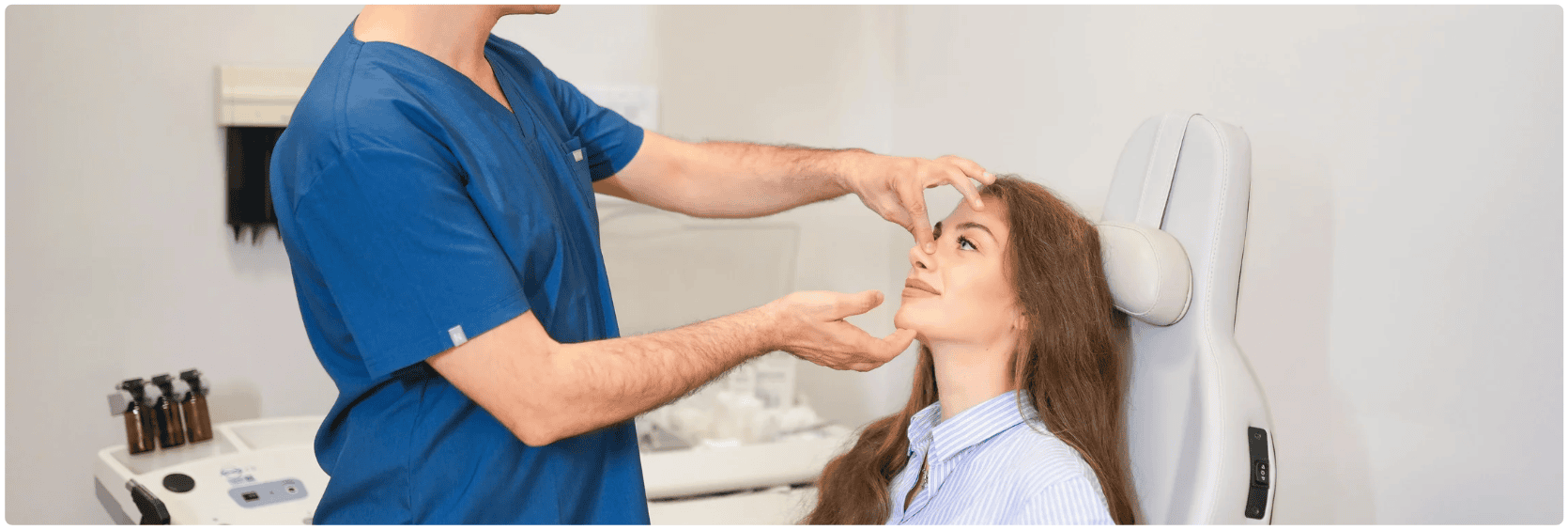
During your consultation, you will discuss your wishes, medical history, and expectations with the doctor. The doctor will examine you, take measurements if necessary, and explain which treatment suits you best, including risks and recovery. You will have the opportunity to ask questions and then receive a clear treatment proposal.
Make sure you have all relevant medical information ready, such as previous treatments, allergies, or medical conditions. This allows the doctor to give you better advice.
Payment is made securely via SurgeryBooking. You pay the amount in advance to SurgeryBooking. We hold the funds and transfer them to the clinic after your treatment. Cancellation or change conditions vary per clinic and are clearly communicated in advance.
During the consultation (online or at the clinic), the doctor will assess this based on your health, expectations, and physical characteristics. You will discuss what you want, what is possible, and what the limitations are. Sometimes there are alternatives if the chosen treatment is not ideal.
Through SurgeryBooking.com, you can quickly and easily book a consultation or procedure with doctors and clinics worldwide. SurgeryBooking.com provides an overview of doctors and clinics, allowing you to make an informed and transparent choice when booking a consultation or procedure.
You can easily book through the profile of the desired clinic or doctor. Select the desired treatment, enter your details, and choose an available date and time. If there are any costs involved, you will complete the payment first. Afterwards, you will receive a confirmation email with all the details.
Yes, during the booking process, you can indicate whether you prefer an online consultation or an in-person consultation at the clinic.
With SurgeryBooking.com, you gain access to a global network of doctors and clinics. Through SurgeryBooking.com, you can easily book a consultation or a cosmetic procedure directly. Clinic profiles provide information about available cosmetic procedures, reviews, photos of the clinic, and other relevant details. This enables you to compare costs and make an informed decision when booking a consultation or procedure.