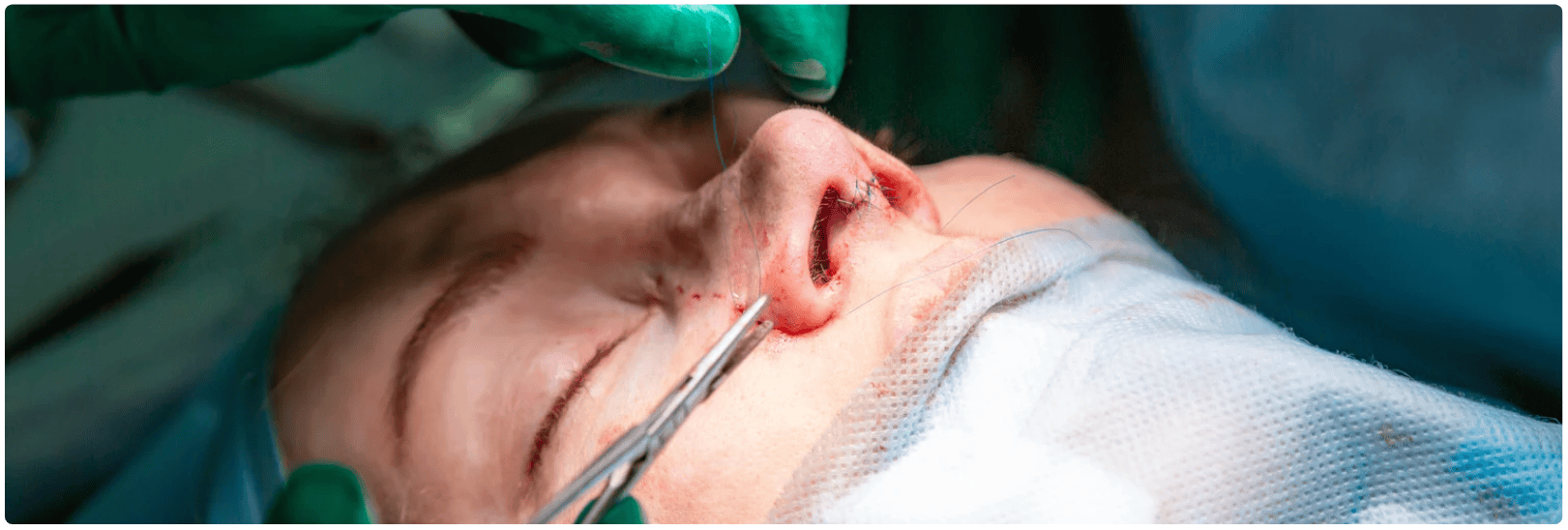
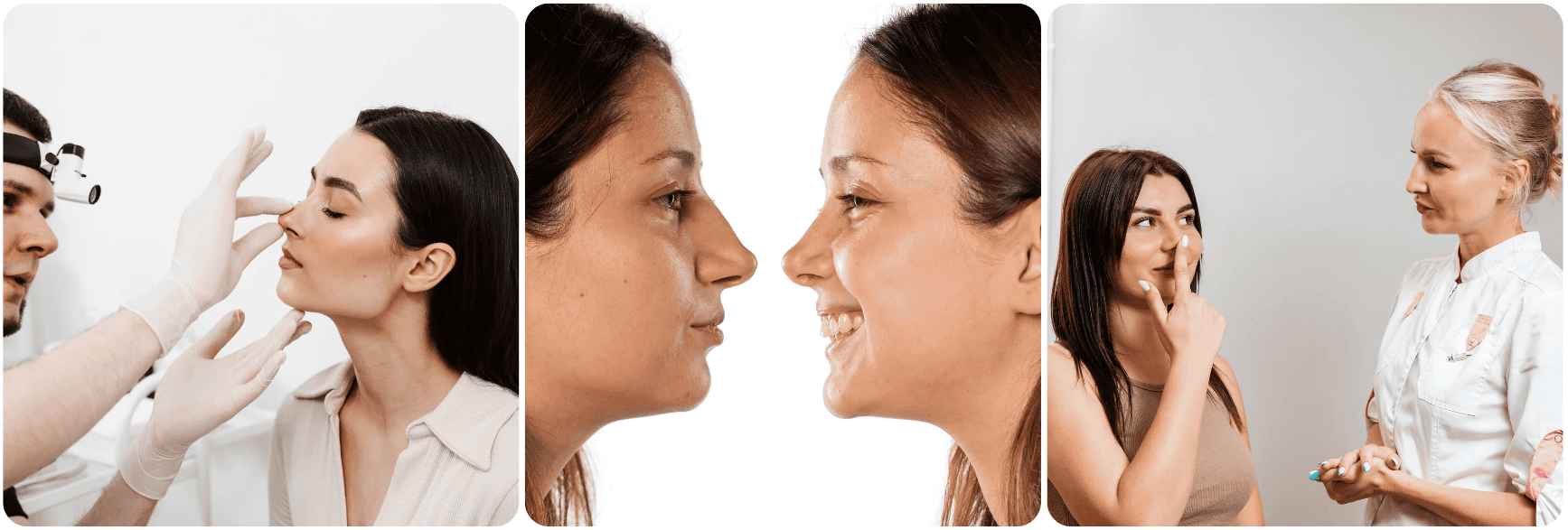
Revision rhinoplasty, also known as secondary rhinoplasty, is a surgical procedure aimed at correcting or improving the results of a previous nose surgery. This intervention is designed for patients who are dissatisfied with the outcome of an initial rhinoplasty or who have experienced complications following the surgery. Reasons for seeking revision rhinoplasty may include aesthetic issues such as asymmetry, dissatisfaction with the shape or size of the nose, or functional problems like breathing difficulties due to structural changes.
The procedure is often more complex than a primary rhinoplasty, as the surgeon must navigate existing scar tissue and any anatomical changes that occurred during the initial surgery. It requires a high level of skill and experience to achieve the desired results. During revision rhinoplasty, the surgeon may need to reposition, remove, or add cartilage or other tissues to restore both the appearance and function of the nose.
Revision rhinoplasty, also known as secondary rhinoplasty, is a surgical procedure aimed at correcting or improving the results of a previous nose surgery.
The recovery process after revision rhinoplasty can take longer than that of the initial surgery, as the tissue may be more sensitive and require extra care during healing. However, when performed successfully, revision rhinoplasty can significantly enhance both the aesthetic appearance and functional capability of the nose, leading to improved patient satisfaction and emotional well-being.
Revision rhinoplasty, also known as secondary rhinoplasty, is a surgical procedure performed to correct or improve the results of a previous rhinoplasty that did not achieve the desired outcome or resulted in complications. Many individuals seek revision rhinoplasty if they are unhappy with the aesthetic results of their initial nose surgery, such as an asymmetrical nose, a dorsal hump that was not fully corrected, or an unnatural nasal shape. Other reasons for revision may include breathing difficulties that arose after the initial surgery, such as a collapsed nasal valve or deviated septum that was not properly addressed. Revision rhinoplasty can also be necessary if the nose heals poorly, leading to irregularities or other functional issues that need to be addressed. Patients who are considering this procedure typically have specific goals for achieving a more balanced, symmetrical, and functional nose.
Since revision rhinoplasty is more complex than a primary rhinoplasty, it requires a highly skilled surgeon with expertise in nasal anatomy and previous surgical techniques. For those who are dissatisfied with the results of their first surgery, revision rhinoplasty offers an opportunity to achieve the look and function they initially desired, improving both appearance and quality of life.
Revision rhinoplasty often requires advanced techniques that go beyond those used in primary surgeries. Surgeons must carefully evaluate the condition of the cartilage, bone, and skin before deciding which method will provide the best outcome. Techniques may involve reshaping nasal bones, reinforcing weak structures, or adding new tissue for support. Cartilage grafting is a common approach, ensuring the nose maintains both strength and symmetry over time. Surgeons may also use special suturing methods to refine tip definition or improve stability. Every case is unique, meaning the surgeon must combine precision with creativity. The goal is always to achieve a natural appearance while restoring proper breathing. When performed correctly, these techniques make revision rhinoplasty a transformative solution for complex nasal concerns.
To restore proper shape and function, surgeons often rely on different grafting materials during revision rhinoplasty. These materials can come from the patient’s own body or be sourced from alternative medical-grade options. Some of the most frequently used include:
Septal cartilage, when available, which is ideal for minor structural corrections
Ear cartilage, often chosen for tip refinement and smaller grafts
Rib cartilage, preferred for major reconstructions requiring strong support
Fascia tissue, used to smooth surfaces or cover irregularities
Synthetic implants, though less common, may be considered in specific situations
Each option has its advantages and limitations, and the surgeon will decide based on the complexity of the case. Using the right material ensures stability, durability, and a natural-looking result. Patients should feel comfortable asking their surgeon why a specific material is recommended for their procedure.
Revision rhinoplasty is a more complex procedure than primary rhinoplasty because it involves working with previously altered nasal structures. The surgery is performed under general anesthesia and can take several hours, depending on the extent of the changes needed. In revision rhinoplasty, the surgeon may need to rebuild or restructure the nose by using cartilage grafts taken from other areas of the body, such as the ear, rib, or septum, to achieve the desired outcome. This is often necessary if the original cartilage has been over-reduced or if the structural integrity of the nose has been compromised.
The approach can vary depending on the individual’s needs and the type of correction required. In many cases, the surgeon will use an open rhinoplasty technique, making an incision across the columella (the tissue between the nostrils) to gain better access to the underlying nasal structures. In other cases, closed rhinoplasty may be appropriate, where incisions are made inside the nostrils to correct internal issues without leaving visible scars. During the procedure, the surgeon will adjust the nasal bones, cartilage, and skin to improve both the appearance and function of the nose. If there are issues with breathing, the surgeon may also repair a deviated septum or address any airway blockages.
Post-surgery, patients typically experience swelling and bruising, especially around the nose and eyes, which may last for a few weeks. Since revision rhinoplasty is often more intricate than primary rhinoplasty, recovery can take longer, with final results taking up to a year or more to fully materialize as the nose settles into its new shape. Most patients can return to normal activities within a couple of weeks, but they should avoid strenuous physical activity and heavy lifting during the initial recovery phase.
Because revision rhinoplasty is more complex than a primary procedure, costs are generally higher. Patients should keep in mind that pricing often reflects the surgeon’s expertise, the complexity of the corrections, and the resources required. Factors that may influence cost include:
The need for cartilage grafting from rib or ear
The length and difficulty of the surgery
Whether advanced imaging or special techniques are used
Anesthesia and hospital or clinic fees
Postoperative care and follow-up visits
While cost is an important factor, choosing a surgeon based solely on price can be risky. The skill and experience of the surgeon are critical in achieving a successful outcome. Many patients view revision rhinoplasty as a long-term investment in both function and appearance.
The primary benefit of revision rhinoplasty is the opportunity to correct or refine the results of a previous rhinoplasty, whether for aesthetic reasons or to resolve functional problems such as breathing difficulties. For individuals dissatisfied with the outcome of their first procedure, revision rhinoplasty offers a chance to achieve a more natural, balanced, and symmetrical nose that complements their facial features. It can help address issues such as an uneven nose, an over-corrected or under-corrected nasal structure, or a nose that does not fit well with the rest of the face. The procedure can also improve the functionality of the nose, restoring the ability to breathe properly if complications such as a deviated septum or collapsed nasal passages occurred after the initial surgery.
The primary benefit of revision rhinoplasty is the opportunity to correct or refine the results of a previous rhinoplasty, whether for aesthetic reasons or to resolve functional problems such as breathing difficulties.
Revision rhinoplasty allows patients to achieve the look and function they initially desired, providing both cosmetic and functional improvements. The procedure can also give individuals a renewed sense of confidence and satisfaction with their appearance, as they can now enjoy a more harmonious and proportionate nose that enhances their facial aesthetics. Since the surgery is performed by highly skilled specialists, revision rhinoplasty can help correct mistakes from previous surgeries and address complications that may have been overlooked or improperly treated. While the recovery process can be longer compared to primary rhinoplasty, the results of revision rhinoplasty are often permanent, giving patients a lasting improvement in their appearance and nasal function. Ultimately, revision rhinoplasty offers a solution for those who are seeking a refined, natural-looking nose after an initial surgery that did not meet their expectations or created functional concerns.
One of the biggest challenges in revision rhinoplasty is working with nasal tissue that has already been surgically altered. Scar tissue, weakened cartilage, and previous structural changes can make the procedure much more complex. In some cases, the nose may lack sufficient support or material from the original structures, requiring the use of grafts from the ear, rib, or septum. Skin elasticity may also be reduced, especially if the initial surgery was aggressive or performed multiple times. These factors demand a high level of precision, experience, and creativity from the surgeon to achieve both aesthetic and functional success.
Not everyone who is unhappy with the results of a previous nose surgery is immediately a good candidate for revision rhinoplasty. The ideal candidate is in good overall health, does not smoke, and has realistic expectations about the outcome. It’s also important that the patient has allowed sufficient time—usually 12 to 18 months—for the nose to fully heal from the initial surgery. In that time, swelling subsides and the final shape becomes clear, allowing for a more accurate assessment of what needs to be corrected. Emotional readiness is also key, as undergoing a second surgery can be mentally and physically demanding.
Not everyone who is unhappy with the results of a previous nose surgery is immediately a good candidate for revision rhinoplasty.
A disappointing outcome from a primary rhinoplasty can lead to more than just physical dissatisfaction—it can deeply affect self-esteem and emotional well-being. People may feel frustrated, embarrassed, or even regretful after their first surgery, especially if the changes are very noticeable or impair breathing. Revision rhinoplasty offers hope for these individuals by providing a second chance to achieve the appearance and function they initially hoped for. With the right support and a skilled surgeon, many patients find renewed confidence and peace of mind following their revision procedure.
Recovery after revision rhinoplasty is generally longer and sometimes more delicate than after a primary rhinoplasty. Swelling can take many months to fully resolve, and the final results might not be visible for up to a year or more. Patients should closely follow their surgeon’s aftercare instructions to avoid complications. This includes avoiding strenuous activities, not blowing the nose, and sleeping with the head elevated for several weeks. Regular follow-up appointments are also important to monitor healing progress. Using cold compresses, staying hydrated, and avoiding salt can also help manage swelling in the early stages.
Selecting the right surgeon is crucial for the success of revision rhinoplasty. Because the procedure is more complex than a first-time nose surgery, it should be performed by a specialist with extensive experience in secondary rhinoplasty techniques. Look for a board-certified facial plastic surgeon or ENT specialist who has a strong portfolio of revision cases and can provide before-and-after photos. A thorough consultation is essential, during which the surgeon should assess nasal structure, discuss goals, and explain realistic outcomes. Trust and communication play a big role in achieving a satisfying final result.
The type of anesthesia used in revision rhinoplasty depends on the complexity of the surgery and the patient’s health. General anesthesia is the most common choice, as it allows the surgeon to work without movement and ensures patient comfort during longer procedures. For less extensive revisions, sedation with local anesthesia may sometimes be considered. The decision is typically discussed during the consultation to balance safety, comfort, and surgical needs. Modern anesthesia techniques have greatly improved recovery times, making the process safer than ever. Patients are usually able to go home the same day, though more complex surgeries may require an overnight stay. It is important to follow preoperative guidelines such as fasting and medication adjustments. With proper planning, anesthesia in revision rhinoplasty is both safe and effective.
While many patients seek revision rhinoplasty for aesthetic corrections, functional improvements are often just as important. A secondary procedure can restore proper airflow, correct internal collapse, and resolve breathing obstructions. Functional corrections may include:
Straightening a deviated septum not fully treated in the first surgery
Rebuilding weakened nasal valves that affect airflow
Strengthening cartilage to support collapsed passages
Reducing internal scar tissue that blocks breathing
Reconstructing overly narrowed nostrils
These improvements not only enhance daily comfort but also support long-term nasal health. Patients who suffered breathing difficulties after their first surgery often experience dramatic relief after revision rhinoplasty. This balance of function and aesthetics is one of the defining features of a successful outcome.
The success of revision rhinoplasty is often measured by how well the results hold up over time. Unlike temporary cosmetic treatments, the changes made during this surgery are designed to be permanent. Structural reinforcement ensures that the nose does not collapse or distort as the years pass. Once swelling has completely resolved, the shape achieved is generally stable for life. Patients can expect their breathing improvements to last as well, provided they follow proper aftercare and maintain overall health.
It is normal for subtle changes to occur as skin and tissues age, but these are part of the natural aging process. With careful surgical planning, revision rhinoplasty offers durable outcomes. This long-lasting stability is one of the reasons patients consider the procedure a worthwhile investment.
Proper preparation is key to ensuring the best possible outcome from revision rhinoplasty. Patients are usually advised to follow specific steps before surgery, such as:
Quitting smoking several weeks in advance to improve healing
Avoiding certain medications or supplements that increase bleeding risk
Arranging help for the first days after surgery
Following a healthy diet and staying hydrated
Attending all pre-surgical consultations and tests
These preparations not only make the surgery safer but also support faster recovery. Surgeons often stress the importance of patience and realistic expectations before moving forward. By taking these steps seriously, patients give themselves the best chance of achieving their desired result.
Modern technology plays a crucial role in planning revision rhinoplasty. Many surgeons use advanced imaging techniques to create a visual simulation of possible results. This allows both patient and surgeon to discuss goals more clearly and align expectations. Digital imaging can highlight structural issues that may not be obvious in a physical examination. It can also help identify whether grafting or reconstruction will be necessary. By visualizing different outcomes, patients gain a better understanding of what is realistically achievable. Surgeons benefit as well, since they can use imaging to plan precise surgical strategies. This technology makes revision rhinoplasty not only safer but also more predictable.
The condition of the skin plays a major role in the outcome of revision rhinoplasty. Thicker skin may mask fine structural details, while thinner skin can reveal even the smallest irregularities. If the first surgery caused trauma or scarring, skin elasticity may also be reduced. Surgeons must carefully assess skin quality to plan realistic results. In some cases, techniques to improve skin flexibility or camouflage imperfections may be recommended.
Patients can support healthy skin by maintaining hydration and following pre- and post-surgical care instructions. Understanding how skin quality influences results helps set realistic expectations. It also highlights why revision rhinoplasty requires such specialized expertise.
Many patients travel internationally to undergo revision rhinoplasty with experienced surgeons. When considering surgery abroad, there are several important factors to plan for:
Choosing a clinic with proven experience in secondary rhinoplasty
Scheduling enough time for recovery before returning home
Arranging accommodation close to the clinic for follow-up visits
Checking visa requirements and travel insurance coverage
Bringing medical records and previous surgical details for the new surgeon
Traveling for revision rhinoplasty can be a practical solution, especially when seeking renowned specialists. However, it requires careful organization to ensure both safety and comfort. Patients should also plan for virtual or long-term follow-up care once they return home. With the right preparation, undergoing revision rhinoplasty abroad can be a smooth and successful experience.
During your consultation, you will discuss your wishes, medical history, and expectations with the doctor. The doctor will examine you, take measurements if necessary, and explain which treatment suits you best, including risks and recovery. You will have the opportunity to ask questions and then receive a clear treatment proposal.
Make sure you have all relevant medical information ready, such as previous treatments, allergies, or medical conditions. This allows the doctor to give you better advice.
Payment is made securely via SurgeryBooking. You pay the amount in advance to SurgeryBooking. We hold the funds and transfer them to the clinic after your treatment. Cancellation or change conditions vary per clinic and are clearly communicated in advance.
During the consultation (online or at the clinic), the doctor will assess this based on your health, expectations, and physical characteristics. You will discuss what you want, what is possible, and what the limitations are. Sometimes there are alternatives if the chosen treatment is not ideal.
Through SurgeryBooking.com, you can quickly and easily book a consultation or procedure with doctors and clinics worldwide. SurgeryBooking.com provides an overview of doctors and clinics, allowing you to make an informed and transparent choice when booking a consultation or procedure.
You can easily book through the profile of the desired clinic or doctor. Select the desired treatment, enter your details, and choose an available date and time. If there are any costs involved, you will complete the payment first. Afterwards, you will receive a confirmation email with all the details.
Yes, during the booking process, you can indicate whether you prefer an online consultation or an in-person consultation at the clinic.
With SurgeryBooking.com, you gain access to a global network of doctors and clinics. Through SurgeryBooking.com, you can easily book a consultation or a cosmetic procedure directly. Clinic profiles provide information about available cosmetic procedures, reviews, photos of the clinic, and other relevant details. This enables you to compare costs and make an informed decision when booking a consultation or procedure.