Radiofrequency therapy (RF therapy) is a non-invasive treatment that uses electromagnetic waves, specifically radiofrequency waves, to heat targeted tissues within the body. These waves, typically in the frequency range of 0.3 to 10 megahertz, are delivered through a device that applies them either to the skin’s surface or directly to underlying tissues. The heat generated by the waves can stimulate cells to regenerate or break down, depending on the specific therapeutic goal.
One of the most common uses of RF therapy is in the cosmetic field, where it is employed to tighten skin and reduce the appearance of wrinkles or cellulite. By focusing the heat on deeper layers of the skin, the production of collagen is encouraged. Collagen is a protein responsible for the skin's elasticity and firmness. As we age, collagen production decreases, leading to sagging skin and wrinkle formation. Radiofrequency therapy offers a way to slow or even reverse this natural aging process, without the need for surgical procedures.
RF therapy is also used in medical settings for pain relief, particularly in cases of chronic joint pain or back issues. The radiofrequency waves can be directed at specific nerves to reduce the transmission of pain signals. This is often done by heating the nerves, which temporarily disables their function. This type of treatment can provide long-lasting pain relief without the need for medication, making it an attractive option for people suffering from chronic pain conditions.
Radiofrequency therapy is generally considered safe when administered by a trained professional. The treatment is usually painless or only mildly uncomfortable, though some individuals may experience a warm or tingling sensation during the procedure. The results vary depending on the type of treatment, the intensity of the procedure, and the body's individual response. Multiple sessions are often needed to achieve the desired outcome, particularly in cosmetic treatments. There is typically no downtime required after a session, making RF therapy a popular choice for those seeking an effective, minimally invasive option.
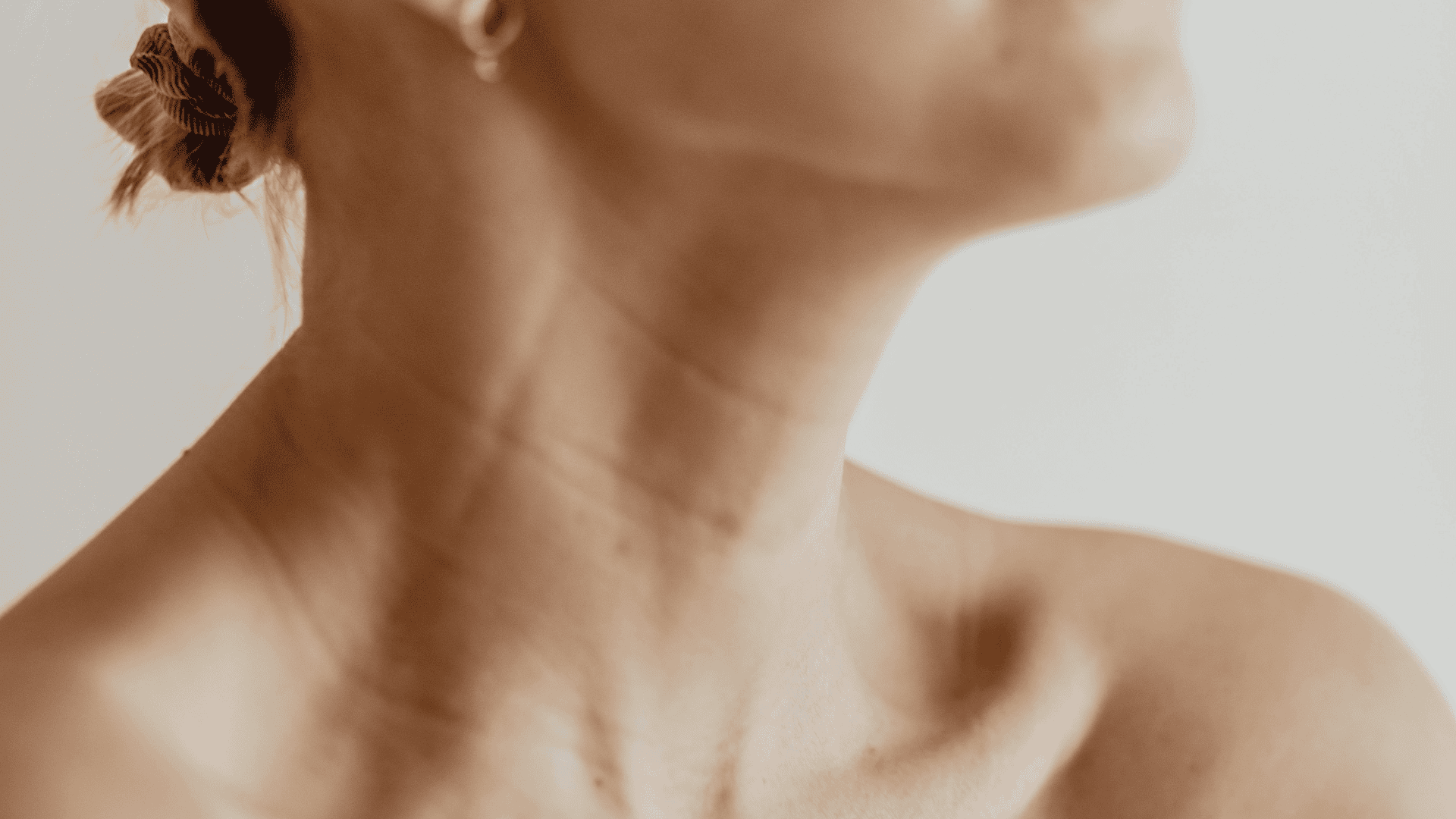
Radiofrequency therapy has become a popular and effective non-invasive treatment for rejuvenating the neck area. The neck is often one of the first places to show signs of aging, such as sagging skin, fine lines, and wrinkles, but many people seek non-surgical solutions to address these concerns. Radiofrequency therapy offers an excellent alternative by using energy waves to stimulate collagen production and tighten the skin, resulting in a smoother, more youthful neck. One of the primary reasons people choose radiofrequency therapy for the neck is its ability to target the deep layers of the skin without damaging the surface, which makes it safe and effective for sensitive areas like the neck. The procedure is non-invasive, requires no downtime, and is suitable for individuals looking for subtle yet noticeable results. It is particularly effective for those with mild to moderate skin laxity, providing a gradual lifting effect that improves skin tone and texture over time. Radiofrequency therapy for the neck is a great choice for individuals who want to avoid the risks and recovery time associated with surgical options, while still achieving natural, long-lasting results.
Radiofrequency therapy for the neck is a relatively quick and comfortable procedure. During the treatment, a handheld device is used to deliver controlled radiofrequency energy into the skin. The energy penetrates the skin layers and heats the underlying tissue, stimulating the production of collagen and elastin, which are essential for maintaining skin elasticity and firmness. Before the procedure begins, a cooling gel is applied to the neck to ensure comfort, and the treatment area is marked for precision. The practitioner then moves the device over the neck, where it delivers gentle heat to the targeted areas. Patients may experience a mild warming sensation during the treatment, but the procedure is generally well-tolerated and does not require any anesthesia. A typical session lasts about 30 to 60 minutes, depending on the size of the treatment area. After the session, there is no downtime, and patients can resume their normal activities immediately. Some redness or mild swelling may occur temporarily, but these side effects usually subside within a few hours. For optimal results, a series of treatments may be recommended, spaced a few weeks apart, with visible improvements starting to appear after a few sessions.
Radiofrequency therapy offers several significant benefits for the neck, particularly for individuals seeking to rejuvenate the area without undergoing surgery. One of the main advantages is its ability to tighten and lift the skin by stimulating collagen production. This helps reduce the appearance of sagging, fine lines, and wrinkles around the neck, resulting in a firmer, more youthful appearance. Unlike invasive treatments, radiofrequency therapy is non-surgical, requires no recovery time, and carries minimal risk, making it a popular option for those seeking a more convenient solution. The gradual improvement in skin texture and tone over time is another benefit, as the collagen remodeling process continues even after the treatment. Additionally, radiofrequency therapy helps improve overall skin quality, providing smoother and more even skin, making it an excellent option for individuals with crepey skin or uneven texture. Because the treatment is non-invasive, there are no visible scars, and the results look natural and subtle. Radiofrequency therapy is also customizable, allowing the practitioner to adjust the settings based on the severity of the skin concerns and the desired outcome. With regular treatments, patients can enjoy long-lasting improvements in the appearance of their neck, achieving a more toned, rejuvenated, and youthful look.
During your consultation, you will discuss your wishes, medical history, and expectations with the doctor. The doctor will examine you, take measurements if necessary, and explain which treatment suits you best, including risks and recovery. You will have the opportunity to ask questions and then receive a clear treatment proposal.
Make sure you have all relevant medical information ready, such as previous treatments, allergies, or medical conditions. This allows the doctor to give you better advice.
Payment is made securely via SurgeryBooking. You pay the amount in advance to SurgeryBooking. We hold the funds and transfer them to the clinic after your treatment. Cancellation or change conditions vary per clinic and are clearly communicated in advance.
During the consultation (online or at the clinic), the doctor will assess this based on your health, expectations, and physical characteristics. You will discuss what you want, what is possible, and what the limitations are. Sometimes there are alternatives if the chosen treatment is not ideal.
Through SurgeryBooking.com, you can quickly and easily book a consultation or procedure with doctors and clinics worldwide. SurgeryBooking.com provides an overview of doctors and clinics, allowing you to make an informed and transparent choice when booking a consultation or procedure.
You can easily book through the profile of the desired clinic or doctor. Select the desired treatment, enter your details, and choose an available date and time. If there are any costs involved, you will complete the payment first. Afterwards, you will receive a confirmation email with all the details.
Yes, during the booking process, you can indicate whether you prefer an online consultation or an in-person consultation at the clinic.
With SurgeryBooking.com, you gain access to a global network of doctors and clinics. Through SurgeryBooking.com, you can easily book a consultation or a cosmetic procedure directly. Clinic profiles provide information about available cosmetic procedures, reviews, photos of the clinic, and other relevant details. This enables you to compare costs and make an informed decision when booking a consultation or procedure.