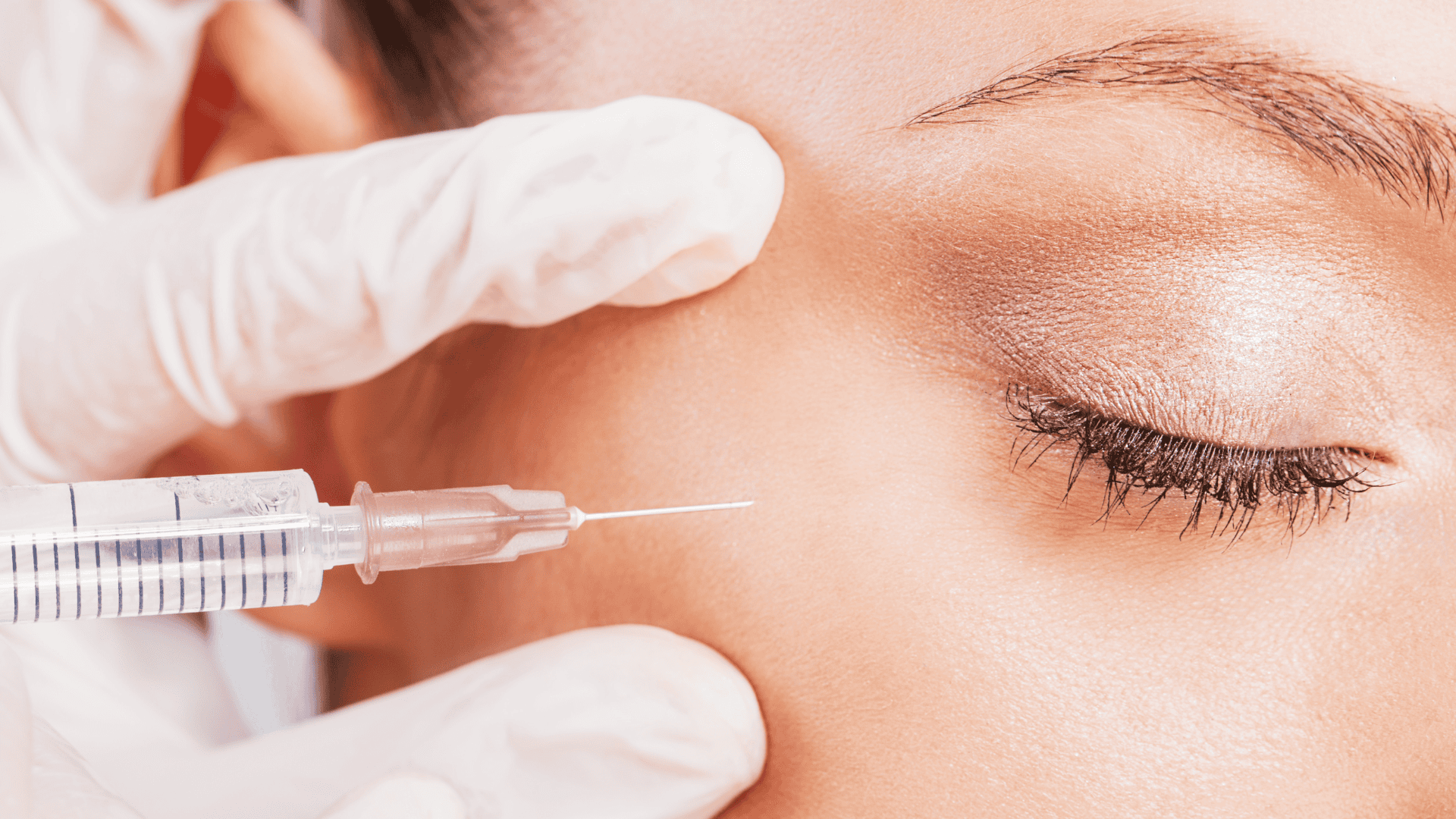
PRP injections, or Platelet-Rich Plasma injections, represent an innovative approach in aesthetic medicine that utilizes the patient’s own blood to promote skin rejuvenation and healing. This treatment has gained popularity for its effective and natural method of addressing signs of aging and improving skin quality. The process begins with a small amount of blood being drawn from the patient, usually from the arm. This blood is then placed in a centrifuge, which spins it at high speed to separate its various components. The result is a concentrated solution of platelets and growth factors, which are crucial for the body’s healing processes.
The primary goal of PRP injections is to stimulate the body’s natural healing and regeneration of the skin. The growth factors present in PRP not only encourage the production of collagen and elastin but also enhance blood circulation in the treated areas. This helps improve skin texture, reduce wrinkles and fine lines, and promote a healthy, radiant complexion. PRP is particularly effective for areas such as the face, neck, décolletage, and hands, where signs of aging are often most prominent.
One of the major advantages of PRP injections is that it is a minimally invasive procedure. Unlike traditional cosmetic surgeries, which may involve significant recovery time and associated risks, the side effects of PRP injections are generally mild. The likelihood of allergic reactions or rejection is very low since the treatment uses the patient’s own blood. After the injections, some temporary side effects may occur, such as slight swelling, bruising, or sensitivity at the injection sites; however, these usually resolve within a few days.
The treatment itself is relatively quick, often taking less than an hour to complete, depending on the size of the area being treated and the specific desires of the patient. Patients are usually encouraged to undergo a series of treatments, with the frequency and number of sessions tailored to their individual skin type and desired outcomes. The effects of PRP injections are not immediately visible; it may take several weeks to months for the full results to manifest as the skin continues to heal and renew itself.
In addition to its aesthetic benefits, PRP is increasingly being used for other medical applications, such as promoting the healing of injuries, reducing scars, and even stimulating hair growth. The versatility of PRP makes it an attractive option for many patients seeking a natural and effective treatment.
Before deciding to undergo PRP injections, it is crucial to have a thorough consultation with a qualified professional. During this consultation, the practitioner can assess the specific skin needs of the patient, discuss potential risks and side effects, and develop a personalized treatment plan. It is essential to have realistic expectations regarding the outcomes and to understand that while PRP injections can yield promising results, individual responses may vary.
Overall, PRP injections offer a promising option for those looking for a natural and effective approach to skin rejuvenation. The procedure has the potential to significantly improve skin quality, with long-lasting effects that can contribute to a more youthful and vibrant appearance.
PRP (Platelet-Rich Plasma) injections are a popular non-invasive treatment for skin rejuvenation that harnesses the body’s natural healing properties to improve skin texture, tone, and elasticity. People choose PRP injections because they use the patient’s own blood to promote collagen production and tissue regeneration, making the procedure a safe and natural way to combat signs of aging. PRP is particularly effective for treating fine lines, wrinkles, acne scars, and dull skin, offering a rejuvenated and radiant complexion without the use of synthetic substances or surgery. This makes it a great option for those seeking a more natural approach to skin revitalization.
PRP injections are especially beneficial for individuals who are looking for a treatment that works in harmony with their body’s natural processes. Since the platelets in PRP contain growth factors that stimulate skin repair and collagen production, this treatment leads to gradual, long-lasting improvements in the skin’s overall health and appearance. It’s commonly referred to as the “vampire facial” when combined with microneedling, offering a powerful anti-aging effect by rejuvenating the skin from the inside out. Because PRP is derived from the patient’s own blood, it also carries a low risk of allergic reactions or adverse side effects.
PRP injections are a straightforward procedure that typically takes about 45 minutes to an hour. The process begins with a small amount of blood being drawn from the patient, similar to a routine blood test. This blood is then placed in a centrifuge, where it is spun at high speeds to separate the platelet-rich plasma from the rest of the blood components. Once the PRP is prepared, it is ready to be injected into the areas of the skin that require rejuvenation.
Before the injections, a topical numbing cream may be applied to ensure comfort during the procedure. The PRP is then injected into the targeted areas using fine needles. PRP can be applied in multiple ways—either injected directly into areas like the face, neck, or décolletage, or combined with other treatments like microneedling to enhance its effectiveness. When used with microneedling, the PRP is applied topically after the microneedles create tiny channels in the skin, allowing the PRP to penetrate deeply and stimulate collagen production at a deeper level.
After the procedure, there may be some mild swelling, redness, or bruising, which typically resolves within a few days. PRP injections work by stimulating the body’s natural healing response, so the results are not immediate but develop gradually over the course of a few weeks. As the collagen rebuilds, the skin becomes smoother, firmer, and more youthful-looking. For optimal results, multiple sessions are often recommended, spaced about 4 to 6 weeks apart, depending on the individual’s skin condition and desired outcome.
One of the primary benefits of PRP injections is that they offer a natural approach to skin rejuvenation, using the body’s own resources to stimulate healing and renewal. Because PRP is derived from the patient’s own blood, there is no risk of allergic reactions or rejection, making it a safe and biocompatible treatment. This is particularly appealing to individuals who want to avoid synthetic fillers or invasive procedures. PRP stimulates collagen production, which helps reduce the appearance of fine lines and wrinkles, improves skin texture, and restores a healthy glow to the skin, making it an ideal choice for those seeking a more youthful complexion.
Another key benefit of PRP injections is their versatility. PRP can be used to treat a variety of skin concerns, including wrinkles, acne scars, hyperpigmentation, and uneven skin tone. It can also be applied to different areas of the body, such as the face, neck, hands, and even under the eyes, where the skin is more delicate and prone to signs of aging. PRP can also be combined with other treatments, such as microneedling or laser therapy, to enhance its effects and achieve more dramatic results.
PRP injections are also associated with minimal downtime, making them an appealing option for individuals with busy schedules. While there may be some mild redness or swelling immediately after the procedure, most patients can return to their normal activities within a day or two. The gradual nature of the results means that improvements in skin texture and tone look natural and continue to evolve over time. With proper skincare maintenance, the results from PRP injections can be long-lasting, providing a radiant, youthful appearance for several months or longer. For those seeking a safe, natural, and effective way to rejuvenate their skin, PRP injections offer a powerful solution with lasting benefits.
During your consultation, you will discuss your wishes, medical history, and expectations with the doctor. The doctor will examine you, take measurements if necessary, and explain which treatment suits you best, including risks and recovery. You will have the opportunity to ask questions and then receive a clear treatment proposal.
Make sure you have all relevant medical information ready, such as previous treatments, allergies, or medical conditions. This allows the doctor to give you better advice.
Payment is made securely via SurgeryBooking. You pay the amount in advance to SurgeryBooking. We hold the funds and transfer them to the clinic after your treatment. Cancellation or change conditions vary per clinic and are clearly communicated in advance.
During the consultation (online or at the clinic), the doctor will assess this based on your health, expectations, and physical characteristics. You will discuss what you want, what is possible, and what the limitations are. Sometimes there are alternatives if the chosen treatment is not ideal.
Through SurgeryBooking.com, you can quickly and easily book a consultation or procedure with doctors and clinics worldwide. SurgeryBooking.com provides an overview of doctors and clinics, allowing you to make an informed and transparent choice when booking a consultation or procedure.
You can easily book through the profile of the desired clinic or doctor. Select the desired treatment, enter your details, and choose an available date and time. If there are any costs involved, you will complete the payment first. Afterwards, you will receive a confirmation email with all the details.
Yes, during the booking process, you can indicate whether you prefer an online consultation or an in-person consultation at the clinic.
With SurgeryBooking.com, you gain access to a global network of doctors and clinics. Through SurgeryBooking.com, you can easily book a consultation or a cosmetic procedure directly. Clinic profiles provide information about available cosmetic procedures, reviews, photos of the clinic, and other relevant details. This enables you to compare costs and make an informed decision when booking a consultation or procedure.