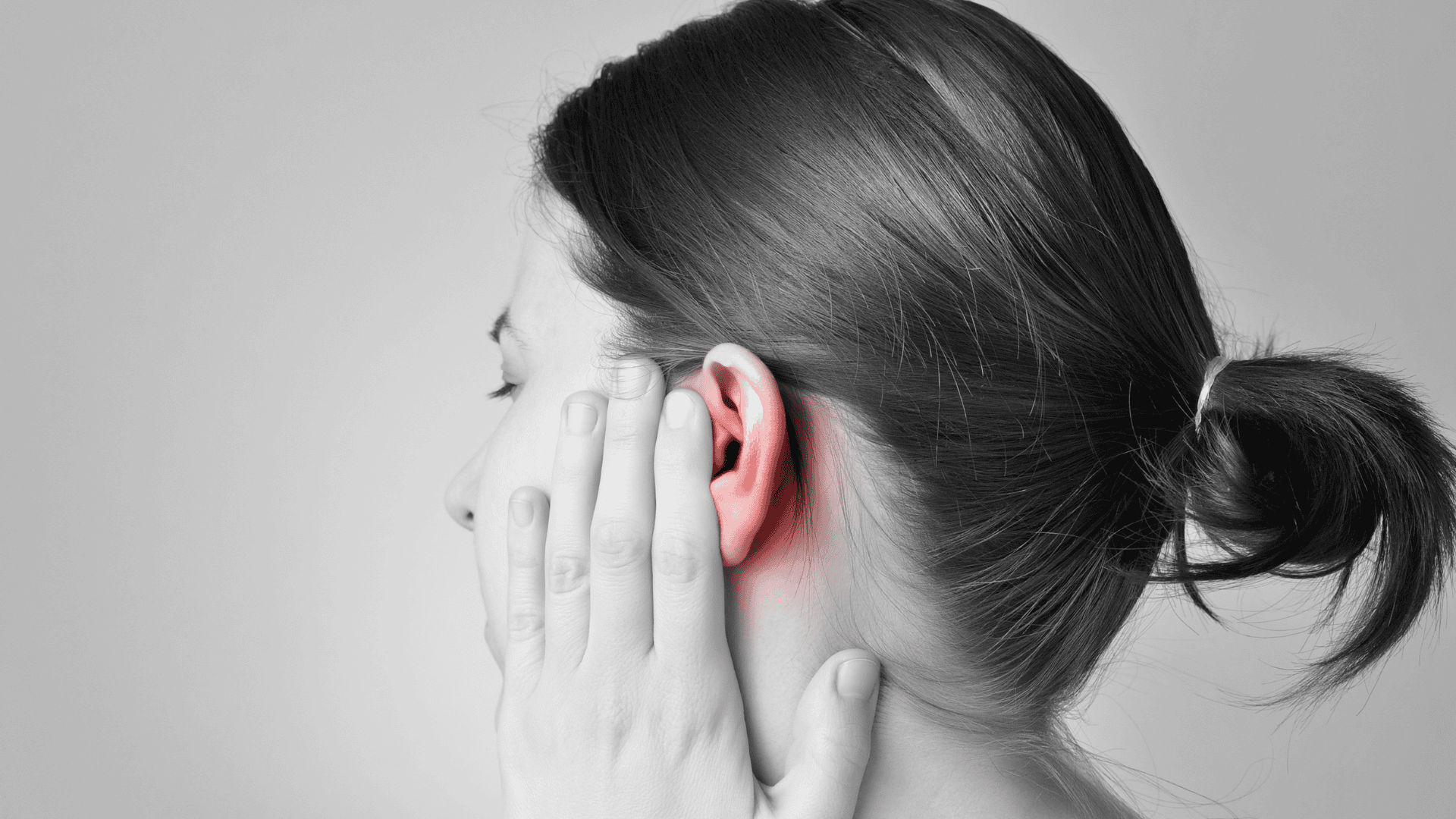
Post-traumatic ear reconstruction is a surgical procedure aimed at restoring the ear after it has been damaged due to trauma such as accidents, burns, animal bites, or other injuries. The goal of this reconstruction is to address both the aesthetic appearance of the ear and its functional aspects, including the preservation or improvement of hearing. The ear plays a vital role not only in the visual symmetry of the face but also in sound direction and the hearing process. When trauma results in significant ear damage, it can lead to physical discomfort as well as psychological impacts due to the visible deformity.
The type of ear reconstruction required depends on the nature and severity of the injury. For minor injuries, repairing the skin or correcting small deformities of the cartilage may suffice. In more severe cases, where large portions of the ear are missing or significantly distorted, extensive reconstruction may be necessary. Surgeons often use tissue such as cartilage harvested from other parts of the body, such as the ribs, to replicate the ear's natural contours. This cartilage is shaped to closely mimic the complex structure of the ear.
In addition to cartilage, skin from adjacent areas may be utilized to complete the reconstruction. Techniques such as skin flaps are often employed, where skin from nearby regions of the head or neck is moved to cover the ear and assist in the healing process. In some instances, if sufficient body tissue cannot be used, the surgeon may opt for synthetic materials or prosthetics to reconstruct the missing portion of the ear. Modern medical techniques and materials enable surgeons to achieve a natural-looking result that accurately reflects the ear’s anatomy.
The recovery process following ear reconstruction can vary based on the complexity of the procedure. Immediately after surgery, patients may experience swelling, pain, and a certain degree of numbness in the treated area. This typically diminishes over time as healing progresses. For more extensive reconstructions, patients may require multiple surgical interventions to achieve optimal results. Complete recovery can take several months, and while scars may become less noticeable over time, some may remain visible.
For many patients, ear reconstruction extends beyond mere physical restoration. Regaining the ear's original appearance, or at least reducing the deformity, can significantly impact a person's self-esteem and emotional well-being. Trauma to the face and ear can lead to feelings of self-consciousness, and restoring the symmetry and natural look of the ear can contribute to an improved quality of life. Furthermore, reconstructive techniques may also help enhance or restore hearing functions, particularly when the trauma has affected the ear canal or other important structures within the ear.
Post-traumatic ear reconstruction often requires a multidisciplinary approach, involving plastic surgeons, ear, nose, and throat (ENT) specialists, and sometimes audiologists. The ultimate goal is to not only physically restore the patient but also to improve their self-image and overall quality of life. The psychological benefits of undergoing such a procedure can be profound, helping patients reintegrate into social situations with renewed confidence.
Post-traumatic ear reconstruction is a specialized surgical procedure aimed at restoring the shape and function of an ear that has been damaged due to trauma, injury, or accidents. This type of ear reconstruction is typically necessary for individuals who have lost part or all of their ear due to burns, accidents, or other forms of physical trauma. The goal of post-traumatic ear reconstruction is to rebuild the ear's natural appearance, restore its symmetry with the other ear, and improve the overall facial aesthetics. The procedure may involve a combination of techniques, such as cartilage grafting, skin grafts, and advanced prosthetics, to create a new ear that looks and functions as naturally as possible. Post-traumatic ear reconstruction can significantly improve a patient's self-esteem and quality of life by restoring both the form and function of the ear.
Post-traumatic ear reconstruction is a multi-step process that is typically performed under general anesthesia. The first stage of the procedure usually involves creating a framework for the ear using the patient's own cartilage, often taken from the ribs, or in some cases, synthetic materials may be used. This cartilage is shaped and sculpted to form a new ear structure. Once the framework is in place, the surgeon covers it with skin, either by using skin grafts or by stretching the surrounding skin to cover the newly created cartilage. Depending on the extent of the trauma, additional surgeries may be required to refine the ear’s shape, position, or function. The procedure can take several months or even years, depending on the complexity of the reconstruction and the healing process. Post-surgery, patients may need to wear a protective dressing to support the reconstructed ear while it heals.
The primary benefit of post-traumatic ear reconstruction is the restoration of a natural-looking ear, which can significantly improve a patient's self-confidence and self-esteem. This procedure helps individuals who have suffered traumatic injuries or congenital deformities by rebuilding the ear to look and function as naturally as possible. Post-traumatic ear reconstruction not only improves the cosmetic appearance of the ear but can also restore its function, including hearing in some cases, if the ear canal is also reconstructed. The procedure offers long-lasting results, with the ear typically retaining its new shape and position for a lifetime. While the process may require multiple stages and extended recovery time, the outcome can be life-changing, helping patients regain facial symmetry and feel more confident in their appearance. Ultimately, post-traumatic ear reconstruction is a transformative procedure that provides both cosmetic and emotional benefits for individuals recovering from ear trauma.
During your consultation, you will discuss your wishes, medical history, and expectations with the doctor. The doctor will examine you, take measurements if necessary, and explain which treatment suits you best, including risks and recovery. You will have the opportunity to ask questions and then receive a clear treatment proposal.
Make sure you have all relevant medical information ready, such as previous treatments, allergies, or medical conditions. This allows the doctor to give you better advice.
Payment is made securely via SurgeryBooking. You pay the amount in advance to SurgeryBooking. We hold the funds and transfer them to the clinic after your treatment. Cancellation or change conditions vary per clinic and are clearly communicated in advance.
During the consultation (online or at the clinic), the doctor will assess this based on your health, expectations, and physical characteristics. You will discuss what you want, what is possible, and what the limitations are. Sometimes there are alternatives if the chosen treatment is not ideal.
Through SurgeryBooking.com, you can quickly and easily book a consultation or procedure with doctors and clinics worldwide. SurgeryBooking.com provides an overview of doctors and clinics, allowing you to make an informed and transparent choice when booking a consultation or procedure.
You can easily book through the profile of the desired clinic or doctor. Select the desired treatment, enter your details, and choose an available date and time. If there are any costs involved, you will complete the payment first. Afterwards, you will receive a confirmation email with all the details.
Yes, during the booking process, you can indicate whether you prefer an online consultation or an in-person consultation at the clinic.
With SurgeryBooking.com, you gain access to a global network of doctors and clinics. Through SurgeryBooking.com, you can easily book a consultation or a cosmetic procedure directly. Clinic profiles provide information about available cosmetic procedures, reviews, photos of the clinic, and other relevant details. This enables you to compare costs and make an informed decision when booking a consultation or procedure.