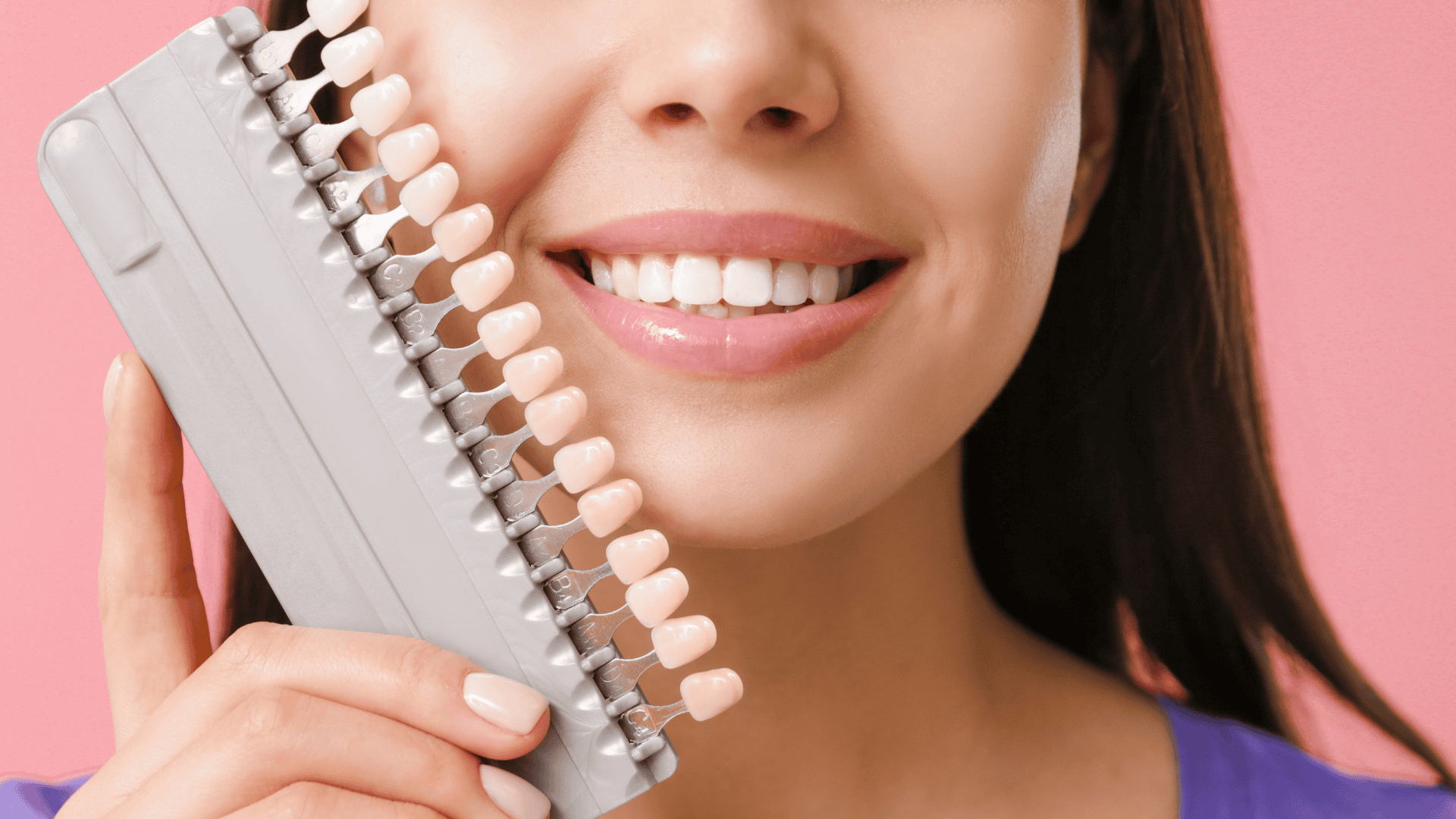
Porcelain veneers are thin, custom-made shells of porcelain that are bonded to the front surface of teeth to improve their appearance. These veneers are primarily used to address cosmetic issues such as discoloration, misaligned teeth, small chips, or gaps between teeth. The application of porcelain veneers is a popular dental procedure because it offers a relatively simple way to enhance a smile without the need for invasive surgery.
The process begins with a consultation where the dentist evaluates the current condition of the teeth and discusses the desired improvements. A small amount of enamel is then removed from the surface of the teeth to create space for the veneer. After making impressions of the teeth, the veneers are custom-crafted in a dental laboratory. Once they are ready, the veneers are bonded to the teeth using a special adhesive. The final result looks very natural, as porcelain reflects light similarly to natural tooth enamel.
One of the major advantages of porcelain veneers is their strength and durability, allowing them to last for many years with proper care. Additionally, they are more resistant to staining compared to natural teeth, which means they maintain their bright appearance for longer periods. However, it's important to note that maintaining good oral hygiene is essential, as issues such as gum disease or tooth decay can still occur if not properly managed. Regular brushing, flossing, and dental check-ups remain crucial after getting veneers.
While porcelain veneers are often chosen for their aesthetic benefits, they can also provide functional improvements. For instance, in cases where teeth are worn down or damaged, veneers can help restore the original shape and strength of the teeth, contributing to a better bite and overall oral health.
It’s important to remember that getting porcelain veneers is an irreversible procedure since a small portion of the natural enamel must be removed. Therefore, it’s vital to carefully consider whether this treatment is the right choice in consultation with a dentist.
Porcelain veneers are a popular and highly effective cosmetic dental solution for individuals looking to enhance the appearance of their teeth and achieve a flawless smile. These ultra-thin, custom-made shells are designed to cover the front surface of the teeth, effectively hiding imperfections such as chips, cracks, stains, and gaps. Porcelain is an ideal material for veneers because of its durability and its ability to mimic the natural translucency and color of enamel. This provides a highly aesthetic result that looks natural and blends seamlessly with the rest of the teeth.
Choosing porcelain veneers can transform a person’s smile in just a few visits to the dentist. Unlike other cosmetic treatments, veneers can address a variety of dental issues at once, making them a versatile option for people who want to improve the overall appearance of their teeth. Whether you have discolored teeth that do not respond well to whitening treatments or teeth that are misshapen or uneven, porcelain veneers can provide an effective solution that restores both functionality and aesthetics. Additionally, porcelain veneers are stain-resistant, meaning they can maintain their appearance over time with proper oral hygiene and care.
The process of getting porcelain veneers typically involves multiple visits to the dentist. During the first visit, the dentist conducts a thorough examination of the teeth and discusses the patient’s goals to determine if veneers are the right solution. Impressions are taken to create custom veneers that will fit the patient’s teeth perfectly and look natural. To prepare for the veneers, a small amount of the tooth enamel is removed, usually about 0.5 to 1 millimeter, to make space for the veneers and ensure a comfortable fit.
Once the enamel is prepared, temporary veneers are often placed to protect the teeth while the permanent ones are being fabricated in a dental laboratory. This process usually takes a couple of weeks. During this period, the dentist will discuss any final adjustments needed to perfect the fit and appearance of the veneers. On the second visit, the dentist removes the temporary veneers and carefully places the permanent porcelain veneers on the teeth, making sure they are properly aligned and adjusted for optimal appearance.
The dentist then bonds the veneers to the teeth using a strong dental adhesive and may use a special light to harden the adhesive quickly. Once the adhesive is set, any necessary adjustments are made to ensure that the veneers fit comfortably and function properly with the rest of the teeth. The process is completed with a final polish to give the veneers a smooth, natural shine.
Porcelain veneers offer numerous benefits for individuals seeking a more attractive and confident smile. One of the main advantages is their ability to address multiple cosmetic issues at once, such as discoloration, chips, gaps, and irregularly shaped teeth. This makes veneers a highly versatile option for people who want to enhance the appearance of their smile in a relatively short amount of time. Porcelain veneers are custom-made to fit the patient’s unique dental structure, ensuring a natural and seamless look that blends in with the rest of the teeth.
The material used for porcelain veneers is stain-resistant, which means that they maintain their bright, white appearance over time, even with the consumption of foods and beverages that would normally cause staining. This is a significant advantage for people who want to achieve and maintain a white smile without the need for frequent touch-ups or whitening treatments. Porcelain veneers are also highly durable and can last anywhere from 10 to 15 years or longer with proper care and maintenance, providing a long-term solution for those looking to improve their smile.
Another benefit of porcelain veneers is that they can help with the structural integrity of the teeth. By covering imperfections and providing a protective layer, veneers can strengthen the teeth and prevent further damage. They are also less invasive than full dental crowns, as they require only a minimal amount of enamel to be removed. This means that the procedure preserves more of the natural tooth structure while still providing significant cosmetic enhancement. With proper oral hygiene, regular dental check-ups, and avoiding habits that could damage the veneers, individuals can enjoy the benefits of porcelain veneers for many years.
Porcelain veneers are closely associated with modern smile design because they allow precise control over tooth shape, color, and proportion. Small imperfections that individually seem minor can collectively affect how a smile is perceived. By covering only the visible front surface of the teeth, veneers focus on aesthetics without altering the entire tooth structure.
A porcelain veneers treatment aims to enhance harmony between teeth, lips, and facial features. Rather than creating an artificial look, the goal is often subtle refinement. This approach explains why veneers are commonly chosen by people seeking natural-looking yet noticeable improvements.
Porcelain veneers are versatile and can address multiple aesthetic issues at the same time. This makes them appealing for individuals who want a comprehensive smile upgrade rather than isolated corrections. Each veneer is shaped and shaded to blend with surrounding teeth.
👉 Tooth discoloration that does not respond to whitening
👉 Small chips or worn enamel edges
👉 Minor misalignment or uneven spacing
👉 Irregular tooth shape or length differences
By addressing several concerns at once, porcelain veneers can create a more balanced and consistent smile.
There are various cosmetic dental treatments available, including bonding, crowns, and orthodontics. Porcelain veneers differ because they focus on surface-level enhancement with minimal alteration to the tooth. Bonding may be less durable, while crowns require more extensive enamel removal.
Compared to these alternatives, porcelain veneers offer a middle ground between durability and conservation of natural tooth structure. This balance makes them a popular option for aesthetic-focused treatments.
A key aspect of porcelain veneers is the preparation of the tooth surface. Removing a thin layer of enamel ensures the veneer sits flush and looks natural. This step is irreversible, which is why careful planning is essential.
The amount of enamel removed is typically minimal, but it permanently alters the tooth. Porcelain veneers rely on this preparation to achieve long-lasting adhesion and a natural appearance. Understanding this step helps patients make informed decisions.
Each porcelain veneer is custom-made in a dental laboratory to match the patient’s unique smile. Factors such as tooth color, translucency, and shape are carefully considered. Skilled technicians use layered porcelain to replicate the way natural enamel reflects light.
This level of customization is one reason porcelain veneers are known for their realistic results. The collaboration between dentist and laboratory plays a significant role in the final outcome.
Porcelain veneers are designed to be strong and long-lasting. With proper care, they often last ten years or more. The porcelain material resists staining and maintains its appearance better than natural enamel.
👉 Porcelain is resistant to discoloration
👉 Veneers can last a decade or longer
👉 Daily oral hygiene supports longevity
👉 Regular dental check-ups help prevent issues
Although durable, porcelain veneers are not indestructible and require mindful care.
Caring for porcelain veneers is similar to caring for natural teeth. Brushing, flossing, and routine dental visits remain essential. Veneers do not protect against gum disease or decay at the tooth margins.
Avoiding habits such as teeth grinding or biting hard objects is also important. Porcelain veneers function best when supported by healthy gums and responsible oral habits.
One of the most valued features of porcelain veneers is their resistance to staining. Unlike natural enamel, porcelain is less porous, making it less likely to absorb pigments from food or drinks.
While the veneers themselves resist discoloration, surrounding natural teeth may still stain over time. Porcelain veneers therefore require thoughtful color selection to maintain a consistent smile appearance in the long term.
Although primarily cosmetic, porcelain veneers can offer functional improvements. They can restore worn tooth edges, improve bite balance in mild cases, and protect weakened enamel. This added layer can help distribute bite forces more evenly.
In this way, porcelain veneers may contribute to both appearance and comfort. However, they are not a substitute for restorative treatments when structural damage is severe.
Porcelain veneers are not suitable for every dental concern. Severe misalignment, extensive decay, or active gum disease usually require other treatments first. Veneers are best suited for cosmetic refinements rather than major corrections.
Setting realistic expectations is essential. Porcelain veneers enhance what is already present rather than creating perfection. A well-planned result looks natural, not exaggerated.
A smile plays a major role in communication and self-expression. People who feel insecure about their teeth may avoid smiling or speaking freely. Improving dental aesthetics can positively influence confidence and social comfort.
For many individuals, porcelain veneers lead to increased self-assurance rather than just visual change. This psychological benefit is often cited as one of the most meaningful outcomes.
Because porcelain veneers involve permanent enamel removal, they require long-term commitment. Once placed, veneers will eventually need replacement in the future. This makes initial decision-making especially important.
Understanding the lifelong nature of porcelain veneers helps ensure the treatment aligns with personal goals and oral health priorities. Thoughtful consideration supports satisfaction over the long term.
During your consultation, you will discuss your wishes, medical history, and expectations with the doctor. The doctor will examine you, take measurements if necessary, and explain which treatment suits you best, including risks and recovery. You will have the opportunity to ask questions and then receive a clear treatment proposal.
Make sure you have all relevant medical information ready, such as previous treatments, allergies, or medical conditions. This allows the doctor to give you better advice.
Payment is made securely via SurgeryBooking. You pay the amount in advance to SurgeryBooking. We hold the funds and transfer them to the clinic after your treatment. Cancellation or change conditions vary per clinic and are clearly communicated in advance.
During the consultation (online or at the clinic), the doctor will assess this based on your health, expectations, and physical characteristics. You will discuss what you want, what is possible, and what the limitations are. Sometimes there are alternatives if the chosen treatment is not ideal.
Through SurgeryBooking.com, you can quickly and easily book a consultation or procedure with doctors and clinics worldwide. SurgeryBooking.com provides an overview of doctors and clinics, allowing you to make an informed and transparent choice when booking a consultation or procedure.
You can easily book through the profile of the desired clinic or doctor. Select the desired treatment, enter your details, and choose an available date and time. If there are any costs involved, you will complete the payment first. Afterwards, you will receive a confirmation email with all the details.
Yes, during the booking process, you can indicate whether you prefer an online consultation or an in-person consultation at the clinic.
With SurgeryBooking.com, you gain access to a global network of doctors and clinics. Through SurgeryBooking.com, you can easily book a consultation or a cosmetic procedure directly. Clinic profiles provide information about available cosmetic procedures, reviews, photos of the clinic, and other relevant details. This enables you to compare costs and make an informed decision when booking a consultation or procedure.