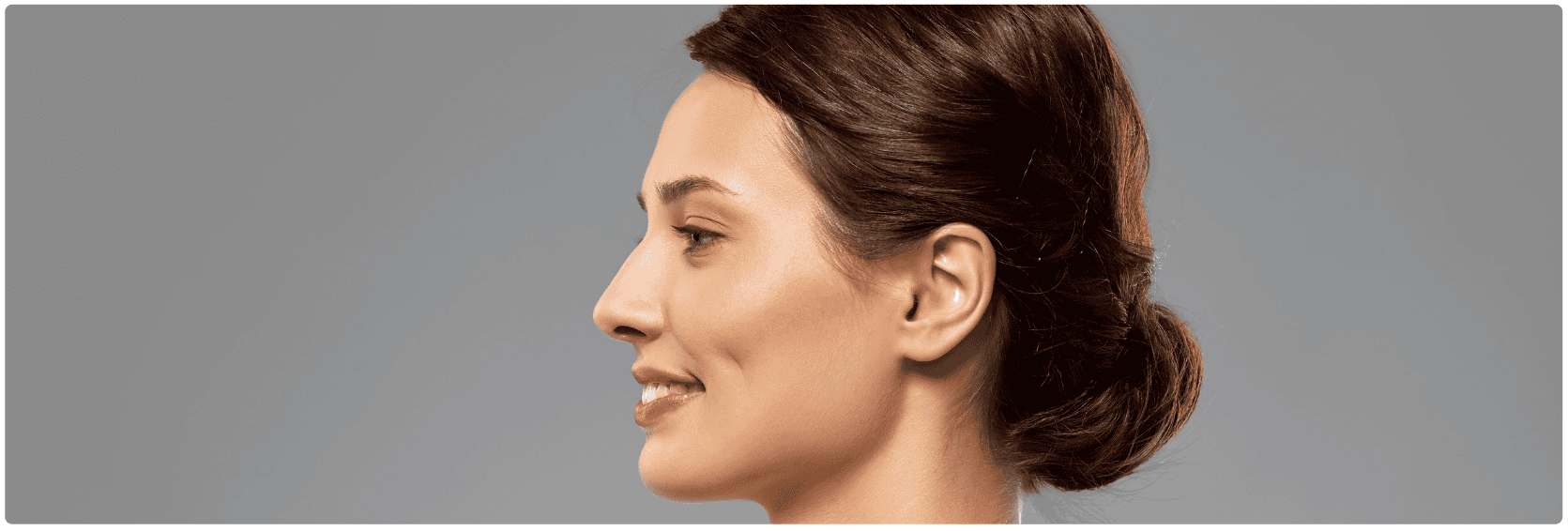
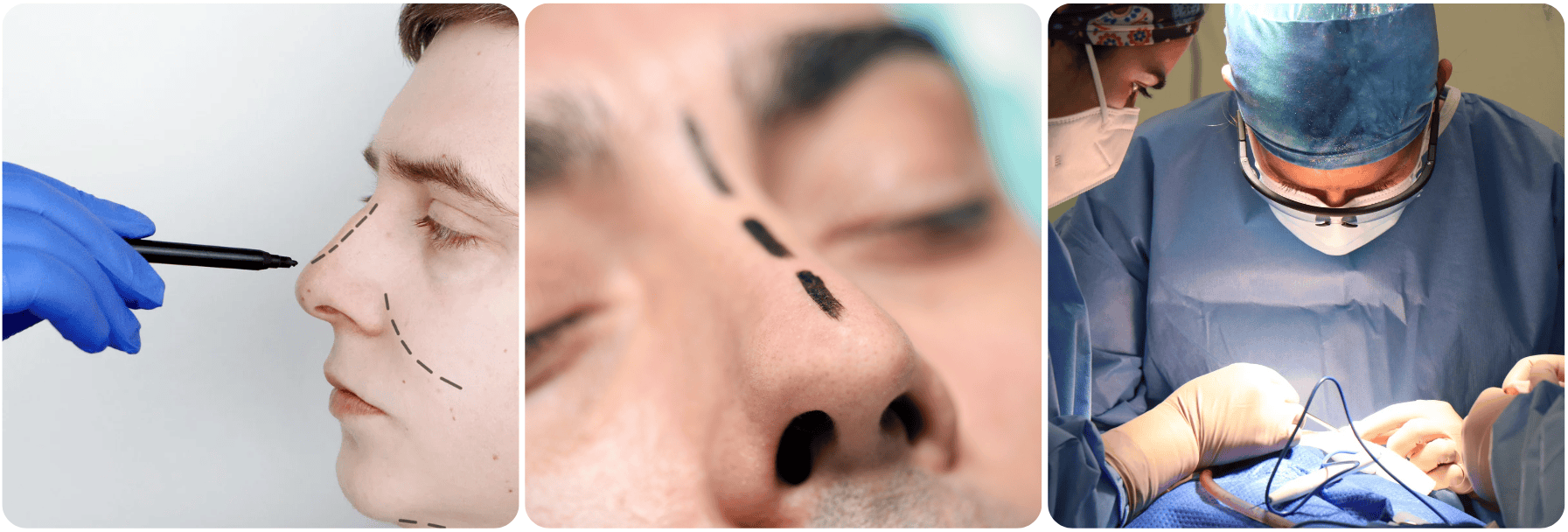
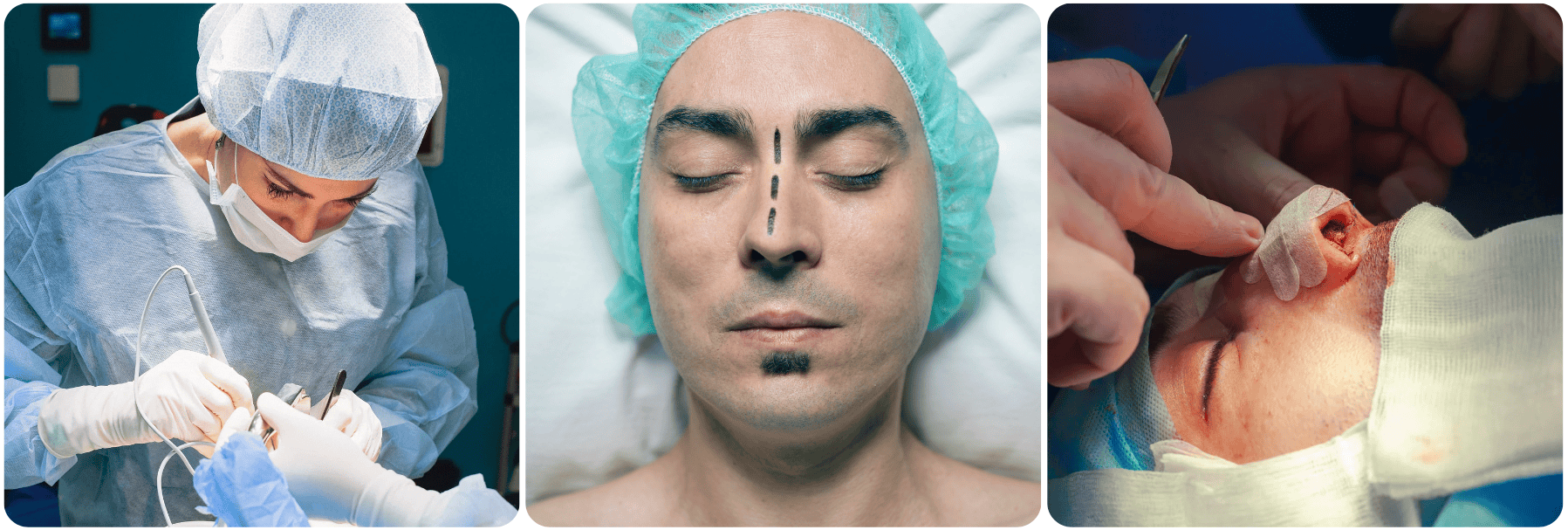
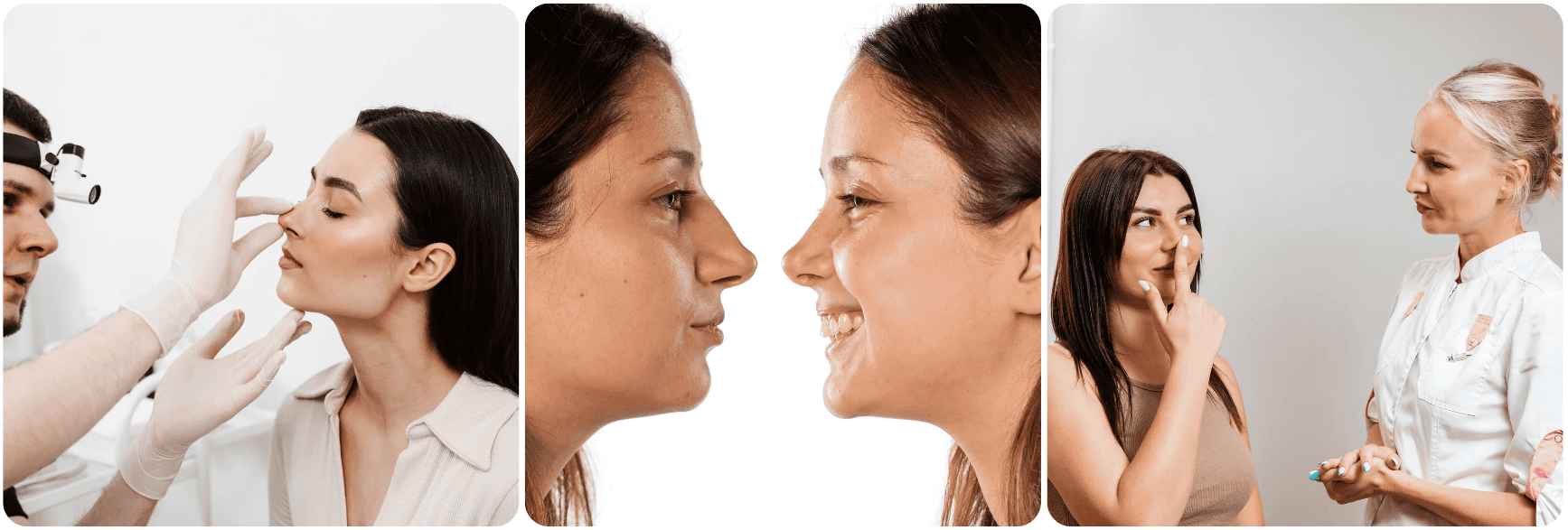
An osteotomy, also known as nasal bone surgery, is a surgical procedure performed to reshape the nasal framework. This operation is often carried out when the nasal septum is deviated, there is a bump on the nose, or asymmetry in the nasal structure is present. It can be performed for both aesthetic and functional reasons, such as improving breathing or correcting the appearance of the nose.
During an osteotomy, the surgeon carefully breaks or repositions the nasal bones. This may be done to narrow the nose, correct a crooked appearance, or remove a nasal hump. The primary goal of the procedure is to enhance the symmetry and harmony of the face by reshaping the nose according to the desired outcome.
An osteotomy, also known as nasal bone surgery, is a surgical procedure performed to reshape the nasal framework.
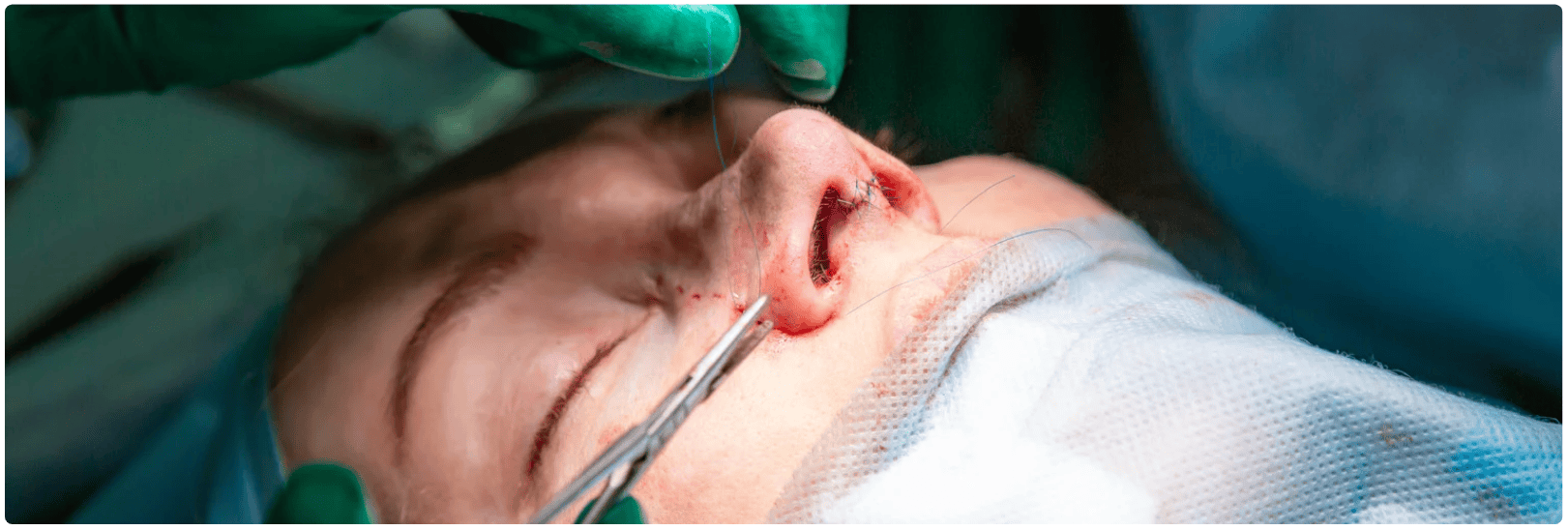
The surgery typically takes place under general anesthesia and may be part of a broader nose reshaping procedure, commonly known as rhinoplasty. After the surgery, splints or bandages are usually applied to hold the nose in place while it heals. The recovery process can take several weeks, with swelling and bruising being common in the days following the operation. In most cases, the patient heals gradually, with the final results becoming visible several months to a year after the surgery.
While osteotomy is often successful, like any surgery, it carries potential risks. These may include infection, bleeding, or asymmetrical results. A thorough consultation with an experienced surgeon is essential to fully understand the risks and set realistic expectations for the procedure.
Nasal osteotomy, or nasal bone surgery, is often performed as part of a rhinoplasty procedure to address the shape, width, or alignment of the nasal bones. People usually opt for nasal osteotomy when they have concerns about the size or shape of their nose due to genetic factors, previous trauma, or injury. This surgery is commonly chosen by individuals who have a nose that appears too wide, crooked, or asymmetrical, and they wish to create a more balanced facial appearance. Nasal osteotomy is also an option for those looking to correct a nasal hump or bump on the bridge of the nose, which can give the nose an uneven or disproportionate look.
Nasal osteotomy, or nasal bone surgery, is often performed as part of a rhinoplasty procedure to address the shape, width, or alignment of the nasal bones.
It is particularly beneficial for patients who have suffered from nasal fractures or trauma, where the bones need to be reset to restore both the function and the aesthetic of the nose. Many individuals pursue this surgery to improve not only their physical appearance but also their nasal function, as structural issues in the nose can sometimes lead to breathing difficulties. Nasal osteotomy can significantly enhance the overall harmony of the face by refining the nose’s shape and correcting structural irregularities, providing a more symmetrical and pleasing profile.
Nasal osteotomy is a precise surgical procedure that involves carefully breaking and repositioning the nasal bones to achieve the desired shape and width. During the surgery, the surgeon uses specialized instruments to make controlled fractures, or "osteotomies," along the sides or top of the nasal bones. Depending on the patient’s goals and the structure of their nose, the surgeon may perform a medial, lateral, or transverse osteotomy to narrow the bridge of the nose, straighten a crooked nose, or correct asymmetry.
This technique allows the surgeon to manipulate the nasal bones and cartilage to create a more balanced and aesthetically pleasing nose. The procedure is typically performed under general anesthesia, and it may be combined with other rhinoplasty techniques such as cartilage reshaping, tip refinement, or septoplasty to improve both the appearance and function of the nose.
Nasal osteotomy is a precise surgical procedure that involves carefully breaking and repositioning the nasal bones to achieve the desired shape and width.
After making the necessary adjustments, the surgeon carefully repositions the bones and ensures they are stable, often using internal splints or dressings to support the nose during the healing process. The surgery usually takes one to two hours, depending on the complexity, and patients can expect some bruising and swelling around the eyes and nose in the days following the procedure. However, these side effects gradually subside as the bones heal and the new shape of the nose becomes apparent. Nasal osteotomy is a delicate procedure that requires skill and precision, but it offers transformative results for patients seeking a more refined nasal structure and improved facial harmony.
Nasal osteotomy is often part of a comprehensive rhinoplasty plan. In some cases, surgeons combine it with other procedures to achieve a fully balanced nose. Tip refinement may be performed to adjust the angle or projection of the nasal tip. Septoplasty can address internal deviations and improve airflow. Cartilage grafting is another option for structural support or enhancement. Combining these techniques allows patients to address both aesthetic concerns and functional problems in a single surgery. This integrated approach minimizes the need for additional operations and ensures harmonious facial proportions.
Selecting an experienced surgeon is critical to the success of nasal osteotomy. Patients should consider:
Board certification in facial plastic or ENT surgery
Proven experience in performing nasal osteotomies
Before-and-after photos of previous patients
Positive clinical outcomes in both aesthetics and function
Knowledge of advanced osteotomy techniques
Comprehensive consultation that addresses goals and risks
Clear communication regarding recovery and expected results
A skilled surgeon ensures the nasal bones are repositioned safely and precisely, significantly reducing the risk of complications and maximizing satisfaction.
Nasal osteotomy provides a range of benefits, both cosmetic and functional, making it a popular choice for individuals looking to enhance their nose’s appearance or correct structural issues. One of the key advantages of this procedure is its ability to reshape the nasal bones to create a more symmetrical and aesthetically pleasing appearance. For individuals with a nose that is too wide, crooked, or asymmetrical, nasal osteotomy can narrow the bridge, straighten the nasal bones, and bring the nose into better proportion with the rest of the face. This results in a more balanced and harmonious facial appearance, which can greatly improve self-confidence and overall satisfaction with one’s looks.
In addition to cosmetic improvements, nasal osteotomy can also provide significant functional benefits, especially for individuals who have experienced nasal trauma or fractures. By resetting and realigning the nasal bones, the surgery can help restore proper nasal function, improving breathing and alleviating issues related to nasal obstruction or deviation. This is particularly important for patients who suffer from breathing difficulties due to structural abnormalities, as the surgery can correct these issues while also enhancing the nose’s appearance.
Another benefit of nasal osteotomy is that it is often performed in conjunction with rhinoplasty, allowing for comprehensive improvements to the shape and function of the nose in a single procedure. While recovery from nasal osteotomy involves some swelling and bruising, the results are long-lasting, with most patients seeing significant improvements in both appearance and function once the healing process is complete. Overall, nasal osteotomy offers a highly effective solution for those seeking to correct nasal irregularities, improve facial symmetry, and enhance both the aesthetics and functionality of their nose.
Reshapes nasal bones to create a more symmetrical and aesthetically pleasing appearance.
Narrows a wide nose, straightens crooked bones, and improves facial proportions.
Enhances self-confidence and overall satisfaction with appearance.
Restores proper nasal function, improving breathing and alleviating nasal obstruction.
Corrects structural issues caused by trauma or fractures.
Can be performed alongside rhinoplasty for comprehensive aesthetic and functional improvements.
Long-lasting results with significant improvements in both appearance and function.
Addresses both cosmetic and functional concerns in a single procedure.
There are several types of nasal osteotomies, each designed to address specific structural concerns of the nasal bones. The choice of technique depends on the patient’s unique anatomy and surgical goals:
Lateral osteotomy: This is the most common type, where incisions are made along the sides of the nasal bones. It is used to narrow the width of the nasal bridge or to bring the nasal bones back into alignment after widening them during hump removal.
Medial osteotomy: This technique involves making fractures near the top of the nasal bones, closer to the midline of the nose. It is often used in combination with lateral osteotomies to close an open roof deformity (a gap that can form in the nasal bones after removing a dorsal hump).
Intermediate osteotomy: This method involves creating fractures between the lateral and medial osteotomy lines. It provides more controlled bone movement and is particularly useful in cases of complex asymmetry.
Transverse osteotomy: In some cases, horizontal fractures may be made across the nasal bone to correct height irregularities or asymmetries.
Each technique requires careful planning and execution to avoid unintended deformities or functional issues. Surgeons often use a combination of these methods depending on the complexity of the case and whether the procedure is part of a primary or revision rhinoplasty.
Nasal osteotomy is well-suited for individuals who are unhappy with the shape or alignment of their nasal bones and are looking to improve either the aesthetic appearance or functional performance of their nose. Good candidates typically include:
Individuals with a wide nasal bridge who want a slimmer nose profile
Those with a crooked or asymmetrical nose, often due to trauma or genetics
Patients with a nasal hump or bump that requires removal and bone repositioning
People who have had a nasal fracture and need bone realignment for functional and cosmetic restoration
Individuals with nasal obstruction or breathing difficulties linked to structural irregularities
Those undergoing rhinoplasty who require bone reshaping for comprehensive results
Candidates should be in good physical health, non-smokers (or willing to stop), and have realistic expectations regarding the outcomes of the procedure. The best results are typically seen in patients with stable nasal bone development, which generally occurs after adolescence.
When performed correctly, the results of nasal osteotomy are permanent. Once the nasal bones heal and settle into their new position, they remain stable and do not shift back. Patients can enjoy long-term improvements in the shape, symmetry, and function of their nose.
The initial swelling and bruising usually subside within a few weeks, but the final contour of the nose continues to refine over several months. Most individuals see the final result between six months and one year post-surgery. For optimal healing, it’s important to follow post-operative care instructions closely and avoid trauma to the nose during the recovery period.
While rare, some patients may require a revision procedure if the bones do not heal as expected or if there is residual asymmetry. Choosing a highly skilled and experienced surgeon greatly minimizes the risk of complications and the need for future corrections.
Recovering from nasal osteotomy requires patience and care, as the healing process involves the bones, cartilage, and soft tissue. Following your surgeon’s instructions is crucial to avoid complications and achieve the best results. Resting with your head elevated helps reduce swelling and supports proper blood flow. Applying cold compresses around the eyes, not directly on the nose, can minimize bruising. Avoid strenuous exercise or heavy lifting for several weeks, as these activities may disrupt the healing bones. Gentle care, proper nutrition, and avoiding smoking can significantly speed up recovery.
Over time, swelling subsides, and the refined shape of the nose gradually emerges, showcasing the long-term results of the surgery.
While nasal osteotomy is generally safe, understanding potential complications is essential. These may include minor asymmetry, prolonged swelling, or bruising. Rarely, infections or excessive bleeding may occur. In some cases, irregular bone healing can lead to small bumps or deviations. Close follow-up with the surgeon is crucial to detect and address any issues early. Awareness of these risks helps patients make informed decisions and prepare for a smooth recovery process.
Preparation is key for a successful nasal osteotomy. Patients should avoid medications that thin the blood, such as aspirin, for a period before surgery. Smoking should be stopped at least a few weeks in advance to improve healing. Pre-operative imaging may be conducted to plan the bone adjustments accurately. Patients should arrange for transportation and support after surgery, as anesthesia can affect alertness. Adequate rest, hydration, and following dietary guidelines all contribute to better surgical outcomes and a faster recovery.
Advancements in surgical methods have made nasal osteotomy less invasive for some patients. Surgeons may use micro-osteotomes or ultrasonic tools to make precise bone cuts with minimal trauma. This approach can reduce bruising and swelling, shorten recovery time, and improve the accuracy of bone repositioning. While not all patients are candidates for minimally invasive techniques, these options provide a safer and more comfortable experience for those who qualify. The results are comparable to traditional osteotomy methods but often with a smoother healing process.
Nasal osteotomy is highly effective in correcting asymmetrical nasal structures. By strategically repositioning the bones, surgeons can align the nose with the facial midline. Both minor and significant deviations can be addressed, creating a balanced, proportionate appearance. In addition, correcting asymmetry often enhances nasal function by optimizing airflow through the nostrils. Precise bone adjustments allow for natural-looking results that harmonize with other facial features, improving overall facial balance without compromising the structural integrity of the nose.
During nasal osteotomy, certain precautions are necessary to minimize risks. Surgeons carefully assess the thickness and density of nasal bones before making osteotomies. Maintaining a sterile environment reduces the risk of infection. Patients must disclose any medical conditions or medications that may affect healing. Intraoperative monitoring ensures that blood flow and tissue integrity are maintained. These precautions, combined with surgical expertise, significantly lower the likelihood of complications and contribute to predictable, successful outcomes.
Splints and dressings play a critical role in the healing process after nasal osteotomy. They stabilize the repositioned bones and prevent accidental movement during the early recovery period. Splints are typically worn for about one week, while external dressings may remain slightly longer. Proper use of these supports helps maintain the new nasal shape, reduces swelling, and protects against injury. Patients should follow their surgeon’s instructions carefully to ensure optimal results and avoid disrupting the healing bones.
The cost of nasal osteotomy can vary depending on the complexity of the surgery, geographic location, and the surgeon’s experience. Additional procedures, such as cartilage grafting or septoplasty, may increase the total price. Many clinics provide detailed cost breakdowns, including anesthesia, facility fees, and post-operative care. Insurance coverage is often limited to functional concerns like breathing issues, whereas purely cosmetic adjustments are usually out-of-pocket. Understanding these financial factors helps patients plan effectively for their surgery.
Several myths surround nasal osteotomy, which can mislead potential patients. One misconception is that the surgery always results in a very narrow or artificial-looking nose; in reality, careful planning achieves natural proportions. Another myth is that recovery is extremely painful; while some discomfort is normal, pain is typically manageable with prescribed medications. Some believe results are immediate, but the final shape develops over several months. Educating patients on these facts ensures realistic expectations and confidence in the procedure.
Age can influence the timing and outcomes of nasal osteotomy. The surgery is generally recommended for individuals whose nasal bones have fully matured, typically after adolescence. Older adults may still undergo the procedure, but bone density and healing potential are considered. Surgeons tailor techniques to accommodate different age groups, ensuring safe adjustments. Regardless of age, careful planning and experienced surgical execution are essential to achieve lasting results.
In some cases, patients may require a revision nasal osteotomy to correct residual asymmetry or refine results. Revision procedures are more complex, as the bones have already healed and may require additional adjustments. Surgeons use advanced techniques to reposition or reshape the nasal bones safely. Healing times may be slightly longer than primary osteotomy, and careful post-operative care is crucial. Experienced surgeons can deliver significant improvements while minimizing the risk of further complications.
In some cases, patients may require a revision nasal osteotomy to correct residual asymmetry or refine results.
Nasal osteotomy is particularly beneficial for patients who have suffered nasal trauma. Broken or displaced bones can cause both cosmetic and functional issues, including difficulty breathing. Osteotomy allows surgeons to realign the bones and restore the natural shape of the nose. Combining this procedure with septoplasty or cartilage grafting can optimize both appearance and nasal function. For trauma patients, osteotomy offers a reliable solution to correct deformities and improve overall facial symmetry.
During your consultation, you will discuss your wishes, medical history, and expectations with the doctor. The doctor will examine you, take measurements if necessary, and explain which treatment suits you best, including risks and recovery. You will have the opportunity to ask questions and then receive a clear treatment proposal.
Make sure you have all relevant medical information ready, such as previous treatments, allergies, or medical conditions. This allows the doctor to give you better advice.
Payment is made securely via SurgeryBooking. You pay the amount in advance to SurgeryBooking. We hold the funds and transfer them to the clinic after your treatment. Cancellation or change conditions vary per clinic and are clearly communicated in advance.
During the consultation (online or at the clinic), the doctor will assess this based on your health, expectations, and physical characteristics. You will discuss what you want, what is possible, and what the limitations are. Sometimes there are alternatives if the chosen treatment is not ideal.
Through SurgeryBooking.com, you can quickly and easily book a consultation or procedure with doctors and clinics worldwide. SurgeryBooking.com provides an overview of doctors and clinics, allowing you to make an informed and transparent choice when booking a consultation or procedure.
You can easily book through the profile of the desired clinic or doctor. Select the desired treatment, enter your details, and choose an available date and time. If there are any costs involved, you will complete the payment first. Afterwards, you will receive a confirmation email with all the details.
Yes, during the booking process, you can indicate whether you prefer an online consultation or an in-person consultation at the clinic.
With SurgeryBooking.com, you gain access to a global network of doctors and clinics. Through SurgeryBooking.com, you can easily book a consultation or a cosmetic procedure directly. Clinic profiles provide information about available cosmetic procedures, reviews, photos of the clinic, and other relevant details. This enables you to compare costs and make an informed decision when booking a consultation or procedure.