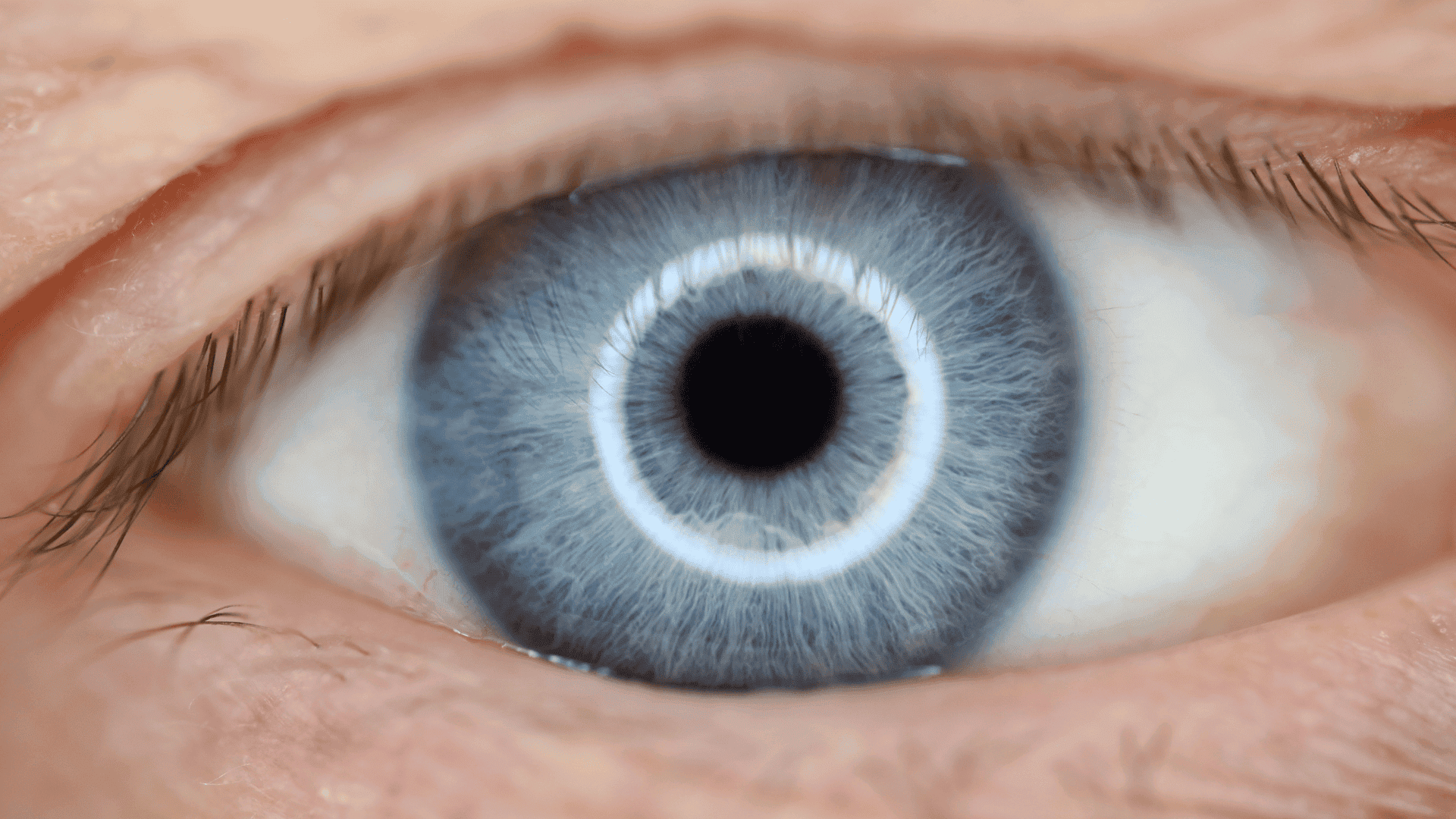
Optical correction refers to procedures aimed at improving vision by addressing various eye conditions and refractive errors. Common issues that require optical correction include myopia (nearsightedness), hyperopia (farsightedness), and astigmatism. The primary methods of optical correction include wearing eyeglasses or contact lenses, as well as surgical options like laser treatments and implants.
Eyeglasses are the most traditional form of optical correction, utilizing lenses that adjust the path of light entering the eye to ensure it focuses correctly on the retina. Contact lenses provide an alternative solution, placed directly on the eye, offering some individuals a more comfortable experience and a broader field of vision. Surgical procedures, such as LASIK or PRK, employ lasers to reshape the cornea, enhancing the eye's ability to refract light correctly and potentially eliminating the need for glasses or contact lenses.
Optical correction is crucial not only for improving vision but also for enhancing overall quality of life. Many individuals experience significant improvements in daily activities and self-confidence following the correction of their visual impairments. Regular eye examinations are essential for maintaining eye health and detecting any changes in vision early on.
Choosing the appropriate method of optical correction depends on various factors, including the specific nature of the visual impairment, the patient’s preferences, and recommendations from an eye care professional. With the right optical correction, individuals can enjoy a clearer and sharper world, positively impacting their everyday lives.
Optical correction is essential for improving vision and quality of life in individuals with refractive errors or other visual impairments. These impairments, such as nearsightedness (myopia), farsightedness (hyperopia), astigmatism, and presbyopia, affect the way light enters the eye and is focused on the retina. Without proper correction, these conditions can lead to blurred vision, eye strain, and difficulty with everyday tasks such as reading, driving, or recognizing faces. Optical correction methods, including glasses, contact lenses, and refractive surgeries, help to adjust the focus of light on the retina, allowing the eye to see more clearly. Glasses are often the first choice for many people, as they are easy to use and can be customized to address various visual needs. Contact lenses offer a more convenient, unobtrusive option, sitting directly on the eye to correct vision while allowing for greater freedom of movement. For those seeking a more permanent solution, refractive surgeries, like LASIK, can reshape the cornea to correct the underlying cause of the refractive error. Optical correction ensures that people can perform daily activities with ease, reduces the strain on the eyes, and prevents further deterioration of vision, thus improving overall well-being.
Optical correction works by altering how light is refracted, or bent, as it passes through the eye, ensuring that it is properly focused on the retina. Each type of optical correction—glasses, contact lenses, or refractive surgery—addresses this process in different ways. Glasses use lenses with specific curvature to bend light before it reaches the eye, compensating for any imperfections in the eye’s natural lens or cornea. For example, if a person is nearsighted, glasses with concave lenses help diverge light rays before they enter the eye, focusing them properly on the retina. Contact lenses, which rest directly on the cornea, work similarly by altering the way light enters the eye, offering more precise focus and a wider field of vision compared to glasses. The advantage of contact lenses is that they are less affected by environmental factors, such as fogging, and provide a more natural appearance. For those looking for a permanent solution, refractive surgery like LASIK reshapes the cornea using a laser, improving the eye’s ability to focus light directly on the retina. The goal of all optical correction methods is to ensure the eye focuses light correctly, enhancing visual clarity and reducing strain or discomfort. Depending on the individual’s vision needs, the best method of correction may vary, but each option helps improve overall vision.
The benefits of optical correction are extensive, as they help individuals with visual impairments regain a clear, comfortable, and functional view of the world. One of the most obvious benefits is improved clarity of vision. Whether through glasses, contact lenses, or surgery, optical correction ensures that individuals can see clearly, reducing or eliminating blurriness caused by refractive errors. For people with conditions like myopia or hyperopia, optical correction allows them to perform everyday tasks, such as driving, reading, or working, without difficulty. Another significant benefit is the reduction in eye strain and discomfort. Without correction, individuals may experience headaches, squinting, or fatigue from trying to focus. Optical correction, especially through the use of contact lenses or glasses tailored to an individual’s prescription, alleviates this strain and makes it easier to focus on tasks for longer periods. Additionally, optical correction can help protect the long-term health of the eyes. When refractive errors are left untreated, they can lead to complications like amblyopia (lazy eye) or worsen existing vision problems over time. Lastly, optical correction can improve quality of life by increasing independence and mobility. Whether through the convenience of contact lenses or the precision of laser surgery, people with corrected vision are better able to engage in activities such as driving, sports, and social interactions, leading to greater personal satisfaction and confidence.
During your consultation, you will discuss your wishes, medical history, and expectations with the doctor. The doctor will examine you, take measurements if necessary, and explain which treatment suits you best, including risks and recovery. You will have the opportunity to ask questions and then receive a clear treatment proposal.
Make sure you have all relevant medical information ready, such as previous treatments, allergies, or medical conditions. This allows the doctor to give you better advice.
Payment is made securely via SurgeryBooking. You pay the amount in advance to SurgeryBooking. We hold the funds and transfer them to the clinic after your treatment. Cancellation or change conditions vary per clinic and are clearly communicated in advance.
During the consultation (online or at the clinic), the doctor will assess this based on your health, expectations, and physical characteristics. You will discuss what you want, what is possible, and what the limitations are. Sometimes there are alternatives if the chosen treatment is not ideal.
Through SurgeryBooking.com, you can quickly and easily book a consultation or procedure with doctors and clinics worldwide. SurgeryBooking.com provides an overview of doctors and clinics, allowing you to make an informed and transparent choice when booking a consultation or procedure.
You can easily book through the profile of the desired clinic or doctor. Select the desired treatment, enter your details, and choose an available date and time. If there are any costs involved, you will complete the payment first. Afterwards, you will receive a confirmation email with all the details.
Yes, during the booking process, you can indicate whether you prefer an online consultation or an in-person consultation at the clinic.
With SurgeryBooking.com, you gain access to a global network of doctors and clinics. Through SurgeryBooking.com, you can easily book a consultation or a cosmetic procedure directly. Clinic profiles provide information about available cosmetic procedures, reviews, photos of the clinic, and other relevant details. This enables you to compare costs and make an informed decision when booking a consultation or procedure.