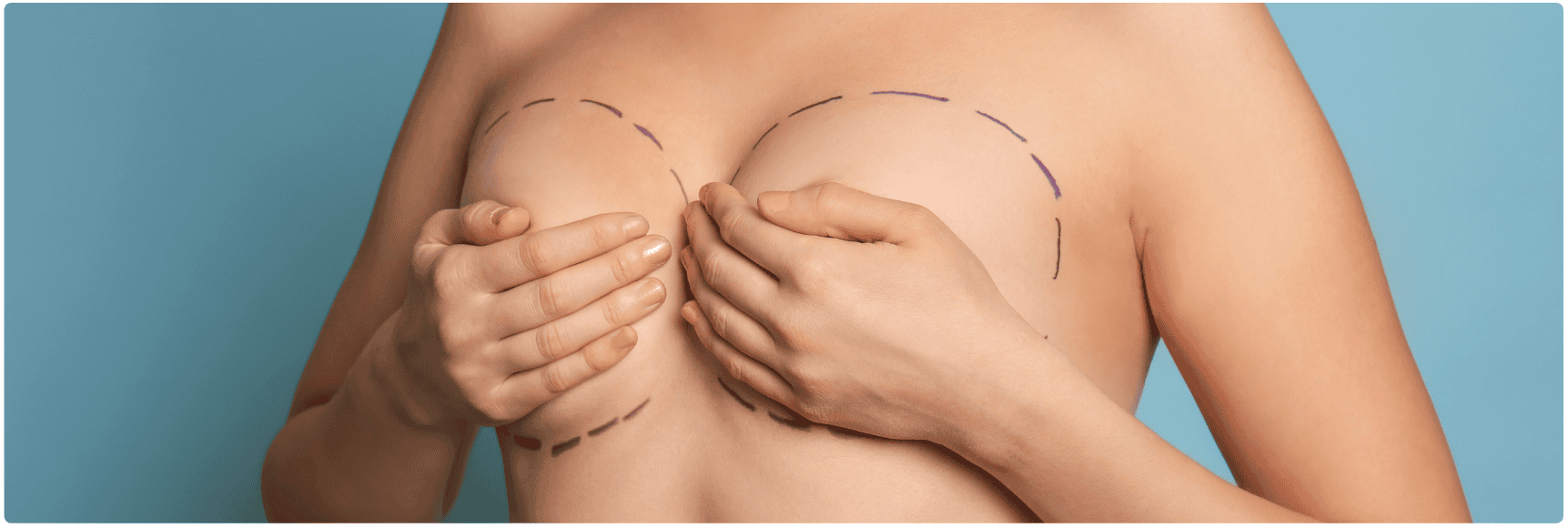
Oncoplastic breast surgery is an advanced approach to breast cancer treatment that combines oncological and plastic surgical techniques. This method focuses not only on the removal of tumors but also on preserving the aesthetic appearance of the breast. The goal is to minimize the risk of cancer recurrence while maintaining or improving the shape and appearance of the breast.
In oncoplastic breast surgery, the tumor is first removed according to oncological surgery principles. This can range from a lumpectomy, where only the tumor and a margin of healthy tissue are excised, to a mastectomy, which involves the removal of the entire breast. After the tumor is excised, a plastic reconstruction is performed to restore the breast’s shape and volume. This can occur during the same surgery or at a later stage, depending on the patient's situation and the surgeon's preference.
Oncoplastic breast surgery is an advanced approach to breast cancer treatment that combines oncological and plastic surgical techniques.
One of the significant advantages of oncoplastic breast surgery is that it offers patients the opportunity to maintain or even improve the aesthetic quality of their breasts, often leading to a better quality of life and self-image after treatment. Furthermore, this approach can help minimize scar tissue and speed up recovery time.
It is crucial for patients to be well-informed and to have an experienced multidisciplinary team guiding them in making treatment choices. Oncoplastic breast surgery requires careful planning and collaboration among oncologists, plastic surgeons, and other healthcare providers to achieve the best outcomes.
Oncoplastic breast surgery is a specialized procedure that combines cancer removal with plastic surgery techniques to preserve or enhance the appearance of the breast after a tumor is removed. Women undergoing treatment for breast cancer often face difficult decisions regarding the appearance and shape of their breasts after surgery, especially in cases where a lumpectomy or mastectomy is necessary. Oncoplastic breast surgery provides a solution by not only focusing on the removal of cancerous tissue but also ensuring that the aesthetic outcome is as favorable as possible.
Oncoplastic breast surgery is a specialized procedure that combines cancer removal with plastic surgery techniques to preserve or enhance the appearance of the breast after a tumor is removed.
Patients choose oncoplastic surgery because it offers a more comprehensive approach to breast cancer treatment. Rather than undergoing two separate surgeries—one for cancer removal and another for cosmetic reconstruction—oncoplastic surgery integrates these procedures into one operation. This means that while cancer is being treated, the breast's appearance can be preserved, helping women maintain a sense of normalcy and confidence post-surgery. This approach is especially appealing for women who want to avoid significant breast deformity after cancer surgery and who value both their health and aesthetic outcomes.
Oncoplastic breast surgery involves two main components: the oncological removal of cancerous tissue and the plastic surgery reconstruction or reshaping of the breast. The specific techniques used depend on the size and location of the tumor, the size of the breast, and the patient's aesthetic goals. For smaller tumors, a lumpectomy or partial mastectomy is performed to remove the cancerous tissue while sparing as much healthy breast tissue as possible. The plastic surgery aspect comes into play by reshaping the remaining tissue to create a natural, symmetrical appearance. This can include reshaping the breast to avoid any dimpling or concave areas that might result from the tumor's removal.
For women with larger breasts or more significant tissue removal, the surgeon may use a breast reduction or lift technique to reshape both breasts to achieve symmetry. In some cases, tissue from another part of the body, such as the abdomen or back, may be used to reconstruct the breast (a technique called autologous reconstruction). Alternatively, if a mastectomy (complete removal of the breast) is necessary, implants or fat grafting might be used to rebuild the breast. The surgical approach is highly personalized, taking into account both cancer treatment requirements and the patient's desired aesthetic results.
Recovery from oncoplastic surgery varies depending on the extent of the procedure. Most women experience some swelling, bruising, and discomfort, but these symptoms typically subside within a few weeks. Follow-up care includes monitoring both the healing of the breast and the effectiveness of the cancer treatment. Many patients are able to resume their regular activities within a few weeks, though full recovery may take longer, depending on the complexity of the surgery.
Oncoplastic breast surgery increasingly incorporates minimally invasive techniques, which aim to reduce scarring, pain, and recovery time. Small incisions and endoscopic tools allow surgeons to remove tumors and reshape the breast with precision. Benefits of these methods include:
Smaller surgical scars
Reduced post-operative pain
Shorter hospital stays
Faster return to daily activities
Lower risk of wound complications
Enhanced cosmetic outcomes
Better preservation of breast sensation
Improved patient satisfaction
Minimally invasive approaches are especially suitable for women with small to medium tumors and adequate breast tissue, offering a balance between effective cancer treatment and aesthetic preservation.
In oncoplastic breast surgery, managing lymph nodes is an essential component for complete cancer treatment. Surgeons often perform sentinel lymph node biopsy or axillary lymph node dissection to evaluate the spread of cancer. Coordinating lymph node removal with breast reconstruction ensures minimal disruption to the breast’s shape while maintaining oncological safety. Advanced imaging helps surgeons plan precise incisions and tissue rearrangement, reducing the likelihood of lymphedema and ensuring both effective cancer control and aesthetic success.
Fat grafting is a valuable tool in modern oncoplastic breast surgery. Surgeons harvest fat from areas such as the abdomen, thighs, or flanks and carefully inject it into the breast to restore volume and contour. This technique can be used for:
Correcting minor asymmetry
Filling in contour irregularities
Enhancing overall breast shape
Refining the results of previous surgeries
Supporting nipple reconstruction
Adding natural tissue where implants are not desired
Fat grafting provides a more natural look and feel compared to synthetic implants and can complement other reconstructive methods to achieve optimal aesthetic outcomes.
One of the major benefits of oncoplastic breast surgery is that it addresses both cancer treatment and cosmetic concerns in a single procedure. This integrated approach allows women to avoid the emotional distress that can come with significant changes to their appearance after breast cancer surgery. By combining oncological and reconstructive techniques, patients can achieve a more natural breast shape, symmetry, and contour, which helps maintain their body image and self-esteem. This is particularly important for women who want to feel as "normal" as possible following a cancer diagnosis, as the procedure helps them retain their feminine silhouette.
Another key benefit of oncoplastic surgery is the reduction of post-surgical deformities. Traditional lumpectomies and mastectomies can leave noticeable dents, asymmetry, or unnatural breast shapes. Oncoplastic techniques specifically aim to minimize these aesthetic issues, allowing for a better visual outcome. Additionally, because the surgery is tailored to each patient’s anatomy and preferences, it can also address issues such as sagging or overly large breasts, giving patients an opportunity to enhance their overall appearance while treating cancer.
Beyond the aesthetic and emotional advantages, oncoplastic breast surgery often leads to a more effective cancer treatment experience. By removing the cancerous tissue with precision and reshaping the breast simultaneously, patients reduce the number of surgeries and recovery periods they have to undergo. This streamlined process allows women to move more quickly from surgery to other treatments, such as radiation or chemotherapy if needed, without the delay of additional cosmetic procedures. In this way, oncoplastic breast surgery offers a comprehensive approach that supports both a patient’s physical health and emotional well-being.
Not every breast cancer patient is automatically a candidate for oncoplastic breast surgery. This advanced approach is best suited for women who are undergoing breast-conserving surgery, such as a lumpectomy, and who wish to minimize aesthetic changes to their breasts. Ideal candidates are typically those with small- to medium-sized tumors in proportion to their breast size. However, even women with larger tumors may qualify if they are willing to undergo additional reconstructive techniques, such as breast reduction or lift procedures.
Patient health, breast size and shape, tumor location, and personal preferences all play a role in determining suitability for this surgical option. During a preoperative consultation, the medical team assesses not just the oncological aspects, but also the cosmetic and emotional goals of the patient. Women who value both cancer control and body image preservation should discuss this option with a multidisciplinary team to explore whether it aligns with their treatment plan.
Nipple-sparing procedures are an advanced approach in oncoplastic breast surgery. When feasible, the surgeon preserves the nipple-areolar complex while removing the underlying tumor. This requires careful tumor mapping and intraoperative evaluation to ensure complete cancer removal. Techniques may include:
Precise incision placement around the nipple
Use of intraoperative imaging to guide excision
Tissue rearrangement to maintain nipple projection
Combining with implants or autologous tissue for full reconstruction
Nipple-sparing surgery offers excellent cosmetic results while maintaining oncological safety, giving patients a more natural post-surgery appearance.
There is no one-size-fits-all method in oncoplastic breast surgery. Instead, a range of techniques are employed depending on the patient's anatomy and tumor characteristics. Volume displacement techniques, such as glandular rotation flaps, involve rearranging the remaining breast tissue to fill the space left by tumor removal. This is particularly effective for women with moderate to large breasts.
In contrast, volume replacement techniques may be used when a significant portion of the breast is removed. In these cases, tissue from another part of the body—commonly the latissimus dorsi muscle or abdominal fat—can be transplanted to the breast area. Surgeons may also combine these methods with skin-sparing or nipple-sparing mastectomies when appropriate, preserving more of the breast’s natural appearance. Each technique is tailored to ensure that both oncological safety and aesthetic quality are maximized.
Successful oncoplastic breast surgery relies heavily on precise planning and advanced imaging techniques. Before surgery, high-resolution imaging such as 3D mammography, MRI, or ultrasound is used to map the exact size and location of the tumor. These tools help ensure that the cancer is completely removed while preserving as much healthy tissue as possible.
Surgeons also use imaging data to model the breast’s post-operative appearance and decide on the best reconstructive strategy. This level of planning helps reduce surprises during surgery and increases the likelihood of both oncological and cosmetic success. Patients can even view simulations of expected outcomes, giving them more confidence and clarity about the procedure ahead.
Long-term studies show high levels of patient satisfaction after oncoplastic breast surgery. Women report not only a strong sense of relief at having effectively treated their cancer, but also gratitude for the preservation of their body image and femininity. Many patients express a deeper emotional recovery because they did not have to sacrifice their appearance to prioritize their health.
Long-term studies show high levels of patient satisfaction after oncoplastic breast surgery.
Cosmetic outcomes remain stable over time, especially when paired with regular follow-up and good post-operative care. Recurrence rates are comparable to traditional breast cancer surgeries, which underscores that oncoplastic techniques do not compromise cancer treatment. In fact, the ability to achieve both health and aesthetic goals makes oncoplastic breast surgery one of the most holistic treatment options available today.
A thorough preoperative assessment is a critical step in ensuring the success of oncoplastic breast surgery. This evaluation goes beyond standard health checks, encompassing detailed imaging, lab tests, and consultations with both oncologists and plastic surgeons. Surgeons assess tumor size, location, and proximity to critical structures, while also evaluating breast tissue quality and symmetry. This helps to tailor the surgical plan to the patient’s unique anatomy, reducing the risk of complications and optimizing both oncological and aesthetic outcomes. The preoperative assessment also includes a discussion of realistic expectations, recovery timelines, and potential risks, ensuring patients are fully informed before proceeding.
Advanced 3D imaging and simulation play a pivotal role in oncoplastic breast surgery planning. By creating a three-dimensional model of the patient’s breasts, surgeons can:
Map tumor location accurately
Predict post-operative breast shape
Plan incisions for minimal scarring
Simulate outcomes with implants or tissue rearrangement
Optimize symmetry between both breasts
Educate patients on expected results
This technology allows for a personalized surgical plan, reduces intraoperative uncertainty, and increases patient confidence in the procedure.
Oncoplastic breast surgery can be strategically combined with radiotherapy to improve cancer outcomes while maintaining aesthetics. Planning the surgery with radiation in mind ensures:
Reduced risk of radiation-induced deformities
Optimal placement of incisions away from irradiated areas
Preservation of blood supply to reconstructed tissue
Better long-term cosmetic results
Lower incidence of tissue fibrosis or shrinkage
Collaboration between the surgical and radiotherapy teams is essential to balance effective cancer treatment with breast aesthetics.
Effective scar management is a key aspect of oncoplastic breast surgery. Techniques include careful incision placement, tension-free suturing, and postoperative therapies such as silicone sheets, laser treatment, or massage. Proper scar management enhances the cosmetic outcome, prevents hypertrophic scars, and ensures that the reconstructed breast maintains a smooth, natural contour over time.
Some patients require bilateral oncoplastic breast surgery, either for symmetry or because tumors are present in both breasts. This approach allows surgeons to achieve:
Balanced breast volume and shape
Symmetrical nipple positioning
Simultaneous cancer removal from both breasts
Shorter overall recovery compared to staged procedures
Coordinated post-operative care for optimal healing
Bilateral procedures are often more complex but can significantly improve aesthetic outcomes and patient satisfaction.
Tissue expanders are sometimes used in oncoplastic breast surgery when immediate reconstruction is not possible. These temporary devices gradually stretch the skin and tissue to accommodate an implant. Benefits include:
Gradual restoration of breast volume
Ability to shape the breast before permanent reconstruction
Reduced tension on incisions
Flexibility to adjust size and contour
Improved symmetry with the opposite breast
Tissue expanders are particularly useful in cases of mastectomy or significant tissue loss.
Follow-up care is critical after oncoplastic breast surgery. Patients undergo regular monitoring for both cancer recurrence and the healing of reconstructed tissue. Standard protocols often include:
Physical examinations
Imaging such as mammography or MRI
Assessment of scar healing
Monitoring for implant or graft complications
Guidance on physical activity and rehabilitation
Adhering to follow-up schedules ensures optimal long-term outcomes for both health and aesthetics.
Effective pain management enhances recovery after oncoplastic breast surgery. Surgeons employ multimodal strategies, including local anesthesia, nerve blocks, and post-operative medications. Additional measures may include:
Breast size plays a significant role in determining techniques for oncoplastic breast surgery. Smaller breasts may require volume replacement methods to restore shape, whereas larger breasts often allow for volume displacement techniques. Considerations include:
Symmetry with the opposite breast
Feasibility of tissue rearrangement
Possibility of reduction or lift procedures
Matching patient’s aesthetic goals
The surgical plan is tailored to achieve both oncological safety and optimal cosmetic outcomes regardless of breast size.
Genetic testing can influence the planning of oncoplastic breast surgery. Patients with BRCA1 or BRCA2 mutations may opt for more extensive tissue removal or preventive bilateral procedures to reduce future cancer risk. Incorporating genetic results allows surgeons to develop a customized approach, balancing oncological safety with aesthetic goals. Additionally, knowing a patient’s genetic profile aids in post-operative surveillance and long-term risk management, providing a more comprehensive care strategy.
During your consultation, you will discuss your wishes, medical history, and expectations with the doctor. The doctor will examine you, take measurements if necessary, and explain which treatment suits you best, including risks and recovery. You will have the opportunity to ask questions and then receive a clear treatment proposal.
Make sure you have all relevant medical information ready, such as previous treatments, allergies, or medical conditions. This allows the doctor to give you better advice.
Payment is made securely via SurgeryBooking. You pay the amount in advance to SurgeryBooking. We hold the funds and transfer them to the clinic after your treatment. Cancellation or change conditions vary per clinic and are clearly communicated in advance.
During the consultation (online or at the clinic), the doctor will assess this based on your health, expectations, and physical characteristics. You will discuss what you want, what is possible, and what the limitations are. Sometimes there are alternatives if the chosen treatment is not ideal.
Through SurgeryBooking.com, you can quickly and easily book a consultation or procedure with doctors and clinics worldwide. SurgeryBooking.com provides an overview of doctors and clinics, allowing you to make an informed and transparent choice when booking a consultation or procedure.
You can easily book through the profile of the desired clinic or doctor. Select the desired treatment, enter your details, and choose an available date and time. If there are any costs involved, you will complete the payment first. Afterwards, you will receive a confirmation email with all the details.
Yes, during the booking process, you can indicate whether you prefer an online consultation or an in-person consultation at the clinic.
With SurgeryBooking.com, you gain access to a global network of doctors and clinics. Through SurgeryBooking.com, you can easily book a consultation or a cosmetic procedure directly. Clinic profiles provide information about available cosmetic procedures, reviews, photos of the clinic, and other relevant details. This enables you to compare costs and make an informed decision when booking a consultation or procedure.