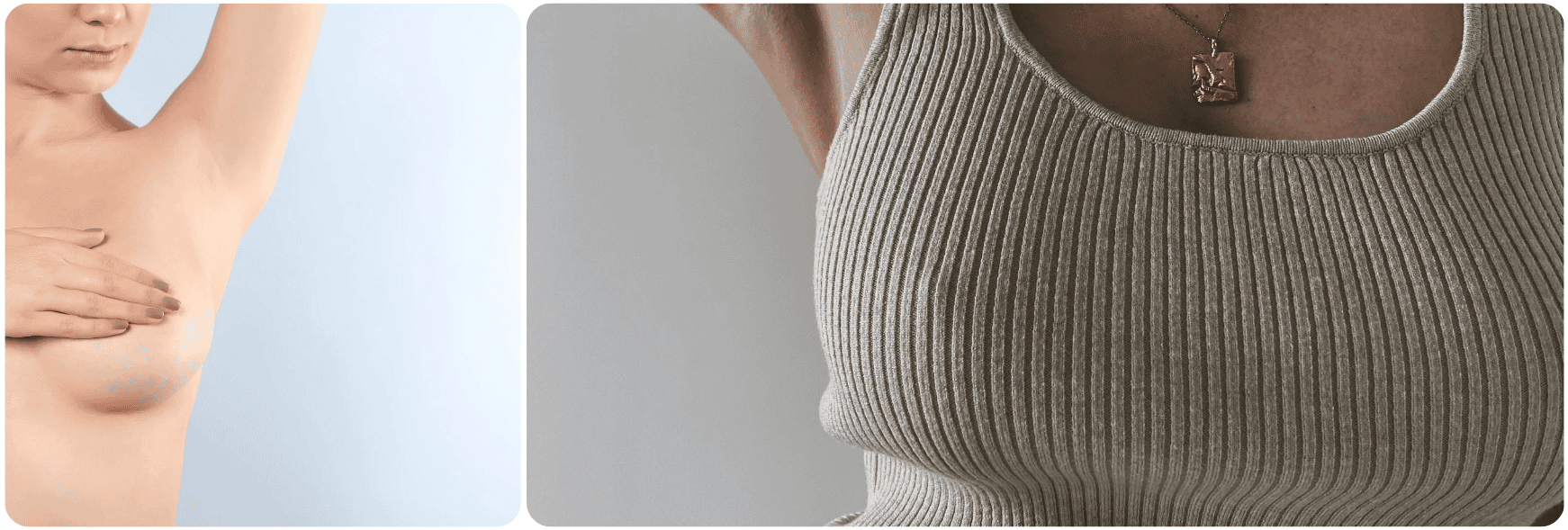
Nipple reconstruction is a surgical procedure aimed at restoring the nipple after a mastectomy (breast removal) or other interventions that may have affected the nipple. This reconstruction can be an important part of the healing process for women who have undergone breast cancer treatment, as it helps improve the aesthetic appearance of the breast and can restore self-confidence.
The procedure can be performed in several ways, depending on the patient’s needs and preferences. There are generally two main methods for nipple reconstruction: immediate reconstruction, which is often done during the same surgery as breast reconstruction, and delayed reconstruction, which can be performed later once the breast has fully healed.
Nipple reconstruction is a surgical procedure aimed at restoring the nipple after a mastectomy (breast removal) or other interventions that may have affected the nipple.
During reconstruction, skin tissue from the breast or other areas of the body is typically used to create a new nipple. In some cases, implants or other techniques may also be employed to restore the nipple's shape and volume. Additionally, the pigmentation of the nipple can be normalized through tattooing or pigmentation techniques.
After the procedure, patients may experience some swelling, discomfort, or sensitivity for a period of time. It is important for them to receive proper guidance and follow their surgeon's instructions closely for optimal healing. Nipple reconstruction can be a valuable part of the recovery process for many patients, allowing them to feel more complete and balanced after their treatment.
Nipple reconstruction is a surgical procedure often sought by individuals who have undergone mastectomy or breast reconstruction following breast cancer. It helps restore the natural appearance of the nipple and areola, which may have been removed or altered during cancer treatment. For many women, the loss of the nipple can be a stark reminder of their cancer journey and can leave them feeling incomplete, even after breast reconstruction. Nipple reconstruction provides an option to rebuild the nipple and areola, creating a more natural and balanced breast appearance, which can help individuals feel more whole and confident again.
Nipple reconstruction is a surgical procedure often sought by individuals who have undergone mastectomy or breast reconstruction following breast cancer.
The decision to undergo nipple reconstruction is deeply personal. Some people opt for the procedure to bring closure to their cancer treatment, while others may not feel the need for further surgery. For those who do, the reconstruction of the nipple and areola can restore a sense of femininity and normalcy. Nipple reconstruction is often the final step in the breast reconstruction process, allowing patients to reclaim their body and move forward with a sense of empowerment after their cancer battle.
Nipple reconstruction can be performed using various techniques, typically after the breast reconstruction surgery has fully healed. One of the most common methods involves creating a new nipple using the patient’s own skin from the breast. The surgeon reshapes a small flap of skin into a raised nipple structure, carefully placing it in the correct location on the reconstructed breast. In some cases, tissue from other parts of the body, such as the inner thigh or abdomen, may be used for the reconstruction if additional tissue is needed.
In addition to creating the nipple itself, the areola—the pigmented area surrounding the nipple—can be recreated using medical tattooing (micropigmentation). This technique allows the surgeon to match the color and shape of the natural areola, blending it seamlessly with the reconstructed breast. Some patients choose to forgo the nipple reconstruction surgery and instead opt for 3D nipple tattooing, which can create a realistic appearance without additional surgery.
The procedure is typically performed under local anesthesia, and the recovery time is relatively short compared to other breast surgeries. Patients can return to normal activities within a few days, although it may take several weeks for the reconstructed nipple to fully heal and for swelling to subside. Over time, the new nipple will flatten slightly but maintain its shape, and additional tattooing or touch-ups may be done to enhance the final appearance.
Advanced nipple reconstruction techniques have evolved significantly, offering more options for patients seeking natural results. Surgeons now utilize flap designs, including the C-V flap, skate flap, and star flap, each tailored to patient anatomy and desired nipple projection. Fat grafting may also be used to enhance volume and contour. These techniques allow precise shaping and symmetry with the opposite breast. Incorporating tattooing immediately after surgery can also optimize aesthetic outcomes. Each method is carefully selected to minimize scarring and ensure long-lasting results.
Achieving symmetry is a major goal in nipple reconstruction. Surgeons may use precise measurements and templates to match the opposite nipple. Photographs and pre-surgical markings help ensure proper positioning. Flap designs are adjusted individually to replicate natural projection. Tattooing can further refine the shape, color, and borders. Combining surgical precision with artistic techniques ensures the reconstructed nipple complements the overall breast reconstruction aesthetically.
One of the primary benefits of nipple reconstruction is the sense of completeness it provides after breast cancer treatment or reconstruction surgery. For many women, the absence of the nipple can make their reconstructed breast feel unfinished. Restoring the nipple and areola helps give the breast a more natural, symmetrical appearance, which can be emotionally healing and help individuals regain confidence in their body. This final step in breast reconstruction often plays a crucial role in helping patients feel fully restored after mastectomy.
Aesthetic benefits are another key advantage. Nipple reconstruction creates a balanced and natural look that aligns with the patient’s body image goals. The careful shaping of the nipple and the addition of areola tattooing ensures that the reconstructed breast closely resembles the natural breast, enhancing symmetry and proportion. For women who have had a unilateral mastectomy (removal of one breast), this surgery can help make the reconstructed breast match the natural one more closely, improving overall appearance and self-esteem.
Additionally, the procedure offers long-term results with minimal recovery time. The use of the patient’s own tissue ensures that the reconstructed nipple is stable, while techniques like micropigmentation offer realistic color and shape. For patients who want to feel as normal as possible after mastectomy, nipple reconstruction provides a lasting solution that restores both the form and emotional connection to their body. This can be a key part of emotional recovery, allowing women to feel more like themselves again after their breast cancer journey.
The timing of nipple reconstruction depends largely on the individual healing process and the type of breast reconstruction that was performed. In most cases, surgeons recommend waiting several months—typically around 3 to 6—after the initial breast reconstruction to allow swelling to subside and the new breast mound to settle into its final shape. This waiting period ensures the nipple can be placed in the most natural and symmetrical position.
For patients undergoing delayed breast reconstruction, nipple reconstruction is usually planned as the final step. However, in selected cases, immediate nipple reconstruction can be performed during the initial surgery. The best timing varies per patient and should be determined in close consultation with a plastic surgeon. The decision is influenced by factors such as skin quality, healing response, and whether radiation therapy is part of the treatment plan.
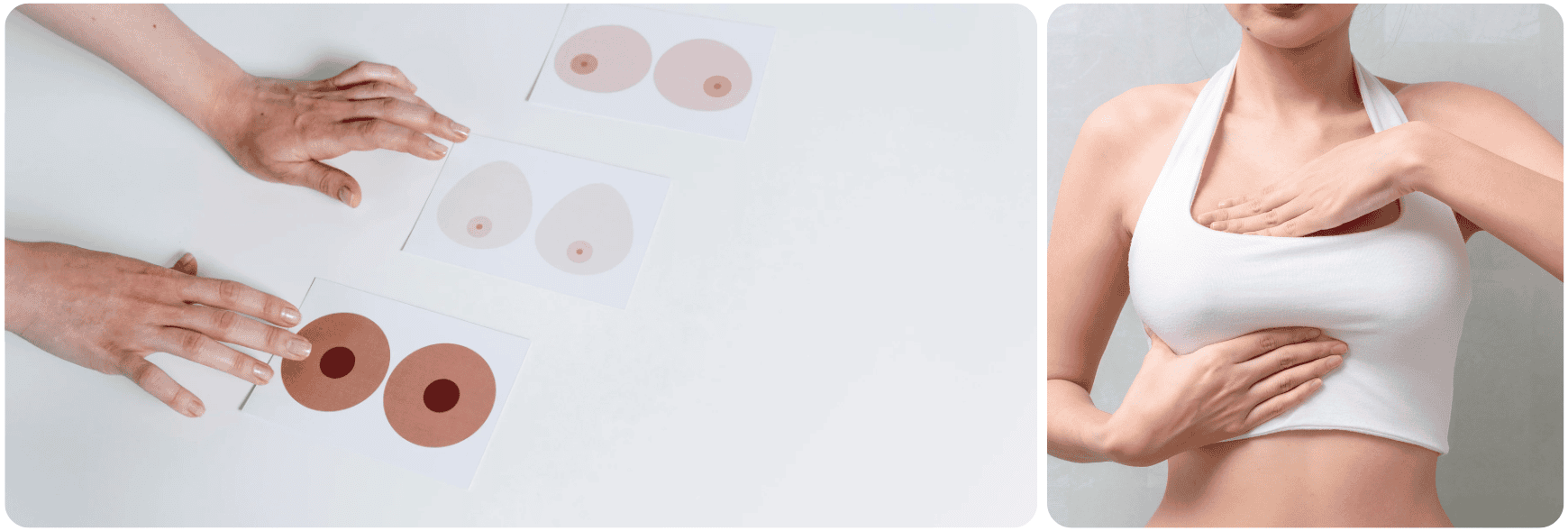
In addition to reconstructing the nipple, restoring the areola is a vital part of achieving a natural-looking result. The most common method used for areola restoration is medical tattooing, also known as micropigmentation. This technique allows specialists to match the pigmentation and size of the natural areola, often using 3D shading to simulate realistic texture and depth.
Some patients prefer a non-surgical solution and opt for 3D areola tattoos without nipple reconstruction. This option can produce strikingly realistic results, offering an excellent alternative for individuals who want to avoid additional procedures. In other cases, the areola can be reconstructed using a skin graft, especially if pigmentation tattooing is not an option due to skin sensitivity or scarring. Each approach is highly customizable, depending on the patient’s desired look and skin tone.
Beyond the physical outcome, nipple reconstruction plays a significant role in emotional recovery after breast cancer. Rebuilding the nipple can help patients feel more like themselves again, reconnecting with their body and identity. For many women, it symbolizes the end of a difficult medical journey and marks a turning point in reclaiming their sense of normalcy and femininity.
Studies show that patients who undergo nipple and areola reconstruction often report higher satisfaction with their breast appearance and overall quality of life. The psychological benefits can be profound—boosting self-esteem, body image, and even intimacy. For this reason, discussing emotional expectations during pre-surgical planning is just as important as understanding the physical techniques.
After nipple reconstruction, patients can generally expect a smooth recovery process, especially when following their surgeon’s care instructions closely. The procedure is typically outpatient and done under local anesthesia, meaning patients can return home the same day. Swelling, bruising, and mild discomfort may occur but usually resolve within a few days.
Over time, the newly formed nipple may flatten somewhat, but it retains a natural projection and shape. Pigmentation might fade slightly, which is why touch-up tattooing is sometimes recommended. It’s also important to remember that while the reconstructed nipple may look very natural, it generally does not regain full sensation. Still, most patients are satisfied with the aesthetic result and consider it a meaningful final step in their breast reconstruction journey.
Proper aftercare following nipple reconstruction is essential for optimal results. Patients are advised to avoid strenuous activity for a few weeks. Keeping the area clean and dry reduces infection risk. Specialized dressings or protective shields are often used during the first days post-surgery. Follow-up appointments ensure proper healing and allow early detection of complications. Maintaining realistic expectations about nipple projection and pigmentation is crucial. By following these guidelines, patients can support both aesthetic and functional outcomes.
Nipple reconstruction sometimes involves using skin grafts when local breast tissue is insufficient. Small grafts are taken from the inner thigh, groin, or lower abdomen. These grafts provide extra tissue to build a natural-looking nipple. The technique is often combined with tattooing to recreate the areola. Healing requires careful monitoring to prevent graft failure, and touch-ups may be needed to perfect symmetry and pigmentation. This method is particularly useful in complex reconstructions after extensive mastectomies.
Micropigmentation, also called medical tattooing, is a critical step in many nipple reconstructions. The technique uses specialized pigments to recreate the natural color and texture of the areola. Multiple shades can be blended to produce a realistic 3D effect. Micropigmentation is also useful for correcting minor asymmetry or fading over time. Patients may require touch-ups to maintain vibrancy, ensuring the reconstructed nipple and areola appear as natural as possible. It is often combined with surgical reconstruction or can be performed alone for non-surgical options.
Selecting a qualified surgeon is critical for successful nipple reconstruction. Board-certified plastic surgeons with experience in breast reconstruction offer the best outcomes. Reviewing before-and-after photos of previous patients can provide realistic expectations. Surgeons should discuss techniques, timing, and post-operative care clearly. Open communication ensures the patient’s goals are understood and achievable. Expertise in both surgical and tattooing techniques often produces the most aesthetically pleasing results.
Combining nipple reconstruction with areola tattooing offers multiple advantages. Patients achieve a more natural and cohesive breast appearance. The procedure reduces the need for additional corrections later. Color and shape can be tailored to match the other breast. Combining both procedures often shortens overall recovery time. The end result is typically more realistic and durable than performing each step separately.
Delayed nipple reconstruction is performed after the reconstructed breast has fully healed. This approach allows swelling to subside and the breast to settle naturally. It is often chosen when initial reconstruction was complex or radiation therapy was involved. Surgeons can carefully place the nipple to maximize symmetry. Delayed procedures may also allow for better tissue selection or skin grafting. Planning this final step carefully ensures the reconstructed breast looks harmonious and balanced.
After nipple reconstruction, mild swelling, bruising, and discomfort are common. Cold compresses can help reduce swelling during the first 48 hours. Wearing loose-fitting clothing prevents irritation. Pain medications prescribed by the surgeon should be taken as directed. Gentle massage may be recommended later to improve skin flexibility. Proper post-operative care minimizes complications and promotes faster healing, ensuring the reconstructed nipple maintains its shape and projection.
Advanced tattooing techniques can significantly enhance areola reconstruction. Shading and gradient techniques create a realistic 3D effect. Some artists use multiple pigment layers to simulate natural texture. Color matching is done carefully to complement the patient’s skin tone. Tattooing can also correct minor asymmetry or fading that occurs after healing. These techniques ensure that the reconstructed nipple and areola blend seamlessly with the rest of the breast.
Advanced tattooing techniques can significantly enhance areola reconstruction.
The approach to nipple reconstruction differs for unilateral and bilateral cases. In unilateral reconstructions, achieving symmetry with the natural breast is the primary concern. Bilateral reconstructions require both nipples to match in size, shape, and color. Techniques may vary depending on available tissue and patient goals. Surgeons often plan pre-operative markings and measurements meticulously. Tailoring the procedure to the type of reconstruction helps achieve balanced and aesthetically pleasing results.
Maintaining the appearance of a reconstructed nipple requires ongoing care. Avoiding sun exposure prevents pigment fading in the areola. Follow-up tattoo touch-ups may be needed every few years. Patients should monitor for any changes in skin texture, color, or sensitivity. Using gentle moisturizers helps preserve skin health. Adhering to long-term care recommendations ensures the reconstructed nipple retains its shape, color, and natural appearance for many years.
During your consultation, you will discuss your wishes, medical history, and expectations with the doctor. The doctor will examine you, take measurements if necessary, and explain which treatment suits you best, including risks and recovery. You will have the opportunity to ask questions and then receive a clear treatment proposal.
Make sure you have all relevant medical information ready, such as previous treatments, allergies, or medical conditions. This allows the doctor to give you better advice.
Payment is made securely via SurgeryBooking. You pay the amount in advance to SurgeryBooking. We hold the funds and transfer them to the clinic after your treatment. Cancellation or change conditions vary per clinic and are clearly communicated in advance.
During the consultation (online or at the clinic), the doctor will assess this based on your health, expectations, and physical characteristics. You will discuss what you want, what is possible, and what the limitations are. Sometimes there are alternatives if the chosen treatment is not ideal.
Through SurgeryBooking.com, you can quickly and easily book a consultation or procedure with doctors and clinics worldwide. SurgeryBooking.com provides an overview of doctors and clinics, allowing you to make an informed and transparent choice when booking a consultation or procedure.
You can easily book through the profile of the desired clinic or doctor. Select the desired treatment, enter your details, and choose an available date and time. If there are any costs involved, you will complete the payment first. Afterwards, you will receive a confirmation email with all the details.
Yes, during the booking process, you can indicate whether you prefer an online consultation or an in-person consultation at the clinic.
With SurgeryBooking.com, you gain access to a global network of doctors and clinics. Through SurgeryBooking.com, you can easily book a consultation or a cosmetic procedure directly. Clinic profiles provide information about available cosmetic procedures, reviews, photos of the clinic, and other relevant details. This enables you to compare costs and make an informed decision when booking a consultation or procedure.