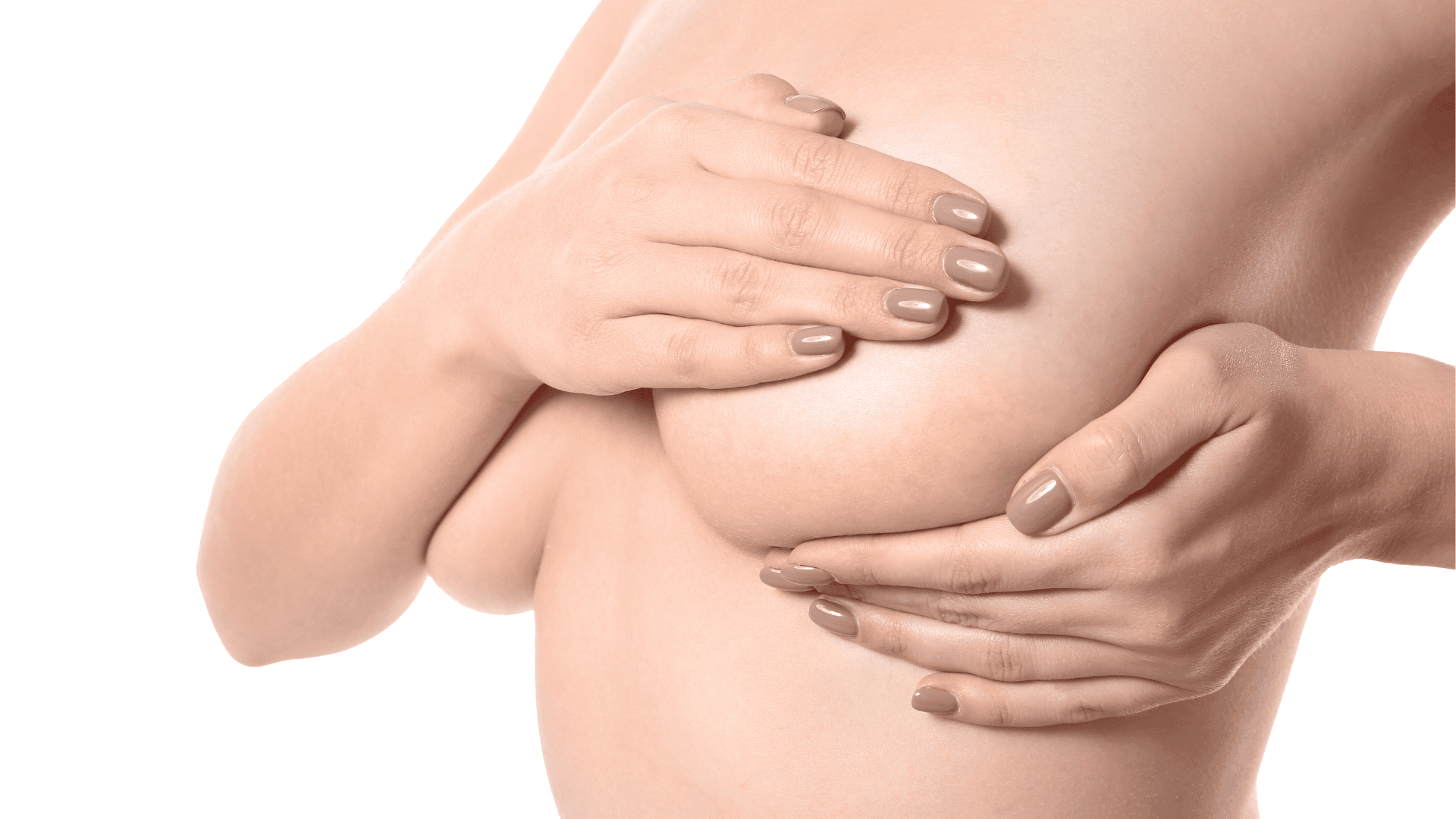
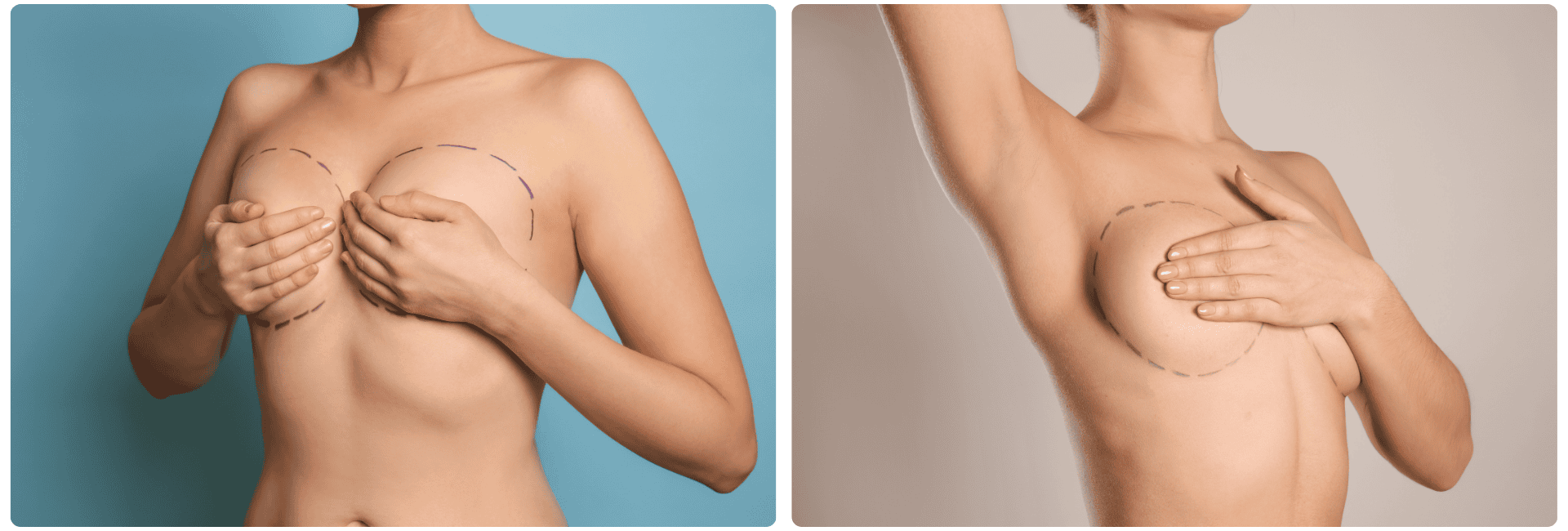
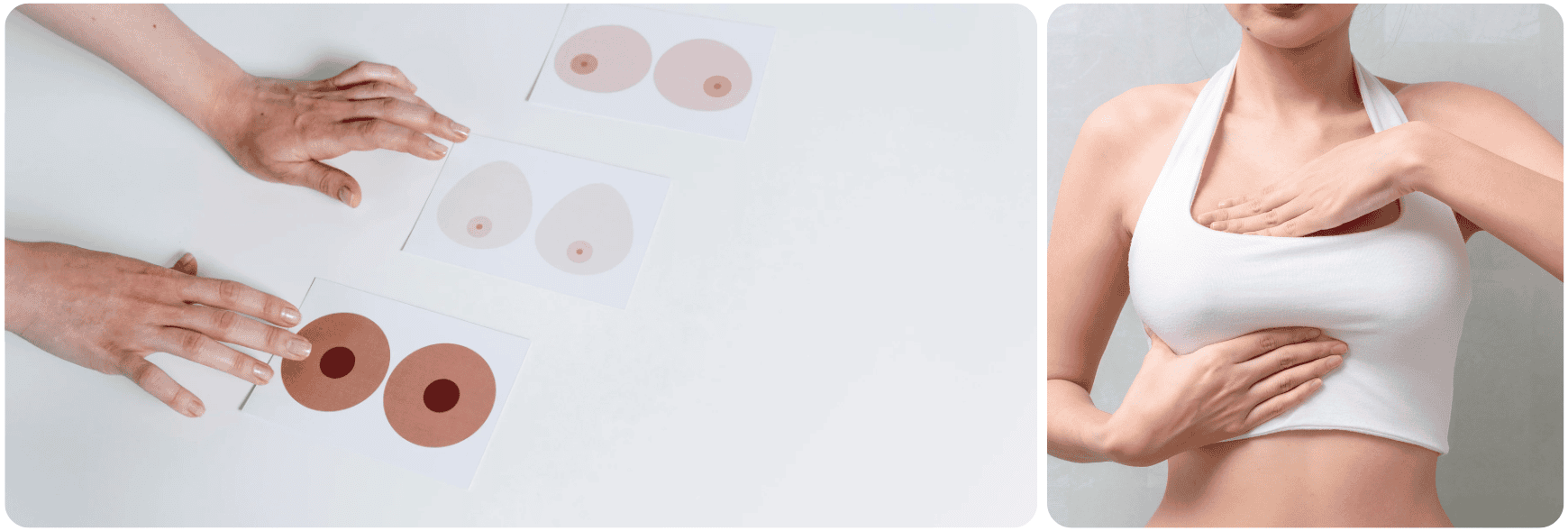
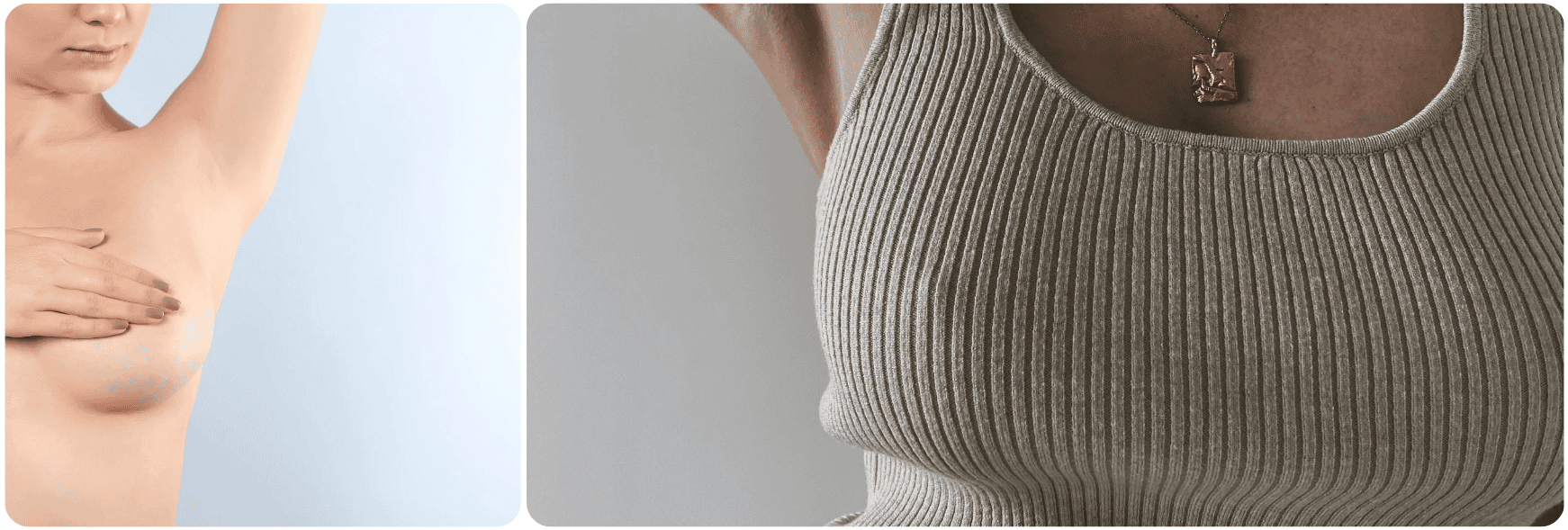
Nipple correction is a surgical procedure designed to improve the shape, position, or size of the nipples. This can be necessary in various situations, such as for inverted nipples, asymmetric nipples, or when the nipples are too large or too small in relation to the breast. Nipple correction can be performed for both cosmetic and functional reasons, such as enhancing self-confidence or addressing issues during breastfeeding.
During the procedure, the surgeon will evaluate the specific condition of the nipples and develop a treatment plan. The technique used may vary depending on the type of correction needed. In cases of inverted nipples, the surgeon may employ techniques to bring the nipple outward and maintain that position. For asymmetric nipples, one of the nipples may be adjusted to create better symmetry.
Nipple correction is a surgical procedure designed to improve the shape, position, or size of the nipples.
Nipple correction is typically performed under local anesthesia, although general anesthesia may be recommended in some cases depending on the complexity of the procedure. After the surgery, patients may experience some swelling, discomfort, or sensitivity, but these symptoms are usually temporary. It is essential to follow the surgeon's post-operative instructions for optimal recovery.
Most patients can quickly return to their daily activities, although strenuous physical activities should be avoided for a certain period. Nipple correction is generally considered a safe procedure, but there are associated risks, including infections, bleeding, and scarring. It is crucial for patients to be well-informed about the process and its potential implications, and to consult with an experienced plastic surgeon to discuss their options and determine the best approach for their situation.
Nipple correction surgery is performed to address a variety of concerns related to the appearance or functionality of the nipples. Men and women may opt for this procedure to correct issues such as inverted nipples, oversized nipples, asymmetry, or to reduce the size of the areola. Inverted nipples, where the nipple retracts inward instead of projecting outward, can be a source of self-consciousness or discomfort for some individuals.
This condition may also interfere with breastfeeding for women. Oversized nipples or prominent areolas may cause distress or embarrassment, especially when visible through clothing. Nipple correction offers a solution for these aesthetic or functional concerns, allowing patients to achieve a more balanced, symmetrical, or natural look. Many choose this surgery to enhance their body confidence, particularly in situations where the chest is exposed.
For others, nipple correction is about addressing physical discomfort or improving functionality, such as making breastfeeding easier. Whether for cosmetic reasons or to resolve a physical issue, nipple correction can have a positive impact on self-esteem and well-being.
Nipple correction surgery varies depending on the specific issue being addressed, but most procedures are relatively straightforward and can often be performed under local anesthesia. For inverted nipples, the surgery typically involves releasing the fibrous tissue or ducts that are pulling the nipple inward. The surgeon makes a small incision at the base of the nipple, freeing it to project outward naturally.
Nipple correction surgery varies depending on the specific issue being addressed, but most procedures are relatively straightforward and can often be performed under local anesthesia.
If preserving breastfeeding capability is important, careful techniques are used to minimize disruption to the milk ducts. In cases of oversized nipples, nipple reduction surgery is performed by removing a portion of the nipple or reducing its length to create a more proportionate size. This is done through precise incisions that leave minimal scarring.
For areola reduction, the surgeon will remove a ring of tissue from the outer edge of the areola to reduce its diameter, then close the incision in a way that minimizes visible scarring. Sometimes, nipple correction is combined with other breast procedures, such as a breast lift or augmentation, to enhance the overall appearance of the chest.
Recovery from nipple correction is typically quick, with most patients resuming normal activities within a few days, although they may need to avoid heavy lifting or strenuous exercise for a short period. Post-surgery, some swelling and bruising are normal, but these effects subside within a couple of weeks, leaving a refined and natural-looking result.
There are several surgical techniques available for nipple correction, each designed to address a specific concern. Surgeons often choose the approach based on whether the issue involves inverted nipples, nipple size, or areola shape. For example, techniques for inverted nipples may involve cutting tight tissue bands, while nipple reduction focuses on carefully removing excess tissue.
Some surgeons use advanced microsurgical methods to preserve milk ducts whenever possible. The choice of technique depends on the patient’s goals, anatomy, and whether functionality such as breastfeeding is a priority.
Selecting the right professional for nipple correction surgery is one of the most important steps toward a successful outcome. Patients should look for surgeons who are board-certified, experienced in nipple and breast procedures, and able to show before-and-after photos of past patients. Key things to consider include:
The surgeon’s credentials and specialization
Years of experience with nipple correction
Patient reviews and testimonials
Availability of follow-up care
Comfort and communication during consultation
Choosing a skilled and approachable surgeon increases the likelihood of safe surgery and natural results.
The benefits of nipple correction surgery are both aesthetic and functional, providing a significant boost in confidence and comfort for many individuals. For those with inverted nipples, one of the key benefits is the ability to achieve a more outward projection, which can greatly improve the appearance of the chest. This not only enhances self-esteem but can also address practical concerns, such as making breastfeeding possible or more comfortable for women.
Nipple reduction surgery helps create a more proportionate look, especially for those who feel self-conscious about overly prominent or large nipples. A smaller, more balanced nipple size can result in a more harmonious appearance, boosting body confidence in various situations, such as wearing fitted clothing or swimwear.
The benefits of nipple correction surgery are both aesthetic and functional, providing a significant boost in confidence and comfort for many individuals.
In cases of areola reduction, the surgery offers a solution for individuals who feel their areolas are disproportionately large, allowing them to achieve a more aesthetically pleasing breast contour. Nipple correction can also address asymmetry, creating a more symmetrical appearance between the nipples or areolas, which is particularly beneficial for those who feel unevenness detracts from their overall look. Functionally, the surgery can resolve issues related to nipple sensitivity or discomfort, as well as improve the overall shape and projection.
The results of nipple correction are typically long-lasting, with minimal scarring and a quick recovery, making it a highly effective procedure for enhancing both appearance and comfort. Overall, nipple correction offers personalized solutions that meet the unique needs of each patient, allowing them to feel more confident and comfortable in their own skin.
Not everyone requires or is suited for nipple correction, but there are several common situations where this procedure can be highly beneficial. Ideal candidates include individuals with naturally inverted nipples, noticeably asymmetrical nipples, or nipples that are too large in proportion to the breast. It's also a suitable option for people who have developed nipple irregularities due to aging, injury, or past surgeries. Both men and women may seek correction for aesthetic or functional reasons—especially if the nipple condition causes discomfort or interferes with breastfeeding.
Generally, good candidates are in overall good health, non-smokers, and have realistic expectations. A consultation with a qualified surgeon is essential to determine the best approach based on personal goals and anatomy.
Yes, nipple correction is often performed in combination with other breast procedures to achieve a more balanced and harmonious result. It is frequently combined with breast augmentation, breast reduction, or a breast lift, especially when nipple position, shape, or size needs to be adjusted to match the new contour of the breast.
This combination can enhance the overall symmetry and aesthetic appeal of the chest. For example, in a breast lift, the nipples may be repositioned for a more youthful and proportional look. Performing these procedures together often means one recovery period and more cohesive final results, which is especially appealing for patients seeking a complete transformation.
Although nipple correction is considered a minor and low-risk procedure, it's still a surgical intervention and comes with potential risks. Common risks include mild infection, temporary bruising, changes in nipple sensitivity, and minor scarring. In rare cases, there may be complications that affect the milk ducts, which can impact future breastfeeding.
Although nipple correction is considered a minor and low-risk procedure, it's still a surgical intervention and comes with potential risks.
Asymmetry or unsatisfactory results may also occur, sometimes requiring a revision procedure. However, these risks are greatly minimized when the surgery is performed by an experienced, board-certified plastic surgeon. Following post-operative care instructions closely also plays a big role in reducing risks and promoting a smooth recovery.
To maintain the results of your nipple correction long-term, it's important to take proper care during and after recovery. Initially, patients should wear any recommended dressings or support garments and avoid strenuous activity or direct pressure on the chest. Once healed, protecting the area from excessive sun exposure and using scar treatments (if advised by your surgeon) can help keep scars minimal and discreet.
Leading a healthy lifestyle—such as maintaining a stable weight and avoiding trauma to the chest area—also supports lasting results. While the improvements are typically permanent, natural aging and hormonal shifts can still subtly affect nipple shape or skin elasticity over time. Regular check-ins with your surgeon can help ensure everything continues to look and feel its best.
Recovery after nipple correction surgery is usually straightforward, but the timeline can vary slightly depending on the procedure performed. Most patients can return to work and light activities within just a few days, while full recovery may take a few weeks. Swelling, sensitivity, and minor bruising are common in the first week but gradually fade. Stitches typically dissolve on their own or are removed within 7–10 days. Following your surgeon’s care instructions is key to ensuring a smooth recovery and the best possible results.
A common concern is whether nipple correction will leave noticeable scars. Modern surgical techniques focus on minimizing scarring by placing incisions in discreet areas, such as the base of the nipple or along the areola edge. These incisions are small and heal quickly, usually fading over time to become barely visible. Surgeons may also use advanced suturing techniques and recommend scar-reducing creams or silicone sheets after healing. With proper care, most patients find that scars are minimal and not a major concern.
The price of nipple correction surgery can vary depending on multiple factors, including the clinic, surgeon’s expertise, and whether the procedure is combined with other treatments. Patients should consider that the cost usually covers not only the surgery itself but also anesthesia, facility fees, and post-operative care. Additional elements that influence price may include:
The complexity of the correction
Whether both nipples are being treated
The type of anesthesia used
The location of the clinic
The reputation of the surgeon
Because costs vary so much, it’s recommended to consult directly with clinics to receive personalized quotes.
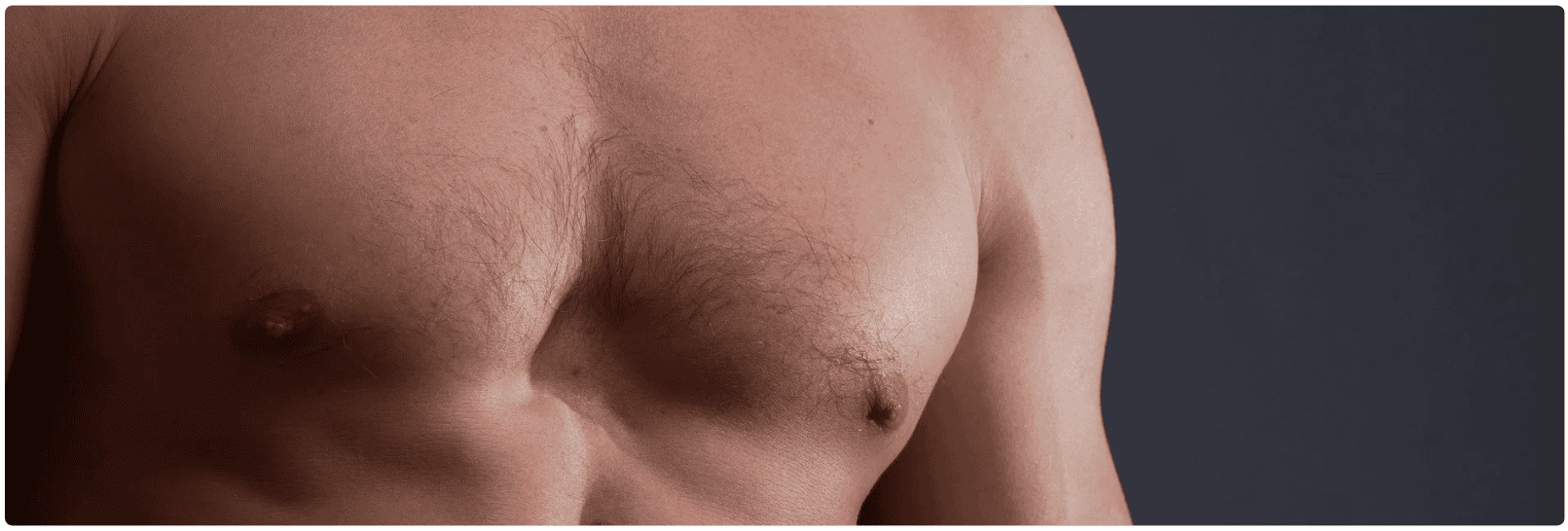
While often associated with women, nipple correction surgery is also popular among men. Men may seek this procedure to correct enlarged nipples, asymmetry, or inverted nipples that affect their confidence. Some men choose to undergo nipple correction alongside gynecomastia surgery for a more balanced chest appearance. The techniques used are similar to those in female patients, but surgeons take male anatomy and aesthetic goals into account. For many men, the procedure helps create a flatter, more masculine chest contour.
Preparing properly before undergoing nipple correction helps ensure a smoother procedure and recovery. Patients are usually advised to stop smoking several weeks before surgery, as smoking can impair healing. Surgeons may also recommend pausing certain medications or supplements that increase bleeding risk. Pre-surgery consultations typically include:
A full medical history review
A physical examination of the nipples and breast area
Discussion of desired outcomes
Clear explanation of risks and recovery steps
Instructions on fasting if anesthesia is required
Being well-prepared contributes to safer surgery and more predictable results.
In some cases, patients opt for nipple correction together with areola reshaping to achieve more balanced results. When nipples are corrected without addressing large or irregular areolas, the final appearance may still feel disproportionate. By combining both procedures, surgeons can refine the entire nipple-areola complex. This approach is common among patients who want comprehensive breast improvement, especially after weight loss, pregnancy, or other body changes. The combination often provides more aesthetically pleasing and harmonious results.
Many patients report long-term satisfaction with the outcomes of nipple correction. The results are usually permanent, though natural aging and hormonal changes may subtly influence the nipples over time. Patients appreciate not only the physical improvements but also the fact that the recovery is short and the scars are minimal. Because of these factors, nipple correction remains one of the most effective and low-risk breast-related surgeries available. Regular follow-ups with the surgeon ensure that results are maintained over the years.
Women considering nipple correction often wonder how the surgery might affect breastfeeding. While certain techniques may alter milk ducts, many modern approaches are designed to preserve functionality whenever possible. Patients who plan on having children in the future should discuss this with their surgeon beforehand. In some cases, modified techniques can help maintain the ability to breastfeed. Although not guaranteed, careful planning with an experienced surgeon can balance both cosmetic goals and functionality.
Advancements in anesthesia have made nipple correction safer and more comfortable than ever. Many procedures are performed under local anesthesia, meaning patients remain awake but pain-free. In more complex cases, light sedation or general anesthesia may be used. An anesthesiologist or qualified provider carefully monitors the patient throughout the procedure to ensure safety. The use of modern anesthesia allows for quicker recovery times and a more comfortable surgical experience.
An increasing number of patients travel abroad for nipple correction surgery, often because clinics in other countries offer high-quality care at competitive prices. Medical tourism destinations are popular for combining skilled surgeons with affordable treatment options. Patients may also enjoy the benefit of recovering in a calm environment away from daily stress. However, it’s crucial to research clinics carefully, ensuring they are accredited and have experienced staff. A thorough consultation is key before traveling for surgery.
After nipple correction, patients may need to adjust certain lifestyle habits temporarily to support healing. For example, exercise routines involving chest muscles should be paused for a few weeks. Tight clothing or bras that put pressure on the nipples should be avoided until fully healed.
Patients are also advised to reduce alcohol consumption and focus on a balanced diet to boost recovery. These adjustments are short-term but play a big role in ensuring optimal results.
The results of nipple correction surgery are generally long-lasting, with most patients enjoying improvements for many years. Once corrected, inverted or oversized nipples typically maintain their new shape permanently. However, natural factors such as aging, hormonal changes, or significant weight fluctuations can cause minor alterations over time.
Patients who follow healthy lifestyle habits and protect the chest area from trauma often maintain their results longer. Scheduling occasional check-ups with the surgeon can help ensure everything remains in good condition.
During your consultation, you will discuss your wishes, medical history, and expectations with the doctor. The doctor will examine you, take measurements if necessary, and explain which treatment suits you best, including risks and recovery. You will have the opportunity to ask questions and then receive a clear treatment proposal.
Make sure you have all relevant medical information ready, such as previous treatments, allergies, or medical conditions. This allows the doctor to give you better advice.
Payment is made securely via SurgeryBooking. You pay the amount in advance to SurgeryBooking. We hold the funds and transfer them to the clinic after your treatment. Cancellation or change conditions vary per clinic and are clearly communicated in advance.
During the consultation (online or at the clinic), the doctor will assess this based on your health, expectations, and physical characteristics. You will discuss what you want, what is possible, and what the limitations are. Sometimes there are alternatives if the chosen treatment is not ideal.
Through SurgeryBooking.com, you can quickly and easily book a consultation or procedure with doctors and clinics worldwide. SurgeryBooking.com provides an overview of doctors and clinics, allowing you to make an informed and transparent choice when booking a consultation or procedure.
You can easily book through the profile of the desired clinic or doctor. Select the desired treatment, enter your details, and choose an available date and time. If there are any costs involved, you will complete the payment first. Afterwards, you will receive a confirmation email with all the details.
Yes, during the booking process, you can indicate whether you prefer an online consultation or an in-person consultation at the clinic.
With SurgeryBooking.com, you gain access to a global network of doctors and clinics. Through SurgeryBooking.com, you can easily book a consultation or a cosmetic procedure directly. Clinic profiles provide information about available cosmetic procedures, reviews, photos of the clinic, and other relevant details. This enables you to compare costs and make an informed decision when booking a consultation or procedure.