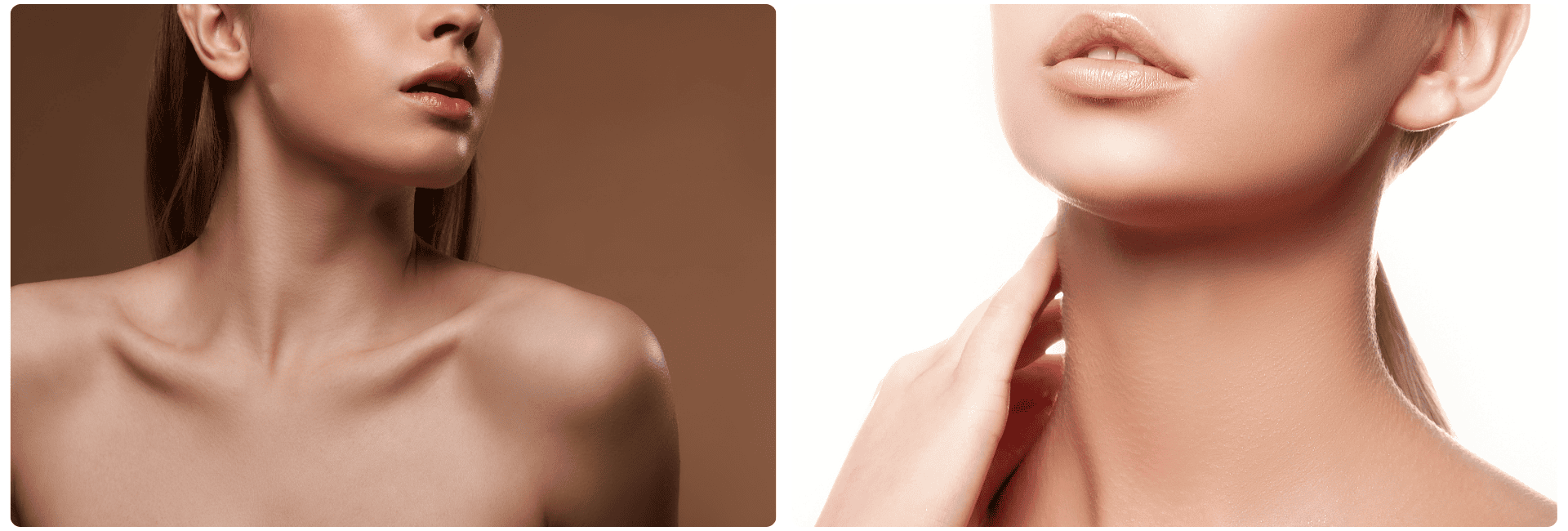
A Neck Lift is a cosmetic surgical procedure designed to tighten the skin and muscles of the neck, and remove excess fat, to create a smoother and more youthful appearance. It helps reduce signs of aging such as wrinkles, sagging skin, and fatty deposits around the neck and jawline. The procedure is often sought by individuals looking to improve neck contours and enhance the definition of the jawline.
A Neck Lift is a cosmetic surgical procedure designed to tighten the skin and muscles of the neck, and remove excess fat, to create a smoother and more youthful appearance.
During the surgery, small incisions are typically made behind the ears and sometimes under the chin. The surgeon tightens the underlying muscles and removes excess skin and fat. A neck lift can provide long-lasting results, giving the neck a firmer, more youthful look. After the procedure, patients may experience temporary swelling and bruising, but full recovery generally occurs within a few weeks.
A neck lift can be performed on its own or in combination with other procedures, such as a facelift, to achieve a more comprehensive rejuvenation.
A neck lift, also known as lower rhytidectomy, is a surgical procedure designed to tighten and lift the skin and muscles of the neck to reduce sagging and signs of aging. This procedure is commonly recommended for individuals who experience skin laxity, excess fat, or muscle banding in the neck area, which can create a "turkey wattle" or a double chin appearance. A neck lift is typically sought by those who have lost skin elasticity due to aging, significant weight loss, or genetics, and wish to restore a youthful, more defined neck contour. It is also ideal for people looking to address both the cosmetic and functional aspects of the neck, improving both the aesthetic appearance and overall comfort.
While a neck lift is generally safe, it is important to understand potential risks and complications. All surgical procedures carry some degree of risk, and individual health conditions can influence outcomes.
👉 Infection can occur at the incision sites if proper hygiene is not maintained.
👉 Bleeding or hematoma formation may require medical attention.
👉 Scarring is possible, although incisions are strategically placed to minimize visibility.
👉 Temporary numbness or tingling in the neck or jaw area can occur.
👉 Asymmetry may require minor adjustments in rare cases.
Choosing a qualified and experienced surgeon significantly reduces these risks. Comprehensive preoperative assessment and adherence to post-operative care guidelines ensure a safer and more satisfying neck lift experience.
A neck lift procedure typically begins with a consultation, during which the surgeon will assess the patient’s concerns and develop a tailored treatment plan. The surgery is performed under general anesthesia or local anesthesia with sedation, depending on the complexity of the procedure. The surgeon will make small incisions behind the ears and possibly under the chin, which are strategically placed to minimize visible scarring.
A neck lift procedure typically begins with a consultation, during which the surgeon will assess the patient’s concerns and develop a tailored treatment plan.
Through these incisions, excess skin, fat, and sometimes even muscle bands are tightened or removed. The muscles underneath the skin may be repositioned for enhanced definition, and liposuction may be used to remove excess fat from the neck area. Once the tissues are tightened and sculpted, the skin is repositioned, and the incisions are closed with sutures. The procedure typically takes between 2 to 4 hours, depending on the extent of the lift required.
Many patients opt to combine a neck lift with additional procedures for comprehensive facial rejuvenation. This approach can enhance overall results and reduce overall recovery time.
👉 Facelift surgery targets mid and lower facial sagging for a balanced look.
👉 Chin augmentation can complement the jawline and improve neck definition.
👉 Eyelid surgery or brow lift may address upper facial aging simultaneously.
👉 Liposuction of surrounding areas can refine contours and remove excess fat.
Combining procedures requires careful planning to ensure safety and optimize results. Surgeons can create a tailored treatment plan that addresses multiple concerns in a single session, enhancing the overall impact of a neck lift.
One of the primary benefits of a neck lift is the rejuvenation of the neck area, providing a smoother, firmer, and more youthful appearance. By eliminating excess skin and fat, the procedure can dramatically improve the contour of the neck and jawline, creating a more defined and elegant profile. It can also address sagging skin and muscle bands, which are often difficult to treat with non-surgical options. A neck lift has long-lasting results, with many patients enjoying the effects for up to 10 years or more, depending on their lifestyle and aging process.
In addition to the aesthetic benefits, a neck lift can boost self-confidence by enhancing the overall facial harmony and profile. It can also provide relief for individuals experiencing discomfort caused by excessive skin in the neck area. While there is some downtime associated with the recovery, the procedure is typically well tolerated, and patients can return to regular activities within a few weeks. Overall, a neck lift is an effective solution for those looking to achieve a more youthful, sculpted neck and jawline with long-lasting results.
The recovery process after a neck lift is an important aspect to consider when planning surgery. Initially, patients may experience swelling, bruising, and mild discomfort in the neck and jaw area. These symptoms usually peak within the first 48 to 72 hours and gradually subside. Most surgeons recommend keeping the head elevated and avoiding strenuous activities during the first two weeks.
Stitches and drains are typically removed within a week, and gentle movements help prevent stiffness. It’s essential to follow all post-operative instructions to ensure proper healing and optimal results. By the third to fourth week, most patients notice significant improvement in skin tightness and contour. Full recovery, including the final appearance of the neck, can take up to 2 to 3 months. Proper aftercare and lifestyle adjustments can enhance the longevity of the neck lift results.
Before opting for a surgical neck lift, there are several non-invasive treatments that can help improve neck appearance. These alternatives are suitable for those with mild sagging or early signs of aging.
👉 Botulinum toxin injections can reduce the appearance of vertical neck bands.
👉 Dermal fillers may restore volume in certain areas for a smoother contour.
👉 Ultrasound therapy stimulates collagen production to tighten loose skin.
👉 Laser treatments help improve skin texture and elasticity.
While non-surgical options may provide temporary improvements, they are often less dramatic than a neck lift. Patients who seek long-term and noticeable results usually benefit more from surgery. Discussing these options with a qualified surgeon can help determine the most effective treatment plan.
A common reason for undergoing a neck lift is the presence of a double chin. Excess fat and loose skin in this area can significantly impact facial balance. During the procedure, the surgeon can remove fat deposits through liposuction and tighten the underlying muscles to create a smoother jawline. This approach not only eliminates the double chin but also enhances the definition of the neck.
Many patients find that combining a neck lift with a chin augmentation or filler improves overall facial harmony. The result is a more sculpted profile that looks natural and proportionate. Recovery is similar to a standard neck lift, with most swelling resolving within a few weeks. Proper post-operative care ensures the best long-term outcomes.
Proper preparation is crucial for a successful neck lift procedure. Patients should begin by consulting with a board-certified surgeon to discuss expectations and medical history. Surgeons may advise stopping smoking at least several weeks prior to surgery to ensure optimal healing. Certain medications and supplements, such as blood thinners, should be avoided in the weeks leading up to the procedure.
Patients are also encouraged to maintain a healthy diet and stay hydrated, which can promote faster recovery. On the day of surgery, arranging transportation and having a support system at home is recommended. Following these steps minimizes complications and helps achieve the best possible results from a neck lift.
Not everyone is an ideal candidate for a neck lift, and selecting the right patient is key to achieving successful results. Individuals with good overall health, stable weight, and realistic expectations are typically the best candidates.
Those with moderate to severe skin laxity, excess neck fat, or muscle banding may benefit the most. Non-smokers or patients willing to stop smoking before surgery have improved healing outcomes. Additionally, patients who are committed to maintaining a healthy lifestyle post-surgery tend to enjoy longer-lasting results. Consulting with a qualified surgeon helps determine if a neck lift is the most suitable procedure for your needs.
Achieving a youthful neck appearance is only part of the process; maintaining results requires ongoing care. Regular skincare, sun protection, and a healthy lifestyle contribute to longer-lasting effects. Patients are advised to avoid significant weight fluctuations, which can affect skin tightness.
Gentle neck exercises and posture awareness may support the surgical outcome. Regular follow-up visits with your surgeon ensure that any minor concerns are addressed early. By incorporating these habits, patients can enjoy the benefits of their neck lift for many years.
The incisions made during a neck lift are typically discreet, but proper care is essential to minimize scarring. Most surgeons place incisions behind the ears or under the chin, where scars are naturally hidden.
👉 Keeping incisions clean and dry helps prevent infection.
👉 Using prescribed ointments or silicone sheets can reduce visible scarring.
👉 Avoiding direct sun exposure prevents discoloration of the healing skin.
👉 Following your surgeon’s post-operative instructions ensures optimal closure.
Although minor scars may remain, they usually fade over time and are not noticeable in daily life. Effective scar management contributes to the overall success and aesthetic outcome of a neck lift.
Age can influence the outcomes and approach for a neck lift procedure. While there is no strict age limit, candidates in their 40s to 70s often seek this surgery to address natural aging changes. Younger patients may benefit from a neck lift if they experience premature skin laxity or genetic fat deposits. Surgeons evaluate skin elasticity, muscle tone, and overall health rather than age alone.
Age-related factors also guide the choice of technique, incision placement, and whether additional procedures are recommended. Understanding how age impacts results helps patients set realistic expectations and achieve a natural, rejuvenated neck appearance.
During your consultation, you will discuss your wishes, medical history, and expectations with the doctor. The doctor will examine you, take measurements if necessary, and explain which treatment suits you best, including risks and recovery. You will have the opportunity to ask questions and then receive a clear treatment proposal.
Make sure you have all relevant medical information ready, such as previous treatments, allergies, or medical conditions. This allows the doctor to give you better advice.
Payment is made securely via SurgeryBooking. You pay the amount in advance to SurgeryBooking. We hold the funds and transfer them to the clinic after your treatment. Cancellation or change conditions vary per clinic and are clearly communicated in advance.
During the consultation (online or at the clinic), the doctor will assess this based on your health, expectations, and physical characteristics. You will discuss what you want, what is possible, and what the limitations are. Sometimes there are alternatives if the chosen treatment is not ideal.
Through SurgeryBooking.com, you can quickly and easily book a consultation or procedure with doctors and clinics worldwide. SurgeryBooking.com provides an overview of doctors and clinics, allowing you to make an informed and transparent choice when booking a consultation or procedure.
You can easily book through the profile of the desired clinic or doctor. Select the desired treatment, enter your details, and choose an available date and time. If there are any costs involved, you will complete the payment first. Afterwards, you will receive a confirmation email with all the details.
Yes, during the booking process, you can indicate whether you prefer an online consultation or an in-person consultation at the clinic.
With SurgeryBooking.com, you gain access to a global network of doctors and clinics. Through SurgeryBooking.com, you can easily book a consultation or a cosmetic procedure directly. Clinic profiles provide information about available cosmetic procedures, reviews, photos of the clinic, and other relevant details. This enables you to compare costs and make an informed decision when booking a consultation or procedure.