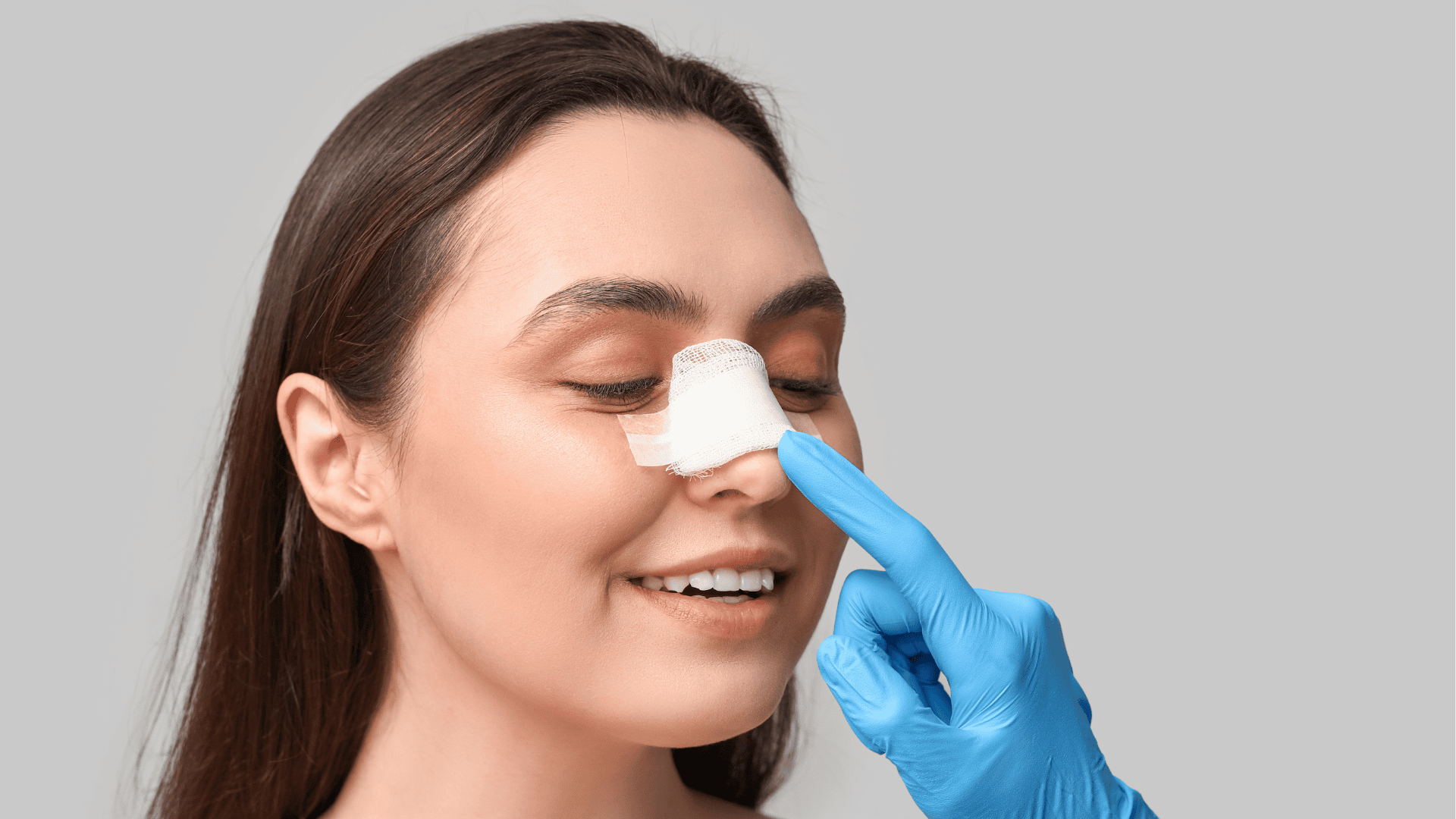
Nasal reconstruction is a specialized surgical procedure aimed at restoring or improving the shape and function of the nose. This surgery is typically performed to correct structural abnormalities such as a deviated septum, congenital defects, or damage caused by trauma. Patients may seek nasal reconstruction for functional reasons, such as resolving breathing difficulties, or for aesthetic purposes, to enhance the overall balance of the facial features.
The procedure varies depending on the specific needs and goals of the patient. Techniques may include straightening the nasal septum, reshaping the nasal bridge or nostrils, or reconstructing the cartilage and bone structures. In some cases, cartilage from other parts of the body, such as the ear or rib cage, may be used to provide additional support and structure to the nose.
Nasal reconstruction is a specialized surgical procedure aimed at restoring or improving the shape and function of the nose.
The recovery process after nasal reconstruction typically involves some swelling, bruising, and mild discomfort around the nose and eyes. These symptoms generally subside within a few weeks, but the final result of the reconstruction may not be fully visible until several months after the surgery, as the healing process takes time.
Nasal reconstruction is a complex procedure that requires the expertise of a skilled surgeon. It can have a significant positive impact on both the aesthetic appearance and functional performance of the nose, leading to improved quality of life and greater patient satisfaction with their appearance.
Modern nasal reconstruction offers a wide range of techniques tailored to the complexity of the nasal defect and the patient’s needs. Surgeons carefully evaluate the nasal structure before selecting the most effective approach. Small surface irregularities may be corrected with skin grafts, while larger structural losses require cartilage or bone grafts. In advanced cases, local or regional flaps are designed to restore both shape and skin quality.
👉 Local flaps are typically used for small to moderate defects.
👉 Regional flaps, such as forehead flaps, are ideal for complex or multi-layer reconstruction.
👉 Free flaps, involving microsurgery, are reserved for the most severe cases.
Each method is chosen to provide a natural appearance, functional improvement, and minimal scarring, ensuring the nose blends harmoniously with the rest of the face.
Nasal reconstruction is a specialized surgical procedure designed to restore the form and function of the nose after trauma, injury, or surgery, such as cancer removal. Many people opt for nasal reconstruction to correct deformities caused by accidents, congenital conditions, or medical issues like skin cancer, where tissue removal has left defects.
The nose plays a crucial role in both facial aesthetics and breathing function, so nasal reconstruction is often chosen to address both cosmetic and functional concerns. It’s not only about improving appearance but also restoring normal nasal function, such as airflow and breathing. Individuals who have suffered nasal trauma or undergone tumor removal surgery may find their breathing compromised or experience aesthetic changes that impact their confidence.
Nasal reconstruction is a specialized surgical procedure designed to restore the form and function of the nose after trauma, injury, or surgery, such as cancer removal.
Nasal reconstruction helps to rebuild and reshape the nose, aiming to restore both its structure and natural look. This type of surgery is highly personalized, as it involves careful consideration of the patient’s anatomy, the extent of the damage, and their aesthetic goals. By choosing nasal reconstruction, patients can regain their confidence, improve their facial harmony, and enhance their quality of life through better breathing.
Technological advancements have revolutionized the field of nasal reconstruction surgery. Surgeons now use computer-assisted design, 3D printing, and simulation tools to plan and perform procedures with exceptional precision.
👉 3D imaging allows for exact mapping of the nasal defect.
👉 Patient-specific implants can be created for perfect anatomical fit.
👉 Virtual surgical planning improves prediction of both aesthetic and functional outcomes.
These innovations minimize surgical risks, reduce recovery time, and enhance patient satisfaction. As a result, nasal reconstruction today is safer, more predictable, and capable of delivering truly natural-looking results.
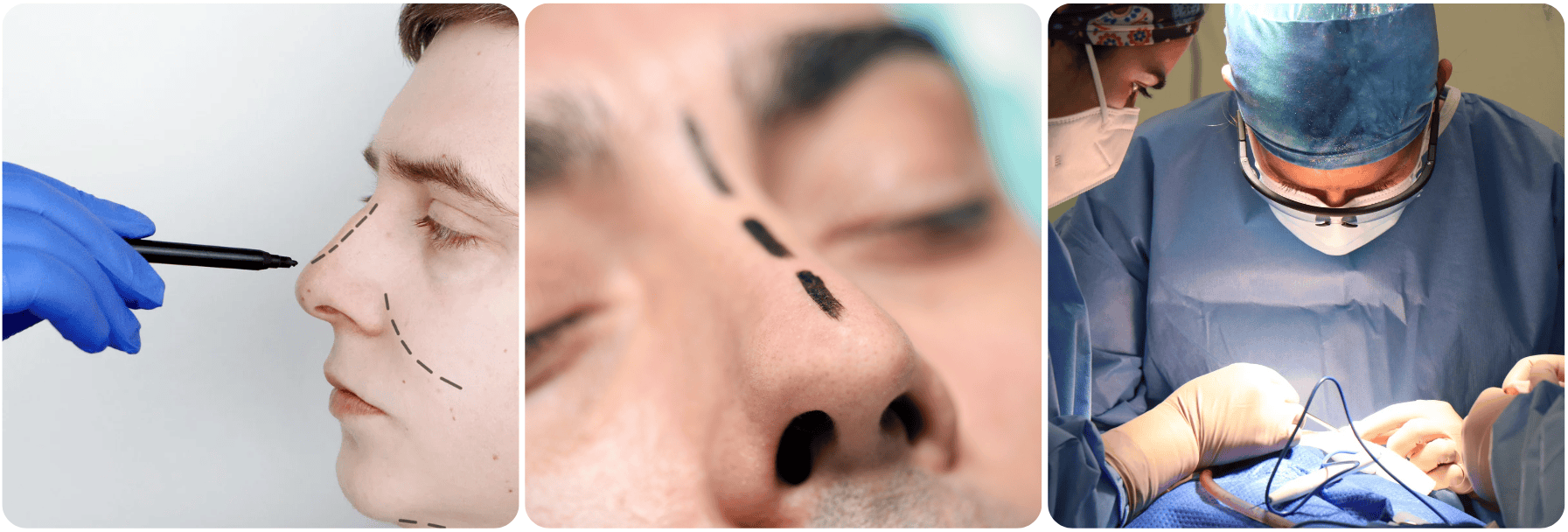
Nasal reconstruction is a complex procedure, often requiring multiple stages, depending on the extent of the nasal damage. The surgery can be performed under local or general anesthesia, depending on the complexity and size of the area being reconstructed. The surgeon will first assess the damage to determine the best approach for reconstruction. In some cases, cartilage, skin, or bone grafts may be required to rebuild the nasal structure. These grafts can be taken from other areas of the body, such as the ribs, ears, or forehead, to provide the necessary support and tissue for reconstructing the nose. For minor defects, local flaps or skin grafts may be used to cover the affected area. In more severe cases, such as after tumor removal or trauma, larger grafts and more complex techniques may be needed to restore both the appearance and function of the nose.
Nasal reconstruction is a complex procedure, often requiring multiple stages, depending on the extent of the nasal damage.
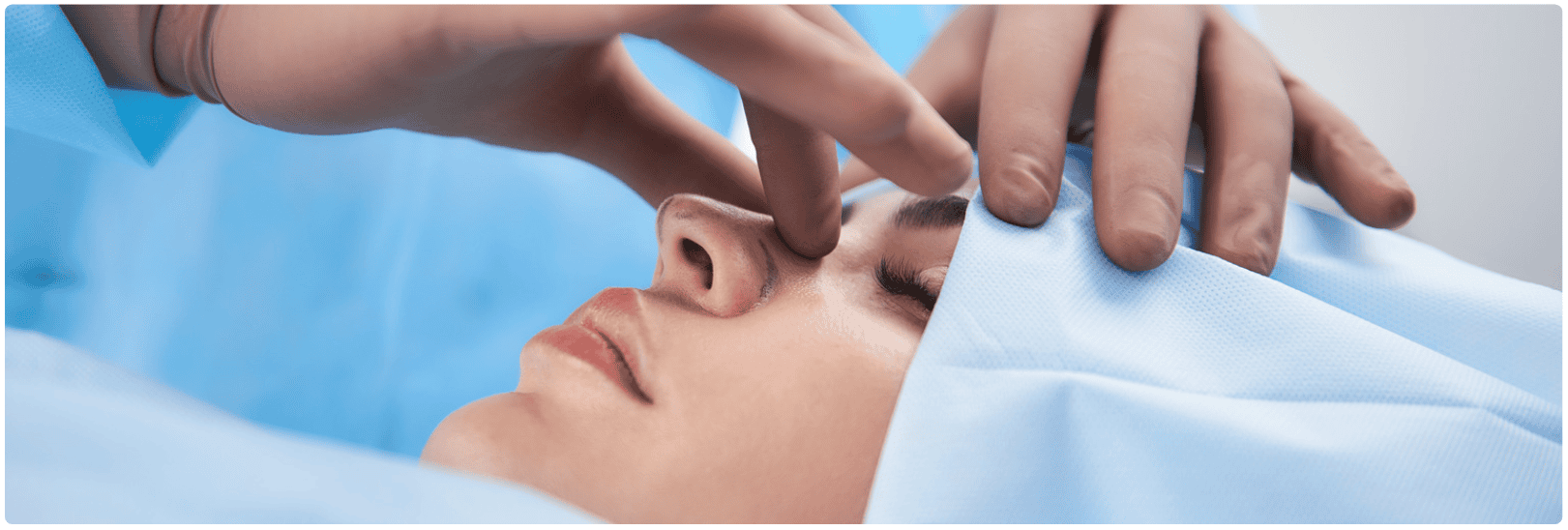
During the procedure, the surgeon carefully reshapes the nose by reconstructing the cartilage framework, rebuilding any damaged areas, and re-draping the skin over the new nasal structure. Sutures are used to close incisions, and the nose is bandaged to protect it during the healing process. The surgery can take several hours, especially in cases where multiple grafts or layers of tissue are involved.
Recovery typically involves swelling, bruising, and some discomfort, but most patients are able to return to light activities within a week. Full healing can take several months as the nose settles into its final shape. Depending on the extent of the reconstruction, additional surgeries may be necessary to achieve the best possible result.
One of the most remarkable aspects of nasal reconstruction surgery is the use of grafts to rebuild missing or damaged tissue. Surgeons often harvest cartilage or bone from other parts of the patient’s body to provide natural and compatible material for reconstruction.
👉 Cartilage from the ear offers flexibility for shaping nasal tips.
👉 Rib cartilage provides sturdy structural support for larger reconstructions.
👉 Bone grafts may be taken from the hip or skull for more extensive structural repair.
These autologous grafts (from the patient’s own body) are preferred because they integrate seamlessly, minimize rejection risks, and deliver long-lasting results. The skillful use of grafts is what allows surgeons to restore both the strength and natural contour of the nose.
The benefits of nasal reconstruction are both aesthetic and functional. One of the main advantages is the restoration of normal nasal function, including improved breathing, which is especially important for individuals who have experienced trauma or surgery that affected their airways.
By rebuilding the internal structures of the nose, nasal reconstruction can significantly improve airflow and reduce issues like nasal obstruction or snoring. On the cosmetic side, nasal reconstruction can restore or enhance the appearance of the nose, making it look natural and symmetrical again. This is crucial for patients who have experienced changes to their appearance due to injury, surgery, or congenital defects.
One of the main advantages is the restoration of normal nasal function, including improved breathing, which is especially important for individuals who have experienced trauma or surgery that affected their airways.
Nasal reconstruction also offers a highly personalized solution, with the surgeon tailoring the approach to meet the unique needs of each patient. Whether addressing small deformities or reconstructing large portions of the nose, this procedure provides long-lasting, often life-changing results. For individuals who have lost part of their nose due to cancer or trauma, nasal reconstruction can restore their confidence and self-esteem by making their nose look as natural as possible.
Additionally, because nasal reconstruction can involve the use of the patient’s own tissues (for example, cartilage from the ribs or skin from the forehead), the results tend to be durable and biocompatible, reducing the risk of rejection or complications. Overall, nasal reconstruction is a highly effective way to improve both the form and function of the nose, enhancing quality of life for patients.
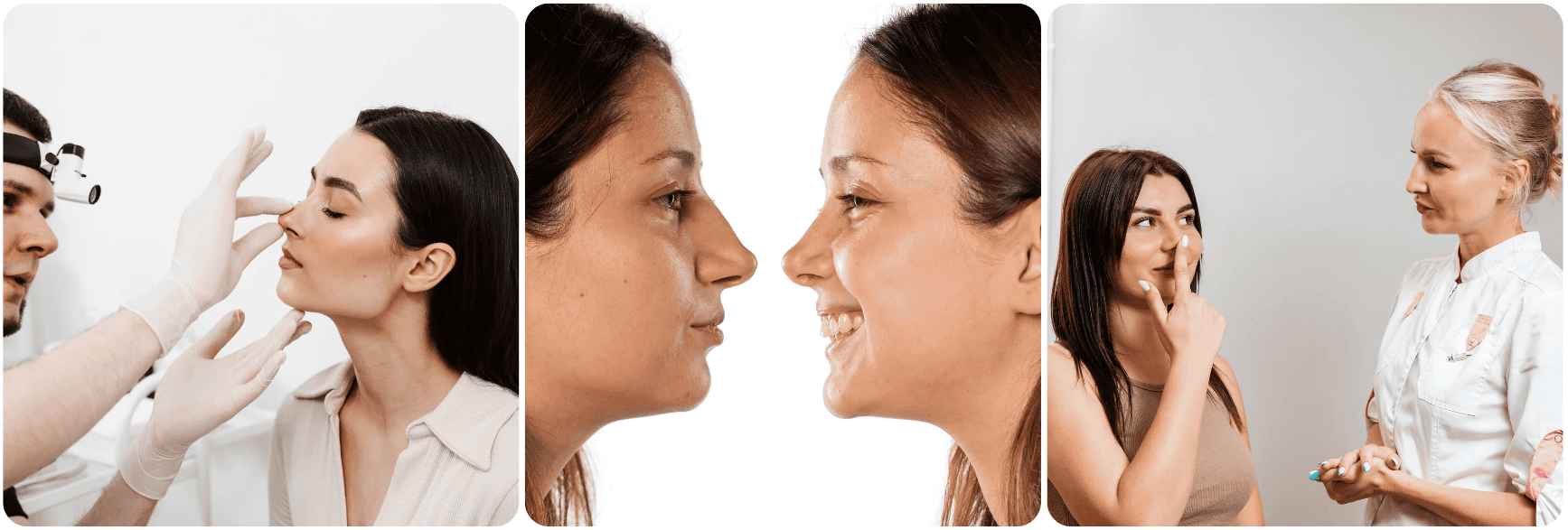
A detailed pre-surgical evaluation is one of the most critical steps before undergoing nasal reconstruction surgery. The surgeon examines the nasal anatomy, reviews the patient’s medical history, and determines the type and extent of the deformity. Advanced imaging tools, such as 3D modeling and digital simulations, are often used to plan the surgery precisely. This preparation allows the surgeon to predict outcomes and design a personalized surgical approach.
👉 Assessment includes nasal airway evaluation for breathing issues.
👉 Functional tests help identify structural weaknesses or septal deviations.
👉 Skin condition and tissue availability are also examined to plan grafts or flaps.
By investing in thorough preparation, both aesthetic and functional results can be optimized, reducing the likelihood of complications during recovery.
Recovery after nasal reconstruction plays a vital role in achieving the best possible outcome. Patients must follow their surgeon’s aftercare instructions closely to ensure proper healing. During the first few weeks, swelling and bruising gradually subside, but the internal structures continue to stabilize for several months.
👉 Patients are advised to sleep with their head elevated to reduce swelling.
👉 Cold compresses can help minimize discomfort during the first days.
👉 Avoiding glasses, heavy exercise, or nose-blowing is essential for several weeks.
👉 Regular follow-up appointments allow the surgeon to monitor healing progress.
Good post-operative care helps maintain the new shape of the nose, supports tissue integration, and prevents complications such as infection or asymmetry.
Although nasal reconstruction and rhinoplasty both involve reshaping the nose, their purposes and techniques differ significantly. Rhinoplasty focuses mainly on aesthetic enhancement, while nasal reconstruction aims to restore missing or damaged tissue and improve nasal function. The two procedures may, however, complement each other in some cases.
👉 Rhinoplasty refines shape and proportion for cosmetic balance.
👉 Nasal reconstruction restores tissue integrity and breathing function.
👉 Combined procedures can achieve both structural correction and aesthetic improvement.
Understanding this difference helps patients set realistic expectations and choose the right procedure based on their goals and medical needs.
Complex nasal reconstruction procedures—such as those following severe trauma or cancer removal—require advanced surgical expertise and planning. Restoring both the nasal framework and soft tissue coverage while ensuring natural aesthetics can be highly challenging. Surgeons must carefully balance form, function, and airflow restoration.
👉 Large tissue loss often demands multi-stage reconstruction.
👉 Maintaining symmetry while rebuilding nasal contours requires precision.
👉 Ensuring adequate blood supply to grafts and flaps is essential for success.
Despite these challenges, modern microsurgical techniques and 3D imaging have made it possible to achieve excellent long-term results even in the most difficult cases.
The results of nasal reconstruction continue to evolve over time as the tissues heal and adapt to the new structure. Initial swelling may obscure the final appearance, but gradual refinement becomes visible over several months. With proper care, the reconstructed nose maintains stability, function, and aesthetic harmony for many years.
👉 Scar tissue softens naturally with time.
👉 Breathing typically improves as internal structures stabilize.
👉 Subtle touch-up procedures may occasionally enhance symmetry or contour.
The durability of nasal reconstruction outcomes depends largely on the surgeon’s technique, the patient’s healing capacity, and adherence to post-surgical care recommendations.
Choosing a skilled and experienced nasal reconstruction surgeon is one of the most important steps toward achieving optimal results. The complexity of this surgery demands a specialist with both artistic vision and technical precision. Patients should research the surgeon’s background, certifications, and before-and-after results. It’s essential to find a professional who has extensive experience with reconstructive and functional nasal surgery.
A qualified surgeon will also ensure clear communication, explain every stage of the process, and set realistic expectations. The right choice can make a significant difference in both the success of the operation and the patient’s long-term satisfaction.
Beyond aesthetics, one of the primary goals of nasal reconstruction is restoring the nose’s natural function. Many patients experience breathing problems due to injury, congenital deformities, or previous surgeries. Nasal reconstruction helps rebuild the internal airway, ensuring efficient airflow and improved oxygen intake.
Techniques such as septal realignment or valve reconstruction are commonly used to correct nasal blockages. As a result, patients often notice better sleep quality and reduced sinus issues. Restoring nasal function is just as important as improving appearance, making this procedure both practical and transformative.
While many surgeons prefer using the patient’s own tissue, synthetic materials also play a role in modern nasal reconstruction surgery. Medical-grade implants can be used to replace lost structure or add definition when natural grafts are not sufficient.
👉 Silicone and Gore-Tex implants are commonly used for contouring.
👉 Titanium meshes may reinforce the nasal framework.
👉 Resorbable scaffolds encourage natural tissue regrowth over time.
These materials are safe, durable, and biocompatible, offering new options for patients who require complex reconstruction. When applied skillfully, they create results that are both stable and natural in appearance.
Patients who undergo skin cancer removal on the nose often require nasal reconstruction to restore their facial appearance and protect nasal function. This type of reconstruction is particularly delicate because it involves rebuilding both the outer skin and the inner lining of the nose. Surgeons carefully design local or regional flaps to ensure a natural match in color, texture, and thickness.
Patients who undergo skin cancer removal on the nose often require nasal reconstruction to restore their facial appearance and protect nasal function.
In many cases, cartilage grafts are also needed to maintain the shape and support of the nose. With meticulous planning and modern reconstructive techniques, these patients can achieve excellent aesthetic and functional outcomes, regaining a balanced and natural appearance.
In some cases, nasal reconstruction can be combined with other facial procedures to enhance harmony and overall balance. When trauma or cancer affects multiple areas of the face, a comprehensive reconstructive approach is often required.
👉 Cheek or lip reconstruction may be performed simultaneously for symmetry.
👉 Eyelid or forehead adjustments can improve facial proportion.
👉 Scar revision may be added later for a smoother final result.
Combining procedures helps achieve a more unified aesthetic, ensuring all facial features complement one another. This integrated approach not only restores form and function but also contributes to a more natural and confident appearance.
During your consultation, you will discuss your wishes, medical history, and expectations with the doctor. The doctor will examine you, take measurements if necessary, and explain which treatment suits you best, including risks and recovery. You will have the opportunity to ask questions and then receive a clear treatment proposal.
Make sure you have all relevant medical information ready, such as previous treatments, allergies, or medical conditions. This allows the doctor to give you better advice.
Payment is made securely via SurgeryBooking. You pay the amount in advance to SurgeryBooking. We hold the funds and transfer them to the clinic after your treatment. Cancellation or change conditions vary per clinic and are clearly communicated in advance.
During the consultation (online or at the clinic), the doctor will assess this based on your health, expectations, and physical characteristics. You will discuss what you want, what is possible, and what the limitations are. Sometimes there are alternatives if the chosen treatment is not ideal.
Through SurgeryBooking.com, you can quickly and easily book a consultation or procedure with doctors and clinics worldwide. SurgeryBooking.com provides an overview of doctors and clinics, allowing you to make an informed and transparent choice when booking a consultation or procedure.
You can easily book through the profile of the desired clinic or doctor. Select the desired treatment, enter your details, and choose an available date and time. If there are any costs involved, you will complete the payment first. Afterwards, you will receive a confirmation email with all the details.
Yes, during the booking process, you can indicate whether you prefer an online consultation or an in-person consultation at the clinic.
With SurgeryBooking.com, you gain access to a global network of doctors and clinics. Through SurgeryBooking.com, you can easily book a consultation or a cosmetic procedure directly. Clinic profiles provide information about available cosmetic procedures, reviews, photos of the clinic, and other relevant details. This enables you to compare costs and make an informed decision when booking a consultation or procedure.