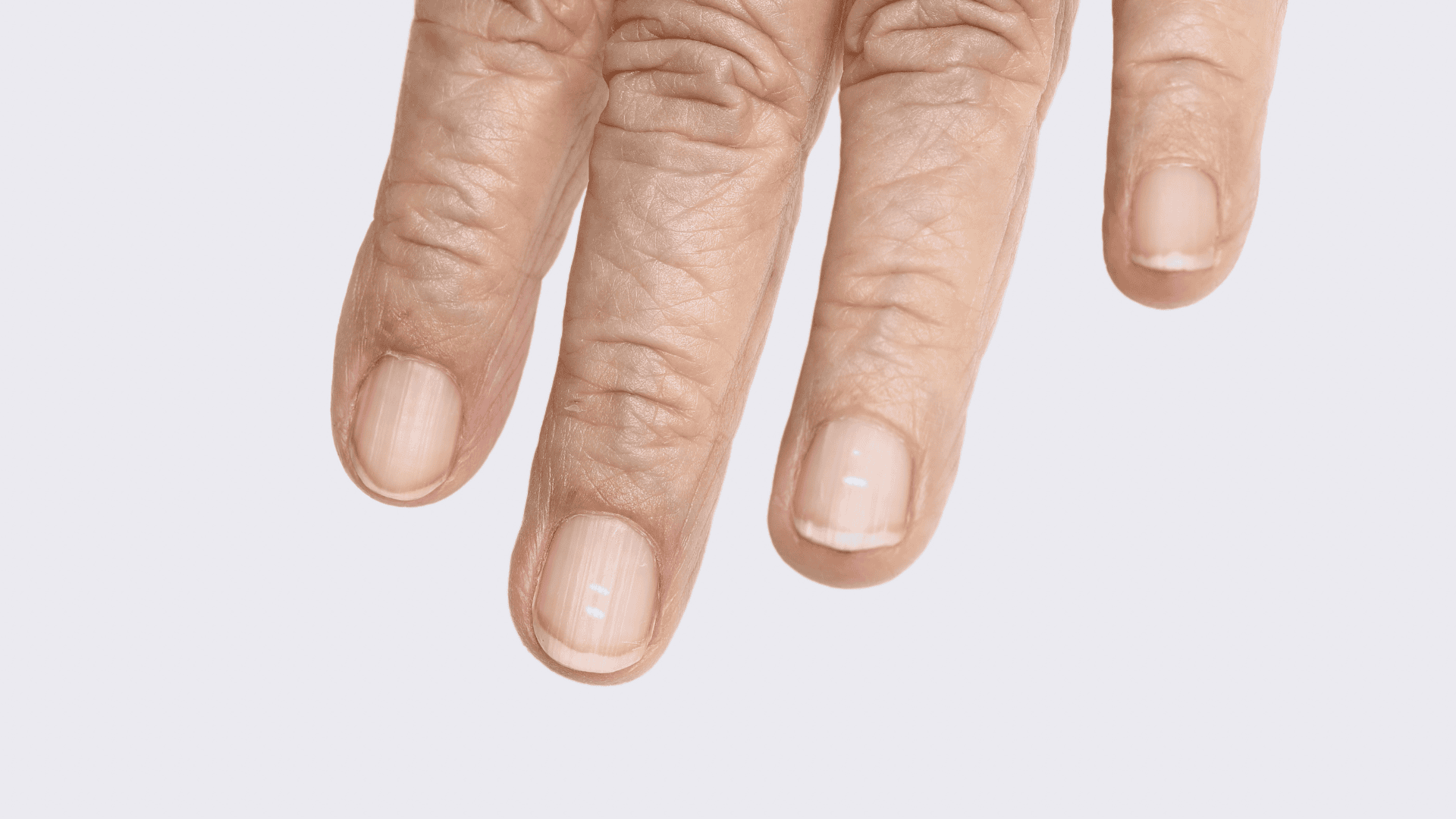
Nail reconstruction is a medical procedure performed to restore damaged or lost nails. This intervention may be necessary after trauma, such as an injury, or due to conditions like fungal infections, psoriasis, or other disorders that affect nail growth. The primary goal of nail reconstruction is to not only restore the aesthetic appearance of the nail but also to improve its functionality and alleviate any associated pain or discomfort.
During the procedure, the damaged nail or nail bed is carefully treated. Various techniques may be employed, such as placing an artificial nail or using specialized materials like acrylic or gel to reconstruct the nail structure. This procedure is typically performed in an outpatient setting, often under local anesthesia, and usually does not require an extended recovery time.
Post-procedure care is crucial, including protecting the nail and following the physician's instructions to prevent infections or complications. Nail reconstruction can significantly impact patients' lives, especially for those who experience pain or discomfort due to their nail issues. Restoring a healthy nail structure contributes to the overall quality of life and self-confidence of the patient.
For individuals considering nail reconstruction, it is important to consult with a specialized medical professional. They can conduct a thorough evaluation, offer the most suitable treatment options, and provide guidance throughout the recovery process to ensure optimal results.
Nail reconstruction is an excellent option for individuals who have suffered damage or deformity to their nails due to injury, trauma, fungal infections, or conditions like psoriasis. People often choose nail reconstruction to restore the appearance and function of their nails, which can be a source of confidence and comfort. Damaged or missing nails can cause discomfort, affect daily activities like typing or grasping objects, and even lead to self-consciousness in social situations. Whether the nail damage is temporary or permanent, nail reconstruction offers a solution that can significantly improve both the aesthetic and practical aspects of nail health. By choosing this procedure, individuals can regain a natural-looking nail and avoid issues like discomfort from exposed nail beds, increased sensitivity, or the inconvenience of not being able to perform certain tasks. Nail reconstruction is often seen as a highly effective way to restore the look and feel of healthy nails, giving patients confidence and relief.
Nail reconstruction is a procedure that varies depending on the cause and extent of the nail damage. For cases involving fungal infections or minor trauma, a cosmetic technique is often used where a special gel or resin is applied to the damaged area to create a new artificial nail. This method can be performed in a clinic or even in some high-end nail salons by professionals trained in nail restoration. The gel or resin is shaped and cured to resemble a natural nail, giving patients an immediate improvement in the nail's appearance. This artificial nail can last for several weeks, and the procedure can be repeated as needed.
For more severe cases of nail loss or deformity, such as those resulting from trauma, surgery might be necessary. In surgical nail reconstruction, a graft from another part of the body, such as a skin or nail bed graft, may be used to reconstruct the nail. This approach is more complex and often requires a hand surgeon or a specialist in dermatology. The procedure begins with cleaning and preparing the damaged area, followed by carefully placing the graft or synthetic material to rebuild the nail structure. The new nail will grow gradually over time. In both cases, whether the procedure is cosmetic or surgical, the reconstructed nail closely mimics the appearance and function of a natural nail. Recovery can vary, with cosmetic treatments offering immediate results, while surgical procedures may take several months for full healing and nail growth.
Nail reconstruction offers several important benefits, particularly for those seeking to restore the look and function of their nails after damage or disease. One of the key advantages is the immediate improvement in the nail's appearance. Whether you're dealing with unsightly deformities, discoloration, or partial nail loss, the reconstruction procedure can quickly provide a more natural and aesthetically pleasing look. This is especially important for individuals who are self-conscious about the appearance of their hands or feet, as it can greatly improve confidence and comfort in social settings.
Functionally, nail reconstruction helps protect the sensitive nail bed from further injury or discomfort. Damaged or missing nails can expose the nail bed, leading to sensitivity and pain. By reconstructing the nail, patients regain the protective barrier that nails typically provide, which can make everyday activities like typing, handling objects, or wearing shoes much more comfortable. For those with severe or chronic conditions like fungal infections or psoriasis, the treatment not only improves the look of the nails but can also contribute to the overall health of the nail by preventing further damage or infection.
Another significant benefit is the versatility of nail reconstruction. The procedure can be customized to suit different needs, from cosmetic fixes to more advanced surgical interventions. This means that regardless of the cause of nail damage—whether it's trauma, infection, or a congenital issue—there’s a treatment option available. With its ability to restore both the form and function of nails, nail reconstruction offers long-lasting, meaningful improvements for individuals looking to regain healthy, natural-looking nails.
During your consultation, you will discuss your wishes, medical history, and expectations with the doctor. The doctor will examine you, take measurements if necessary, and explain which treatment suits you best, including risks and recovery. You will have the opportunity to ask questions and then receive a clear treatment proposal.
Make sure you have all relevant medical information ready, such as previous treatments, allergies, or medical conditions. This allows the doctor to give you better advice.
Payment is made securely via SurgeryBooking. You pay the amount in advance to SurgeryBooking. We hold the funds and transfer them to the clinic after your treatment. Cancellation or change conditions vary per clinic and are clearly communicated in advance.
During the consultation (online or at the clinic), the doctor will assess this based on your health, expectations, and physical characteristics. You will discuss what you want, what is possible, and what the limitations are. Sometimes there are alternatives if the chosen treatment is not ideal.
Through SurgeryBooking.com, you can quickly and easily book a consultation or procedure with doctors and clinics worldwide. SurgeryBooking.com provides an overview of doctors and clinics, allowing you to make an informed and transparent choice when booking a consultation or procedure.
You can easily book through the profile of the desired clinic or doctor. Select the desired treatment, enter your details, and choose an available date and time. If there are any costs involved, you will complete the payment first. Afterwards, you will receive a confirmation email with all the details.
Yes, during the booking process, you can indicate whether you prefer an online consultation or an in-person consultation at the clinic.
With SurgeryBooking.com, you gain access to a global network of doctors and clinics. Through SurgeryBooking.com, you can easily book a consultation or a cosmetic procedure directly. Clinic profiles provide information about available cosmetic procedures, reviews, photos of the clinic, and other relevant details. This enables you to compare costs and make an informed decision when booking a consultation or procedure.