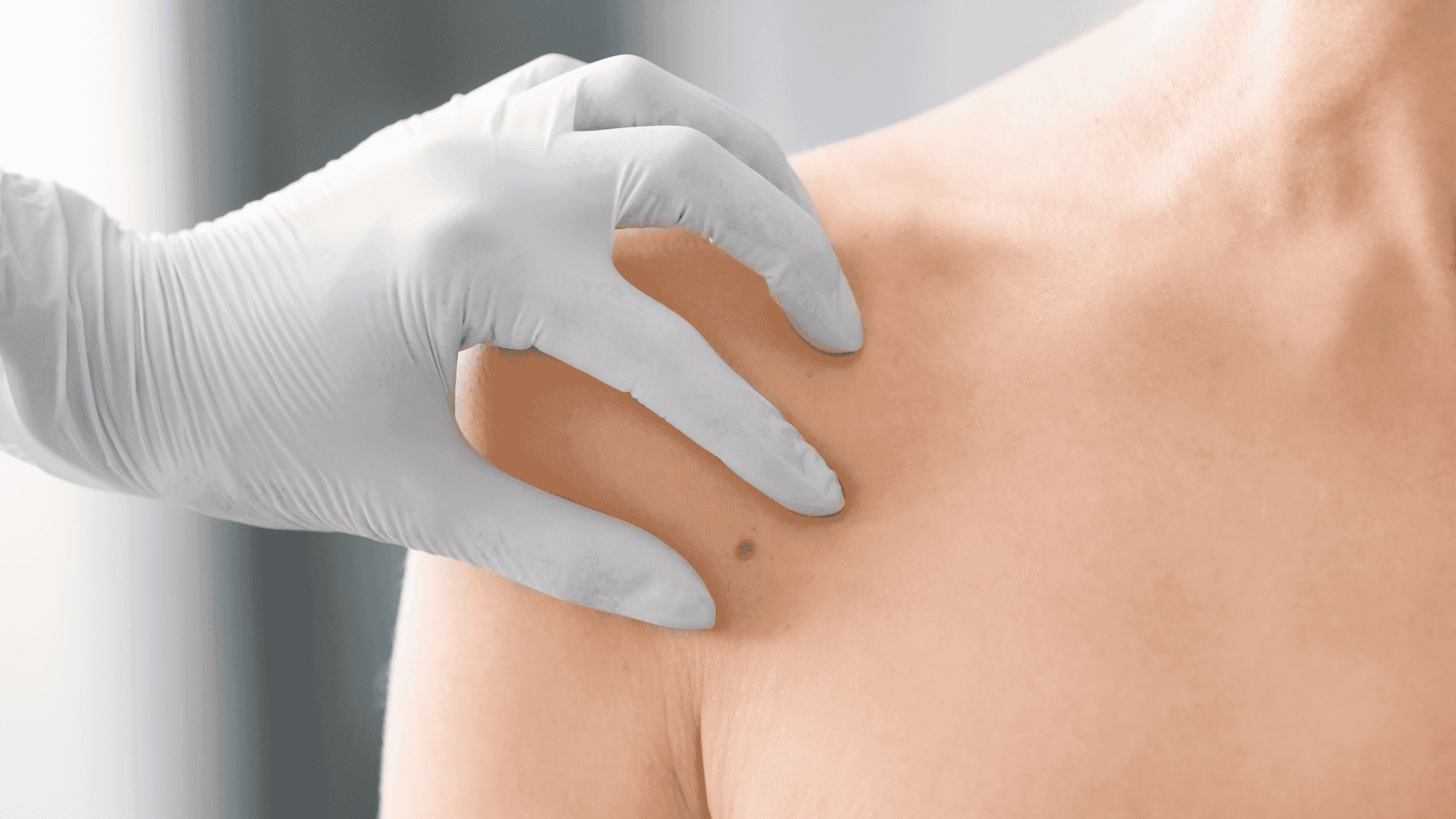
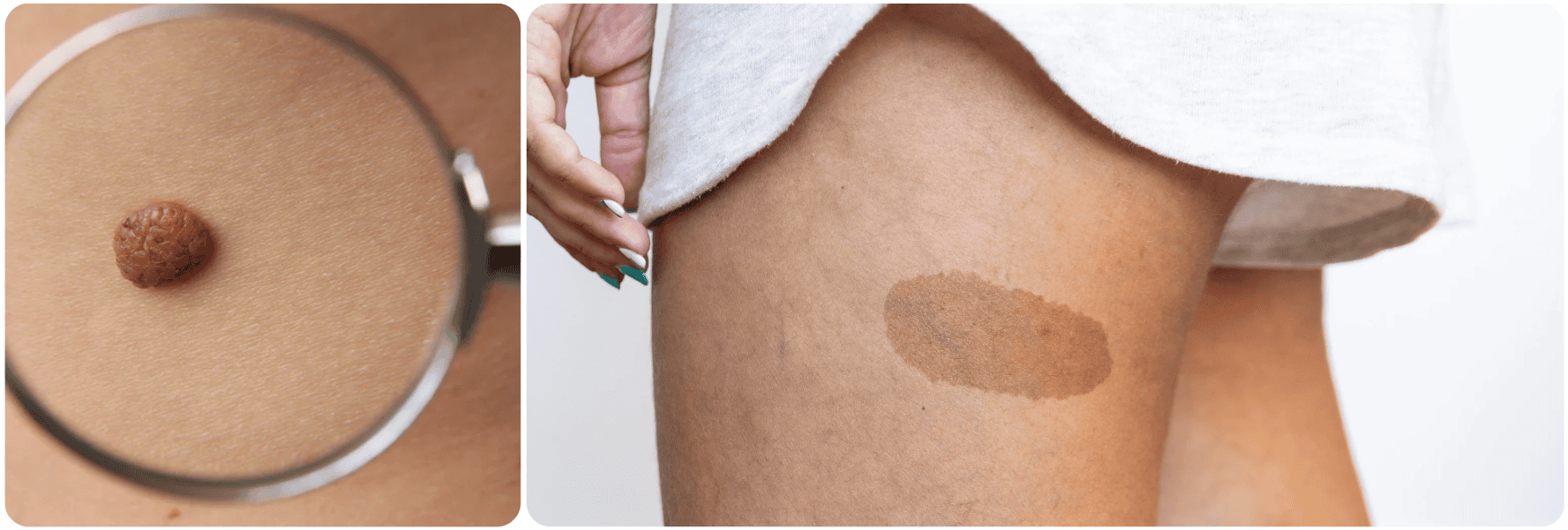
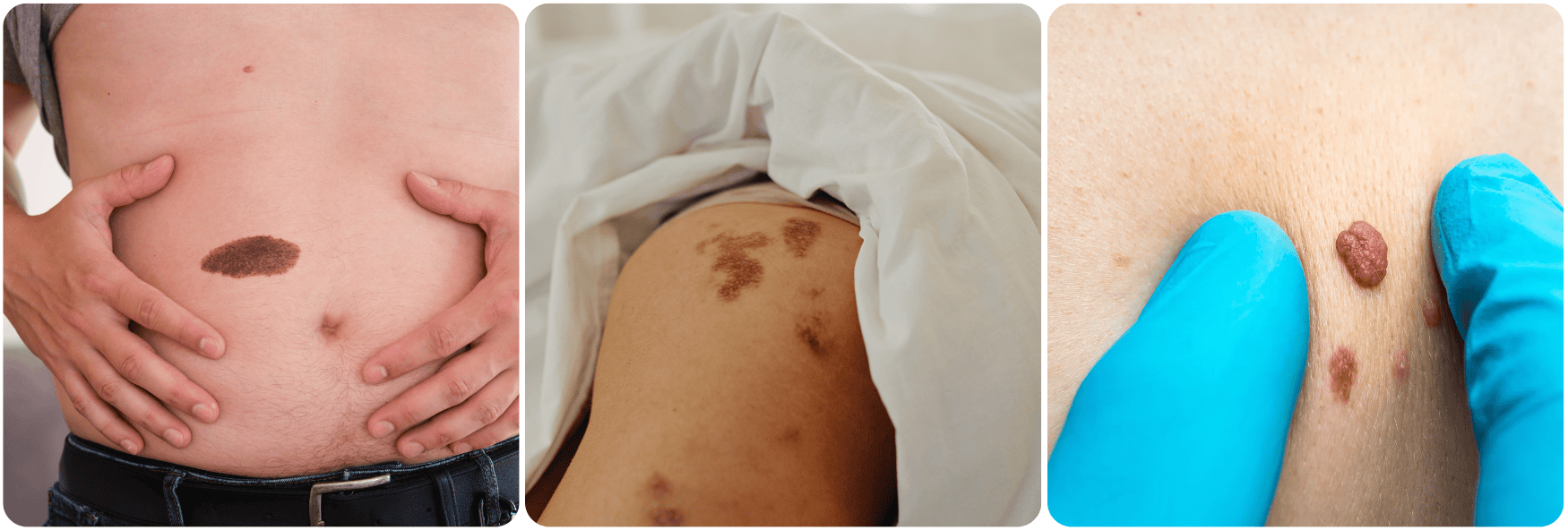
Mole removal is a medical or cosmetic procedure in which a mole is removed from the skin. Moles are small, often dark-colored spots on the skin caused by clusters of pigment-producing cells. While most moles are harmless, some may be aesthetically bothersome or show changes in shape, size, or color, which could indicate skin cancer, such as melanoma. If a mole exhibits such changes or causes discomfort, it is advisable to consult a doctor.
There are various methods for removing moles, depending on the size, location, and type of mole. One of the most common methods is surgical excision, where the mole is cut out using a small scalpel, and the wound is stitched up. Another method involves cauterization, where the mole is burned off using an electric instrument, a technique known as electrocautery. In some cases, laser treatment can be used, particularly for superficial moles or pigmented spots that are less deeply embedded in the skin. The aim of these methods is to completely remove the mole while minimizing scarring.
Mole removal is a medical or cosmetic procedure in which a mole is removed from the skin. Moles are small, often dark-colored spots on the skin caused by clusters of pigment-producing cells.
The decision to remove a mole can be based on medical or cosmetic reasons. If there is suspicion that a mole is malignant, it is often removed preventively and sent to a laboratory for testing. In such cases, the procedure is typically covered by health insurance. However, cosmetic mole removal, when a mole is removed for aesthetic reasons, is usually not covered by insurance.
After the procedure, proper wound care is essential to prevent infection and minimize scarring. Depending on the method used, it may take several weeks for the skin to fully heal.
Mole removal is a common procedure undertaken for both cosmetic and medical reasons. Many individuals choose to have moles removed because they are unsightly or located in a prominent area of the face or body, which can impact self-esteem or cause discomfort when moles rub against clothing or jewelry. In addition to cosmetic concerns, mole removal is often necessary for medical reasons when a mole shows signs of abnormal growth, changes in color, or irregular borders, which could indicate skin cancer, such as melanoma. Dermatologists typically recommend removing any mole that appears suspicious to rule out malignancy or prevent potential skin cancer from developing.
For cosmetic reasons, mole removal is an appealing option for those looking to achieve smoother, more even skin. Large or raised moles on the face can detract from a person’s appearance, leading to feelings of self-consciousness. Removal can enhance the aesthetic quality of the skin, making the area look cleaner and more uniform. For moles that are benign but located in sensitive areas—like the scalp or neck—removal can prevent irritation and make personal grooming more comfortable. Whether for health reasons or aesthetic purposes, mole removal offers a quick and effective way to improve one’s skin appearance and reduce future health risks.
Recovery after a lip lift follows a fairly predictable timeline, which helps patients know what to expect. While everyone heals differently, most people notice improvements week by week:
👉 First 2–3 days: noticeable swelling, tightness, and mild discomfort
👉 First week: bruising begins to fade, sutures are usually removed
👉 Second week: swelling decreases, normal activities can resume
👉 Weeks 3–4: lips settle into their new shape, scar begins to fade
👉 Month 3 onward: final results are visible with natural definition
Understanding this timeline helps patients prepare for their healing journey. Simple measures such as keeping the head elevated, avoiding strenuous movement, and following aftercare advice can make a big difference. Patience is essential, as the most refined results only appear once the tissues have fully adjusted.
Mole removal is a relatively simple and quick procedure that can be performed in a dermatologist’s office, often within 30 minutes to an hour. The method used for mole removal depends on the size, location, and type of the mole, as well as the patient’s preferences and medical concerns. There are several common techniques for removing moles, including excision, shave removal, and laser treatment.
Excision is the most common technique for removing potentially cancerous moles. In this method, the doctor uses a scalpel to cut out the entire mole, including a margin of surrounding skin to ensure all abnormal cells are removed. This type of removal often requires stitches to close the incision and leaves a small scar, which typically fades over time. Shave removal is another option, particularly for moles that are raised above the skin. In this technique, the doctor uses a small blade to shave off the mole flush with the surrounding skin. Shave removal usually does not require stitches, and the scar left behind is minimal, making it a preferred method for smaller, non-cancerous moles.
Mole removal is a relatively simple and quick procedure that can be performed in a dermatologist’s office, often within 30 minutes to an hour.
Laser removal is a popular option for smaller, flat moles that are non-cancerous. In this procedure, a focused beam of laser light is used to break down the pigment in the mole, causing it to fade and eventually disappear. Laser mole removal is less invasive and typically leaves no scar, making it ideal for those concerned with cosmetic results. Recovery from mole removal varies depending on the technique used, but most patients experience only minor discomfort and healing within a few weeks. Regardless of the method chosen, the removed tissue is often sent to a lab for biopsy to confirm whether the mole is benign or cancerous.
While often associated with anti-aging, a lip lift can also benefit younger individuals. Some patients in their 20s or 30s naturally have a long philtrum, which can make the lips look thinner or less defined. In such cases, a lip lift enhances balance and creates a more attractive smile without relying on fillers. Younger patients often appreciate the natural, structured improvement that this procedure provides. Since their skin tends to heal faster, recovery may also be smoother. The lift can highlight the cupid’s bow and create a more prominent red lip without artificial volume. For those wanting a refined yet natural result early in life, a lip lift can be a transformative option.
There are several myths surrounding a lip lift, and clarifying them helps patients make informed decisions.
👉 Myth: A lip lift looks unnatural – Fact: When performed by an experienced surgeon, results are subtle and balanced
👉 Myth: The scar is very visible – Fact: Incisions are hidden under the nose and fade with time
👉 Myth: Lip fillers and lip lifts do the same thing – Fact: Fillers add temporary volume, while a lift permanently shortens the philtrum
👉 Myth: Recovery is extremely painful – Fact: Most patients report only mild discomfort that resolves quickly
👉 Myth: Results don’t last – Fact: A lip lift is permanent, with only natural aging influencing future changes
By separating myths from facts, patients can feel more confident about their choice. Understanding the truth ensures that expectations are realistic and that unnecessary concerns are avoided.
Mole removal offers several key benefits, both medically and cosmetically. One of the most important benefits is the ability to detect and prevent skin cancer. Removing moles that have suspicious characteristics, such as irregular borders, multiple colors, or rapid growth, allows doctors to biopsy the tissue and identify any potential malignancy at an early stage. Early detection of skin cancer significantly improves treatment outcomes and can prevent more serious health issues from developing in the future. Mole removal, in this sense, is a crucial preventative measure for individuals with a history of sun exposure, family history of skin cancer, or those with moles that change over time.
In addition to the health benefits, mole removal provides significant cosmetic improvements for individuals looking to enhance their appearance. Moles, especially those located on the face or other visible areas, can detract from smooth, even skin, leading to self-consciousness or discomfort. Removing moles that are prominent or aesthetically unappealing can improve overall skin tone and texture, giving the patient a cleaner, more polished look. For individuals with raised or large moles, mole removal can also alleviate irritation caused by friction with clothing or jewelry, making daily activities more comfortable.
The procedure is minimally invasive and can be completed quickly with little downtime, allowing patients to resume normal activities shortly after treatment. Depending on the technique used, scarring is typically minimal, especially with newer methods like laser removal, which leaves little to no visible mark. Whether done for medical or aesthetic reasons, mole removal offers peace of mind, improved skin appearance, and a preventive step against potential skin health issues.
Many patients choose to combine a lip lift with additional treatments for a more comprehensive enhancement. Some of the most common combinations include:
👉 Lip lift with rhinoplasty for improved balance between nose and lips
👉 Lip lift with facelift to rejuvenate both midface and lower face areas
👉 Lip lift with eyelid surgery to refresh the entire upper face
👉 Lip lift with fillers in the lower lip to create symmetry
👉 Lip lift with skin treatments like laser or chemical peels for overall rejuvenation
These combinations allow for a more tailored result, addressing multiple concerns in one treatment plan. Patients who take this approach often achieve a more harmonious and youthful appearance overall. It’s a strategic way to maximize results with fewer separate recovery periods.
One of the biggest advantages of a lip lift is the fact that the results are long-lasting. Unlike fillers, which fade within months, a surgical lip lift permanently shortens the philtrum and redefines the lip shape. Over time, as swelling decreases and scars mature, the enhancement looks increasingly natural. Patients can expect the lip contour to remain stable for many years, with only the natural aging process influencing further changes.
The subtle lift also helps preserve facial balance as the face continues to age. Because the tissue has been repositioned rather than filled, the improvement does not rely on volume but on structure, which makes it more sustainable. Many people appreciate this aspect because it eliminates the need for frequent treatments. For those seeking a lasting transformation, the lip lift stands out as a procedure with durable, harmonious outcomes.
A well-performed lip lift is not just about enhancing the lips but also about improving overall facial proportions. The philtrum length, lip fullness, and tooth show all contribute to balance in the lower third of the face. By carefully shortening the distance between the nose and lip, the surgeon restores youthful harmony. This subtle adjustment can make the chin and jawline look more proportionate without altering those areas directly.
Many patients are surprised at how much a small change in the lips can positively influence the rest of their appearance. This highlights why precise surgical planning is so important. When the lips are well-balanced with other features, the entire face appears more refreshed and attractive.
Before undergoing a lip lift, a consultation with a qualified surgeon is essential. Patients should come prepared with questions and realistic goals. Topics often discussed include:
👉 Desired lip shape and proportions
👉 The different techniques available and which best suits the patient
👉 Medical history and lifestyle habits that may affect healing
👉 Expected recovery time and necessary aftercare routines
👉 Potential risks and how to minimize them
Being open and honest during this conversation allows the surgeon to create a tailored surgical plan. It also ensures that the patient fully understands what the procedure can and cannot achieve. Proper preparation makes the entire experience smoother and increases satisfaction with the final results.
One concern for many patients considering a lip lift is scarring. The good news is that incisions are carefully placed at the base of the nose, where they are naturally concealed. In the weeks following surgery, scars may appear pink or slightly raised, but they gradually fade with proper care. Scar management can include silicone gels, sun protection, and gentle massage, all of which support optimal healing. Over time, most scars become barely noticeable, blending seamlessly with the natural skin texture. The key lies in precise surgical technique and diligent aftercare. Patients who follow their surgeon’s recommendations usually enjoy excellent healing and discreet results.
Recovery from a lip lift can be smoother if patients make small lifestyle adjustments. Some key recommendations include:
👉 Avoiding smoking, as it slows healing and increases scarring risk
👉 Sleeping with the head elevated to reduce swelling
👉 Sticking to soft foods during the first week to avoid strain
👉 Limiting excessive facial movements such as wide smiles or yawns
👉 Using prescribed ointments and keeping the incision site clean
These practical steps help the body heal efficiently and minimize complications. They also contribute to achieving the best possible aesthetic outcome. Patients who are proactive about their recovery typically see faster improvement and more refined results.
A major appeal of the lip lift is how natural the results look compared to other treatments. Instead of adding extra material to the lips, the procedure repositions existing tissue to highlight the natural lip structure. This means the final look blends seamlessly with the patient’s unique features. The cupid’s bow becomes more defined, the lip contour sharper, and the smile more expressive without appearing artificial. For many, this makes the lip lift a preferred alternative to fillers, which can sometimes create an overdone appearance. The procedure enhances rather than alters, allowing for results that age gracefully over time. Patients seeking subtle refinement often find this approach aligns perfectly with their goals.
During your consultation, you will discuss your wishes, medical history, and expectations with the doctor. The doctor will examine you, take measurements if necessary, and explain which treatment suits you best, including risks and recovery. You will have the opportunity to ask questions and then receive a clear treatment proposal.
Make sure you have all relevant medical information ready, such as previous treatments, allergies, or medical conditions. This allows the doctor to give you better advice.
Payment is made securely via SurgeryBooking. You pay the amount in advance to SurgeryBooking. We hold the funds and transfer them to the clinic after your treatment. Cancellation or change conditions vary per clinic and are clearly communicated in advance.
During the consultation (online or at the clinic), the doctor will assess this based on your health, expectations, and physical characteristics. You will discuss what you want, what is possible, and what the limitations are. Sometimes there are alternatives if the chosen treatment is not ideal.
Through SurgeryBooking.com, you can quickly and easily book a consultation or procedure with doctors and clinics worldwide. SurgeryBooking.com provides an overview of doctors and clinics, allowing you to make an informed and transparent choice when booking a consultation or procedure.
You can easily book through the profile of the desired clinic or doctor. Select the desired treatment, enter your details, and choose an available date and time. If there are any costs involved, you will complete the payment first. Afterwards, you will receive a confirmation email with all the details.
Yes, during the booking process, you can indicate whether you prefer an online consultation or an in-person consultation at the clinic.
With SurgeryBooking.com, you gain access to a global network of doctors and clinics. Through SurgeryBooking.com, you can easily book a consultation or a cosmetic procedure directly. Clinic profiles provide information about available cosmetic procedures, reviews, photos of the clinic, and other relevant details. This enables you to compare costs and make an informed decision when booking a consultation or procedure.