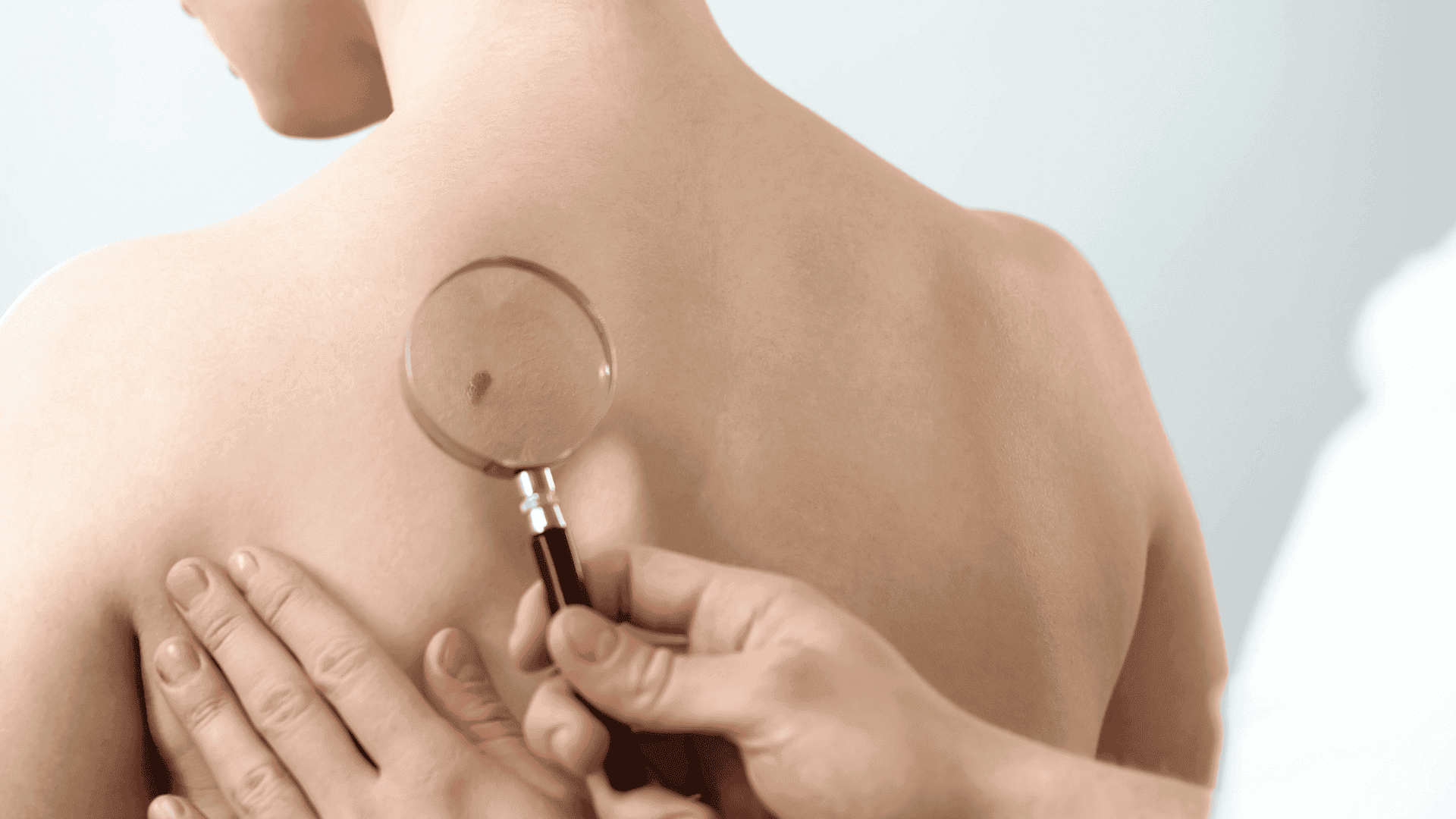
Mohs surgery, also known as Mohs micrographic surgery, is a specialized technique for the removal of skin cancer. This innovative surgical process is designed to effectively excise cancer cells while preserving as much surrounding healthy tissue as possible. This is particularly important in treating skin cancer in sensitive areas, such as the face, ears, and neck, where cosmetic outcomes are of great concern.
During Mohs surgery, the tumor is removed in thin layers, and each layer is immediately examined under a microscope for the presence of cancer cells. This real-time process allows surgeons to verify whether all cancerous cells have been excised. If cancer cells are still detected, the surgeon can precisely mark the area where additional tissue needs to be removed, enabling targeted further excision. This process may be repeated several times until no cancer cells are found.
Mohs surgery, also known as Mohs micrographic surgery, is a specialized technique for the removal of skin cancer.
One of the key benefits of Mohs surgery is its high cure rate. By accurately removing cancer cells, this technique minimizes the chance of cancer recurrence and reduces the amount of healthy skin lost. After the procedure, the area can be closed using various techniques, depending on the size and location of the excised tumor. The result is often a smaller scar compared to traditional surgery.
Mohs surgery is an effective and safe option for patients with non-melanoma skin cancers, such as basal cell and squamous cell carcinomas. It is frequently recommended for patients whose skin cancer has recurred or for whom traditional treatment methods have been ineffective. Patients undergoing this procedure can expect comprehensive follow-up care to monitor their healing process and ensure no new cancer cells develop.
Mohs surgery has several advanced techniques to improve outcomes depending on the type and location of the skin cancer.
👉 Layer-by-layer excision allows surgeons to remove only tissue that contains cancer cells.
👉 Frozen section analysis ensures immediate examination of tissue margins.
👉 Mapping and marking the tissue helps identify areas needing further removal.
👉 Specialized repair techniques, such as flaps or grafts, can restore normal appearance after excision.
👉 Digital imaging may be used to document the tumor and track progression.
These variations make Mohs surgery adaptable for complex cases and challenging locations, ensuring both effective cancer removal and optimal cosmetic results.
Mohs surgery is a specialized procedure primarily used to treat skin cancer, especially in cases where the cancerous tissue is located on areas of the body where preserving as much healthy skin as possible is important, such as the face, neck, or hands. It is considered the most effective treatment for many types of skin cancer, including basal cell carcinoma and squamous cell carcinoma.
Mohs surgery is particularly beneficial because it allows for the complete removal of cancerous cells while sparing as much healthy tissue as possible, which minimizes scarring and maintains function and appearance in sensitive areas. Patients with recurrent skin cancer or those with cancerous lesions in cosmetically or functionally critical areas often choose Mohs surgery due to its high cure rate and precise nature.
Mohs surgery is a specialized procedure primarily used to treat skin cancer, especially in cases where the cancerous tissue is located on areas of the body where preserving as much healthy skin as possible is important, such as the face, neck, or hands.
Additionally, individuals with skin cancers that have indistinct borders or that are large or aggressive are good candidates for this procedure. Mohs surgery is unique because it involves immediate microscopic examination of the removed tissue during surgery, allowing the surgeon to ensure all cancerous cells have been excised before closing the wound. This real-time analysis results in a higher success rate and lower recurrence risk compared to other methods, making it a preferred choice for patients seeking thorough and precise skin cancer treatment.
Cost is an important factor when planning Mohs surgery, and patients should be aware of all potential expenses.
👉 The procedure itself may vary in cost depending on the complexity and number of layers removed.
👉 Reconstruction techniques, such as grafts or flaps, can add to the overall price.
👉 Insurance coverage often includes Mohs surgery, but policies differ.
👉 Follow-up visits and wound care may also have associated costs.
👉 Choosing an experienced Mohs surgeon can impact both outcomes and costs.
By understanding these factors, patients can plan financially and avoid unexpected expenses, ensuring access to high-quality skin cancer treatment.
While Mohs surgery is most commonly used for basal cell and squamous cell carcinoma, it is also effective for rare skin cancers. Certain types of rare tumors, such as dermatofibrosarcoma protuberans, benefit from the precise layer-by-layer removal that Mohs surgery provides. The immediate examination of tissue ensures that even these uncommon cancers are fully excised. Early intervention using Mohs surgery can reduce the need for large-scale reconstruction. Surgeons can also adapt their approach based on tumor behavior and location. Patients with rare skin cancers often achieve better long-term outcomes with this specialized technique.
Mohs surgery is performed in stages, with the goal of removing cancerous cells while preserving as much healthy tissue as possible. The procedure is typically done in an outpatient setting under local anesthesia, meaning the patient is awake but the treatment area is numbed to prevent discomfort. The surgery begins with the surgeon removing a thin layer of tissue from the visible tumor or affected area. This layer is carefully mapped, marked, and immediately sent to a lab within the facility, where it is frozen and examined under a microscope to determine whether any cancerous cells remain.
Mohs surgery is performed in stages, with the goal of removing cancerous cells while preserving as much healthy tissue as possible.
If cancerous cells are still present at the edges of the removed tissue, the surgeon returns to the patient and removes another thin layer of tissue, specifically from the areas where cancer cells were detected. This process of tissue removal and examination is repeated until all cancerous cells are gone, and only healthy tissue remains. By checking each layer of tissue immediately during the surgery, the Mohs technique ensures that the least amount of healthy skin is removed, resulting in a more aesthetically pleasing outcome and reducing the need for further surgeries.
Once the cancer has been fully removed, the surgeon will assess the size of the remaining wound and decide on the best method of repair. Smaller wounds may heal on their own or be closed with stitches, while larger wounds may require a skin graft or flap to ensure optimal healing and appearance. Recovery time varies depending on the size and location of the excision, but most patients experience minimal discomfort and can return to normal activities within a few days. Because Mohs surgery is performed in stages, it can take several hours, but the precision of the procedure minimizes the risk of recurrence and ensures the best possible cosmetic outcome.
Patients with aggressive skin cancers can particularly benefit from Mohs surgery. This method provides precise removal of rapidly spreading or deeply infiltrating tumors. By examining each tissue layer immediately, surgeons can ensure no cancerous cells are left behind, which is critical for aggressive or recurrent cancers.
Patients with aggressive skin cancers can particularly benefit from Mohs surgery.
The approach also allows for smaller excisions, reducing the need for extensive reconstruction. Mohs surgery has been shown to achieve higher cure rates for aggressive types compared to conventional excision. This precision minimizes both the risk of recurrence and the need for additional surgeries. It is especially recommended for high-risk areas where cosmetic or functional outcomes are essential.
Mohs surgery offers several significant benefits, especially for individuals with skin cancer in cosmetically sensitive areas or those with recurrent or aggressive cancers. One of the primary advantages of Mohs surgery is its high cure rate—up to 99% for certain types of skin cancer that have not been previously treated, and up to 94% for recurrent skin cancers. This makes it the most effective treatment available for many patients, especially when other methods may have failed or when minimizing the risk of cancer returning is crucial. The procedure’s ability to examine tissue margins during surgery ensures that all cancer cells are removed while sparing as much healthy skin as possible, which is critical for both function and appearance.
Mohs surgery offers several significant benefits, especially for individuals with skin cancer in cosmetically sensitive areas or those with recurrent or aggressive cancers.
Another key benefit of Mohs surgery is the minimal scarring it typically produces, which is particularly important for cancers on visible areas such as the face, scalp, or hands. By removing the least amount of healthy tissue, Mohs surgery reduces the size of the wound and results in a better cosmetic outcome compared to more traditional excision methods. This precision also reduces the likelihood of needing additional treatments or surgeries, making it a cost-effective and efficient option in the long term.
Moreover, Mohs surgery is performed under local anesthesia, which reduces the risks and recovery time associated with general anesthesia. Most patients are able to return to their normal activities shortly after the procedure, making it a convenient option for those with busy schedules. The ability to achieve both functional and aesthetic goals—while providing a high level of confidence that the cancer has been fully removed—makes Mohs surgery one of the most trusted and preferred treatments for skin cancer today.
Advancements in technology have enhanced Mohs surgery outcomes and efficiency.
👉 Digital mapping of tissue allows for accurate documentation and layer tracking.
👉 High-resolution imaging assists in identifying tumor margins more precisely.
👉 Specialized microscopes enable rapid and detailed analysis of tissue sections.
👉 New suturing and grafting techniques improve cosmetic results.
👉 Computer-assisted tracking can help surgeons plan repairs and monitor progress.
These technological improvements make Mohs surgery safer, faster, and more effective for patients with skin cancer.
Recovering after Mohs surgery requires careful attention to ensure optimal healing and minimal scarring. Patients should keep the wound clean and dry for the first 24–48 hours, following the surgeon’s instructions closely. Dressings may need to be changed regularly, and gentle cleansing can help prevent infection. Swelling and mild discomfort are common, but over-the-counter pain relief is usually sufficient.
Avoiding sun exposure on the treated area is crucial, as UV rays can slow healing and worsen scarring. Most patients can resume normal activities quickly, but strenuous exercise should be postponed until the surgeon confirms proper healing. Staying hydrated and maintaining a healthy diet also supports the body’s natural recovery process.
Mohs surgery is especially beneficial for skin cancers in challenging locations, such as the eyelids, nose, ears, or lips. These areas require precise tissue preservation to maintain both function and appearance. The ability to remove cancer layer by layer ensures that surgeons can carefully protect critical structures, such as the eyelid margin or nasal cartilage.
Traditional excisions in these locations may result in significant cosmetic or functional compromise. With Mohs surgery, surgeons can tailor the approach to each patient, often using advanced repair techniques to restore the natural contour and appearance. This makes Mohs surgery the preferred method for complex and cosmetically sensitive areas.
Proper preparation can improve the overall experience and outcomes of Mohs surgery. Patients should discuss all medications with their surgeon, as blood thinners may need to be adjusted before the procedure. It is advisable to eat a light meal beforehand, as the surgery may last several hours. Comfortable clothing and a support person can make the day more manageable. Patients should avoid alcohol and smoking prior to surgery, as these can interfere with healing.
Proper preparation can improve the overall experience and outcomes of Mohs surgery.
Bringing entertainment, such as a book or headphones, can help pass the time during tissue examination. Following pre-surgery instructions carefully reduces complications and ensures a smoother recovery. By being well-prepared, patients can focus on healing and achieving the best cosmetic result.
Proper wound care after Mohs surgery is crucial for preventing infection and promoting optimal healing.
👉 Keep the wound clean and dry as instructed by your surgeon.
👉 Apply any prescribed ointments or creams to reduce infection risk.
👉 Change dressings regularly using sterile technique.
👉 Avoid scratching or picking at the area, even if it itches.
👉 Use gentle, non-irritating cleansers if advised.
👉 Limit exposure to sunlight and cover the area with clothing or sunscreen when outside.
Following these steps can improve cosmetic results and reduce the chance of complications.
Most Mohs surgery procedures are performed under local anesthesia, which numbs the affected area while keeping the patient awake. Local anesthesia reduces the risks associated with general anesthesia and allows faster recovery. In some cases, mild sedatives may be offered to help patients relax. The anesthetic wears off within a few hours, causing minimal discomfort. Patients can usually return home the same day and resume light activities. Discussing anesthesia options with the surgeon helps ensure comfort and safety throughout the procedure.
Most Mohs surgery procedures are performed under local anesthesia, which numbs the affected area while keeping the patient awake.
Follow-up care is an essential part of the Mohs surgery process. After the procedure, patients are monitored for proper wound healing and any signs of recurrence. Regular check-ups allow early detection of new skin cancers or suspicious areas. Surgeons may recommend periodic skin exams, particularly for patients with a history of multiple lesions. Maintaining sun protection and healthy skin habits is advised to prevent future skin cancers. Patients should report any unusual changes or symptoms promptly. Comprehensive follow-up ensures the long-term success of Mohs surgery.
After cancer removal, the wound may require specialized repair techniques to restore appearance and function. Small excisions may heal naturally or with simple stitches. Larger wounds may need skin grafts, which use tissue from another body area to close the defect. Flap reconstruction involves repositioning nearby tissue to cover the wound seamlessly. The choice of repair depends on the wound’s size, location, and patient-specific factors. Skilled surgeons aim to achieve the best cosmetic and functional outcomes using the most appropriate method. Proper repair techniques enhance the benefits of Mohs surgery.
After cancer removal, the wound may require specialized repair techniques to restore appearance and function.
Patients with recurrent skin cancer often benefit from Mohs surgery because it can precisely target remaining cancerous cells. Recurrence can occur when previous treatments leave microscopic traces of cancer. Mohs surgery examines every tissue layer, reducing the likelihood of further recurrence. This targeted approach minimizes removal of healthy skin, even in previously treated areas. Surgeons can tailor the procedure based on prior treatments and scarring. The high cure rates associated with Mohs surgery make it an ideal choice for recurrent cases.
During your consultation, you will discuss your wishes, medical history, and expectations with the doctor. The doctor will examine you, take measurements if necessary, and explain which treatment suits you best, including risks and recovery. You will have the opportunity to ask questions and then receive a clear treatment proposal.
Make sure you have all relevant medical information ready, such as previous treatments, allergies, or medical conditions. This allows the doctor to give you better advice.
Payment is made securely via SurgeryBooking. You pay the amount in advance to SurgeryBooking. We hold the funds and transfer them to the clinic after your treatment. Cancellation or change conditions vary per clinic and are clearly communicated in advance.
During the consultation (online or at the clinic), the doctor will assess this based on your health, expectations, and physical characteristics. You will discuss what you want, what is possible, and what the limitations are. Sometimes there are alternatives if the chosen treatment is not ideal.
Through SurgeryBooking.com, you can quickly and easily book a consultation or procedure with doctors and clinics worldwide. SurgeryBooking.com provides an overview of doctors and clinics, allowing you to make an informed and transparent choice when booking a consultation or procedure.
You can easily book through the profile of the desired clinic or doctor. Select the desired treatment, enter your details, and choose an available date and time. If there are any costs involved, you will complete the payment first. Afterwards, you will receive a confirmation email with all the details.
Yes, during the booking process, you can indicate whether you prefer an online consultation or an in-person consultation at the clinic.
With SurgeryBooking.com, you gain access to a global network of doctors and clinics. Through SurgeryBooking.com, you can easily book a consultation or a cosmetic procedure directly. Clinic profiles provide information about available cosmetic procedures, reviews, photos of the clinic, and other relevant details. This enables you to compare costs and make an informed decision when booking a consultation or procedure.