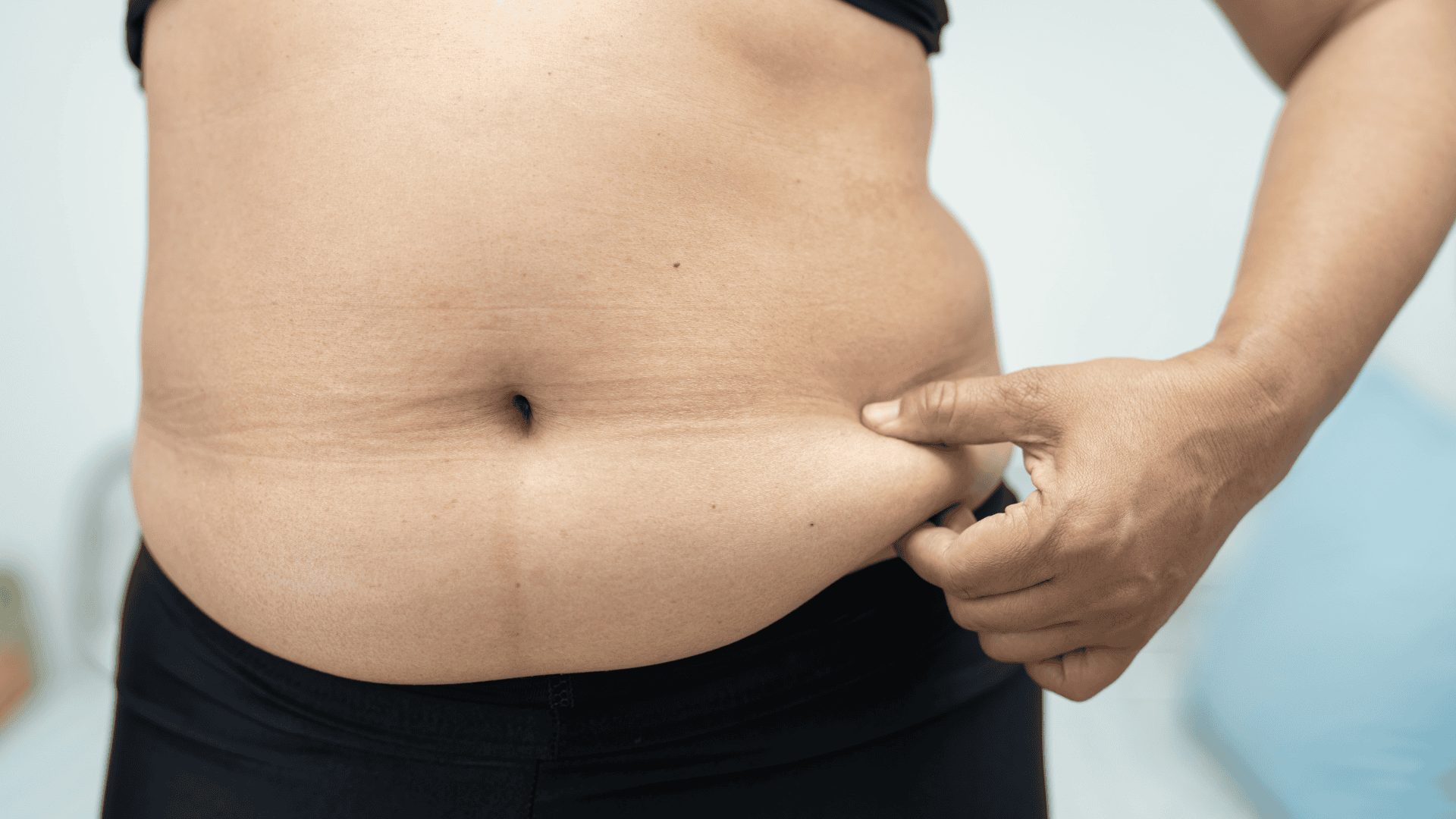
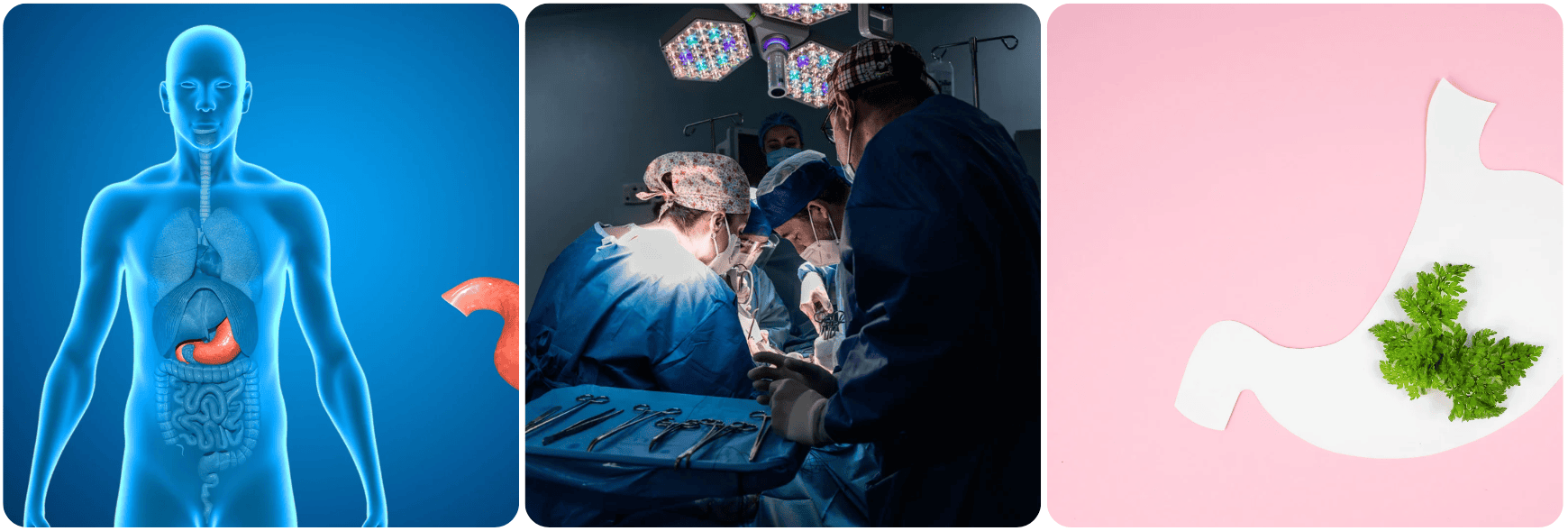
A Mini Gastric Bypass is a surgical procedure designed to promote weight loss in individuals with severe obesity. The operation is less invasive than the traditional gastric bypass but delivers similar results. During a Mini Gastric Bypass, the stomach is reduced in size and a portion of the small intestine is bypassed. This creates a smaller stomach pouch, meaning patients can eat less and feel full more quickly. Additionally, part of the nutrient absorption is limited because food bypasses a section of the small intestine, leading to reduced calorie and nutrient absorption.
A Mini Gastric Bypass is a surgical procedure designed to promote weight loss in individuals with severe obesity.
The surgery is typically performed laparoscopically, meaning it involves several small incisions in the abdomen. This makes it a less invasive procedure compared to other forms of bariatric surgery, often with a shorter recovery time. The Mini Gastric Bypass is favored for its simplicity, shorter operating time, and reduced risk of complications compared to the traditional gastric bypass.
In addition to weight loss, the surgery can offer health benefits such as improvement or resolution of conditions like type 2 diabetes, high blood pressure, and sleep apnea. Since the stomach is smaller and nutrient absorption is restricted, patients must adjust their diet after the operation and ensure they receive adequate vitamins and minerals to avoid deficiencies.
While the Mini Gastric Bypass is effective for many people, it is not without risks. Complications such as acid reflux, dumping syndrome, and nutrient deficiencies can occur. Therefore, it is important for patients to be well-informed and receive proper medical guidance after the procedure to achieve the best possible outcomes.
The Mini Gastric Bypass (MGB) is a popular weight loss surgery option for individuals struggling with obesity, particularly those who have been unsuccessful in achieving sustainable weight loss through diet, exercise, or non-surgical methods. This procedure is designed to help individuals who are severely overweight or have obesity-related health conditions, such as type 2 diabetes, sleep apnea, or high blood pressure, by providing a more effective and long-term solution to weight loss.
The Mini Gastric Bypass is appealing because it offers a less complex alternative to traditional gastric bypass surgery, with many of the same benefits. It is a minimally invasive procedure that focuses on reducing the size of the stomach and altering the digestive process to limit calorie absorption, which leads to significant and lasting weight loss.
Compared to other bariatric surgeries, the Mini Gastric Bypass has a shorter recovery time and involves fewer complications, which makes it an attractive option for patients who want the benefits of weight loss surgery with a quicker recovery. Additionally, MGB typically involves fewer long-term nutritional concerns than some other weight loss surgeries, making it a preferred choice for many patients looking for a sustainable solution.
The Mini Gastric Bypass procedure is typically performed under general anesthesia, and it involves making a few small incisions in the abdomen. Through these incisions, the surgeon uses laparoscopic tools to access the stomach and small intestine.
The first step of the procedure involves creating a smaller stomach pouch, which is done by dividing the stomach and using a stapler to seal off the larger portion, effectively creating a small, golf ball-sized stomach. The next step involves rerouting the small intestine to the newly created stomach pouch.
The Mini Gastric Bypass procedure is typically performed under general anesthesia, and it involves making a few small incisions in the abdomen.
This rerouting, known as an anastomosis, allows food to bypass a portion of the small intestine, which limits the absorption of calories and nutrients. As a result, patients feel fuller faster and absorb fewer calories from the food they eat, which leads to weight loss. The procedure generally takes about 1-2 hours and can be done laparoscopically, meaning that only small incisions are required, reducing the risk of complications and shortening the recovery time.
After the surgery, patients typically stay in the hospital for 1-2 days, and most are able to return to normal activities within 1-2 weeks. Since it is minimally invasive, the procedure is associated with lower risks than more traditional open surgeries, and it leaves minimal scarring.
When comparing the Mini Gastric Bypass to other weight loss procedures, such as the sleeve gastrectomy or the traditional gastric bypass, several distinctions stand out. MGB is often considered simpler and quicker, with fewer connections made in the intestines, reducing the risk of surgical complications.
While both sleeve gastrectomy and gastric bypass promote significant weight loss, the Mini Gastric Bypass often results in faster initial weight reduction. Patients considering bariatric surgery should carefully review these differences with their surgeon to choose the most suitable option for their health goals.
The Mini Gastric Bypass offers several important benefits, especially for individuals who are looking to achieve significant weight loss and improve their overall health. One of the key benefits is the effective weight loss it provides.
By reducing the size of the stomach and rerouting the intestines, the procedure limits calorie intake and nutrient absorption, which leads to rapid weight loss—often up to 60-70% of excess weight lost within the first year. This makes it a highly effective solution for individuals with obesity, especially those who have struggled to lose weight with diet and exercise alone.
In addition to its effectiveness in promoting weight loss, the Mini Gastric Bypass has been shown to improve or resolve many obesity-related health conditions, such as type 2 diabetes, high blood pressure, and sleep apnea. Many patients experience significant improvements in these conditions, or they may even go into remission, after undergoing the procedure. Another advantage is that the Mini Gastric Bypass generally has a quicker recovery time compared to other types of bariatric surgery.
The laparoscopic technique minimizes scarring and reduces post-surgical pain, which means patients can usually return to normal activities in a shorter time frame. The procedure is also associated with a lower risk of complications, such as malnutrition, compared to other weight loss surgeries, making it a safer option for many patients. Furthermore, the Mini Gastric Bypass provides long-lasting results, as it addresses both the physical restriction of food intake and the malabsorption of calories, promoting sustained weight loss over time. For those seeking a reliable, effective, and minimally invasive solution to obesity, the Mini Gastric Bypass offers a highly beneficial approach to achieving a healthier body and improved quality of life.
While both surgeries reduce the size of the stomach, the Mini Gastric Bypass also reroutes part of the small intestine. This dual effect—restriction and malabsorption—leads to greater and often quicker weight loss compared to sleeve gastrectomy. However, patients must be committed to lifelong supplementation to offset the reduced nutrient absorption. For individuals who need more significant results, MGB may be the more effective choice.
Not everyone qualifies for Mini Gastric Bypass surgery. It is typically recommended for individuals with a BMI of 35 or higher, especially if they have obesity-related health issues such as type 2 diabetes, hypertension, or sleep apnea. It may also be considered for people with a slightly lower BMI (30–34) who have serious metabolic problems. Ideal candidates are those who have tried and failed to achieve long-term weight loss through non-surgical methods.
Additionally, candidates must be physically and mentally prepared for the lifestyle changes required after surgery, including dietary adjustments, regular follow-ups, and commitment to vitamin supplementation. A thorough consultation and screening process is necessary to determine if MGB is the safest and most effective option for the individual.
Recovery from a Mini Gastric Bypass is generally quicker and less painful than traditional gastric bypass surgery due to its minimally invasive nature. Most patients stay in the hospital for 1–2 days and return to work or light activities within 1–2 weeks. In the first few days post-surgery, patients follow a liquid-only diet, gradually transitioning to soft foods, and eventually to solid meals over several weeks.
It’s essential to eat smaller portions, chew food thoroughly, and avoid high-sugar or high-fat foods to prevent complications like dumping syndrome. Regular check-ups and blood tests are part of post-op care to monitor weight loss and nutritional status. With the right support and guidance, most patients adjust well and see consistent progress during their recovery journey.
Yes, undergoing a Mini Gastric Bypass requires permanent lifestyle changes to ensure success and avoid complications. Patients need to follow a structured eating plan that includes high-protein, low-sugar, and nutrient-dense foods. Portion control becomes crucial, as the stomach can only hold a small amount of food. Additionally, lifelong vitamin and mineral supplementation is required to prevent deficiencies, especially in vitamin B12, iron, calcium, and vitamin D.
Exercise should also become a regular part of the patient’s lifestyle to support weight loss and muscle retention. Support groups, nutrition counseling, and psychological support can also help patients navigate the emotional and behavioral adjustments after surgery. Adopting these changes not only supports lasting weight loss but also contributes to a healthier and more active life.
Adapting to new nutritional habits is crucial after undergoing a Mini Gastric Bypass. Patients are advised to focus on protein-rich meals, limit processed foods, and maintain adequate hydration. Vitamin and mineral supplements are not optional but necessary for long-term health. Over time, small, frequent meals become the standard way of eating. By following these nutritional rules, patients can maximize their weight loss while avoiding common deficiencies.
Exercise plays a vital role in maintaining results after surgery. Following the Mini Gastric Bypass, most patients are encouraged to begin light walking within days of their procedure. As recovery progresses, physical activity can gradually expand to include strength training, swimming, or cycling. Staying active not only supports weight loss but also preserves muscle mass, boosts energy levels, and enhances overall quality of life.
One of the main reasons patients choose the Mini Gastric Bypass is its minimally invasive, laparoscopic technique. This approach requires only small incisions, leading to:
💚 Reduced post-operative pain
💚 Faster healing and recovery
💚 Minimal scarring
💚 Lower risk of infection
These advantages make MGB an appealing option for those who want effective weight loss surgery without the challenges of a large surgical wound.
Beyond weight reduction, the Mini Gastric Bypass plays a powerful role in improving metabolic function. Many patients experience better blood sugar control within days of surgery, sometimes even before significant weight loss occurs. The rerouting of the intestines impacts gut hormones, which enhances insulin sensitivity and reduces appetite. This makes MGB particularly valuable for individuals struggling with type 2 diabetes and metabolic syndrome.
Although Mini Gastric Bypass is considered safer than traditional gastric bypass, it still carries certain risks. The most common side effects include acid reflux, bile reflux, and dumping syndrome, especially if patients consume sugary or fatty foods. Other potential complications involve nutritional deficiencies, ulcers, or internal hernias, though these are less frequent. Rare but serious risks include bleeding, infection, and leakage at the surgical site.
Long-term, patients need to be vigilant with follow-up appointments to monitor their health and nutrient levels. Choosing an experienced bariatric surgeon and adhering closely to post-operative care instructions greatly reduces the likelihood of complications and ensures the safest possible outcome.
Follow-up appointments are an essential part of recovery. Patients who undergo Mini Gastric Bypass typically have scheduled check-ins at regular intervals during the first year. These visits monitor weight loss progress, address potential side effects, and check for nutritional deficiencies. Long-term, annual visits help ensure patients remain healthy and continue benefiting from the procedure.
Adapting to life after Mini Gastric Bypass is easier with the right strategies:
💚 Eat slowly and chew thoroughly
💚 Prioritize lean protein at every meal
💚 Stay hydrated throughout the day
💚 Avoid sugary and carbonated drinks
💚 Keep regular medical appointments
These steps help patients maintain weight loss and prevent complications while building healthier habits for the future.
Drinking enough fluids is essential after surgery. Patients are advised to sip water consistently throughout the day rather than consuming large amounts at once. Proper hydration helps prevent constipation, supports metabolism, and aids recovery. However, drinking during meals should be avoided to prevent the small stomach pouch from overfilling. By keeping hydration a priority, patients improve both comfort and long-term outcomes.
Because the Mini Gastric Bypass reduces nutrient absorption, supplementation is a lifelong requirement. Commonly prescribed vitamins include:
💚 Multivitamins with iron
💚 Vitamin B12
💚 Vitamin D and calcium
💚 Additional supplements if deficiencies arise
These ensure patients remain healthy and avoid complications such as anemia or bone weakness.
The outcome of a Mini Gastric Bypass depends heavily on the expertise of the surgical team. Choosing a highly experienced bariatric surgeon reduces the risk of complications and ensures proper follow-up care. Patients are encouraged to review credentials, ask about surgical success rates, and confirm that the clinic offers comprehensive aftercare services. Selecting the right professional team is one of the most important decisions in this journey.
One of the lesser-known benefits of the Mini Gastric Bypass is its effect on gut hormones. By rerouting the intestines, the surgery changes the way hormones like ghrelin and GLP-1 are produced, leading to decreased appetite and improved satiety. This hormonal shift helps patients maintain long-term weight loss without the constant struggle of feeling hungry.
Many patients consider traveling abroad for Mini Gastric Bypass surgery due to affordability and access to experienced specialists. Countries like Turkey have become popular destinations, offering modern clinics, skilled surgeons, and cost savings compared to Western Europe or the US. However, it is important to research carefully, verify accreditations, and ensure proper follow-up care is arranged before making travel plans.
The dietary journey after surgery typically follows four stages:
💚 Clear liquids in the first few days
💚 Full liquids after the first week
💚 Pureed or soft foods during weeks 2–4
💚 Gradual transition to solid foods after about a month
Each stage prepares the digestive system for long-term dietary adjustments, supporting healing and sustained weight loss.
Weight loss after the Mini Gastric Bypass is often rapid in the first year, but long-term success depends on lifestyle commitment. Patients who follow nutritional guidelines, maintain activity, and stay consistent with supplements are more likely to keep the weight off permanently. This combination of surgical support and personal responsibility makes MGB one of the most sustainable bariatric procedures available.
During your consultation, you will discuss your wishes, medical history, and expectations with the doctor. The doctor will examine you, take measurements if necessary, and explain which treatment suits you best, including risks and recovery. You will have the opportunity to ask questions and then receive a clear treatment proposal.
Make sure you have all relevant medical information ready, such as previous treatments, allergies, or medical conditions. This allows the doctor to give you better advice.
Payment is made securely via SurgeryBooking. You pay the amount in advance to SurgeryBooking. We hold the funds and transfer them to the clinic after your treatment. Cancellation or change conditions vary per clinic and are clearly communicated in advance.
During the consultation (online or at the clinic), the doctor will assess this based on your health, expectations, and physical characteristics. You will discuss what you want, what is possible, and what the limitations are. Sometimes there are alternatives if the chosen treatment is not ideal.
Through SurgeryBooking.com, you can quickly and easily book a consultation or procedure with doctors and clinics worldwide. SurgeryBooking.com provides an overview of doctors and clinics, allowing you to make an informed and transparent choice when booking a consultation or procedure.
You can easily book through the profile of the desired clinic or doctor. Select the desired treatment, enter your details, and choose an available date and time. If there are any costs involved, you will complete the payment first. Afterwards, you will receive a confirmation email with all the details.
Yes, during the booking process, you can indicate whether you prefer an online consultation or an in-person consultation at the clinic.
With SurgeryBooking.com, you gain access to a global network of doctors and clinics. Through SurgeryBooking.com, you can easily book a consultation or a cosmetic procedure directly. Clinic profiles provide information about available cosmetic procedures, reviews, photos of the clinic, and other relevant details. This enables you to compare costs and make an informed decision when booking a consultation or procedure.