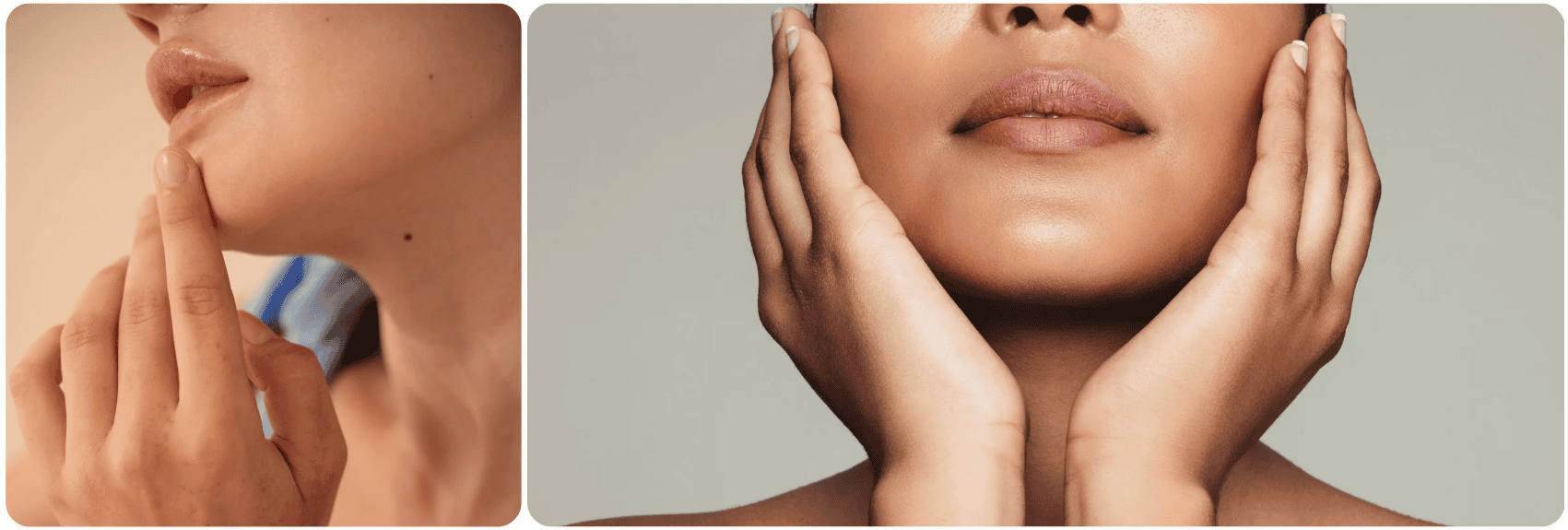
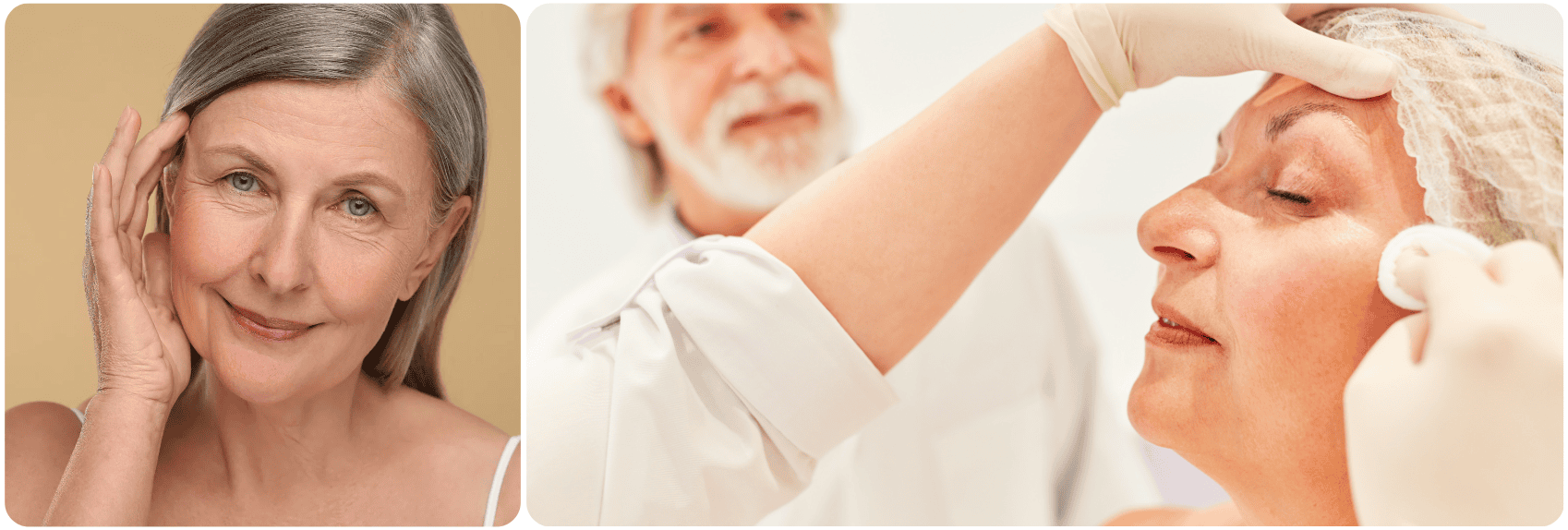
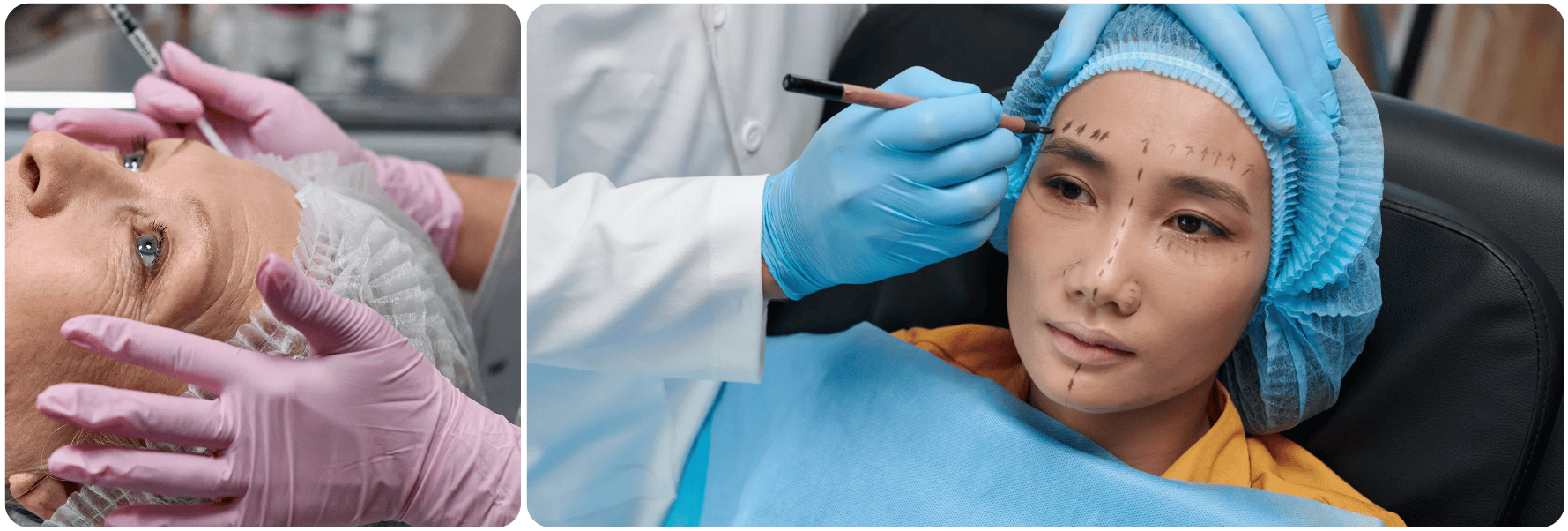
A mini facelift is a cosmetic procedure designed to address visible signs of aging in the face, particularly in the lower half. This treatment is less invasive than a traditional facelift, making it an appealing option for those seeking subtle results without the extended recovery time associated with a full facelift.
During a mini facelift, small incisions are made, typically around the ears, allowing the surgeon to lift and tighten the skin and underlying tissues. The goal is to restore a more youthful appearance while maintaining a natural look. This technique can also be combined with other treatments, such as fat injections or fillers, to enhance the overall outcome.
A mini facelift is a cosmetic procedure designed to address visible signs of aging in the face, particularly in the lower half.
One of the key advantages of a mini facelift is the shorter recovery period, often within a few weeks. Patients generally experience less swelling and discomfort compared to a full facelift, making it easier to return to daily activities.
However, it is essential for those considering the procedure to be well-informed about what it entails, the potential risks, and realistic expectations. While the results of a mini facelift can be significant, it is important to understand that the effects will evolve over time, just like with any cosmetic surgery. Therefore, consulting an experienced plastic surgeon is advisable to determine the most suitable approach for individual needs and goals.
A mini facelift is an appealing option for individuals who want to address early signs of aging in the face but do not require the extensive results of a full facelift. This procedure is typically chosen by people in their 40s or 50s, when the skin has started to show subtle signs of sagging or loss of elasticity, particularly around the jawline, cheeks, and neck.
Unlike the traditional facelift, which addresses more significant aging concerns, a mini facelift targets less advanced signs of aging and provides a more moderate improvement. It can be an ideal solution for those looking for a natural, refreshed appearance without undergoing a major surgical procedure.
The mini facelift focuses on lifting and tightening the lower portion of the face, where the most noticeable changes usually occur, such as drooping cheeks or jowls. This procedure is less invasive than a full facelift, requires smaller incisions, and results in a quicker recovery time. Many people choose a mini facelift as a preventive measure to slow down the aging process, or as a way to rejuvenate their appearance without committing to the more intensive recovery associated with a full facelift. It also offers a more subtle outcome, which is a key appeal for those who want to look younger but not dramatically different.
Results from a mini facelift can vary depending on age and skin condition at the time of surgery. Younger patients (typically in their 40s) often enjoy longer-lasting outcomes because their tissues still retain flexibility. Older patients may still benefit significantly, although maintenance treatments might be needed sooner.
What matters most is not age alone, but tissue quality and lifestyle habits. Protecting results with sun care and consistent skincare routines helps extend longevity.
Influencing factors include:
👉 Age at time of surgery
👉 Genetic skin characteristics
👉 Post-procedure skincare habits
👉 Environmental exposure
Understanding these variables helps set realistic expectations and encourages long-term facial care.
Facial aging rarely occurs evenly. One side often descends faster than the other, leading to asymmetry around the cheeks or jawline. A mini facelift allows surgeons to address these subtle imbalances, improving harmony between both sides of the face.
Rather than aiming for perfect symmetry, the goal is natural alignment. Small adjustments can restore proportionality, helping patients look refreshed rather than surgically altered.
This refined balancing effect contributes strongly to the overall rejuvenated appearance and is one of the less-discussed benefits of the procedure.
A mini facelift is performed under local anesthesia with sedation or general anesthesia, depending on the patient's needs and the extent of the procedure. The surgery involves making smaller incisions, usually around the ears or hairline, to minimize visible scarring. The surgeon then lifts the skin and tightens the underlying muscles and tissues to restore a more youthful contour to the face.
The procedure specifically targets the lower face, including the jawline and cheeks, to address concerns like jowls, sagging skin, or loss of definition. Unlike a full facelift, which may require more extensive incisions and deeper tissue manipulation, the mini facelift uses smaller incisions and focuses on less invasive techniques to achieve a more subtle result. In many cases, liposuction may also be performed on the neck area to remove excess fat and create a smoother, more defined appearance. The recovery time for a mini facelift is significantly shorter than that of a full facelift, and most patients can return to normal activities within a few weeks.
A mini facelift is performed under local anesthesia with sedation or general anesthesia, depending on the patient's needs and the extent of the procedure.
The procedure typically takes between one to two hours to complete, and the results, although less dramatic than those of a full facelift, provide noticeable improvements that help the face appear refreshed and rejuvenated. Post-operative care generally includes managing swelling and bruising, following specific instructions for skincare, and avoiding strenuous physical activity for a short period to allow the healing process to unfold smoothly.
Understanding how facial anatomy changes over time helps clarify what a mini facelift actually improves. Aging mainly affects the superficial musculoaponeurotic system (SMAS), fat pads, and skin elasticity, which leads to jowls and softening of the jawline. A mini facelift primarily targets these lower-face structures rather than the entire facial framework.
By gently repositioning tissues, the procedure restores contour without overcorrecting. This anatomical focus explains why results often look natural instead of “pulled.” Unlike deeper full facelift techniques, a mini facelift concentrates on localized sagging, making it ideal for early to moderate aging.
Key anatomical areas typically addressed include:
👉 Lower cheek fat pads
👉 Early jowl formation
👉 Jawline definition
👉 Mild neck laxity
Because it works with existing facial anatomy rather than radically altering it, the mini facelift supports subtle rejuvenation while preserving personal features.
Skin quality plays a major role in how effective a mini facelift can be. Patients with good elasticity usually experience smoother contours and longer-lasting results. Elastic skin adapts better to repositioning, allowing lifted areas to settle naturally over time.
Those with thinner or sun-damaged skin may still benefit, but results can differ. This is why surgeons often assess collagen density and skin resilience during consultations. Supporting skin health before surgery—through hydration and consistent skincare—can positively influence outcomes.
Factors affecting skin response include:
👉 Natural collagen levels
👉 Degree of sun exposure over the years
👉 Smoking history
👉 Overall hydration and nutrition
While a mini facelift addresses structural sagging, healthy skin enhances the final appearance by improving smoothness and tone.
Although cosmetic surgery is often associated with women, more men are now choosing a mini facelift to address early signs of aging. The procedure helps reduce sagging skin around the jawline and cheeks while maintaining a natural, masculine appearance. Surgeons often tailor techniques to preserve strong facial features, ensuring results that do not look overdone.
Men particularly value the shorter recovery time, as it allows them to return to work and daily activities more quickly. With the growing popularity of subtle enhancements, the mini facelift is becoming an increasingly common choice among male patients.
The benefits of a mini facelift include a more youthful and refreshed appearance with less recovery time compared to a full facelift. Because the procedure focuses on lifting and tightening the lower portion of the face, it is particularly effective for individuals who are experiencing sagging skin, mild jowls, or loss of definition along the jawline but do not yet require the more extensive correction that a traditional facelift provides.
One of the major advantages of the mini facelift is that it is a minimally invasive procedure, which means that it requires only small incisions, resulting in less scarring, a quicker recovery, and less post-surgical discomfort. Many patients appreciate that the results of a mini facelift are natural-looking and subtle, as it addresses only the areas of concern without dramatically altering their overall appearance.
The benefits of a mini facelift include a more youthful and refreshed appearance with less recovery time compared to a full facelift.
The procedure also offers lasting results, with many individuals enjoying the improvements for several years before additional treatments may be necessary. Another benefit is that a mini facelift can be performed in combination with other non-surgical treatments, such as Botox or dermal fillers, to further enhance facial rejuvenation. Overall, the mini facelift provides an excellent option for those who want to turn back the clock on aging with a more conservative approach, offering a balance of effective results and minimal downtime.
The ideal candidate for a mini facelift is someone who is in good overall health and has mild to moderate signs of aging on the lower half of their face. Typically, individuals in their 40s to 60s seek this procedure, as the skin begins to lose its elasticity and may start to sag around the jawline, cheeks, and neck. People who are experiencing mild jowls, loose skin, or a lack of definition along the jawline can benefit from a mini facelift. In addition, those who want a subtle rejuvenation without undergoing the more invasive procedure of a full facelift are often good candidates.
Patients should have realistic expectations and a desire for natural-looking results, as a mini facelift is not intended to produce the dramatic transformations associated with a full facelift. A consultation with a qualified surgeon is essential to evaluate individual goals, facial structure, and skin condition to determine if a mini facelift is the best option.
A mini facelift can be performed under different anesthesia approaches, depending on patient preferences and surgeon recommendations. The most common options include:
Local anesthesia with sedation, which keeps patients relaxed but awake
General anesthesia, allowing complete unconsciousness during the procedure
Twilight anesthesia, a lighter form of sedation offering comfort with quick recovery
Each choice has its advantages, and the best option will depend on the extent of the surgery, the patient’s comfort level, and the surgeon’s expertise. Discussing these options during consultation ensures a safe and personalized experience.
One of the most common concerns patients have is the visibility of scars after a mini facelift. Surgeons carefully place incisions in discreet areas, usually around the ears or along the hairline, to make them as unnoticeable as possible. With modern surgical techniques, scarring is often minimal and fades significantly over time.
Proper aftercare, including the use of recommended scar treatments and sun protection, further reduces their visibility. Most patients report that once healing is complete, scars blend naturally with the skin and hairline, making them barely detectable.
Before undergoing a mini facelift, there are several key steps to take to ensure the procedure goes smoothly and to promote optimal recovery. First, it is essential to have a consultation with a qualified plastic surgeon to discuss the desired results, expectations, and any potential risks. The surgeon will examine your facial anatomy, evaluate skin elasticity, and assess overall health to determine if you're a good candidate for the procedure.
Additionally, patients are usually advised to avoid smoking and drinking alcohol for at least two weeks prior to surgery, as these can interfere with the healing process. It is also recommended to discontinue the use of certain medications or supplements that may increase the risk of bleeding, such as aspirin or ibuprofen.
On the day of the procedure, patients are typically advised to wear comfortable clothing and arrange for someone to drive them home afterward, as they may be groggy from anesthesia. Following these pre-surgical instructions will help ensure a smooth experience and support recovery after the mini facelift.
Before undergoing a mini facelift, there are several key steps to take to ensure the procedure goes smoothly and to promote optimal recovery.
Yes, a mini facelift can often be combined with other non-surgical treatments to enhance the overall rejuvenation results. One of the most common complementary procedures is the use of Botox or dermal fillers, which can be injected to smooth out fine lines, wrinkles, and hollows in areas such as the forehead, crow's feet, and around the eyes.
Fat transfer or liposuction may also be used to address excess fat in the neck or cheeks for a more sculpted appearance. For those who want to address skin texture or tone as well, laser treatments or chemical peels may be added to improve skin quality. Combining a mini facelift with these additional treatments allows for a comprehensive approach to facial rejuvenation, helping to target multiple concerns and produce a more balanced and youthful appearance.
When considering these treatments, it’s crucial to consult with an experienced surgeon to ensure that the procedures complement each other and provide a harmonious result.
Fat transfer or liposuction may also be used to address excess fat in the neck or cheeks for a more sculpted appearance.
Although both procedures aim to improve facial contours and reduce visible signs of aging, a mini facelift and a thread lift are not the same. A mini facelift is a surgical approach that involves repositioning deeper tissues and tightening the skin through small incisions. A thread lift, on the other hand, is a non-surgical treatment that uses dissolvable sutures to lift the skin temporarily.
While a thread lift requires almost no downtime, the results are typically shorter-lived compared to a mini facelift. Patients looking for longer-lasting and more significant improvements often choose a mini facelift, as it addresses both skin and underlying structures rather than just the surface.
The results of a mini facelift can last several years, but maintaining them requires proper care and healthy lifestyle habits. Patients are encouraged to adopt consistent skincare routines that include sun protection and moisturization. Staying hydrated, eating a balanced diet, and avoiding smoking can significantly prolong the youthful appearance achieved by surgery.
Regular non-surgical touch-ups, such as Botox or dermal fillers, may also help maintain results. By combining the procedure with these preventive measures, individuals can enjoy a refreshed look for as long as possible.
For some individuals, a mini facelift alone may not address all concerns of facial aging. In such cases, eyelid surgery (blepharoplasty) is often performed alongside the facelift to create a more balanced result. The combination allows patients to rejuvenate both the lower face and the eye area, which is frequently one of the first regions to show aging.
For some individuals, a mini facelift alone may not address all concerns of facial aging.
This dual approach can brighten the eyes, smooth sagging skin, and provide a refreshed overall appearance. Choosing complementary procedures often reduces the need for additional surgeries in the future, maximizing the benefits of facial rejuvenation.
The healing process after a mini facelift follows a gradual timeline, and patients should know what to expect.
First week: swelling and bruising are most noticeable
Two to three weeks: significant improvements become visible
One to two months: most residual swelling disappears
Three to six months: final results stabilize
Understanding this progression helps set realistic expectations and allows patients to enjoy their results as they improve over time. While the initial weeks require patience, the long-term outcome is often very rewarding.
Proper aftercare is crucial for the best results after a mini facelift. Patients should keep the surgical area clean, apply prescribed ointments, and follow all instructions provided by the surgeon. Cold compresses help minimize swelling, and elevating the head while resting supports faster healing.
It is also recommended to avoid strenuous activities, heavy lifting, and bending forward during the initial weeks. By respecting these guidelines, patients can enjoy a smoother recovery and reveal their rejuvenated appearance sooner.
When comparing the durability of results, a mini facelift typically lasts five to ten years, while a full facelift may last longer. However, many people prefer the mini facelift because it can be repeated later if desired, offering flexibility for future adjustments. The less invasive approach also makes it appealing for those who want significant results without committing to the downtime of a full facelift.
Ultimately, the choice between the two depends on individual goals, age, and the degree of facial aging. A consultation with an experienced surgeon can help determine which option provides the best outcome.
Many patients choose to undergo a mini facelift abroad, combining their treatment with travel. Popular destinations often provide competitive prices without compromising on quality. When traveling for surgery, it is important to plan enough time for recovery before flying back home.
Patients should also consider post-surgical follow-up appointments and ensure they have access to medical support if needed. Organizing travel carefully ensures a safe and stress-free experience, allowing individuals to focus on healing and enjoying their rejuvenated appearance.
Beyond tightening sagging areas, a mini facelift can indirectly improve the quality of the skin. By repositioning tissues and reducing drooping, the skin appears smoother and more radiant. Patients often notice that their facial contours look sharper, which enhances their overall skin presentation.
Beyond tightening sagging areas, a mini facelift can indirectly improve the quality of the skin.
In some cases, combining the procedure with resurfacing treatments such as chemical peels or laser therapy further boosts skin health. This holistic approach not only addresses sagging but also enhances the texture and glow of the skin.
There are several misconceptions about a mini facelift that can confuse potential patients.
It is not the same as a non-surgical facelift
The results are not only temporary; they can last many years
Scarring is not obvious when performed by skilled surgeons
Recovery is shorter than a traditional facelift, but still requires rest
Clearing up these myths helps individuals make informed decisions and avoid unrealistic expectations. Reliable information is key to understanding the true benefits of the procedure.
Choosing the right surgeon is one of the most important steps when planning a mini facelift. Patients should look for board-certified specialists with extensive experience in facial surgery. Reviewing before-and-after photos of previous patients can give insight into the surgeon’s style and typical results. It is also beneficial to ask about the surgeon’s approach, preferred techniques, and complication management strategies. A trusted, skilled professional ensures not only safety but also results that look natural and balanced.
Choosing the right surgeon is one of the most important steps when planning a mini facelift. Patients should look for board-certified specialists with extensive experience in facial surgery.
One of the most noticeable improvements after a mini facelift is enhanced jawline definition. Early aging often causes blurring between the chin and neck, creating a softer profile. The procedure restores separation in this area by tightening underlying tissues and removing mild laxity.
This refined contour can dramatically improve facial balance without changing identity. Many patients find that sharper jawlines also make the neck appear slimmer, even without direct neck surgery.
Common jawline-related benefits include:
👉 Reduced early jowls
👉 Cleaner chin-to-neck transition
👉 Improved side-profile appearance
👉 More youthful lower-face proportions
These subtle adjustments often deliver high visual impact while remaining discreet.
Recovery after a mini facelift is typically quicker and less uncomfortable than a full facelift, but proper post-operative care is still important to ensure optimal healing. Immediately after the procedure, it is normal to experience some swelling, bruising, and mild discomfort, which can be managed with prescribed pain medications and cold compresses.
Recovery after a mini facelift is typically quicker and less uncomfortable than a full facelift, but proper post-operative care is still important to ensure optimal healing.
Most patients can return to their daily routine in about two weeks, though strenuous physical activities should be avoided for at least four weeks to allow the tissues to heal properly. To reduce swelling, it's helpful to keep your head elevated, even while sleeping, during the first few days after surgery.
It’s also important to follow your surgeon’s instructions regarding skincare, which may include gentle cleansing and avoiding sun exposure. Wearing a compression garment around the neck area may be recommended to support the healing process. Many patients find that their results improve significantly after the first few weeks as swelling subsides, and they can enjoy a more youthful, refreshed appearance. A follow-up appointment with the surgeon is essential to monitor progress and ensure that the recovery is proceeding as expected.
Preparing for a mini facelift involves more than just the day of surgery. Patients are usually advised to stop smoking, limit alcohol intake, and maintain a healthy diet leading up to the procedure. It is also wise to arrange help at home, since daily activities may be limited during the first recovery days.
Preparing meals, organizing a comfortable resting space, and arranging transportation to follow-up appointments can make the process smoother. Taking these steps in advance supports a stress-free recovery and allows the patient to focus fully on healing.
During your consultation, you will discuss your wishes, medical history, and expectations with the doctor. The doctor will examine you, take measurements if necessary, and explain which treatment suits you best, including risks and recovery. You will have the opportunity to ask questions and then receive a clear treatment proposal.
Make sure you have all relevant medical information ready, such as previous treatments, allergies, or medical conditions. This allows the doctor to give you better advice.
Payment is made securely via SurgeryBooking. You pay the amount in advance to SurgeryBooking. We hold the funds and transfer them to the clinic after your treatment. Cancellation or change conditions vary per clinic and are clearly communicated in advance.
During the consultation (online or at the clinic), the doctor will assess this based on your health, expectations, and physical characteristics. You will discuss what you want, what is possible, and what the limitations are. Sometimes there are alternatives if the chosen treatment is not ideal.
Through SurgeryBooking.com, you can quickly and easily book a consultation or procedure with doctors and clinics worldwide. SurgeryBooking.com provides an overview of doctors and clinics, allowing you to make an informed and transparent choice when booking a consultation or procedure.
You can easily book through the profile of the desired clinic or doctor. Select the desired treatment, enter your details, and choose an available date and time. If there are any costs involved, you will complete the payment first. Afterwards, you will receive a confirmation email with all the details.
Yes, during the booking process, you can indicate whether you prefer an online consultation or an in-person consultation at the clinic.
With SurgeryBooking.com, you gain access to a global network of doctors and clinics. Through SurgeryBooking.com, you can easily book a consultation or a cosmetic procedure directly. Clinic profiles provide information about available cosmetic procedures, reviews, photos of the clinic, and other relevant details. This enables you to compare costs and make an informed decision when booking a consultation or procedure.