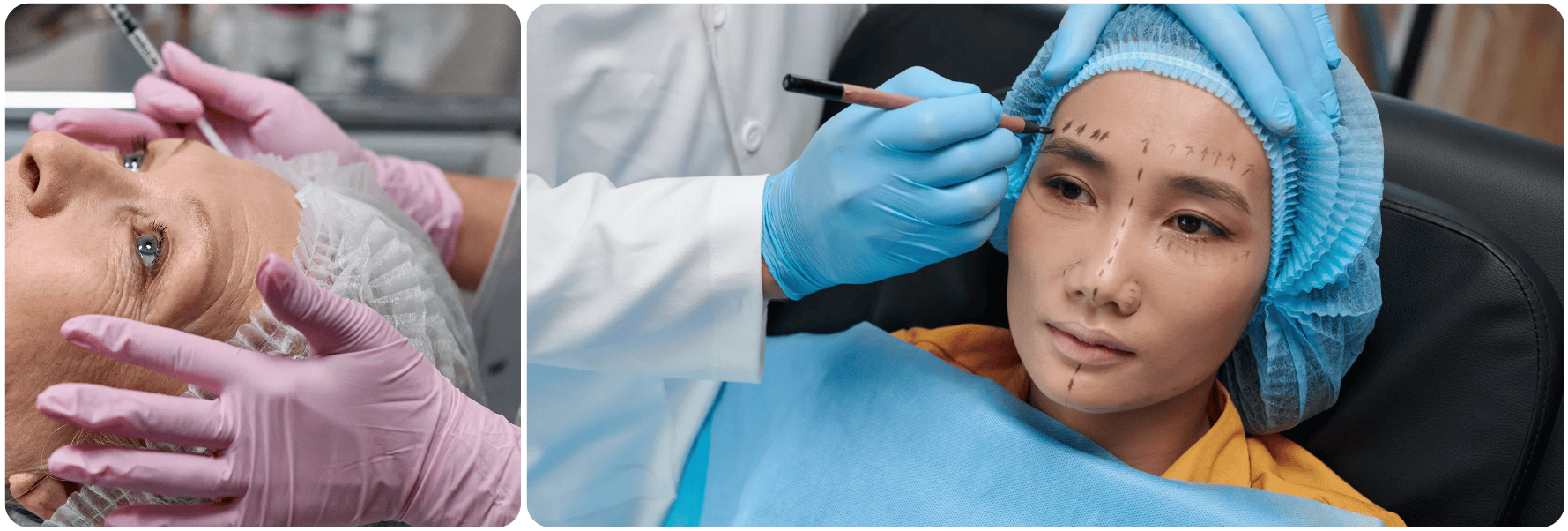
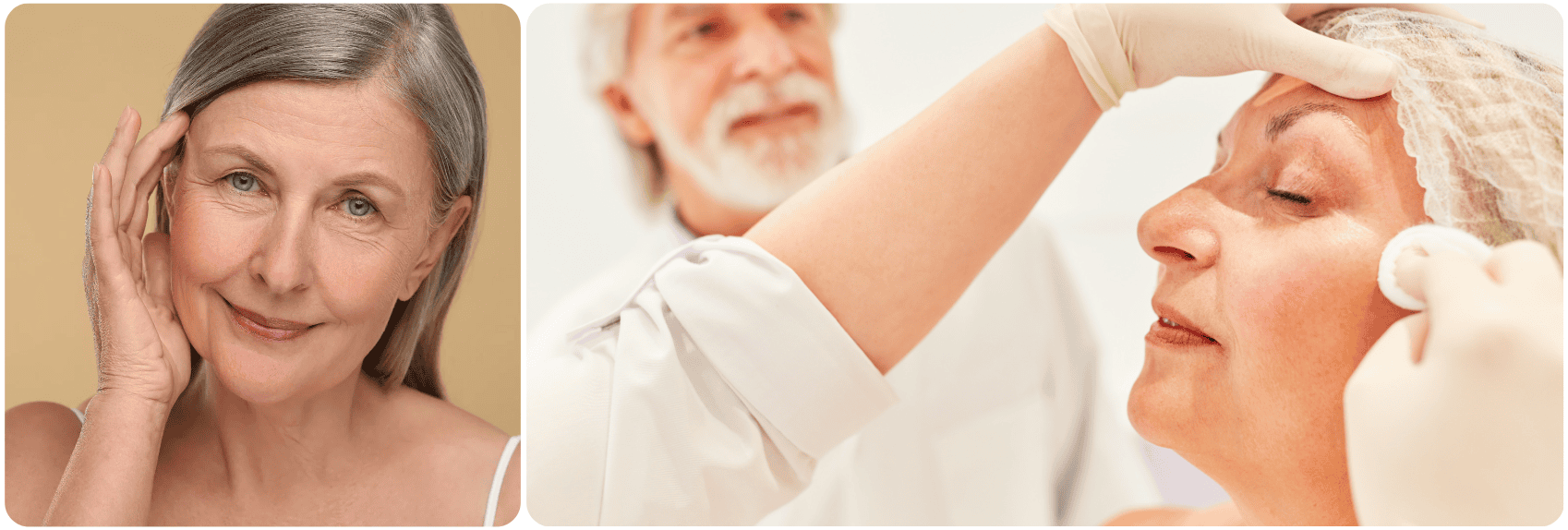
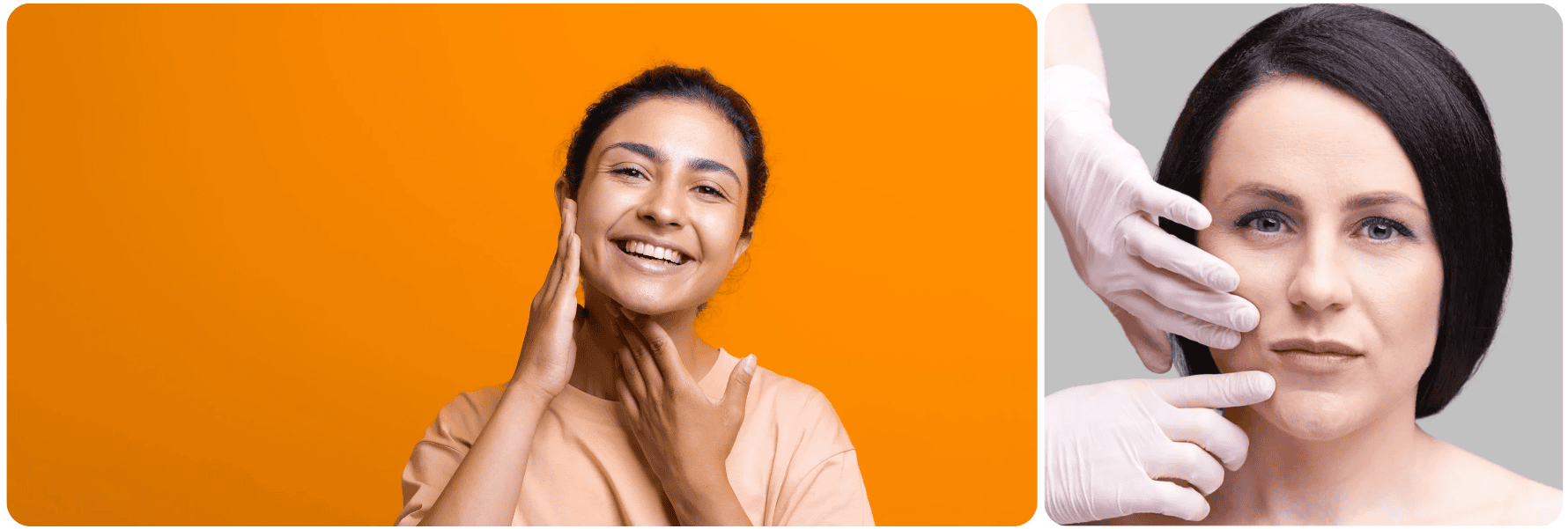
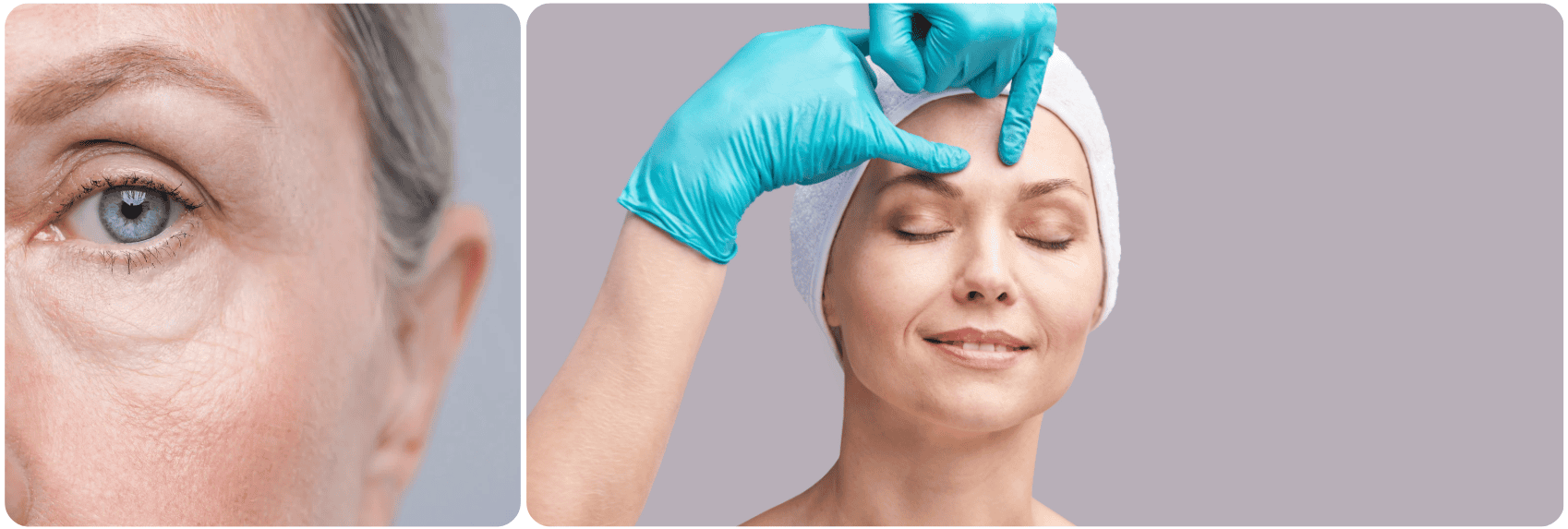
A mid-facelift, also known as a midface lift, is a surgical procedure designed to restore a youthful appearance to the middle section of the face, primarily targeting the cheeks, nasolabial folds (the lines running from the nose to the mouth), and lower eyelids. As we age, the skin in this area can begin to sag, causing a hollow or tired appearance, which can make individuals look older than they feel. The procedure is intended to lift and tighten the skin, reposition fat pads, and restore volume to the face, helping to smooth out deep lines and wrinkles, and rejuvenate the overall facial contour.
During the mid-facelift procedure, the surgeon typically makes small incisions, often placed in inconspicuous locations such as the hairline or inside the mouth. Through these incisions, the surgeon repositions the fat and soft tissue of the midface, lifting it to a more youthful position. In many cases, excess skin is also removed to further enhance the facial contours and reduce sagging. The procedure focuses primarily on the middle section of the face, meaning it provides a less invasive alternative to a full facelift while still achieving a noticeable improvement in facial appearance.
A mid-facelift, also known as a midface lift, is a surgical procedure designed to restore a youthful appearance to the middle section of the face, primarily targeting the cheeks, nasolabial folds (the lines running from the nose to the mouth), and lower eyelids.
A mid-facelift usually takes between one and two hours to complete, depending on the individual’s anatomy and the specific goals of the surgery. It can be performed under general anesthesia or local anesthesia with sedation, depending on the patient's preference and the extent of the procedure. The recovery time is generally shorter compared to a full facelift. After the surgery, patients may experience some swelling, bruising, and mild discomfort, but these symptoms typically subside within a week or two. Most patients can return to work or normal activities within 7 to 10 days, although they should avoid strenuous physical activities and direct sun exposure for several weeks to ensure proper healing.
The results of a mid-facelift can last between 5 and 10 years, although this can vary depending on factors such as age, skin type, genetics, and lifestyle. While the procedure does not stop the aging process, it helps to restore a more youthful and refreshed appearance, often with long-lasting effects. In addition to lifting sagging skin, the procedure can also improve facial symmetry, smooth out wrinkles, and enhance the overall balance of the face.
The results of a mid-facelift can last between 5 and 10 years, although this can vary depending on factors such as age, skin type, genetics, and lifestyle.
One of the primary benefits of a mid-facelift is that it targets the area that is often most affected by aging — the cheeks and mid-face — while still providing a natural and harmonious result. Unlike a full facelift, which involves lifting the entire face, a mid-facelift is focused on the middle portion, giving it a more subtle, yet impactful, rejuvenation. This makes it an excellent option for individuals who want to address moderate signs of aging without undergoing more extensive surgery.
Overall, a mid-facelift is a highly effective, minimally invasive surgical option for individuals looking to improve the appearance of their midface. It can restore youthful volume, tighten loose skin, and provide a smoother, more vibrant look. The procedure's relatively quick recovery time and lasting results make it an appealing choice for those seeking to rejuvenate their face without the need for a full facelift.
A mid-facelift is a popular cosmetic procedure that focuses on lifting and rejuvenating the middle portion of the face, which includes the cheeks, nasolabial folds (the lines running from the nose to the mouth), and the lower eyelids. As we age, the skin loses elasticity, causing sagging in the mid-face area, which can create a tired, aged appearance. The mid-facelift offers a solution by tightening the skin and underlying muscles, restoring volume and youthful contours to the face. Many people choose a mid-facelift because it provides a more natural and subtle improvement compared to a full facelift.
A mid-facelift is a popular cosmetic procedure that focuses on lifting and rejuvenating the middle portion of the face, which includes the cheeks, nasolabial folds (the lines running from the nose to the mouth), and the lower eyelids.
Unlike traditional facelifts, which focus on the entire face, a mid-facelift specifically addresses the middle section, making it ideal for individuals who are starting to notice signs of aging in the cheek and lower eyelid region. It can be a less invasive alternative to other facial surgeries, with a quicker recovery time and less scarring. Patients who want to improve facial definition and smooth out wrinkles and sagging in the middle of the face often find this procedure to be an excellent option, delivering noticeable results without the need for drastic changes.
Choosing a mid-facelift offers a range of aesthetic and practical advantages. Some of the key benefits include:
👉 Targeted rejuvenation of the cheeks and under-eye area
👉 Natural and subtle results that don’t drastically alter facial expressions
👉 Shorter recovery period compared to a full facelift
👉 Minimal scarring thanks to small, discreet incisions
👉 Long-lasting outcomes that can enhance facial harmony for years
👉 Boosted facial definition and improved contour around the midface
Overall, the mid-facelift gives patients a refreshed and youthful appearance without requiring an extensive surgical approach.
A mid-facelift is typically performed under general anesthesia or local anesthesia with sedation to ensure the patient is comfortable throughout the procedure. The surgeon makes small incisions, usually hidden in natural lines around the hairline or inside the mouth, to minimize visible scarring. Through these incisions, the surgeon lifts the skin and underlying tissues of the cheeks and mid-face to reposition them in a more youthful position.
The procedure may also involve tightening the muscles and removing excess fat to create a smoother, more lifted appearance. If necessary, fat grafting or fillers may be used to restore volume to the cheeks and surrounding areas.
A mid-facelift is typically performed under general anesthesia or local anesthesia with sedation to ensure the patient is comfortable throughout the procedure.
The incision sites are then closed with sutures, and the patient is typically monitored for a short time before being allowed to go home the same day. While the procedure itself usually takes 1 to 2 hours, the exact duration depends on the patient’s needs and the complexity of the surgery. Recovery time for a mid-facelift is typically shorter than that of a full facelift, with most patients experiencing some swelling, bruising, and discomfort for a few days. Full recovery is usually achieved within 1 to 2 weeks.
There are several surgical techniques used to perform a mid-facelift, and the choice depends on each patient’s facial anatomy and desired outcome. Surgeons may use either an endoscopic approach, where tiny cameras are inserted through minimal incisions, or a traditional method with slightly longer cuts for greater tissue access.
The endoscopic technique is less invasive and allows for precise lifting of facial tissues with minimal scarring. On the other hand, the traditional approach offers a broader field of view, which can be advantageous for patients with more advanced sagging. In some cases, surgeons may combine mid-facelift surgery with fat grafting or eyelid surgery to enhance results further. Whichever method is used, the primary goal remains the same — to restore youthful contours to the midface with natural-looking balance and symmetry.
The primary benefit of a mid-facelift is its ability to address the specific signs of aging in the middle portion of the face. By lifting the cheeks and reducing the appearance of nasolabial folds, this procedure restores a youthful, rejuvenated appearance to the face without the need for a full facelift. For many patients, a mid-facelift provides a more subtle, natural-looking improvement compared to more extensive facial surgeries. One of the key advantages is that the procedure focuses on the area that is most affected by aging, offering a refreshed look without altering the entire facial structure.
The primary benefit of a mid-facelift is its ability to address the specific signs of aging in the middle portion of the face.
The mid-facelift is also a less invasive option than a traditional facelift, with smaller incisions, reduced scarring, and a quicker recovery time. Patients can expect improved facial contour, enhanced cheek definition, and a smoother, firmer appearance around the lower eyelids and mouth. Another significant benefit is that the results can last for several years, making the procedure a long-term solution for aging concerns in the mid-face area. Overall, a mid-facelift is a highly effective option for those seeking a more youthful and refreshed appearance, with minimal downtime and subtle, natural results.
Not everyone is an ideal candidate for a mid-facelift. This procedure is best suited for individuals who experience sagging or volume loss in the cheeks and under-eye area but still have good skin elasticity in other regions of the face. People in their late 30s to 50s often benefit most from this surgery, as it can effectively target early to moderate signs of aging without the need for a full facelift. Candidates should be in good overall health, non-smokers, and have realistic expectations about the results. A detailed consultation with a qualified plastic surgeon helps determine whether a mid-facelift is the most appropriate option or if alternative treatments might be better suited. The goal is to create natural, refreshed results that enhance your unique facial structure rather than completely change it.
Recovery after a mid-facelift varies from person to person, but most patients experience a relatively smooth healing process. The first few days typically involve mild swelling and bruising, which gradually diminishes within one to two weeks. Many patients can return to work and light activities after just 7 to 10 days. Full recovery, including the fading of minor bruises and the settling of tissues, can take several weeks. To speed up the healing process, it’s crucial to follow post-operative instructions carefully, such as keeping the head elevated and avoiding heavy exercise. Final results usually become visible within two to three months, once the swelling completely subsides and the skin adjusts to its new position.
While both procedures aim to reverse signs of aging, the mid-facelift and full facelift differ significantly in scope and intensity. A mid-facelift focuses only on the central part of the face — particularly the cheeks and lower eyelids — while a full facelift targets the entire face, including the jawline and neck. Because of this, the mid-facelift tends to involve smaller incisions, shorter recovery times, and less swelling. It’s ideal for people who notice early sagging in the midface but don’t require more extensive rejuvenation. Conversely, a full facelift may be more appropriate for those with significant skin laxity across multiple facial areas. Understanding the difference helps patients choose the most suitable option for their unique aging concerns.
Many patients choose to combine their mid-facelift with complementary cosmetic procedures to enhance overall results. Common combination treatments include:
👉 Eyelid surgery (blepharoplasty) to reduce puffiness and drooping
👉 Fat transfer or dermal fillers to restore lost volume
👉 Brow lift to rejuvenate the upper part of the face
👉 Skin resurfacing treatments like laser therapy or chemical peels to improve texture and tone
👉 Neck tightening for a more balanced rejuvenation effect
Combining treatments allows surgeons to address multiple aging concerns in one session, creating a more harmonious and youthful look overall.
The results of a mid-facelift are long-lasting, often maintaining a rejuvenated appearance for 5 to 10 years. However, the longevity of the outcome depends on factors like skin quality, genetics, lifestyle, and aftercare. Patients who follow a healthy skincare routine and protect their skin from excessive sun exposure often enjoy results that last toward the higher end of this range. Avoiding smoking and maintaining a stable weight also contribute to prolonged improvements. While the procedure cannot stop the natural aging process, it effectively sets back the clock, giving the face a refreshed, more youthful foundation that ages gracefully over time.
Before undergoing a mid-facelift, patients should prepare by attending a thorough consultation with their surgeon. During this meeting, the doctor will evaluate facial structure, discuss personal goals, and recommend the most suitable technique. Patients may be asked to stop smoking, avoid certain medications, and maintain a healthy diet in the weeks leading up to surgery. Pre-surgical instructions often include:
👉 Arranging transportation home after the procedure
👉 Avoiding alcohol and blood-thinning drugs
👉 Keeping the skin clean and makeup-free before surgery
👉 Following fasting guidelines if general anesthesia is planned
Proper preparation not only ensures safety but also helps achieve smoother, more predictable results.
As with any surgical procedure, a mid-facelift carries some potential risks, though complications are rare when performed by an experienced surgeon. Possible side effects include temporary bruising, swelling, numbness, or mild asymmetry. In rare cases, infection or hematoma may occur, but these issues are usually manageable with prompt medical care.
Patients can minimize risks by following post-operative instructions, attending follow-up appointments, and choosing a qualified plastic surgeon. The majority of individuals recover without complications and are highly satisfied with their natural-looking results.
Anesthesia plays a crucial role in ensuring comfort during a mid-facelift procedure. Depending on the patient’s preferences and the complexity of the surgery, the operation may be performed under local anesthesia with sedation or general anesthesia. Local anesthesia allows for quicker recovery and reduced side effects, while general anesthesia provides complete relaxation throughout the surgery. The anesthesiologist carefully monitors vital signs to maintain safety and comfort. Discussing anesthesia options during consultation helps patients feel more confident and informed before surgery.
Maintaining the results of a mid-facelift requires proper skincare and a healthy lifestyle. Patients should adopt a consistent routine that includes:
👉 Daily use of sunscreen to protect the skin from UV damage
👉 Staying hydrated and eating nutrient-rich foods
👉 Regular moisturizing to preserve elasticity
👉 Avoiding smoking and excessive alcohol consumption
👉 Periodic touch-up treatments such as fillers or laser therapy if desired
By following these guidelines, patients can prolong the youthful effects of their mid-facelift and keep their skin glowing for years to come.
Selecting a qualified and experienced surgeon is one of the most important steps in achieving successful mid-facelift results. Patients should look for board-certified professionals who specialize in facial procedures and have extensive experience with midface rejuvenation techniques. It’s also important to review before-and-after photos, check patient testimonials, and ask about surgical approaches during the consultation.
A skilled surgeon tailors each procedure to the patient’s unique features, ensuring balanced, natural results. Investing time in choosing the right expert can make all the difference between a satisfactory outcome and an outstanding transformation.
The cost of a mid-facelift can vary based on factors such as the surgeon’s expertise, geographic location, and whether additional treatments are included. In general, it’s more affordable than a full facelift due to its targeted nature and shorter surgical time. Patients should also consider associated expenses like anesthesia, facility fees, and aftercare products. While pricing is an important factor, it’s essential to prioritize quality and safety over cost alone. Choosing an experienced surgeon and a reputable clinic ensures that the investment leads to beautiful, long-lasting results.
Proper aftercare plays a key role in achieving the best results after a mid-facelift. Patients should carefully follow their surgeon’s instructions, including:
👉 Keeping the head elevated while resting or sleeping
👉 Applying cold compresses to reduce swelling
👉 Taking prescribed medications to manage discomfort
👉 Avoiding strenuous exercise and direct sunlight for several weeks
👉 Attending all follow-up appointments for professional monitoring
By adhering to these care tips, patients can support healing, minimize risks, and enjoy smooth, natural-looking results from their mid-facelift.
During your consultation, you will discuss your wishes, medical history, and expectations with the doctor. The doctor will examine you, take measurements if necessary, and explain which treatment suits you best, including risks and recovery. You will have the opportunity to ask questions and then receive a clear treatment proposal.
Make sure you have all relevant medical information ready, such as previous treatments, allergies, or medical conditions. This allows the doctor to give you better advice.
Payment is made securely via SurgeryBooking. You pay the amount in advance to SurgeryBooking. We hold the funds and transfer them to the clinic after your treatment. Cancellation or change conditions vary per clinic and are clearly communicated in advance.
During the consultation (online or at the clinic), the doctor will assess this based on your health, expectations, and physical characteristics. You will discuss what you want, what is possible, and what the limitations are. Sometimes there are alternatives if the chosen treatment is not ideal.
Through SurgeryBooking.com, you can quickly and easily book a consultation or procedure with doctors and clinics worldwide. SurgeryBooking.com provides an overview of doctors and clinics, allowing you to make an informed and transparent choice when booking a consultation or procedure.
You can easily book through the profile of the desired clinic or doctor. Select the desired treatment, enter your details, and choose an available date and time. If there are any costs involved, you will complete the payment first. Afterwards, you will receive a confirmation email with all the details.
Yes, during the booking process, you can indicate whether you prefer an online consultation or an in-person consultation at the clinic.
With SurgeryBooking.com, you gain access to a global network of doctors and clinics. Through SurgeryBooking.com, you can easily book a consultation or a cosmetic procedure directly. Clinic profiles provide information about available cosmetic procedures, reviews, photos of the clinic, and other relevant details. This enables you to compare costs and make an informed decision when booking a consultation or procedure.