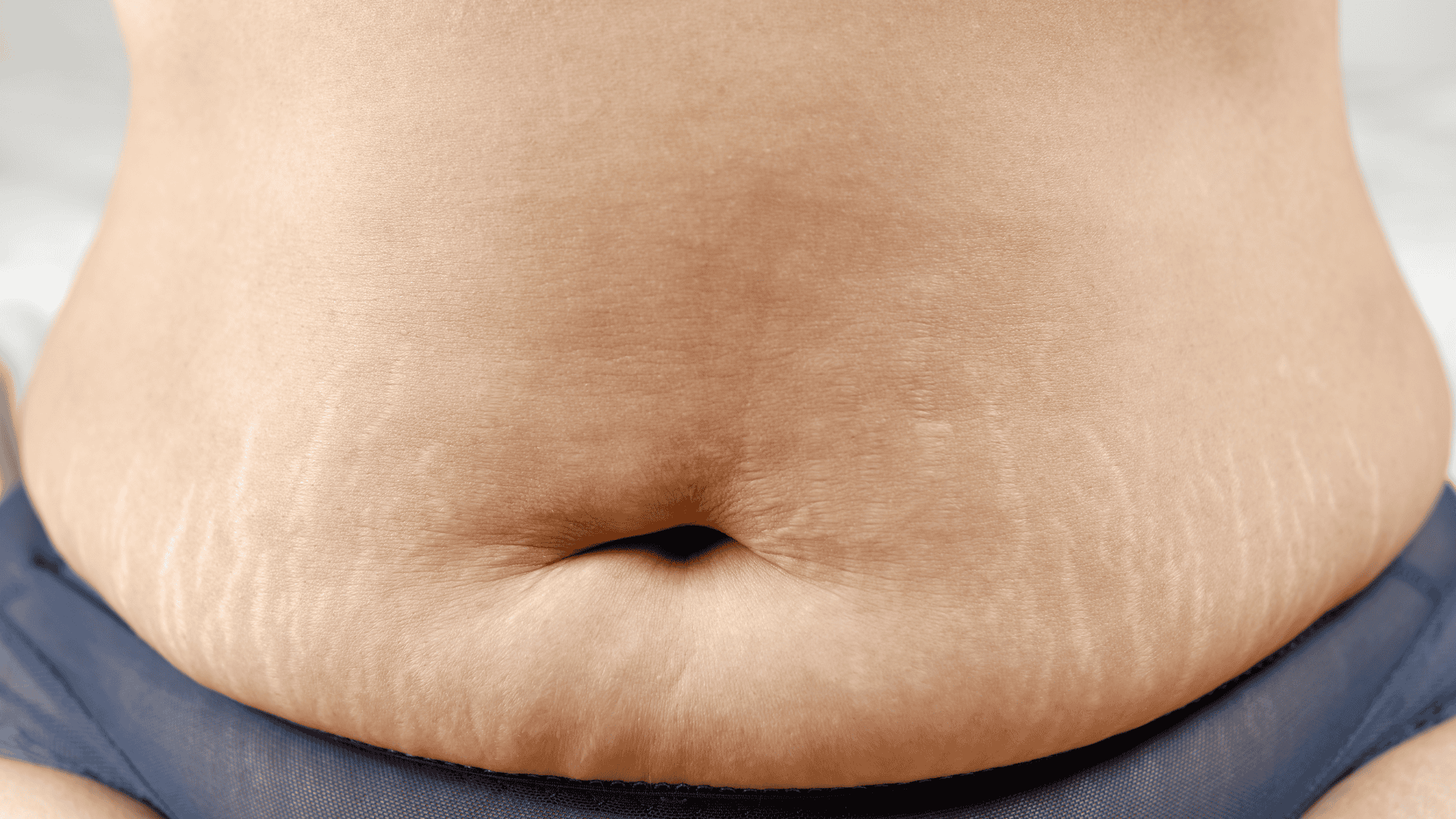
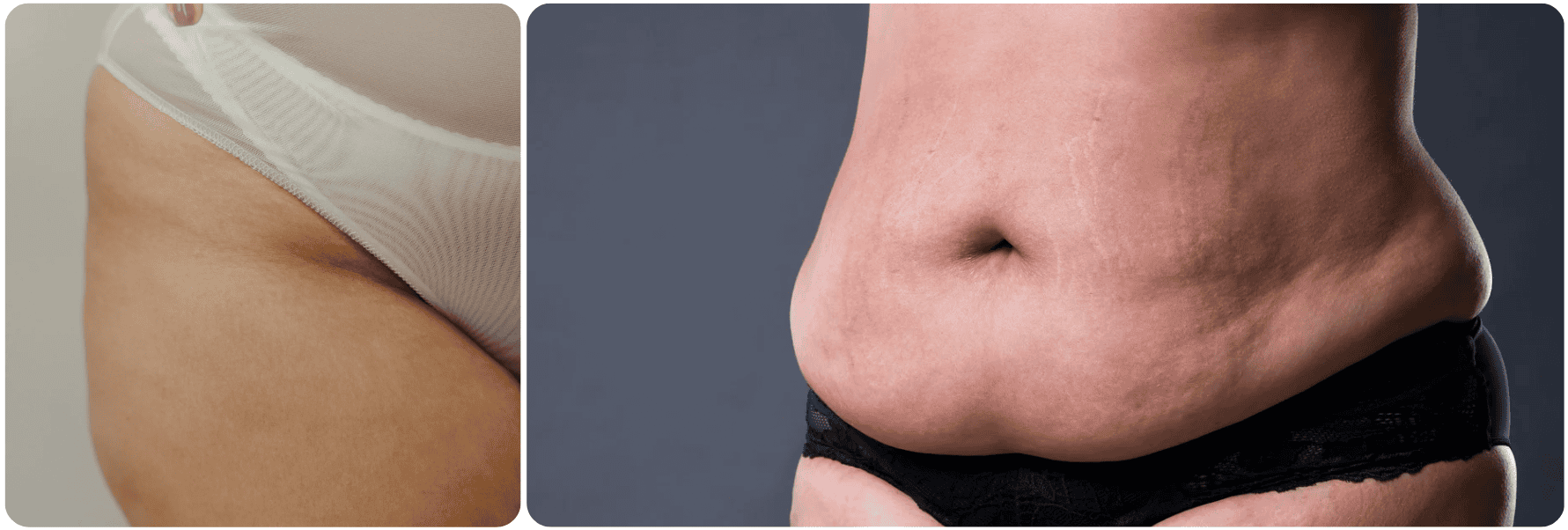
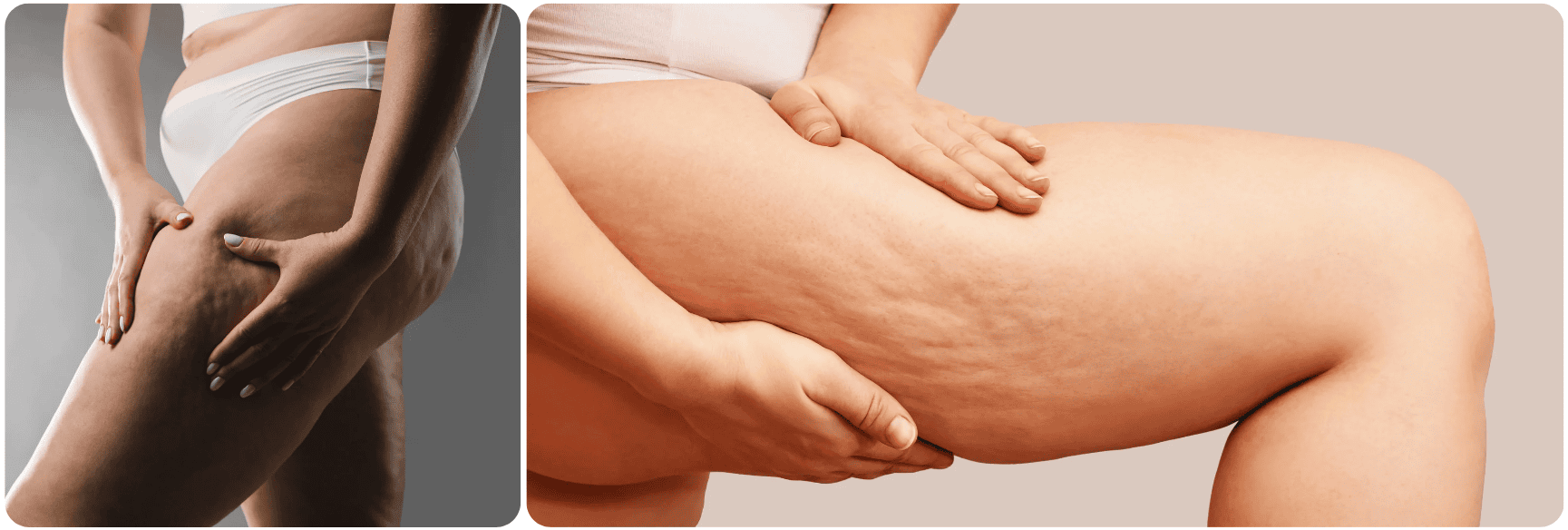
Microneedling for stretch marks is a popular and effective treatment designed to reduce the appearance of these skin imperfections. Stretch marks, also known as striae distensae, often occur due to rapid changes in the body, such as during pregnancy, weight gain or loss, or adolescent growth spurts. These changes can lead to scars that are sometimes difficult to treat.
In a microneedling procedure, a specialized device equipped with tiny, sterile needles is used to create thousands of micro-injuries in the upper layers of the skin. This process stimulates the body’s natural healing response and promotes the production of collagen and elastin, two essential proteins responsible for skin elasticity and firmness. By enhancing these skin components, microneedling can help regenerate the skin, improving the texture and appearance of stretch marks.
Microneedling for stretch marks is a popular and effective treatment designed to reduce the appearance of these skin imperfections.
The treatment typically lasts between 30 minutes to an hour, depending on the area being treated. To achieve optimal results, multiple sessions may be necessary, spaced a few weeks apart. After the procedure, patients may experience some redness and swelling, similar to a mild sunburn, but these symptoms generally subside within a few days.
Microneedling is considered safe for most skin types and can be applied to both the body and face. It is crucial to have the treatment performed by a qualified professional to ensure the best results and minimize the risk of complications. Post-treatment care often includes keeping the skin well-hydrated and using sunscreen to prevent further damage and pigmentation.
Many individuals who undergo microneedling for stretch marks report noticeable improvements in their skin's texture and overall appearance. Although the treatment does not provide immediate results, the effects are cumulative, leading to healthier, more radiant skin over time.
Microneedling for stretch marks is a minimally invasive cosmetic procedure that involves using a device with fine needles to create tiny punctures in the skin. These micro-injuries stimulate the skin's natural healing process, promoting the production of collagen and elastin, which are essential for skin repair and rejuvenation. When used to treat stretch marks, microneedling helps to improve the texture, tone, and elasticity of the skin, reducing the appearance of these scars.
Microneedling for stretch marks is a minimally invasive cosmetic procedure that involves using a device with fine needles to create tiny punctures in the skin.
Stretch marks are caused by rapid stretching of the skin, which can lead to the breakdown of collagen and elastin fibers. By encouraging the skin to produce new collagen, microneedling helps to fill in and smooth out the damaged areas, making the stretch marks less noticeable. This treatment is effective for both old and new stretch marks and can be used on various parts of the body, including the abdomen, thighs, and hips.
Microneedling for stretch marks begins with a consultation to assess the severity of the stretch marks and determine the most appropriate treatment plan. Before the procedure, a topical numbing cream is applied to the treatment area to minimize discomfort. Once the skin is numbed, a microneedling device, which contains multiple fine needles, is gently moved across the skin in a controlled manner.
Microneedling for stretch marks begins with a consultation to assess the severity of the stretch marks and determine the most appropriate treatment plan.
The needles create tiny punctures in the skin's surface, which stimulates the body's natural healing response. As the skin heals, collagen and elastin production are increased, leading to smoother, firmer skin. The procedure typically takes 30 to 60 minutes, depending on the size of the treatment area. After the treatment, the skin may appear red and slightly swollen, similar to a mild sunburn, but this usually subsides within a few hours to a few days. Patients may need multiple sessions, spaced a few weeks apart, to achieve the desired results.
For enhanced results, microneedling for stretch marks can be combined with specialized topical treatments. After the procedure, the micro-channels created in the skin allow active ingredients to penetrate more deeply. Popular options include hyaluronic acid, peptides, and growth factor serums. This combination helps accelerate collagen synthesis and improve skin hydration. Many practitioners recommend this approach to achieve faster and more noticeable improvements in skin texture and elasticity, especially for older or deeper stretch marks.
The main benefit of microneedling for stretch marks is its ability to reduce the visibility of stretch marks by stimulating the production of collagen and elastin, which helps to improve the texture and appearance of the skin. This treatment is particularly effective for individuals with moderate to severe stretch marks, as it helps to smooth out the skin and make the scars less noticeable. Microneedling is also a safe and minimally invasive procedure with minimal downtime, allowing patients to return to their normal activities relatively quickly. The treatment can be used on various parts of the body, including sensitive areas like the abdomen, thighs, and breasts, making it a versatile option for stretch mark treatment.
Additionally, microneedling can improve overall skin tone and texture, leaving the skin looking healthier and more youthful. While multiple sessions are often needed for optimal results, the benefits of microneedling for stretch marks are long-lasting, with improvements continuing over time as collagen production increases.
One common question among individuals considering microneedling for stretch marks is how long it will take to see results. While the effects of microneedling are gradual, many patients begin to notice improvements in skin texture and the appearance of stretch marks within a few weeks of their first session. The production of collagen and elastin takes time, so optimal results usually appear after several treatments.
It’s important to have realistic expectations and understand that microneedling is not an instant solution, but rather a cumulative process that works over time. Typically, it may take 3 to 6 months to see the full benefits, depending on the severity of the stretch marks and the number of sessions required.
The frequency of microneedling for stretch marks depends on the individual’s skin type and the severity of the marks. Most practitioners recommend sessions every 4 to 6 weeks. This interval allows the skin to recover while continuing collagen production. Over-treating or performing sessions too close together may increase irritation without improving results. Following a structured schedule ensures that each session builds upon the previous one, maximizing improvements over time.
While microneedling for stretch marks is generally considered safe, there are some potential side effects that patients should be aware of. The most common side effects are redness, swelling, and slight bruising at the treatment site. These symptoms are usually temporary and subside within a few days. In rare cases, patients may experience more severe reactions, such as infection, scarring, or pigmentation changes. To minimize these risks, it's crucial to choose a qualified and experienced professional to perform the procedure.
Following aftercare instructions, such as avoiding sun exposure and keeping the skin hydrated, can also help prevent complications and promote optimal healing.
There are several treatments available for stretch marks, and it’s important to understand how microneedling compares to other options. Unlike laser treatments, which use light to target skin layers, microneedling physically stimulates the skin’s repair process by promoting collagen production.
There are several treatments available for stretch marks, and it’s important to understand how microneedling compares to other options.
While lasers may be effective for some individuals, microneedling tends to be less invasive and involves little to no downtime, making it a preferred option for those seeking a non-surgical treatment. Topical creams, such as retinoids, can also be used for stretch marks, but they typically require long-term use to show results and may not be as effective for deeper or more stubborn scars. Microneedling offers a balanced approach, providing significant improvements with minimal recovery time.
The cost of microneedling for stretch marks varies depending on several factors, including the location of the clinic, the expertise of the practitioner, and the number of sessions required. On average, each session can range from $100 to $700, with most patients needing between 3 to 6 treatments to achieve optimal results. While the initial cost may seem high, many individuals find the long-term benefits—such as smoother, firmer skin and the reduction of stretch marks—worth the investment.
It’s essential to discuss pricing with your practitioner during the consultation and inquire about any package deals or discounts for multiple sessions to make the treatment more affordable.
Microneedling for stretch marks is suitable for individuals with sensitive skin types, including those prone to irritation or redness. The procedure uses fine needles that create controlled micro-injuries, minimizing trauma to the skin. Unlike aggressive chemical peels or laser treatments, microneedling is gentle yet effective.
Patients with sensitive areas like the inner thighs or underarms can safely benefit from the procedure. Choosing a qualified professional ensures that needle depth and pressure are adjusted according to skin tolerance, reducing the risk of adverse reactions while promoting collagen production.
Needle length plays a crucial role in microneedling for stretch marks. Shorter needles are often used for superficial marks, providing subtle improvements with minimal discomfort. Longer needles penetrate deeper into the dermis, stimulating stronger collagen production for pronounced or older stretch marks.
The practitioner adjusts the needle depth based on the area being treated and the severity of the marks. Selecting the correct needle length ensures effective results while minimizing the risk of injury or scarring.
Many individuals wonder about at-home microneedling devices compared to professional treatments.
Professional devices are more precise and sterile.
Home tools generally have shorter needles and limited depth control.
Clinic treatments include a thorough skin assessment and post-care instructions.
Professionals can combine microneedling with serums for better absorption.
While at-home devices may provide mild improvements, professional microneedling for stretch marks remains the most effective and safe approach for significant results.
Proper skin hydration is essential before and after microneedling for stretch marks. Hydrated skin heals more efficiently and responds better to treatment. Moisturizers and serums applied post-procedure can enhance collagen production and maintain elasticity. Drinking plenty of water also supports overall skin health.
Well-hydrated skin reduces the risk of irritation, flaking, and prolonged redness, helping patients achieve smoother and firmer skin faster.
Microneedling for stretch marks is often referred to as collagen induction therapy (CIT). This therapy works by signaling the skin to produce new collagen and elastin fibers, replacing damaged tissue. As collagen levels increase, the skin becomes firmer, smoother, and more elastic. CIT can also improve skin tone and reduce irregularities in texture, making it particularly effective for both red and white stretch marks. Patients notice gradual improvements after several sessions as collagen remodeling continues beneath the skin’s surface.
Radiofrequency treatments are another option for stretch mark reduction, but microneedling offers distinct advantages. Microneedling physically stimulates collagen through micro-injuries, while radiofrequency uses heat energy. Microneedling can be precisely adjusted for needle depth, making it effective for delicate or sensitive areas. Additionally, microneedling generally involves less discomfort and downtime. For patients looking for a non-invasive, controlled approach to stretch mark improvement, microneedling remains a popular choice.
Radiofrequency treatments are another option for stretch mark reduction, but microneedling offers distinct advantages.
Microneedling for stretch marks not only reduces their appearance but also helps blend the scars with surrounding skin. By encouraging collagen production in both affected and adjacent areas, the treatment minimizes contrast between stretch marks and healthy skin. Over time, this leads to a more uniform skin texture. Scar blending is particularly beneficial for older stretch marks that have lost pigmentation or elasticity.
One of the benefits of microneedling for stretch marks is the potential to increase skin thickness in treated areas. Stretch marks often occur when the dermis becomes thin and stretched. By stimulating collagen and elastin synthesis, microneedling reinforces the skin structure. Increased thickness not only improves appearance but also enhances the skin’s resilience against future stretching or injury.
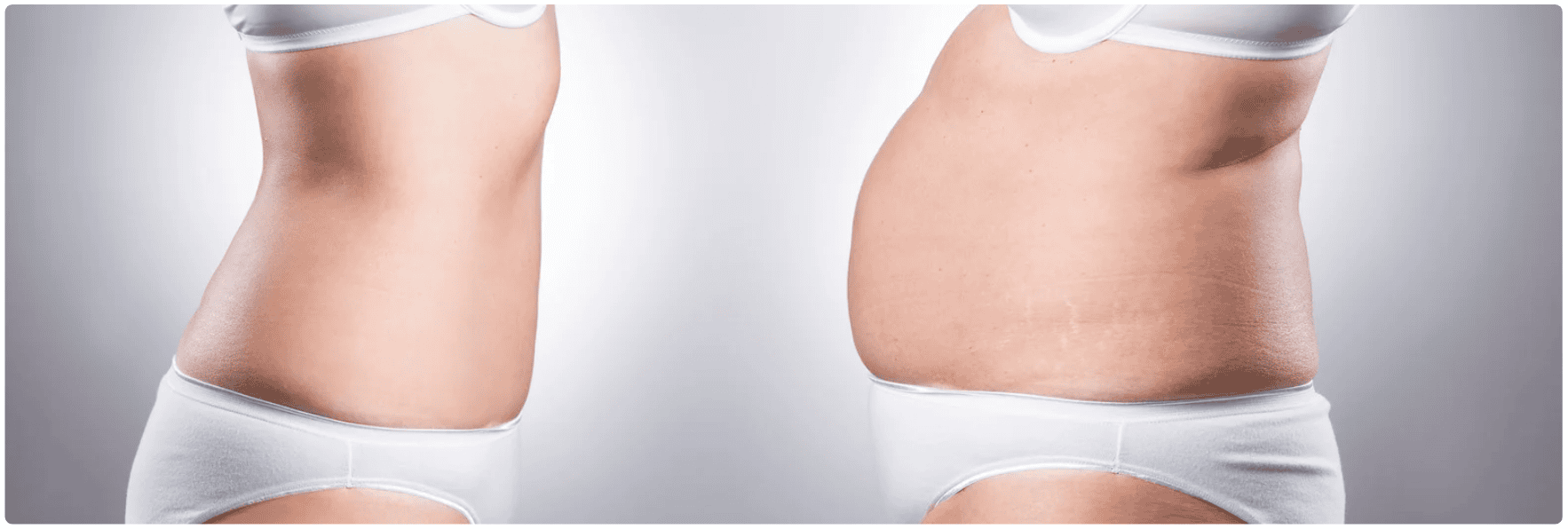
Microneedling for stretch marks is effective for individuals who have experienced significant weight changes. Rapid weight gain or loss can lead to stretch mark formation, and microneedling can help restore skin elasticity in these areas. Gradual sessions over several months allow for the rebuilding of collagen networks, improving firmness and smoothing uneven skin surfaces. Combining microneedling with a healthy skincare routine further supports long-term improvements.
Microneedling can be combined with other cosmetic treatments for enhanced stretch mark reduction. Options include:
PRP (platelet-rich plasma) therapy to accelerate healing
Vitamin C serums for skin brightening
Hyaluronic acid for hydration and plumping
Mild chemical peels for improved skin texture
Combination therapies are customized according to the patient’s skin needs and stretch mark severity, leading to more comprehensive results than microneedling alone.
During your consultation, you will discuss your wishes, medical history, and expectations with the doctor. The doctor will examine you, take measurements if necessary, and explain which treatment suits you best, including risks and recovery. You will have the opportunity to ask questions and then receive a clear treatment proposal.
Make sure you have all relevant medical information ready, such as previous treatments, allergies, or medical conditions. This allows the doctor to give you better advice.
Payment is made securely via SurgeryBooking. You pay the amount in advance to SurgeryBooking. We hold the funds and transfer them to the clinic after your treatment. Cancellation or change conditions vary per clinic and are clearly communicated in advance.
During the consultation (online or at the clinic), the doctor will assess this based on your health, expectations, and physical characteristics. You will discuss what you want, what is possible, and what the limitations are. Sometimes there are alternatives if the chosen treatment is not ideal.
Through SurgeryBooking.com, you can quickly and easily book a consultation or procedure with doctors and clinics worldwide. SurgeryBooking.com provides an overview of doctors and clinics, allowing you to make an informed and transparent choice when booking a consultation or procedure.
You can easily book through the profile of the desired clinic or doctor. Select the desired treatment, enter your details, and choose an available date and time. If there are any costs involved, you will complete the payment first. Afterwards, you will receive a confirmation email with all the details.
Yes, during the booking process, you can indicate whether you prefer an online consultation or an in-person consultation at the clinic.
With SurgeryBooking.com, you gain access to a global network of doctors and clinics. Through SurgeryBooking.com, you can easily book a consultation or a cosmetic procedure directly. Clinic profiles provide information about available cosmetic procedures, reviews, photos of the clinic, and other relevant details. This enables you to compare costs and make an informed decision when booking a consultation or procedure.