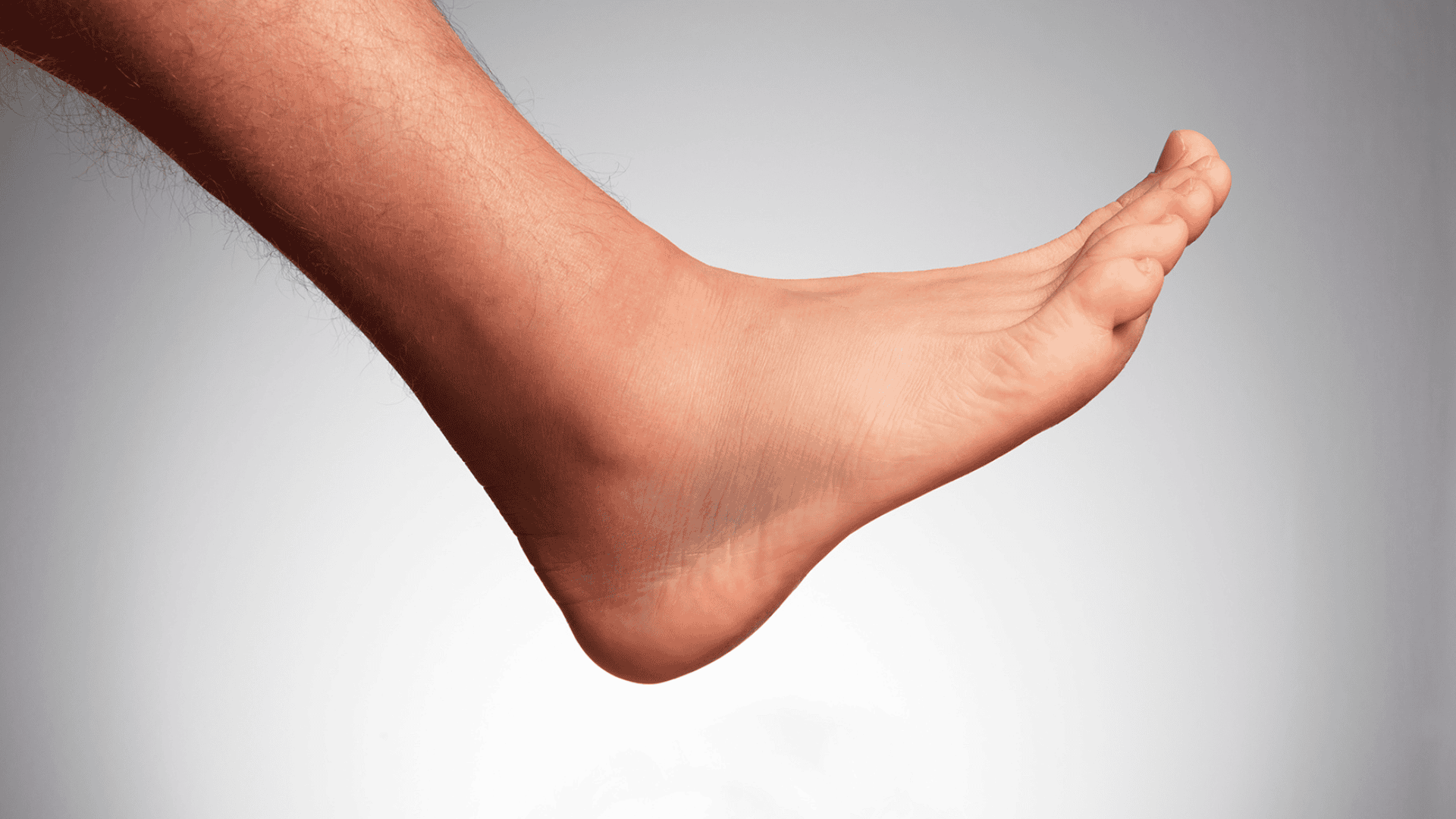
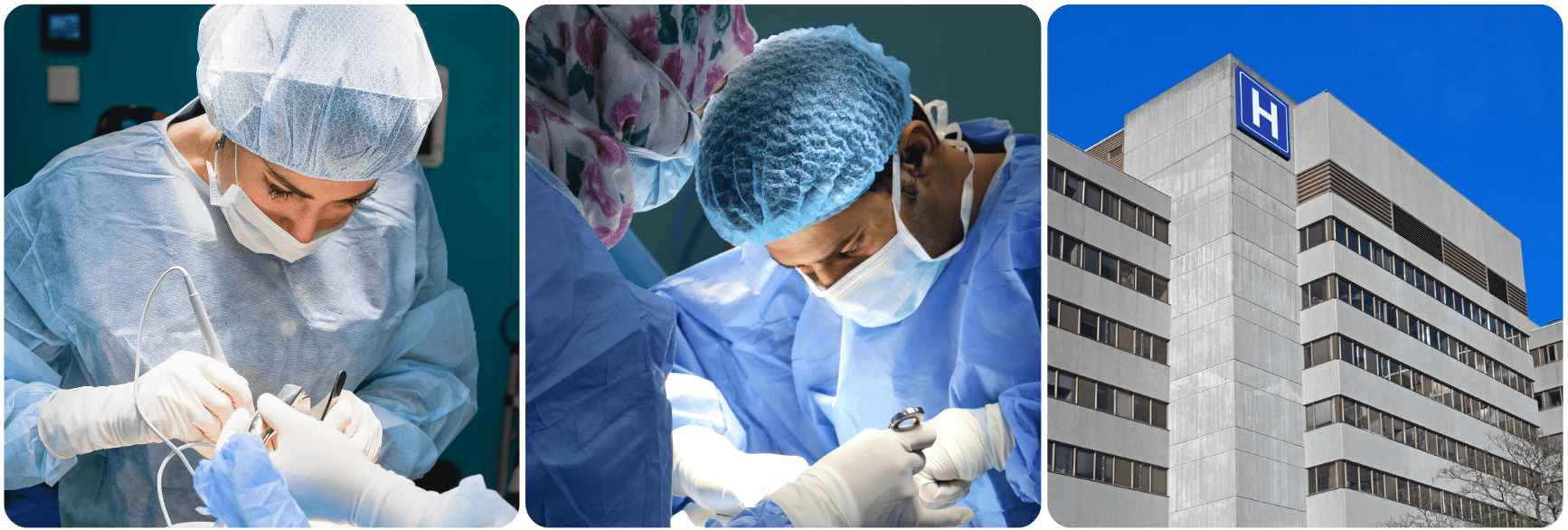
Metatarsalgia correction is a surgical procedure aimed at relieving pain in the ball of the foot, commonly caused by metatarsalgia. Metatarsalgia is a condition where the foot experiences pain and discomfort, typically around the metatarsal bones (the long bones in the middle of the foot). This pain often results from excessive pressure, poor foot mechanics, or structural abnormalities such as hammertoes or bunions. Symptoms include sharp or burning pain in the forefoot, particularly when walking or standing for extended periods.
The goal of metatarsalgia correction is to address the underlying causes of this pain. The procedure may involve realigning the bones, removing any thickened tissue, or adjusting the position of the metatarsals to redistribute pressure more evenly across the foot. Various surgical techniques are used depending on the severity and cause of the condition.
Metatarsalgia correction is a surgical procedure aimed at relieving pain in the ball of the foot, commonly caused by metatarsalgia.
Typically, the surgery is performed under local anesthesia or general anesthesia, depending on the complexity of the procedure. Post-operative recovery involves a period of rest and limited weight-bearing on the foot, often with the use of special footwear or a cast to protect the foot during healing. Recovery time can vary depending on the extent of the surgery, but many patients are able to resume normal activities within a few weeks to months.
The outcomes of metatarsalgia correction are generally positive, with most patients experiencing a significant reduction in pain and an improvement in foot function. This can restore mobility and improve quality of life for individuals who have struggled with chronic metatarsal pain. However, as with any surgery, the success of the procedure depends on the patient’s specific condition and the surgical approach used.
Metatarsalgia correction can provide effective relief for those suffering from chronic pain in the forefoot, helping to restore normal walking patterns and comfort. It is essential to consult with a specialist to determine the most appropriate treatment based on individual needs.
Metatarsalgia is a painful condition that affects the ball of the foot, typically causing sharp, burning pain and discomfort in the metatarsal region, often under the second, third, or fourth toes. It can be caused by a variety of factors, including ill-fitting footwear, overuse, high-impact activities, structural abnormalities, or underlying conditions such as arthritis or Morton’s neuroma.
For many people, metatarsalgia makes everyday activities like walking, standing, or exercising increasingly difficult due to the intense pressure and pain in the forefoot. While conservative treatments such as changing footwear, using orthotics, or resting may provide relief, they are not always effective for long-term pain management.
For those with persistent or worsening symptoms, metatarsalgia correction surgery may be necessary to address the underlying causes of the condition. This procedure can provide long-term relief from pain, restore foot function, and prevent future complications. Correcting metatarsalgia through surgery can also improve the alignment of the toes and metatarsals, which can reduce the pressure on the ball of the foot, providing a more comfortable walking experience.
Depending on the patient’s specific condition and anatomy, there are several surgical techniques used in metatarsalgia correction. Each technique aims to reduce the pressure on the forefoot while maintaining the natural structure of the metatarsals. Some of the most common techniques include:
👉 Osteotomy, which involves cutting and realigning the metatarsal bones to correct uneven weight distribution.
👉 Weil osteotomy, a minimally invasive version that shortens the metatarsal slightly to relieve pressure.
👉 Soft tissue release, used when tight ligaments or tendons are pulling the toe downward.
👉 Nerve decompression, performed when a trapped nerve contributes to chronic pain.
By selecting the most appropriate technique, surgeons can customize the procedure to each patient’s foot anatomy, ensuring a balance between pain relief and natural mobility.
Metatarsalgia correction surgery is typically performed when conservative treatments fail to alleviate pain or when the condition significantly impacts the individual’s quality of life. The procedure begins with a thorough evaluation of the foot to identify the root cause of the metatarsalgia, such as misalignment of the metatarsals, a bunion, or other structural abnormalities.
Once the cause is determined, the surgical approach will be tailored to the patient's specific needs. In some cases, the surgery may involve the realignment of the metatarsals through osteotomy, where a section of the bone is cut and repositioned to correct its alignment. This helps to redistribute pressure more evenly across the foot, reducing pain in the ball of the foot.
Metatarsalgia correction surgery is typically performed when conservative treatments fail to alleviate pain or when the condition significantly impacts the individual’s quality of life.
For individuals with a Morton’s neuroma, the surgeon may remove the nerve that is causing pain. In more severe cases, joint fusion or other reconstructive procedures may be necessary to address damaged tissues and joints. The surgery is usually performed under local or general anesthesia and can take one to two hours, depending on the complexity. After the procedure, the patient will need to wear a special boot or cast for several weeks to protect the foot while it heals. Recovery typically involves limited weight-bearing for a few weeks, with most patients returning to regular activities within two to three months, though full recovery may take up to six months.
Selecting the right clinic or surgeon for metatarsalgia correction is one of the most critical steps in ensuring a successful outcome. Patients should research clinics that specialize in orthopedic or podiatric surgery with proven experience in forefoot procedures. When evaluating options, consider:
👉 The surgeon’s credentials and specialization in foot surgery.
👉 Availability of advanced imaging and diagnostic equipment.
👉 Transparent communication regarding procedure details and recovery.
👉 Patient reviews and before-and-after results when available.
A trustworthy clinic will always provide a comprehensive consultation and ensure that the patient understands all aspects of the treatment. Making an informed choice can greatly increase satisfaction and long-term success.
While metatarsalgia correction surgery is generally safe and effective, it’s important to understand that every surgical procedure carries certain risks. Possible complications may include infection, stiffness, delayed bone healing, or persistent pain in rare cases. To minimize these risks, patients should follow all pre-operative and post-operative instructions carefully.
Factors such as smoking, poor circulation, or uncontrolled diabetes can affect healing and must be discussed with the surgeon beforehand. In most cases, these risks are minimal compared to the potential benefits of long-term pain relief and restored foot function. Choosing an experienced orthopedic or podiatric surgeon is essential to ensure the best possible outcome.
The primary benefit of metatarsalgia correction surgery is the significant relief of pain, which allows individuals to return to daily activities without the discomfort that characterizes the condition. After surgery, most patients experience a marked reduction in pressure and inflammation in the ball of the foot, improving both walking and standing comfort. In addition to pain relief, surgery can help restore proper foot alignment, which not only enhances comfort but also prevents the development of additional foot problems, such as bunions or hammertoes, that can result from continued misalignment.
The primary benefit of metatarsalgia correction surgery is the significant relief of pain, which allows individuals to return to daily activities without the discomfort that characterizes the condition.
For individuals who have been struggling with chronic metatarsalgia, surgery can provide long-term benefits by addressing the root cause of the condition and preventing future flare-ups. Furthermore, by improving the foot’s structural alignment, surgery can contribute to better overall foot function, making it easier to engage in activities such as exercise, hiking, or sports. Ultimately, metatarsalgia correction surgery can greatly enhance both the comfort and functionality of the feet, offering a higher quality of life for individuals who have been affected by this painful condition.
Metatarsalgia correction is not only suitable for older adults or athletes but also for anyone who experiences persistent pain in the forefoot that does not improve with conservative treatments. Individuals who stand for long hours at work, wear high heels regularly, or have a natural imbalance in their foot structure can all develop chronic pressure in the metatarsal region. The surgery is especially beneficial for patients whose foot alignment or gait causes recurring pain despite using orthotics or cushioned footwear.
Before surgery is considered, specialists typically perform imaging and pressure analysis to identify the exact source of discomfort. By addressing the underlying mechanical issues rather than just the symptoms, metatarsalgia correction surgery helps people of all ages regain stable footing and pain-free mobility. Many patients find that after the procedure, they can return to daily routines and physical activities they previously avoided due to pain.
Recovery after metatarsalgia correction plays a crucial role in achieving the best long-term results. Immediately following surgery, the patient’s foot is usually bandaged and supported with a post-operative shoe or protective boot. Swelling and mild discomfort are common during the first few days, and elevating the foot helps reduce inflammation.
Recovery after metatarsalgia correction plays a crucial role in achieving the best long-term results.
Physical therapy often begins within a few weeks to help restore mobility and strengthen the foot muscles. During recovery, patients are advised to avoid high-impact activities and wear supportive shoes to prevent excess pressure on the metatarsals. Gradually, as healing progresses, most individuals notice a steady return to comfort and normal function. With proper post-operative care, the results of metatarsalgia surgery can be long-lasting and highly effective.
Recent advances in foot surgery have made minimally invasive metatarsalgia correction increasingly popular. This technique involves making very small incisions, allowing surgeons to realign or adjust the metatarsal bones with precision and minimal tissue damage. The benefits of this modern approach include:
👉 Reduced post-surgery pain and swelling.
👉 Shorter recovery periods and faster return to walking.
👉 Minimal scarring and improved cosmetic results.
👉 Lower risk of complications such as infection.
For patients who qualify, this approach offers the same functional benefits as traditional surgery but with greater comfort and a quicker return to daily life. It is particularly suitable for those seeking a less invasive solution to chronic forefoot pain.
There are numerous causes that may lead a person to require metatarsalgia correction surgery. Some are lifestyle-related, while others are structural or medical in nature. The most frequent causes include:
👉 Wearing narrow or high-heeled shoes that increase pressure on the forefoot.
👉 Repetitive stress from running or jumping sports.
👉 Foot deformities like hammertoes, bunions, or a long second metatarsal.
👉 Conditions such as arthritis or diabetes that affect foot structure and nerves.
👉 Excess body weight that adds pressure to the metatarsal heads.
When these factors cause chronic pain that fails to improve with conservative treatment, surgical correction becomes a reliable option to restore proper balance and relieve discomfort.
Proper footwear plays a major role in the success of metatarsalgia correction recovery. Once the initial healing period is over, patients are encouraged to wear shoes that provide optimal support, cushioning, and a wide toe box to reduce pressure on the forefoot. Specialized orthopedic shoes or custom insoles can also help maintain the improved alignment of the metatarsals.
Proper footwear plays a major role in the success of metatarsalgia correction recovery.
Surgeons often recommend avoiding high heels and flat shoes that lack arch support, as these can reintroduce uneven pressure points. By maintaining proper footwear habits, patients can significantly extend the benefits of the surgery and prevent recurrence. Investing in the right shoes is one of the simplest yet most effective ways to protect your surgical results.
After undergoing metatarsalgia correction, physical therapy becomes an essential part of the rehabilitation process. Therapists design customized exercises to improve flexibility, strengthen the foot muscles, and gradually restore balance and gait. Common exercises may include gentle stretching, toe raises, and resistance band movements. Patients often work on regaining natural walking patterns to avoid uneven pressure distribution that could cause pain in the future. Physical therapy also helps reduce stiffness and improve circulation, accelerating overall healing. With consistent sessions, most patients notice a significant improvement in both comfort and mobility within weeks of starting therapy.
Most patients who undergo metatarsalgia correction surgery experience substantial and lasting improvement in their foot comfort and function. By correcting the underlying structural imbalance, the procedure reduces chronic pressure and prevents further joint deterioration. Long-term results often include greater walking stability, reduced inflammation, and better overall posture due to proper weight distribution.
To maintain these results, patients are advised to continue wearing supportive shoes and perform regular foot-strengthening exercises. Regular follow-up visits with the specialist ensure that healing progresses correctly and that no complications develop. Many individuals report being able to enjoy an active lifestyle again, free from the limitations that chronic foot pain once caused.
Athletes often benefit greatly from metatarsalgia correction, as chronic forefoot pain can severely limit performance. After completing the healing phase, many patients are able to return to their preferred sports activities with renewed confidence and comfort. However, a gradual return to training is crucial to avoid re-injury. Typical sports that can be resumed post-surgery include:
👉 Swimming, which strengthens muscles without excessive foot pressure.
👉 Cycling, as it promotes endurance while maintaining joint mobility.
👉 Low-impact workouts like yoga or Pilates to improve flexibility.
👉 Eventually, jogging and running once strength and alignment are restored.
By following medical advice and building up activity slowly, athletes can regain their full range of movement while protecting the surgical correction.
To maintain the benefits of metatarsalgia correction surgery, adopting certain lifestyle changes can make a significant difference. Maintaining a healthy weight is crucial, as excess body weight increases pressure on the metatarsals. Incorporating low-impact activities like swimming or cycling helps keep the feet strong without stressing the forefoot. It’s also beneficial to stretch the calves and toes regularly to maintain flexibility. Wearing supportive shoes for both work and leisure remains a long-term commitment. With these habits, patients can protect their surgical results and enjoy lasting comfort in daily life.
Before deciding on metatarsalgia correction, doctors usually recommend several conservative treatments to relieve pain and inflammation. These non-surgical options can include:
👉 Custom orthotic insoles to improve weight distribution.
👉 Physical therapy to correct gait issues.
👉 Corticosteroid injections to reduce inflammation.
👉 Activity modification and footwear adjustments.
👉 Ice therapy and rest to minimize swelling.
Although these methods can be effective for mild to moderate cases, chronic or severe metatarsalgia often requires surgical correction to achieve permanent relief. Consulting a specialist helps determine whether surgery is necessary or if conservative measures might still be sufficient.
During your consultation, you will discuss your wishes, medical history, and expectations with the doctor. The doctor will examine you, take measurements if necessary, and explain which treatment suits you best, including risks and recovery. You will have the opportunity to ask questions and then receive a clear treatment proposal.
Make sure you have all relevant medical information ready, such as previous treatments, allergies, or medical conditions. This allows the doctor to give you better advice.
Payment is made securely via SurgeryBooking. You pay the amount in advance to SurgeryBooking. We hold the funds and transfer them to the clinic after your treatment. Cancellation or change conditions vary per clinic and are clearly communicated in advance.
During the consultation (online or at the clinic), the doctor will assess this based on your health, expectations, and physical characteristics. You will discuss what you want, what is possible, and what the limitations are. Sometimes there are alternatives if the chosen treatment is not ideal.
Through SurgeryBooking.com, you can quickly and easily book a consultation or procedure with doctors and clinics worldwide. SurgeryBooking.com provides an overview of doctors and clinics, allowing you to make an informed and transparent choice when booking a consultation or procedure.
You can easily book through the profile of the desired clinic or doctor. Select the desired treatment, enter your details, and choose an available date and time. If there are any costs involved, you will complete the payment first. Afterwards, you will receive a confirmation email with all the details.
Yes, during the booking process, you can indicate whether you prefer an online consultation or an in-person consultation at the clinic.
With SurgeryBooking.com, you gain access to a global network of doctors and clinics. Through SurgeryBooking.com, you can easily book a consultation or a cosmetic procedure directly. Clinic profiles provide information about available cosmetic procedures, reviews, photos of the clinic, and other relevant details. This enables you to compare costs and make an informed decision when booking a consultation or procedure.