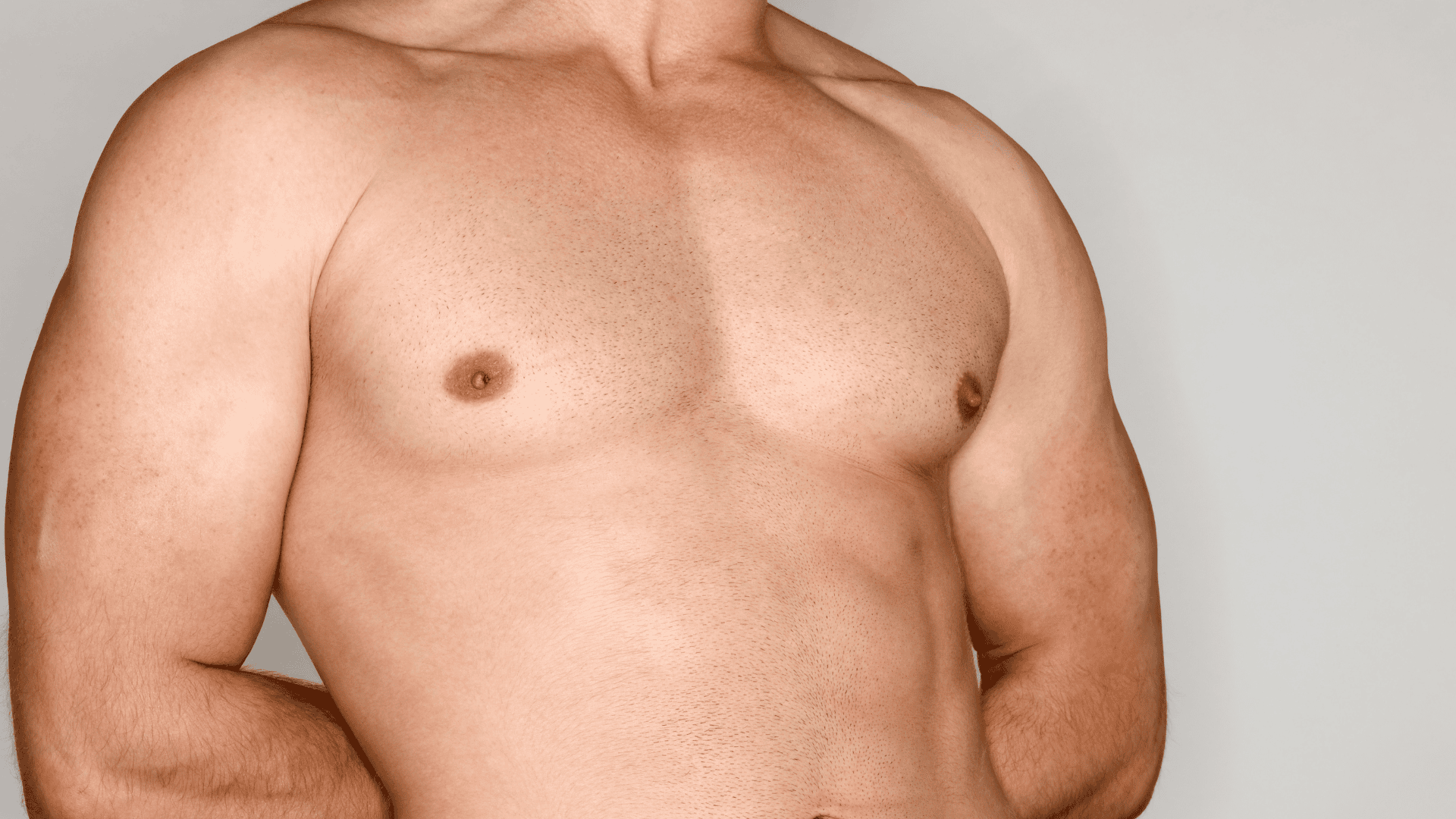
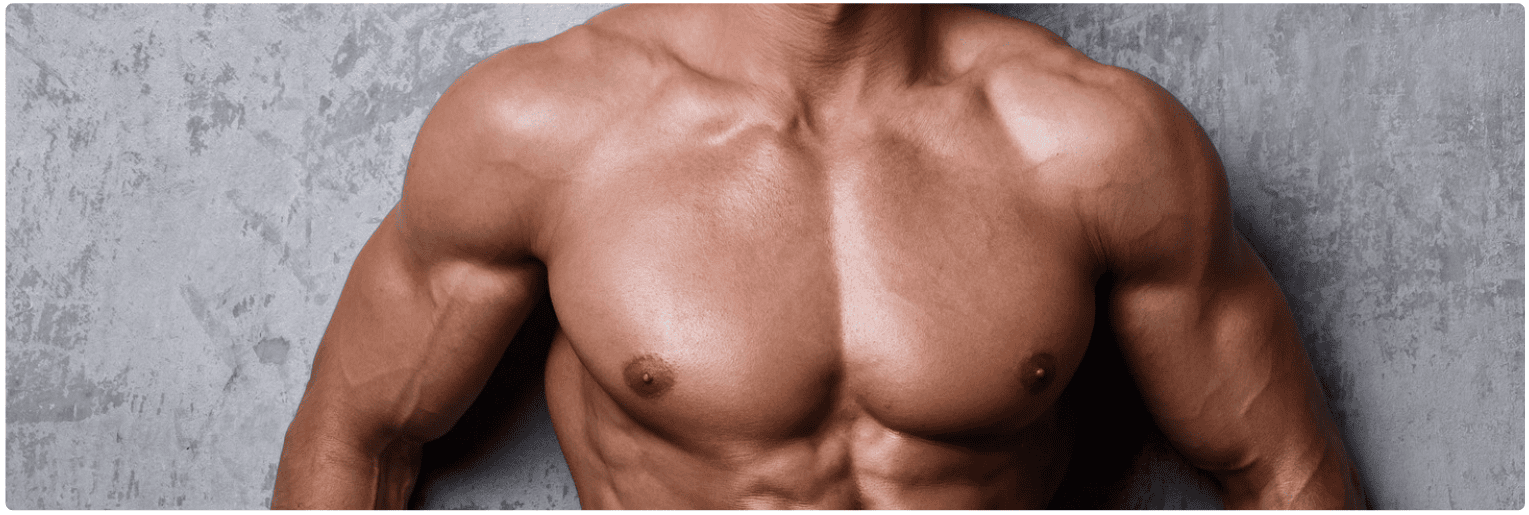
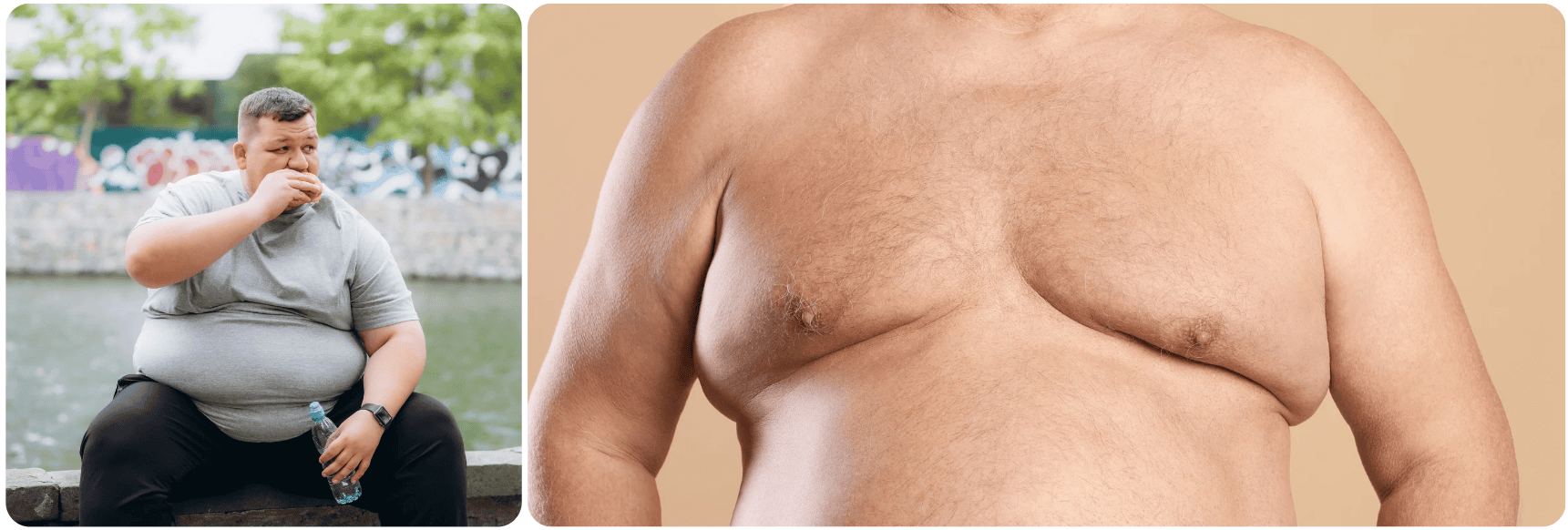
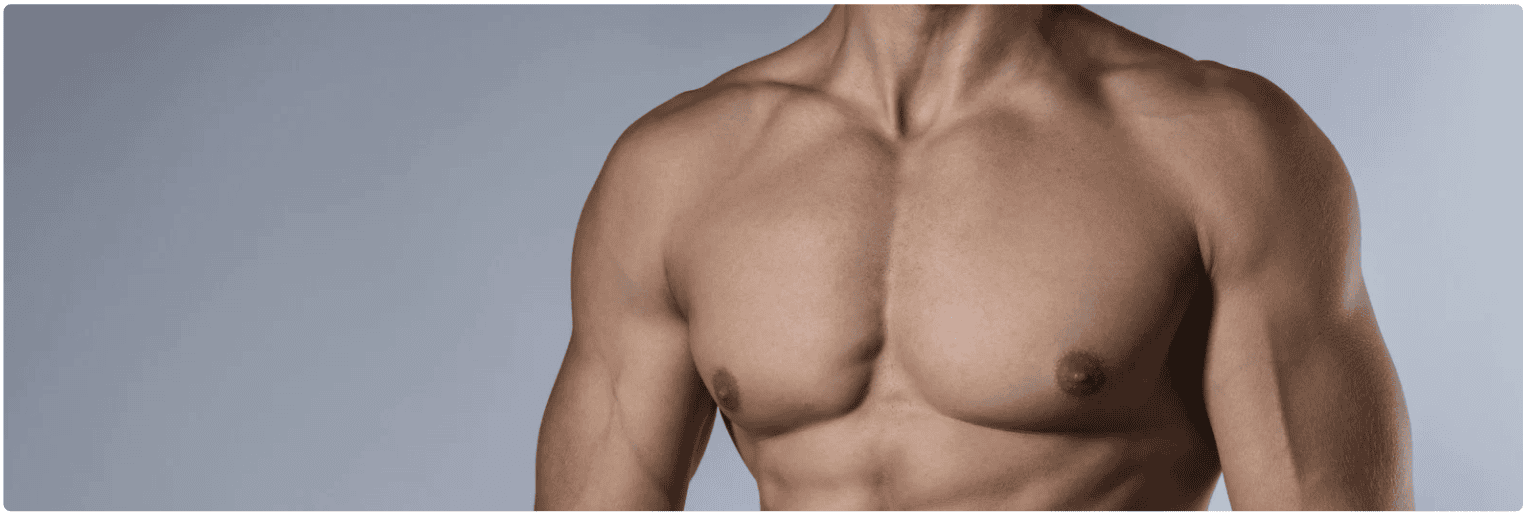
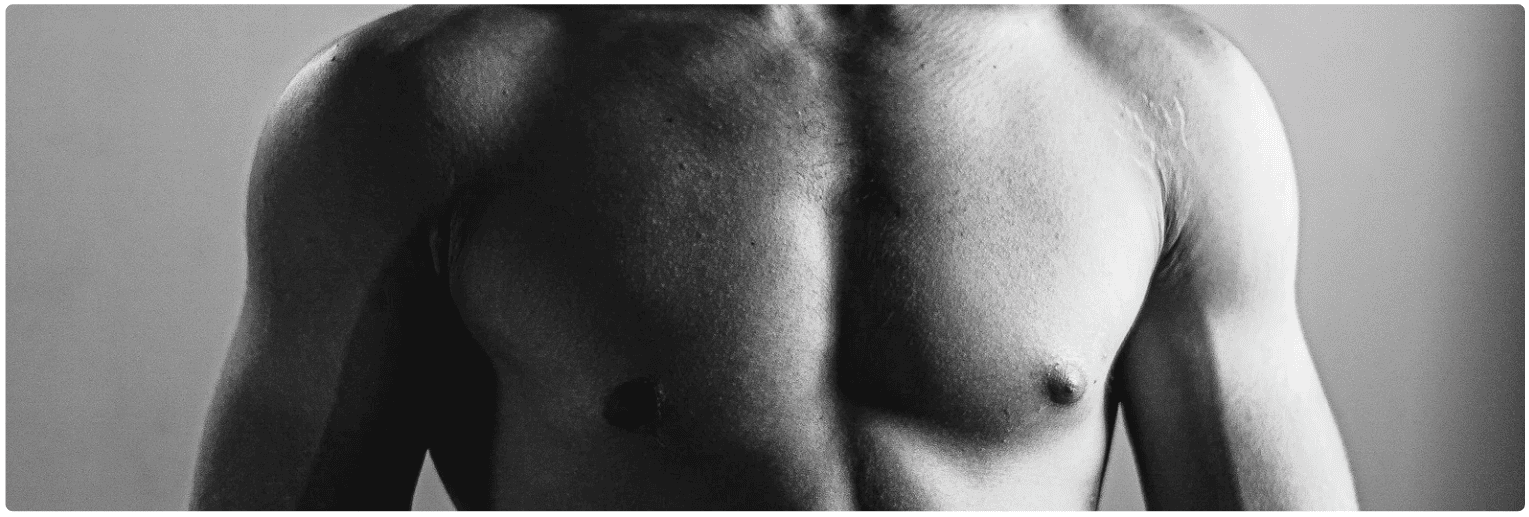
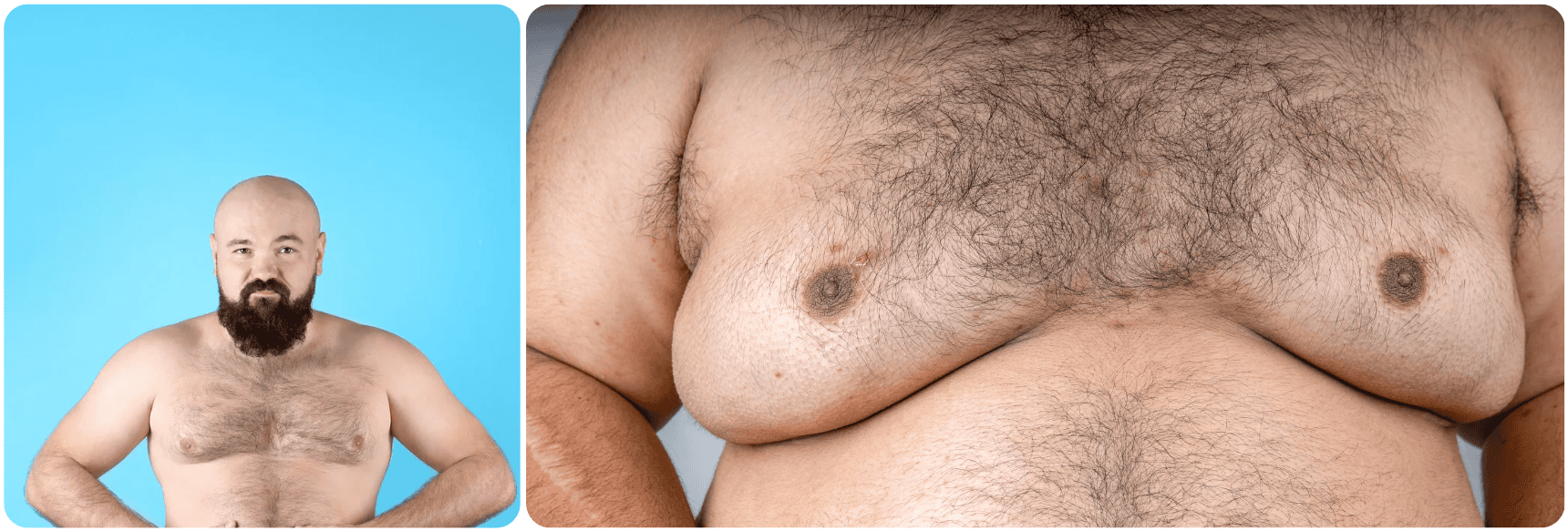
Male chest implants, also known as pectoral implants, are a cosmetic surgical procedure designed to enhance the size and shape of the chest area. This procedure is gaining popularity among men who desire a more muscular appearance or who may feel self-conscious about the size or contours of their chests. Pectoral implants can provide a solution for men looking to achieve a more defined and toned look without extensive workout regimens or drastic lifestyle changes.
The decision to undergo this procedure often begins with a consultation with a board-certified plastic surgeon. During this initial meeting, the surgeon discusses the patient’s goals, expectations, and any concerns they may have about the procedure. Patients can choose from various implant sizes, shapes, and textures, allowing them to select options that best match their desired aesthetic and body type.
The surgery itself is typically performed under general anesthesia and can last a few hours. The surgeon makes incisions, usually located in the armpit or beneath the breast tissue, and places the implants beneath the pectoral muscles. Following the procedure, patients generally need a recovery period of several weeks, during which they receive specific instructions on post-operative care and activity limitations.
As with any surgical procedure, there are potential risks associated with male chest implants. Complications may include infections, bleeding, and, in some cases, capsular contracture, where scar tissue forms around the implant, leading to discomfort or an undesired appearance. It is crucial for men considering this procedure to be well-informed and to choose a qualified, experienced surgeon.
Overall, male chest implants can be an effective way for men to boost their self-confidence and improve their body image. Many men who are satisfied with their results report a positive impact on their self-esteem and social interactions, often feeling more comfortable in their skin and with their appearance.
Male chest implants are performed to enhance the appearance of the chest by adding volume and definition, helping men achieve a more muscular and sculpted look. Some men naturally have a flatter or underdeveloped chest, and despite regular exercise and strength training, may still struggle to achieve their desired chest contour. Male chest implants offer a solution for those looking to improve the size and shape of their chest without resorting to fat grafting or long-term fitness plans.
Male chest implants are performed to enhance the appearance of the chest by adding volume and definition, helping men achieve a more muscular and sculpted look.
This procedure is also popular among men who have lost chest volume due to aging, weight loss, or certain medical conditions. Male chest implants can help restore a fuller, more masculine chest appearance by inserting silicone or saline implants beneath the chest muscles. This can lead to a more balanced body proportion and improve self-esteem for individuals who feel self-conscious about their chest. Overall, male chest implants can be a transformative procedure, providing a lasting solution for those seeking a defined and enhanced chest contour.
Male chest implants are primarily made of silicone or saline, each with specific advantages. Silicone implants are often preferred for their natural feel, while saline implants can be adjusted for volume during surgery.
👉 Silicone implants provide a more realistic look and mimic natural muscle contours
👉 Saline implants are filled after placement, allowing for smaller incisions
👉 Textured implants may reduce the risk of shifting or rotation
👉 Smooth implants can provide a more uniform appearance
Material selection depends on the patient’s body type, desired look, and the surgeon’s recommendation. Understanding the differences can help patients make an informed choice and achieve the chest definition they want.
Male chest implants are performed through a surgical procedure that involves the insertion of silicone or saline implants beneath the chest muscles to enhance the chest's size and shape. The surgery typically begins with the administration of either local or general anesthesia, depending on the patient’s preferences and the complexity of the surgery. The surgeon makes small incisions, typically hidden in the natural folds of the chest or under the armpits, to minimize visible scarring. Once the incisions are made, the surgeon carefully creates a pocket either above or beneath the chest muscles, depending on the type of implant and the desired result. The implants are then inserted into these pockets and positioned to create a natural, balanced appearance.
Male chest implants are performed through a surgical procedure that involves the insertion of silicone or saline implants beneath the chest muscles to enhance the chest's size and shape.
Silicone implants are often preferred for their realistic feel and natural look, while saline implants may be an option for those seeking a more affordable choice. After the implants are positioned, the incisions are closed with sutures, and the chest is bandaged. The procedure generally takes about one to two hours and is performed on an outpatient basis, meaning most patients can return home the same day. Recovery time varies but typically includes some swelling, bruising, and discomfort for the first few days. Patients are advised to wear a compression garment to support the chest and reduce swelling during the healing process. Most men can return to light activities within a week and resume normal exercise after several weeks, depending on their individual recovery.
In some cases, male chest implants are combined with liposuction for enhanced chest definition. Liposuction removes excess fat around the chest and surrounding areas, helping the implants appear more sculpted.
👉 Chest contouring improves overall upper body proportions
👉 Fat removal can enhance visibility of implant edges for a sharper look
👉 The combined approach may reduce the need for larger implants
👉 Recovery may be slightly longer but offers a more harmonious result
This combination is particularly useful for men with both underdeveloped muscles and localized fat deposits. It creates a balanced, athletic appearance that complements the patient’s physique.
The benefits of male chest implants go beyond just aesthetic improvements and can have a profound impact on a man's confidence and body image. The most obvious benefit is the enhancement of the chest's size, shape, and overall contour. Male chest implants provide a fuller, more defined chest, which is often difficult to achieve through exercise alone for some individuals. Whether it’s correcting a naturally underdeveloped chest, restoring volume after weight loss, or simply enhancing the overall masculine appearance of the torso, chest implants provide a long-lasting and effective solution. Another significant benefit is the improvement in body proportions.
A well-defined chest can help balance the upper body and enhance the overall silhouette, making the chest appear more in line with the rest of the body, particularly for men who feel that their chest is disproportionately small compared to their frame. Additionally, many men report a boost in self-esteem and body confidence after chest implant surgery. By improving the chest's appearance, men can feel more comfortable in their clothing, at the beach, or during physical activities, without feeling self-conscious. The results of male chest implants are generally permanent, and with proper care and maintenance, the implants should continue to provide a natural and youthful appearance.
Overall, male chest implants offer a safe and effective way to enhance the chest, improve body proportions, and increase confidence for those looking to achieve a more defined and sculpted chest.
Scarring is a natural part of any surgical procedure, including male chest implants, but techniques exist to minimize visibility. Surgeons often place incisions in discreet locations, such as the armpit or under the chest fold.
👉 Proper post-operative care can significantly reduce scar formation
👉 Silicone gel or medical-grade scar patches may improve healing
👉 Avoid direct sunlight on the incision to prevent discoloration
Over time, scars typically fade and become less noticeable. Choosing an experienced surgeon who focuses on aesthetic incision placement ensures the results are not only muscular but also visually clean. Scar management is an essential component of long-term satisfaction with chest implants.
Male chest implants are available in various shapes, including oval, rectangular, and anatomically contoured designs. Surgeons can also customize implants by trimming or shaping them to match the patient’s individual chest wall and muscle definition. This level of customization allows for highly tailored results, especially for patients seeking asymmetry correction or a more dramatic enhancement in specific areas of the chest. In some cases, custom-molded implants are created for individuals with chest wall deformities or previous trauma.
Male chest implants are not only used for aesthetic purposes but also for reconstructive reasons. Men with conditions such as Poland syndrome (underdevelopment or absence of the pectoral muscle on one side of the chest) or chest trauma may choose implants to restore symmetry and function. In these cases, implants are often combined with other reconstructive techniques, such as fat grafting or tissue expansion, to achieve a balanced and natural result.
The size of male chest implants can influence potential risks and outcomes. Larger implants may provide more dramatic results but can also increase the risk of complications such as implant shifting or pressure on surrounding tissue.
👉 Overly large implants may require longer incisions and extended recovery
👉 Smaller implants usually result in a more natural appearance with reduced risk of complications
👉 Discussing desired size versus anatomical limitations with your surgeon is crucial
Understanding how implant size interacts with chest anatomy ensures safe surgery and optimal aesthetic results. Surgeons often recommend balancing size ambition with long-term comfort and durability.
While chest implants and fat grafting are both used to enhance the male chest, they serve different purposes. Fat grafting involves harvesting fat from another part of the body and injecting it into the chest area. This technique provides subtle volume enhancement and is ideal for patients seeking mild definition. Implants, on the other hand, offer more dramatic, permanent volume and are better suited for men looking for a clearly defined, muscular appearance. Some surgeons may also combine both methods for optimal contouring.
The placement technique of the implant greatly influences the final result. Implants can be placed either under the pectoral muscle (submuscular) or over it (subfascial), depending on the patient’s anatomy and aesthetic goals. Submuscular placement generally provides a more natural feel and appearance, while subfascial placement may result in a more pronounced contour. The surgeon’s expertise in choosing the right placement is crucial for avoiding visible edges, unnatural movement, or asymmetry.
Selecting a qualified surgeon is one of the most important steps for anyone considering male chest implants. A board-certified plastic surgeon with experience in pectoral augmentation ensures safety and natural results.
👉 Check the surgeon’s portfolio for before-and-after photos
👉 Verify credentials and board certification
👉 Ask about their experience with different implant types
👉 Discuss potential risks and how they manage complications
Patients should feel comfortable asking questions about the procedure, recovery, and expected outcomes. A skilled surgeon can also provide guidance on implant shape, size, and placement, tailored to the patient’s body type and aesthetic goals. Choosing the right surgeon can make the difference between satisfactory and exceptional results.
Athletes or very physically active men often have specific concerns when considering chest implants. While the implants are designed to be stable and durable, certain high-impact sports or activities involving intense chest movement may require additional precautions. Surgeons typically recommend submuscular placement for active individuals, as it integrates more naturally with the existing muscle and reduces the risk of displacement. Full return to high-level physical activity is generally possible, but only after a carefully monitored recovery period.
Proper posture can enhance the results of male chest implants. Strengthening the back, shoulders, and core muscles supports the chest and ensures implants remain positioned correctly.
👉 Incorporate light resistance exercises post-recovery, as advised by your surgeon
👉 Avoid slouching, which can affect how implants sit
👉 Practice posture awareness during daily activities
Good posture not only improves aesthetics but can also reduce discomfort during recovery and long-term implant integration. Patients often notice a more confident stance and improved upper body alignment after combining implants with posture-focused exercises.
Male chest implants are long-lasting but not necessarily lifetime devices. While solid silicone implants are durable and rarely rupture, some men may eventually choose to replace or adjust them due to changes in body shape, aging, or personal preference. Periodic checkups with the plastic surgeon can help monitor the condition of the implants and surrounding tissue. Unlike soft breast implants, pectoral implants typically do not need routine replacement unless complications arise or aesthetic goals change.
Recovery after male chest implants is a crucial part of achieving optimal results. Following the surgeon’s instructions can significantly reduce complications and improve healing time. Patients are usually advised to wear a compression garment for several weeks to support the implants and minimize swelling.
👉 Avoid strenuous physical activity for at least 4–6 weeks
👉 Sleep in an elevated position to reduce pressure on the chest
👉 Apply cold compresses to help with swelling and bruising
👉 Keep incisions clean and dry to prevent infections
👉 Attend all follow-up appointments to monitor healing progress
Proper nutrition and hydration also support recovery, while smoking and alcohol should be minimized to promote faster tissue repair.
Not all men are suitable candidates for male chest implants, so careful evaluation is necessary. Ideal candidates typically have realistic expectations and are in good overall health. Men with congenital chest deformities, asymmetry, or underdeveloped pectoral muscles often benefit the most. Patients should be non-smokers or willing to quit before surgery, as smoking can impair healing. Additionally, men with stable body weight are recommended, as significant weight fluctuations can affect the final appearance of the implants. Surgeons may also assess skin quality and muscle tone to determine if additional procedures, such as skin tightening, could enhance the outcome. Clear communication of aesthetic goals ensures the procedure aligns with the patient’s vision.
Preparation before male chest implants surgery can improve both safety and results. Patients should undergo a thorough medical evaluation, including blood tests and sometimes imaging, to confirm they are fit for anesthesia and surgery.
👉 Stop certain medications such as blood thinners under your surgeon’s guidance
👉 Avoid alcohol and smoking for at least two weeks prior
👉 Arrange for transportation home after the procedure
👉 Plan for at least a week off work for initial recovery
Eating a balanced diet and staying hydrated before surgery helps optimize healing. Mental preparation is equally important, as understanding the procedure, risks, and recovery timeline can reduce stress and improve overall satisfaction with the results.
For patients traveling for male chest implants, careful planning ensures a safe and stress-free experience. Choosing a reputable clinic with international patient services can simplify logistics.
👉 Book flights allowing sufficient time for recovery before returning to work
👉 Arrange accommodation close to the clinic for easy follow-up visits
👉 Prepare necessary medical documents and previous health records
👉 Ensure insurance coverage for travel and procedure-related complications
Many clinics offer packages that include post-operative care, transportation, and language support. Proper planning reduces stress and ensures patients can focus on healing and enjoying their new chest contour.
During your consultation, you will discuss your wishes, medical history, and expectations with the doctor. The doctor will examine you, take measurements if necessary, and explain which treatment suits you best, including risks and recovery. You will have the opportunity to ask questions and then receive a clear treatment proposal.
Make sure you have all relevant medical information ready, such as previous treatments, allergies, or medical conditions. This allows the doctor to give you better advice.
Payment is made securely via SurgeryBooking. You pay the amount in advance to SurgeryBooking. We hold the funds and transfer them to the clinic after your treatment. Cancellation or change conditions vary per clinic and are clearly communicated in advance.
During the consultation (online or at the clinic), the doctor will assess this based on your health, expectations, and physical characteristics. You will discuss what you want, what is possible, and what the limitations are. Sometimes there are alternatives if the chosen treatment is not ideal.
Through SurgeryBooking.com, you can quickly and easily book a consultation or procedure with doctors and clinics worldwide. SurgeryBooking.com provides an overview of doctors and clinics, allowing you to make an informed and transparent choice when booking a consultation or procedure.
You can easily book through the profile of the desired clinic or doctor. Select the desired treatment, enter your details, and choose an available date and time. If there are any costs involved, you will complete the payment first. Afterwards, you will receive a confirmation email with all the details.
Yes, during the booking process, you can indicate whether you prefer an online consultation or an in-person consultation at the clinic.
With SurgeryBooking.com, you gain access to a global network of doctors and clinics. Through SurgeryBooking.com, you can easily book a consultation or a cosmetic procedure directly. Clinic profiles provide information about available cosmetic procedures, reviews, photos of the clinic, and other relevant details. This enables you to compare costs and make an informed decision when booking a consultation or procedure.