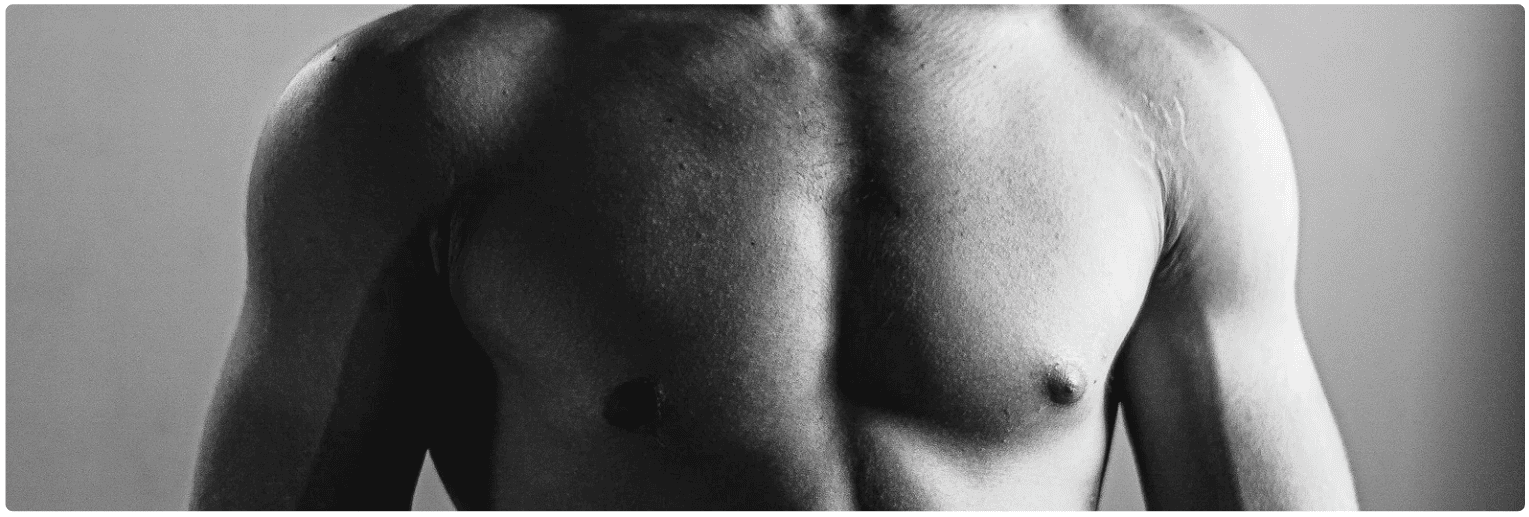
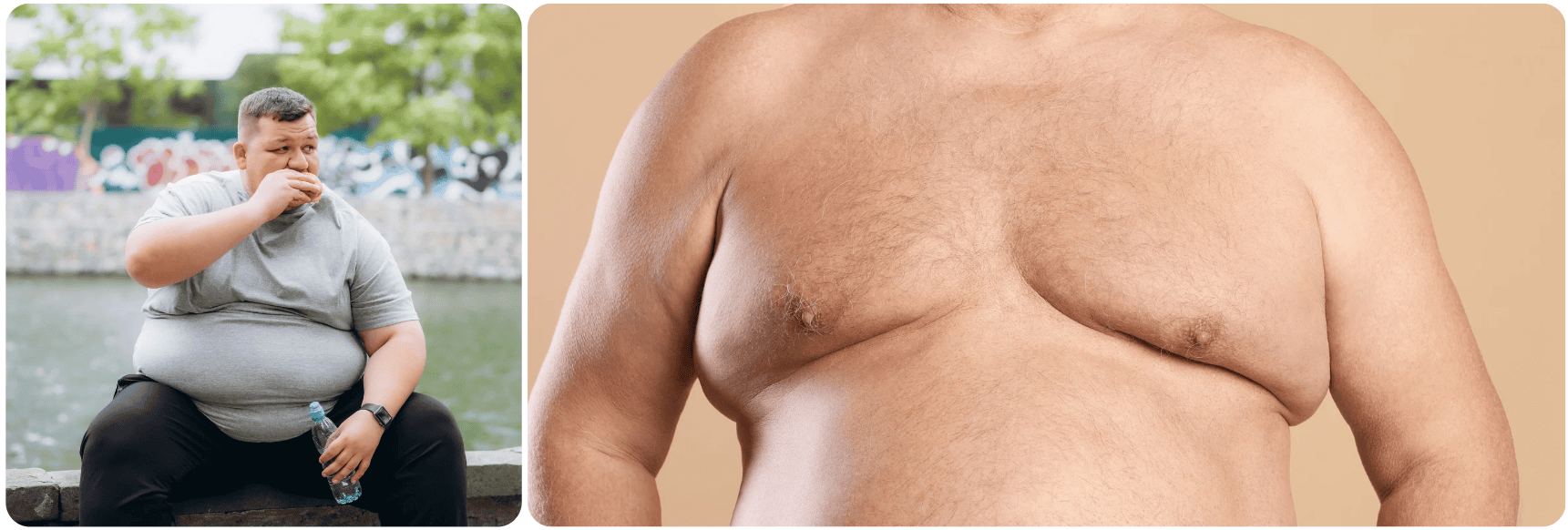
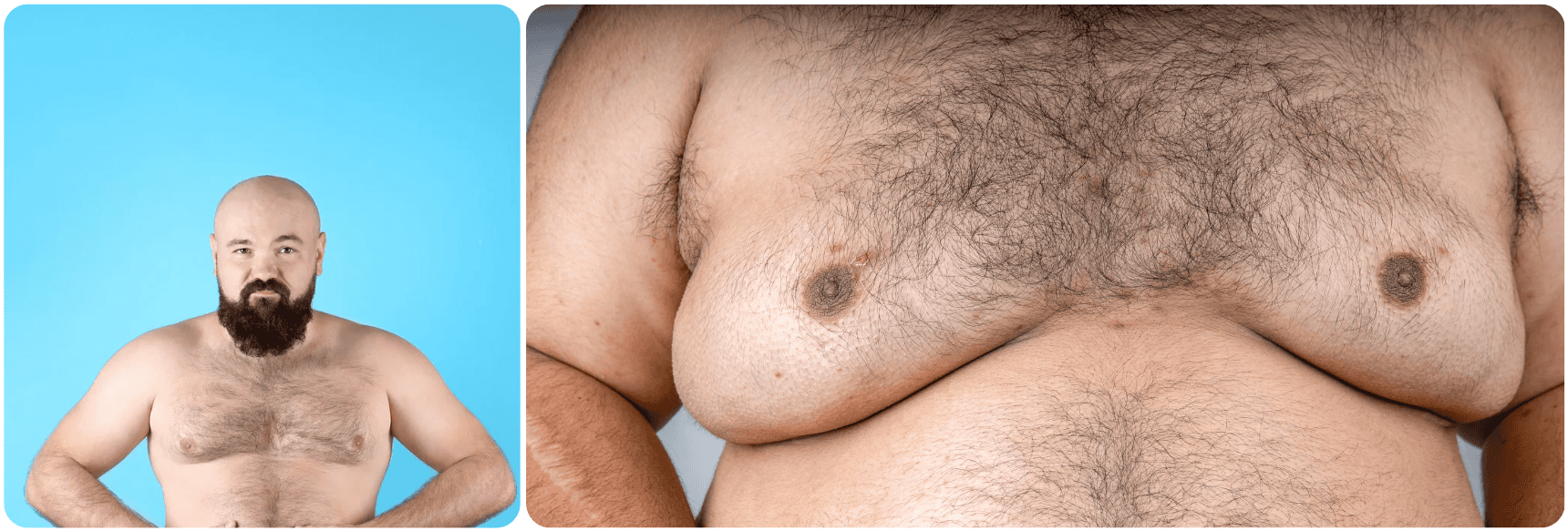
A male breast reduction, also known as gynecomastia surgery, is a procedure aimed at removing excess breast tissue in men. Gynecomastia is a condition where male breast tissue becomes enlarged, often due to a hormonal imbalance between estrogen and testosterone. This condition can occur at different stages of life, such as during puberty or later in adulthood, and can also be influenced by factors like certain medications, weight gain, or underlying health conditions.
The goal of the surgery is to reduce the size of the breasts, improve the contours of the chest, and create a flatter, more masculine appearance. The procedure is typically performed under general anesthesia, and the specific technique used depends on the extent of breast enlargement and the type of tissue involved. In some cases, liposuction may be sufficient to remove excess fat, while in other cases, surgical excision may be required to remove glandular tissue.
After the surgery, swelling and bruising are common, but these effects usually subside over time. Patients are often advised to wear compression garments or bandages to support the chest area during the recovery process and help maintain the new chest shape. Recovery times vary, but most patients can resume light activities after a few weeks, while more strenuous exercise should be avoided for a longer period.
**After the surgery, swelling and bruising are common, but these effects usually subside over time.
The results of a male breast reduction are generally permanent, though factors like weight gain or hormonal changes can cause gynecomastia to recur. Many men opt for this surgery due to discomfort or embarrassment about their appearance, and most experience increased self-confidence and satisfaction with their body after the procedure. The decision to undergo a male breast reduction is a personal one and is usually made in consultation with a plastic surgeon, who can help determine if the procedure is appropriate and what results to expect.
Male breast reduction is performed to address a condition called gynecomastia, where men develop excess breast tissue that can cause enlarged, feminine-looking breasts. This condition is relatively common and can occur at any stage of life, from adolescence to adulthood. Gynecomastia can result from hormonal imbalances, weight gain, certain medications, or genetic factors. The excess tissue can lead to self-consciousness, embarrassment, and a lack of confidence, especially in situations like swimming or wearing fitted clothing. Male breast reduction is designed to remove this excess tissue, creating a flatter, more masculine chest contour.
Many men choose this procedure to feel more confident in their appearance, improve their body proportions, and restore a natural chest appearance. The procedure can be a life-changing solution for those who have been struggling with enlarged breasts for years, and it provides a lasting solution to this issue. For men who are otherwise healthy, have good skin elasticity, and are at a stable weight, male breast reduction offers an effective option for reclaiming a more defined chest.
There are several techniques available for male breast reduction, tailored to the patient’s needs.
👉 Liposuction-only technique for excess fatty tissue
👉 Surgical excision for glandular tissue
👉 Combination of liposuction and excision for mixed cases
👉 Areola repositioning or resizing if needed
👉 Minimal incision approaches to reduce visible scarring
Each method has advantages depending on the type and amount of tissue. Choosing the right technique ensures a natural chest contour and faster recovery. Surgeons often evaluate skin elasticity and chest shape before recommending the approach. The skill of the surgeon in sculpting the chest is a major factor in achieving satisfactory results.
Male breast reduction is typically performed through either liposuction or surgical excision, depending on the amount and type of tissue that needs to be removed. The procedure usually begins with the administration of general or local anesthesia, ensuring that the patient is comfortable throughout the process. If the issue is mainly excess fatty tissue, liposuction may be used to gently suction out the fat, creating a flatter chest contour. In cases where there is glandular tissue, which is firmer than fat, a small incision is made around the areola, and the tissue is surgically excised.
Male breast reduction is typically performed through either liposuction or surgical excision, depending on the amount and type of tissue that needs to be removed.
The surgeon will carefully remove the excess tissue while sculpting the chest to achieve a more masculine and natural look. Once the procedure is completed, the incisions are closed, and a compression garment is typically worn to help reduce swelling and support the healing process. The length of the surgery depends on the complexity of the case but generally lasts between one and two hours. Male breast reduction is usually an outpatient procedure, meaning patients can return home the same day. Although the procedure is relatively safe, it is important for patients to follow the post-surgical care instructions, including wearing compression garments and avoiding strenuous activities, to ensure optimal results.
While male breast reduction surgery is generally safe, there are potential risks.
👉 Infection at the incision site
👉 Hematoma or seroma formation (fluid collection)
👉 Changes in nipple or breast sensation
👉 Minor asymmetry between the two sides
👉 Poor scarring or keloid formation
👉 Need for revision surgery if results are uneven
Understanding these risks allows patients to make informed decisions. Surgeons mitigate complications through proper technique and post-op care instructions. Following recovery guidelines closely further reduces the likelihood of adverse outcomes.
The benefits of male breast reduction are both physical and emotional, as the procedure can significantly improve a man's appearance and self-esteem. The primary benefit is the removal of excess breast tissue, which leads to a flatter, more masculine chest. This can be especially important for men who feel self-conscious about their appearance and avoid certain activities, such as swimming or exercising, because of enlarged breasts.
By restoring a natural, sculpted chest, male breast reduction allows individuals to feel more comfortable in their skin and more confident in social and personal settings. Another key benefit is the improvement in body proportions. For many men, gynecomastia creates an imbalance in the chest and torso, and male breast reduction can restore a more balanced and aesthetically pleasing figure. This procedure is also effective for men who have tried diet and exercise to reduce the size of their breasts without success.
Male breast reduction provides permanent results, as the removed fat and glandular tissue do not regenerate. Additionally, the procedure often has a quick recovery time, with many men able to return to work within a few days and resume normal activities after a few weeks. By addressing both the physical and psychological aspects of gynecomastia, male breast reduction can be a life-changing procedure, improving a man’s confidence and quality of life.
Understanding the underlying causes of gynecomastia can help determine whether male breast reduction is the right solution. The condition is most commonly linked to hormonal imbalances—particularly a decrease in testosterone or an increase in estrogen. Puberty, aging, certain medical conditions like liver or thyroid disorders, and the use of medications such as steroids, antidepressants, or anti-anxiety drugs can all trigger this hormonal shift. Additionally, lifestyle factors such as substance abuse (including alcohol and marijuana) and poor diet can contribute to the development of gynecomastia. Identifying the root cause is essential, as addressing it may prevent recurrence after surgery.
Understanding the underlying causes of gynecomastia can help determine whether male breast reduction is the right solution.
While gynecomastia involves the enlargement of glandular breast tissue in men, pseudogynecomastia is characterized by excess fat accumulation without glandular involvement. This distinction is critical when considering male breast reduction surgery, as the treatment approaches may differ. Pseudogynecomastia is often linked to obesity and may improve with weight loss and exercise, whereas true gynecomastia typically requires surgical intervention. A physical examination and possibly imaging tests can help differentiate between the two conditions and guide the most effective treatment plan.
Recovery from male breast reduction varies by individual, but most men experience mild to moderate discomfort, swelling, and bruising in the first few days. Pain is usually well managed with prescribed medication, and patients are advised to rest while keeping the upper body elevated. Wearing a compression garment as directed can reduce swelling and help shape the chest. While light activities can be resumed within a week, strenuous exercise and upper-body workouts should be avoided for about four to six weeks. Following your surgeon’s post-op guidelines closely is key to ensuring a smooth recovery and long-lasting results.
In most cases, the results of male breast reduction surgery are permanent, especially when the underlying cause—such as hormonal imbalance or medication use—is resolved. However, significant weight gain, anabolic steroid use, or hormonal fluctuations can cause the breast tissue to enlarge again. Maintaining a healthy lifestyle, including a balanced diet and regular exercise, is essential to preserving the results of the surgery. Patients should also attend follow-up appointments to monitor healing and ensure no signs of recurrence.
Yes, male breast reduction is often combined with other cosmetic procedures to enhance overall body contouring. Common combinations include liposuction of the abdomen or flanks, tummy tuck surgery, or even chest skin tightening for men who have experienced significant weight loss. Combining procedures can improve the symmetry and proportions of the body, leading to more harmonious and satisfying aesthetic outcomes. During your consultation, your surgeon can recommend whether a combined approach is right for you based on your goals and physical condition.
The cost of male breast reduction varies based on several factors.
👉 Geographic location of the clinic
👉 Surgeon's experience and reputation
👉 Complexity of the procedure
👉 Type of anesthesia used
👉 Preoperative tests and consultations
👉 Postoperative garments and follow-up visits
While price is important, selecting a highly skilled surgeon should be a priority to achieve safe and natural results. Financing options or installment plans may be available at some clinics. Comparing costs alongside surgeon qualifications helps ensure both value and quality.
Choosing a qualified, experienced surgeon is one of the most important steps in achieving optimal results from gynecomastia surgery. Look for a board-certified plastic surgeon who specializes in male chest contouring and has a portfolio of before-and-after photos. Reading verified patient reviews and scheduling consultations with multiple providers can help you find someone who understands your aesthetic goals and makes you feel comfortable. A skilled surgeon will provide a personalized treatment plan and set realistic expectations, ensuring a safer experience and more natural-looking results.
Preparing for male breast reduction is crucial to ensure a smooth procedure and recovery. Patients are often advised to undergo a full medical evaluation, including blood tests and possibly imaging, to rule out underlying conditions. Avoiding certain medications and supplements that increase bleeding risk, such as aspirin or herbal remedies, is typically recommended. Smoking should be stopped several weeks before surgery, as it can impair healing.
Patients should also arrange for someone to drive them home and assist during the first days after surgery. Proper preoperative preparation can significantly reduce complications and enhance recovery. Additionally, discussing realistic expectations with your surgeon helps prevent disappointment. Following all pre-surgery instructions is essential for a successful outcome and long-lasting results.
Not every man with enlarged breasts is automatically a candidate for male breast reduction. Ideal candidates typically:
👉 Are in good overall health with stable weight
👉 Have fully developed breasts
👉 Have realistic expectations about the outcome
👉 Do not smoke or are willing to quit before surgery
👉 Are experiencing discomfort or difficulty with physical activities due to enlarged breasts
Men with certain medical conditions or uncontrolled hormonal imbalances may need treatment before surgery. Consulting with a board-certified plastic surgeon ensures the procedure is safe and appropriate. This evaluation also helps determine the most suitable surgical technique.
Scarring is a natural part of gynecomastia surgery, but techniques aim to minimize visibility. Incisions are often placed around the areola or in natural creases of the chest. Many surgeons use advanced closure methods to reduce scar thickness and discoloration. Scars typically fade over time, becoming less noticeable after several months. Proper wound care and avoiding sun exposure are essential for optimal healing. Compression garments can also support skin adaptation and reduce tension on scars. Patients are advised to follow their surgeon’s scar care recommendations for the best cosmetic outcome.
Male breast reduction can be performed under general or local anesthesia, depending on the technique and patient preference. General anesthesia ensures complete unconsciousness and eliminates discomfort during the procedure. Local anesthesia with sedation may be used for less extensive reductions, allowing faster recovery and reduced systemic effects. An anesthesiologist monitors vital signs throughout the surgery to ensure safety. Discussing anesthesia options with the surgeon and anesthesiologist helps tailor the procedure to the patient’s needs. Proper anesthesia management contributes to a comfortable surgical experience and reduces postoperative complications.
In addition to removing excess tissue, male breast reduction can enhance the overall chest contour. Surgeons may sculpt the pectoral muscles to create a more athletic appearance. Combining liposuction with excision allows precise shaping of the upper torso. This procedure can also balance the proportions between the chest, shoulders, and abdomen. Results are often more natural when tailored to each patient’s anatomy. Patients can achieve a well-defined chest that complements their body structure. Careful planning and surgical technique are key to achieving an aesthetically pleasing contour.
Returning to normal activities after male breast reduction should be gradual. Light activities, such as walking, are usually encouraged within a few days. Strenuous exercise, heavy lifting, and chest workouts should be avoided for 4–6 weeks. Wearing compression garments as instructed supports tissue healing and reduces swelling. Patients are advised to avoid sun exposure on incision sites until fully healed. Following these guidelines helps maintain surgical results and prevents complications. Regular follow-up appointments allow the surgeon to monitor recovery progress. Adhering to activity restrictions ensures optimal long-term outcomes.
Maintaining results after gynecomastia surgery involves lifestyle choices. A balanced diet and regular exercise help prevent weight gain that could affect chest appearance. Hormonal balance should be monitored if gynecomastia was caused by endocrine issues. Patients should avoid anabolic steroids or substances that can trigger breast tissue growth. Routine check-ups with the surgeon ensure the results remain stable. Compression garments may not be needed long-term but can be used temporarily if advised. Healthy habits support both the longevity of results and overall well-being.
During your consultation, you will discuss your wishes, medical history, and expectations with the doctor. The doctor will examine you, take measurements if necessary, and explain which treatment suits you best, including risks and recovery. You will have the opportunity to ask questions and then receive a clear treatment proposal.
Make sure you have all relevant medical information ready, such as previous treatments, allergies, or medical conditions. This allows the doctor to give you better advice.
Payment is made securely via SurgeryBooking. You pay the amount in advance to SurgeryBooking. We hold the funds and transfer them to the clinic after your treatment. Cancellation or change conditions vary per clinic and are clearly communicated in advance.
During the consultation (online or at the clinic), the doctor will assess this based on your health, expectations, and physical characteristics. You will discuss what you want, what is possible, and what the limitations are. Sometimes there are alternatives if the chosen treatment is not ideal.
Through SurgeryBooking.com, you can quickly and easily book a consultation or procedure with doctors and clinics worldwide. SurgeryBooking.com provides an overview of doctors and clinics, allowing you to make an informed and transparent choice when booking a consultation or procedure.
You can easily book through the profile of the desired clinic or doctor. Select the desired treatment, enter your details, and choose an available date and time. If there are any costs involved, you will complete the payment first. Afterwards, you will receive a confirmation email with all the details.
Yes, during the booking process, you can indicate whether you prefer an online consultation or an in-person consultation at the clinic.
With SurgeryBooking.com, you gain access to a global network of doctors and clinics. Through SurgeryBooking.com, you can easily book a consultation or a cosmetic procedure directly. Clinic profiles provide information about available cosmetic procedures, reviews, photos of the clinic, and other relevant details. This enables you to compare costs and make an informed decision when booking a consultation or procedure.