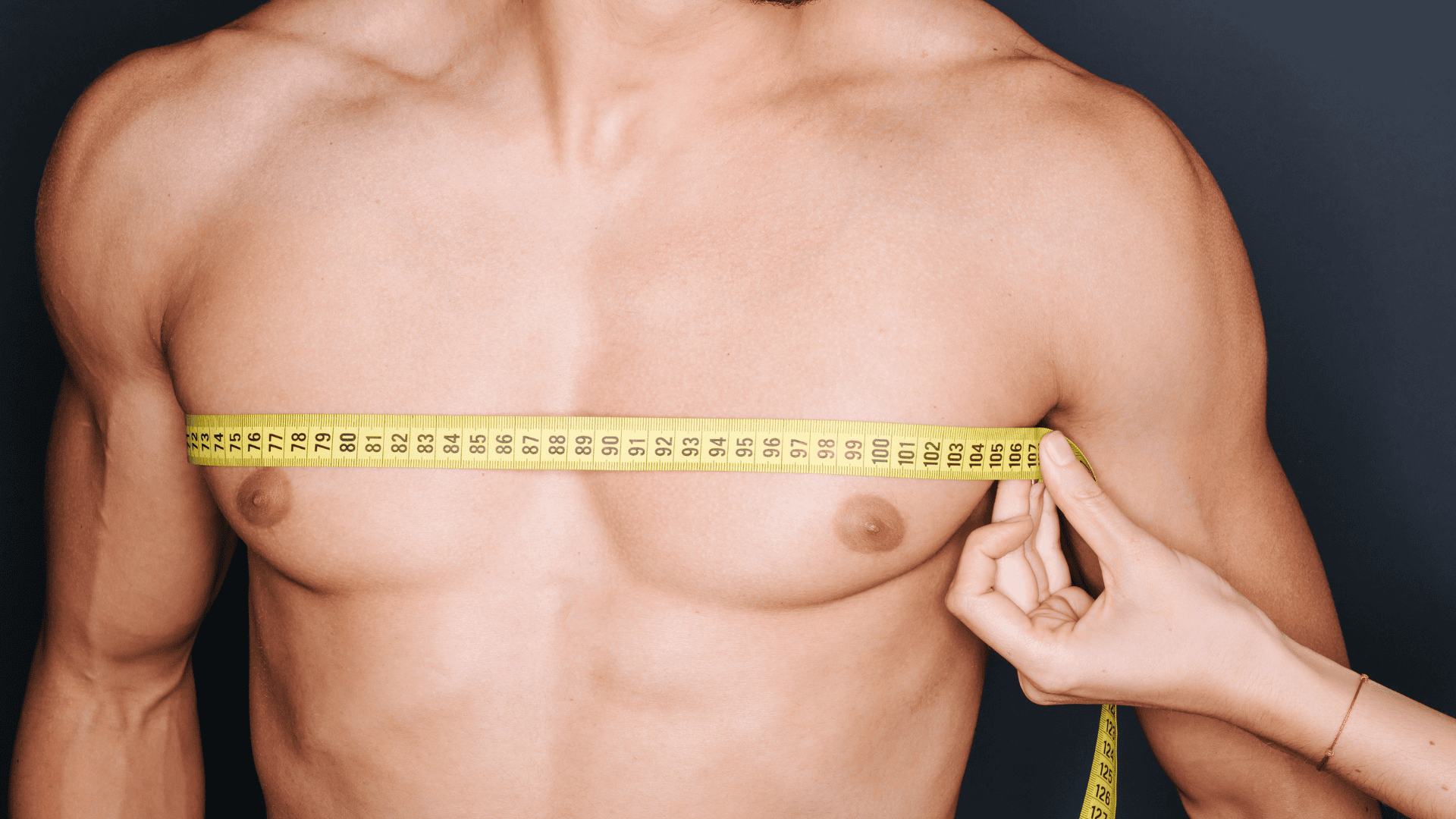
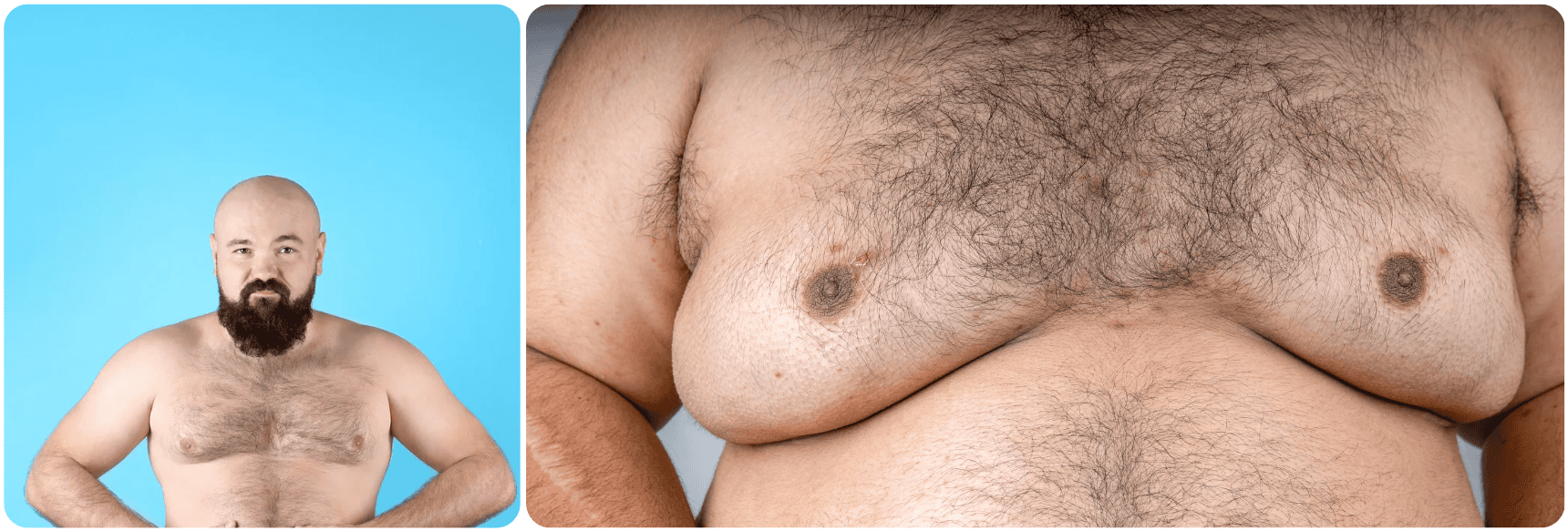
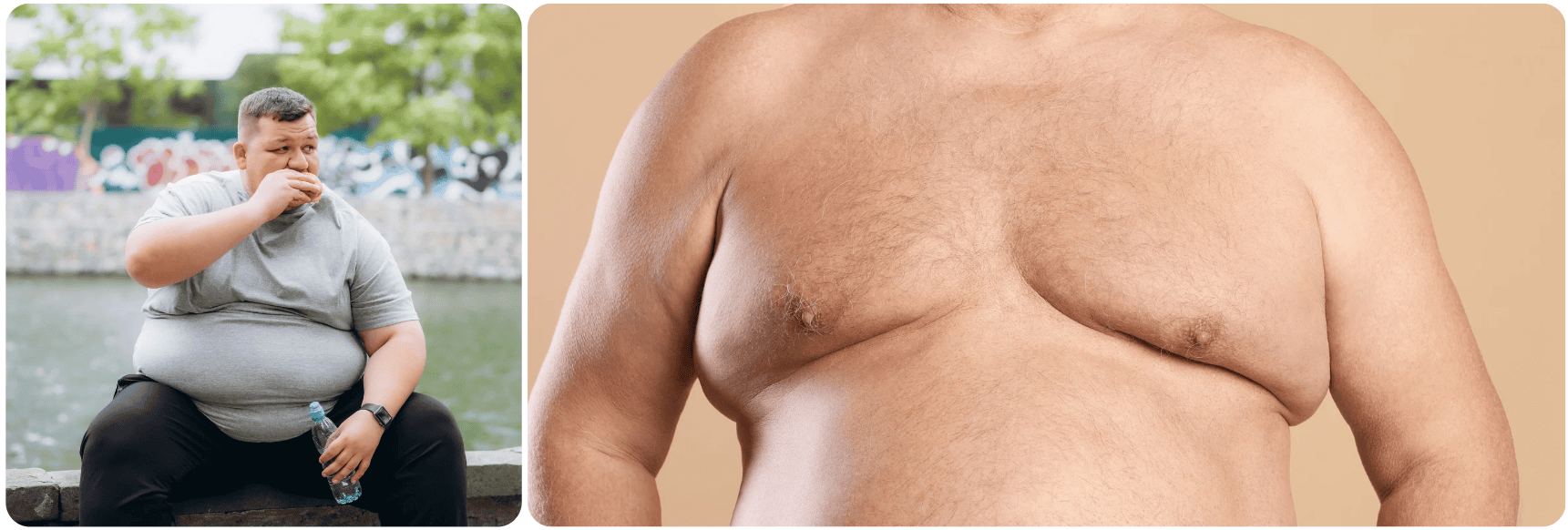
A male breast lift, also known as a mastopexy, is a surgical procedure designed to remove excess skin and tissue from the chest area, improving the contour and firmness of the chest. This procedure is commonly sought by men dealing with sagging or drooping breasts, which can result from significant weight loss, aging, or a medical condition such as gynecomastia. Gynecomastia refers to the abnormal growth of breast tissue in men, which can lead to a more feminine appearance of the chest.
During a breast lift, excess skin is removed, and the remaining tissue is tightened to create a firmer, more youthful chest. The technique used can vary depending on the extent of correction required. In some cases, a combination of a breast lift and liposuction may be performed, especially if there is excess fat that needs to be removed. Incisions are typically made around the areola or horizontally under the chest to access the underlying tissue. The areola may also be resized or repositioned to create a more masculine appearance if necessary.
After the procedure, some swelling and discomfort are common, but these symptoms usually subside within a few weeks. The recovery period varies for each individual, but most men can return to their normal activities within a few weeks. The results of a male breast lift are generally long-lasting, provided a stable weight is maintained. The procedure can significantly boost confidence, particularly for men who feel self-conscious about the shape of their chest.
Overall, a male breast lift is an effective way to achieve a firmer, more masculine chest contour, especially when sagging or excess skin has disrupted the natural shape.
A male breast lift is performed to address sagging or drooping breast tissue in men, a condition that can occur due to factors such as aging, weight fluctuations, hormonal imbalances, or genetics. While gynecomastia, or enlarged male breasts, is a common concern, some men experience breast sagging without excessive tissue buildup. This can create a less defined, less masculine chest contour, leading to self-consciousness and discomfort, particularly in social or physical situations where the chest may be exposed. A male breast lift can restore a firmer, more youthful, and sculpted appearance by lifting and tightening the skin and breast tissue.
A male breast lift is performed to address sagging or drooping breast tissue in men, a condition that can occur due to factors such as aging, weight fluctuations, hormonal imbalances, or genetics.
This procedure is ideal for men who have lost significant weight and now have excess skin that causes their chest to sag. It is also an effective solution for men experiencing natural age-related changes in the chest area. By removing excess skin, tightening the remaining tissue, and repositioning the nipple-areola complex, a male breast lift can help create a more defined and youthful chest shape. For many men, this procedure is not only about physical improvement but also about boosting self-esteem and confidence, allowing them to feel more comfortable in their own bodies.
The success of a male breast lift largely depends on the incision technique chosen by the surgeon. Different techniques are used based on the amount of sagging and skin excess present. Some men may require a minimal incision around the areola, while others benefit from horizontal or anchor-style incisions for more extensive correction.
Common incision approaches include:
👉 Periareolar incision, which circles the nipple for mild lifts
👉 Circumvertical incision, extending from the areola to the chest fold
👉 Anchor incision, used for significant sagging or excess skin removal
Each technique is designed to minimize visible scarring while maximizing chest contour improvement. Surgeons carefully plan the incision placement to maintain a masculine appearance. Proper healing and post-surgery care are essential to ensure scars fade and remain discreet. Discussing incision options during your consultation helps set realistic expectations for the final chest appearance.
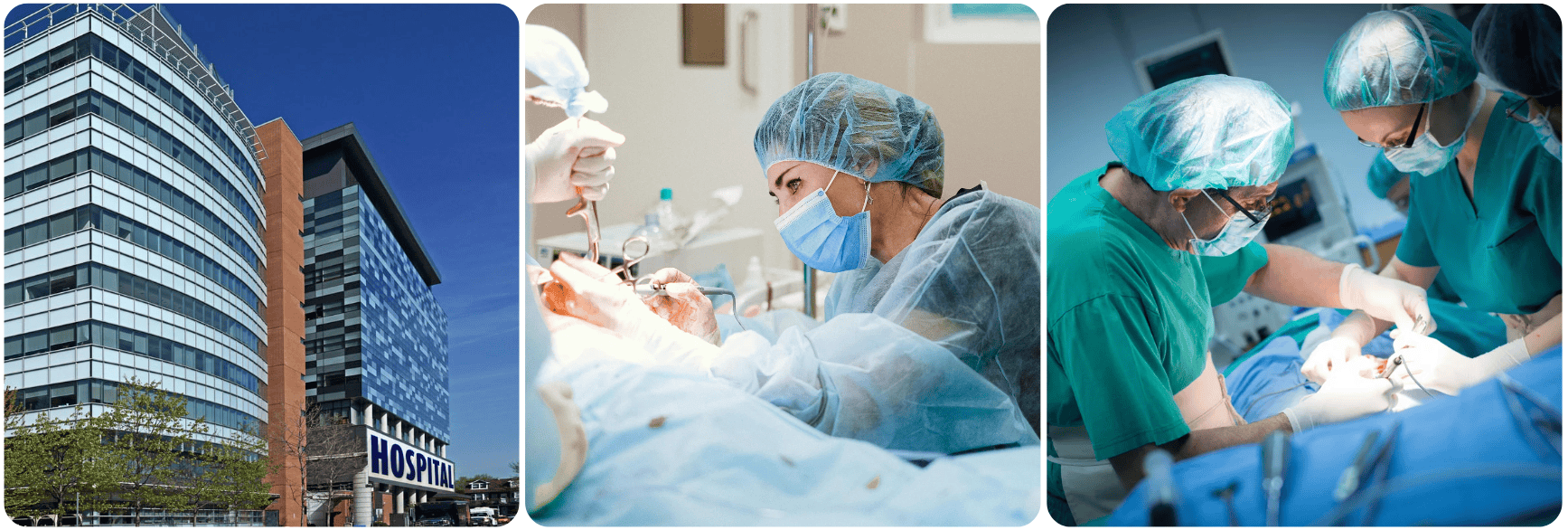
A male breast lift is performed through a surgical procedure that focuses on removing excess skin, tightening the breast tissue, and repositioning the nipples for a more youthful, toned appearance. The procedure typically begins with the administration of local anesthesia or general anesthesia, depending on the extent of the surgery and the patient’s preference. The surgeon will make carefully placed incisions around the areola or along the breast’s natural fold to minimize visible scarring. Through these incisions, the surgeon removes any excess skin and tightens the underlying tissue. If necessary, the surgeon may also reposition the nipple-areola complex to a higher, more aesthetically pleasing location to ensure a natural, well-proportioned chest. The amount of tissue removed depends on the degree of sagging and the desired result.
After the procedure, the incisions are closed, and the patient is typically asked to wear a compression garment to help reduce swelling, support the chest, and aid in the healing process. The surgery usually takes between one to three hours, depending on the complexity of the case. Most men are able to return home the same day, and the procedure is performed on an outpatient basis. Recovery time varies but generally includes a few days of rest, with most patients able to resume normal activities within one to two weeks, although strenuous exercise should be avoided for several weeks.
While a male breast lift is generally safe, like all surgeries, it carries potential risks. Being informed helps patients make a confident decision. Common considerations include temporary swelling, bruising, and mild discomfort. More rarely, complications such as infection, scarring, or asymmetry may occur.
Important considerations include:
👉 Choosing a board-certified plastic surgeon
👉 Following all pre- and post-operative instructions
👉 Maintaining a stable weight before surgery
👉 Avoiding strenuous activities during recovery
👉 Monitoring for unusual pain or changes in the chest area
Patients who understand the risks and adhere to guidance usually experience excellent outcomes. Discussing these factors in advance helps prevent surprises and ensures patient satisfaction.
The benefits of a male breast lift are both aesthetic and emotional, offering significant improvements to the appearance of the chest and boosting self-confidence. The primary benefit is the removal of excess skin and the tightening of the breast tissue, which results in a firmer, more youthful chest contour. This can be especially beneficial for men who have lost a significant amount of weight and are left with sagging or excess skin around the chest area.
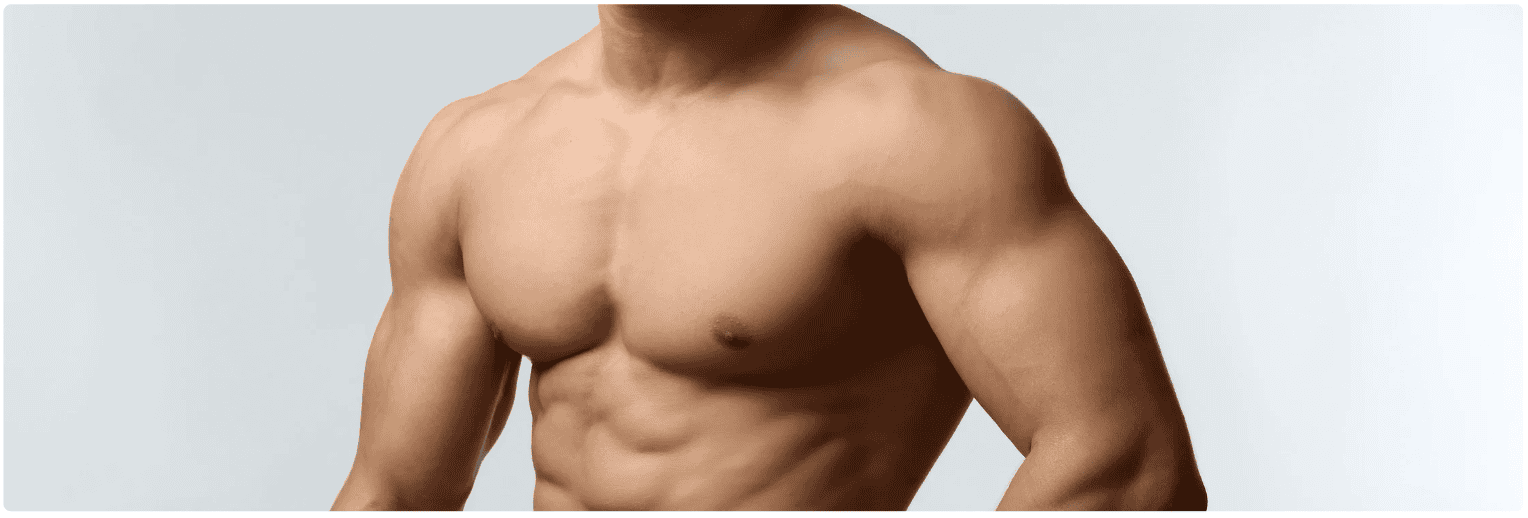
The procedure can also help restore a more masculine chest shape by repositioning the nipples and reducing the appearance of sagging, giving the chest a more defined, toned look. Another significant benefit is the improvement in overall body proportions. A male breast lift can help restore balance between the chest and the rest of the body, particularly for men who feel that their sagging breasts detract from their physical appearance. In addition to physical changes, the procedure can have a profound impact on a man's self-esteem and mental well-being.
The procedure can also help restore a more masculine chest shape by repositioning the nipples and reducing the appearance of sagging, giving the chest a more defined, toned look.
Many men who undergo a male breast lift feel more confident in their appearance and are more likely to engage in social activities or exercise without feeling self-conscious about their chest. The procedure also provides long-lasting results, as the removed skin does not regenerate, and the tissue remains firmer and more lifted over time. Overall, a male breast lift offers a safe, effective solution for men looking to improve the appearance of their chest and enhance their body image.
A male breast lift not only removes excess skin but can also enhance chest definition for a more masculine look. Surgeons may use advanced techniques to sculpt the pectoral area, creating a firmer, athletic appearance.
Contouring methods may include:
👉 Liposuction to remove residual fat deposits
👉 Tissue tightening to enhance chest firmness
👉 Nipple-areola repositioning for a balanced, proportional appearance
👉 Strategic suturing to elevate chest tissue
These methods allow surgeons to customize the lift according to each patient’s anatomy and desired outcome. Combining contouring with skin removal produces a natural, well-defined chest that complements the body’s overall shape.
Selecting a qualified surgeon is critical for achieving optimal results in a male breast lift. Expertise, experience, and an understanding of male chest anatomy are essential factors.
Tips for choosing a surgeon include:
👉 Verifying board certification and credentials
👉 Reviewing before-and-after photos of previous male patients
👉 Asking about techniques tailored for chest contouring
👉 Discussing recovery timelines and post-operative care
👉 Ensuring clear communication about expectations and goals
A skilled surgeon ensures minimal scarring, balanced symmetry, and a natural masculine appearance. Thorough consultation leads to more predictable and satisfying outcomes.
Sagging in the male chest can be caused by several factors, with aging and significant weight loss being the most common. As men age, the skin loses elasticity and firmness due to a natural decline in collagen production, which can lead to drooping in areas like the chest. Additionally, after substantial weight loss, excess skin may remain even when fat is reduced, resulting in a loose or deflated chest appearance. Hormonal imbalances and certain medical conditions may also contribute to loss of skin tone or increased breast tissue. Understanding the root cause of chest sagging is essential when considering a male breast lift, as it helps determine the most appropriate surgical approach for long-lasting results.
Sagging in the male chest can be caused by several factors, with aging and significant weight loss being the most common.
While both procedures address concerns in the male chest area, a male breast lift and gynecomastia surgery are not the same. Gynecomastia surgery focuses on removing enlarged glandular breast tissue and fat, typically for men with hormonally-induced breast growth. A male breast lift, on the other hand, primarily targets excess or sagging skin, often following weight loss or aging. In many cases, the two procedures are combined to achieve optimal chest contouring—removing both unwanted tissue and lifting the skin for a tighter, more masculine shape. It’s important to consult with a qualified surgeon to determine which procedure—or combination—is best suited to your goals.
Yes, a male breast lift is often performed alongside other body contouring procedures, particularly in men who have undergone massive weight loss. Common combinations include abdominal skin removal (panniculectomy), arm lifts (brachioplasty), or even liposuction to refine the flanks or back. Combining procedures allows for a more comprehensive transformation and helps achieve better overall body proportions in a single surgical session. While combined surgeries may slightly extend recovery time, many patients find the all-in-one approach more efficient and satisfying. Always discuss your full aesthetic goals with your surgeon to explore combination options safely and effectively.
The results of a male breast lift are generally long-lasting, especially when a stable weight is maintained. Because the procedure involves the removal of excess skin and tightening of remaining tissue, the improvements in chest contour and firmness can be seen for many years. However, natural aging processes will continue, which means some gradual loss of skin elasticity over time is possible. Significant weight fluctuations or lifestyle habits that affect skin quality, such as smoking or sun damage, can also impact the longevity of results. Maintaining a healthy lifestyle is key to preserving the benefits of the surgery for the long term.
Recovery after a male breast lift typically involves several stages. In the first few days, patients may experience swelling, mild discomfort, and tightness in the chest area. Pain is usually manageable with medication prescribed by the surgeon. A compression garment is often worn to reduce swelling and help the chest tissues settle into their new shape. Most men can return to desk jobs or light activity within 7–10 days, but exercise and heavy lifting should be avoided for at least 4–6 weeks. Full recovery—including the final appearance of scars and complete healing—may take a few months, but the improved chest contour is visible much sooner.
Good candidates for a male breast lift are generally healthy men who are experiencing sagging or drooping in the chest area due to weight loss, aging, or other factors. Ideal candidates are non-smokers, at a stable weight, and have realistic expectations about the outcomes of the procedure. It’s also important that skin elasticity is sufficient to allow for a smooth and natural-looking result after lifting. Men who have recently lost a significant amount of weight and are left with loose, hanging skin in the chest area often see the most dramatic improvement from this surgery. A thorough consultation with a board-certified plastic surgeon can help determine candidacy based on your individual anatomy and goals.
Proper preparation is crucial to achieving optimal results from a male breast lift. Patients are advised to follow pre-operative guidelines provided by their surgeon. This may include stopping certain medications, avoiding smoking, and maintaining a stable weight.
Key preparation steps include:
👉 Comprehensive medical evaluation and blood tests
👉 Avoiding aspirin, anti-inflammatory drugs, and herbal supplements that can increase bleeding
👉 Staying hydrated and eating a healthy diet prior to surgery
👉 Arranging for transportation and post-operative support at home
👉 Wearing loose, comfortable clothing on the day of surgery
Being well-prepared reduces complications and promotes a smoother recovery. Patients who follow instructions closely often experience less swelling, minimal discomfort, and faster healing.
Many men wonder whether a male breast lift impacts athletic performance. In most cases, the procedure enhances physical activity by removing excess skin and improving chest comfort. With reduced sagging and better contour, men often feel less restriction during exercises like running or weightlifting. Proper recovery is essential to prevent strain on healing tissues. Surgeons typically recommend a gradual return to training, beginning with light movements and progressing to full workouts over several weeks. Maintaining strong pectoral muscles after surgery can further enhance the lift results. Overall, the procedure can positively influence both aesthetics and functional comfort during sports.
Wearing a compression garment is a standard part of post-operative care following a male breast lift. These garments help reduce swelling, support the chest, and maintain tissue positioning during healing.
Benefits of compression garments include:
👉 Minimizing fluid accumulation and swelling
👉 Supporting the newly lifted tissue
👉 Reducing discomfort and bruising
👉 Helping incisions heal more effectively
👉 Promoting faster overall recovery
Surgeons often recommend wearing the garment for several weeks, gradually reducing usage as healing progresses. Consistent use ensures optimal contour and long-lasting results.
Men who have experienced significant weight loss often face loose, sagging chest skin. A male breast lift is particularly effective for this group, as it removes excess tissue and reshapes the chest. The procedure restores a firm, natural contour that complements overall body transformation. It’s common for patients to combine the lift with minor liposuction to refine chest edges. Recovery may take slightly longer if extensive skin removal is performed, but the long-term aesthetic benefits are substantial. A well-executed lift can dramatically improve body proportions, making clothing fit better and enhancing overall appearance.
A male breast lift is not limited to younger patients. Older men experiencing age-related sagging can also benefit from this procedure. As skin loses elasticity with age, lifting and tightening the chest restores a youthful, defined appearance. Surgeons take extra care to assess skin quality and tissue condition before surgery in older patients. Post-operative recovery may be slightly longer, but results are equally transformative. Combining the lift with minor fat removal can further enhance chest definition. Overall, age should not be a barrier to achieving a firmer, masculine chest contour.
Proper post-operative care is essential to ensure the best results after a male breast lift. Following instructions reduces complications and promotes faster healing.
Recommended post-surgery care tips include:
👉 Keeping incisions clean and dry
👉 Avoiding heavy lifting or strenuous activity for at least 4–6 weeks
👉 Wearing compression garments as instructed
👉 Attending all follow-up appointments with the surgeon
👉 Staying hydrated and maintaining a nutritious diet
👉 Monitoring for any signs of infection or unusual swelling
Adhering to these steps helps optimize healing, minimize scarring, and preserve the improved chest contour achieved through surgery.
During your consultation, you will discuss your wishes, medical history, and expectations with the doctor. The doctor will examine you, take measurements if necessary, and explain which treatment suits you best, including risks and recovery. You will have the opportunity to ask questions and then receive a clear treatment proposal.
Make sure you have all relevant medical information ready, such as previous treatments, allergies, or medical conditions. This allows the doctor to give you better advice.
Payment is made securely via SurgeryBooking. You pay the amount in advance to SurgeryBooking. We hold the funds and transfer them to the clinic after your treatment. Cancellation or change conditions vary per clinic and are clearly communicated in advance.
During the consultation (online or at the clinic), the doctor will assess this based on your health, expectations, and physical characteristics. You will discuss what you want, what is possible, and what the limitations are. Sometimes there are alternatives if the chosen treatment is not ideal.
Through SurgeryBooking.com, you can quickly and easily book a consultation or procedure with doctors and clinics worldwide. SurgeryBooking.com provides an overview of doctors and clinics, allowing you to make an informed and transparent choice when booking a consultation or procedure.
You can easily book through the profile of the desired clinic or doctor. Select the desired treatment, enter your details, and choose an available date and time. If there are any costs involved, you will complete the payment first. Afterwards, you will receive a confirmation email with all the details.
Yes, during the booking process, you can indicate whether you prefer an online consultation or an in-person consultation at the clinic.
With SurgeryBooking.com, you gain access to a global network of doctors and clinics. Through SurgeryBooking.com, you can easily book a consultation or a cosmetic procedure directly. Clinic profiles provide information about available cosmetic procedures, reviews, photos of the clinic, and other relevant details. This enables you to compare costs and make an informed decision when booking a consultation or procedure.