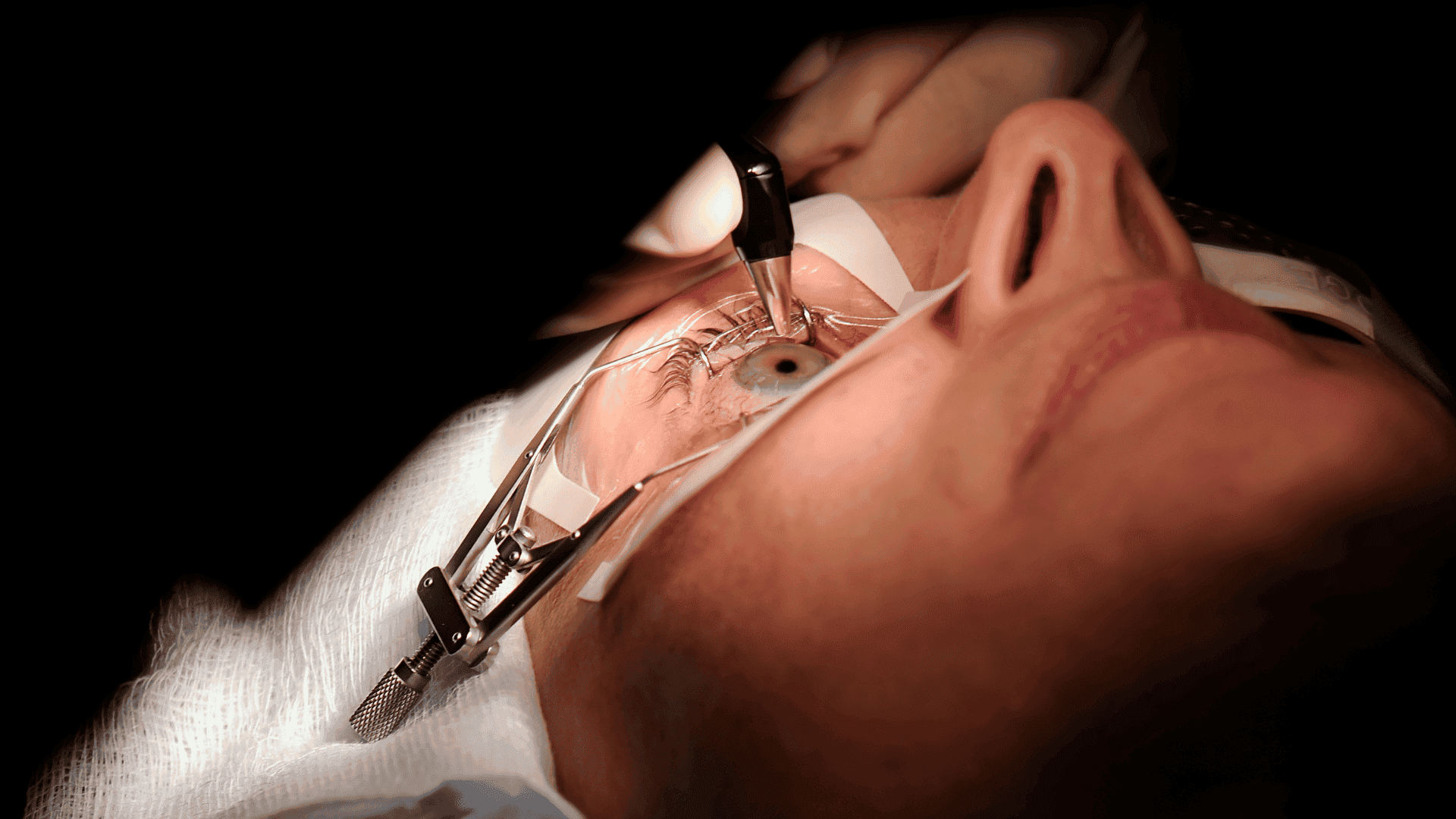
Macular degeneration is a condition that affects the macula, the central part of the retina, leading to gradual deterioration of vision, particularly in older adults. Treatment for macular degeneration varies based on the type and severity of the condition. There are two main types: dry and wet macular degeneration.
For dry macular degeneration, which is the most common form, there are currently no specific treatments to halt its progression. However, adopting a healthy lifestyle is recommended. This includes a diet rich in fruits, vegetables, and omega-3 fatty acids, as well as avoiding smoking. Some studies suggest that dietary supplements containing antioxidants, such as lutein and zeaxanthin, may help reduce the risk of progression.
Wet macular degeneration is more severe and often requires more direct treatment. This form can be treated with medications that inhibit the growth of abnormal blood vessels beneath the macula. These medications are usually injected into the eye and help prevent further damage to the retina. In some cases, laser therapy or photodynamic therapy may be used to destroy unwanted blood vessels and slow the progression of the disease.
Additionally, new and promising treatments are under development, including gene therapy and stem cell therapy, which may provide effective options for patients with macular degeneration in the future. It is crucial for individuals with risk factors or symptoms of macular degeneration to regularly visit their eye care professional for check-ups and timely treatments. Early detection and intervention can help preserve vision for as long as possible and improve overall quality of life.
Macular degeneration treatment is essential for individuals diagnosed with age-related macular degeneration (AMD), a common eye condition that leads to vision loss in the central field of vision. Without treatment, this condition can significantly impair daily activities such as reading, driving, and recognizing faces, severely impacting the quality of life. Choosing treatment early can slow the progression of the disease, helping to preserve vision for as long as possible.
People choose macular degeneration treatment because it helps to manage both the "dry" and "wet" forms of AMD. While dry AMD progresses slowly and can be managed with lifestyle changes and supplements, wet AMD can lead to rapid vision loss. For wet AMD, treatments like anti-VEGF injections are vital because they target abnormal blood vessel growth in the retina, which is the primary cause of vision loss in this form. These treatments help reduce swelling and bleeding in the eye, preventing further damage to the retina and preserving existing vision.
Another important reason for choosing treatment is the availability of new therapies that offer hope for maintaining vision. While there is no cure for macular degeneration, ongoing medical advancements in gene therapy, laser treatments, and implantable devices provide options that can improve the outlook for many patients. This evolving field means that those diagnosed with AMD now have access to a wider range of treatments than ever before, which can slow disease progression and, in some cases, improve vision.
Finally, macular degeneration treatment is a proactive step toward maintaining independence and quality of life. Vision loss from AMD can make it difficult to perform everyday tasks, leading to frustration and a loss of autonomy. By seeking timely treatment, individuals can take control of their condition, reduce the risk of severe vision loss, and maintain their ability to carry out daily activities independently for a longer period.
The treatment for macular degeneration depends on whether the patient has the dry or wet form of the condition. For dry AMD, which is the more common and less severe form, treatment focuses on slowing the progression of the disease through lifestyle changes and nutritional supplements. Patients are often advised to follow a healthy diet rich in leafy greens, fish, and antioxidants, which can protect the retina. In addition, a specific combination of vitamins and minerals, known as the AREDS2 formula, has been shown to reduce the risk of dry AMD advancing to more severe stages. Regular eye exams and monitoring are crucial to catching any progression early.
For wet AMD, which is more aggressive, treatment is more intensive and may involve anti-VEGF injections. Anti-VEGF (vascular endothelial growth factor) medications work by blocking the formation of abnormal blood vessels in the retina that cause bleeding, swelling, and scarring. These injections are typically administered directly into the eye every 4 to 12 weeks, depending on the severity of the condition and how well the patient responds. The procedure is quick and performed in a doctor’s office under local anesthesia. While the thought of an injection in the eye may be intimidating, most patients experience little discomfort, and the benefits of preserving vision are significant.
In some cases, laser therapy may be used to treat wet AMD. Laser photocoagulation involves the use of a high-energy laser to seal off leaking blood vessels in the retina, preventing further damage. Another option, photodynamic therapy (PDT), involves injecting a light-sensitive drug into the bloodstream and then activating it with a laser to target abnormal blood vessels. PDT is less common but can be effective in specific cases.
Emerging treatments for both forms of AMD include gene therapy and stem cell research, which hold promise for future advancements. Gene therapy aims to modify or replace faulty genes that contribute to AMD, potentially offering a long-term solution. Stem cell treatments involve replacing damaged retinal cells with healthy ones derived from stem cells, with the goal of restoring lost vision. These therapies are still largely in the experimental stages but represent hope for more effective treatments down the line.
The most significant benefit of macular degeneration treatment is the potential to preserve vision and prevent further deterioration. For individuals with AMD, especially the wet form, untreated disease can lead to rapid and irreversible vision loss. By undergoing treatments such as anti-VEGF injections or laser therapy, patients can significantly slow the progression of the disease and maintain their central vision for longer, which is crucial for everyday tasks like reading, driving, and recognizing faces.
Another key benefit is improved quality of life. Vision loss from macular degeneration can greatly impact a person's ability to live independently. Treating the condition early helps patients retain their independence by allowing them to perform daily activities without the need for constant assistance. This not only enhances physical autonomy but also boosts emotional well-being and confidence, reducing feelings of frustration or helplessness associated with vision impairment.
Macular degeneration treatment also offers psychological relief by giving patients a sense of control over their condition. Knowing that they are actively managing their disease can reduce anxiety and stress related to the fear of losing sight. Regular eye injections, monitoring, and check-ups provide a structured plan that allows patients to feel empowered in their healthcare journey. Many patients find comfort in the knowledge that their condition is being managed and monitored by professionals, which can improve mental and emotional outlooks.
Finally, the evolving field of macular degeneration treatment presents opportunities for long-term improvement in vision health. While current treatments focus on preserving existing vision and slowing progression, ongoing research into gene therapy, stem cell technology, and advanced surgical options offers hope for future breakthroughs that may restore lost vision or provide more permanent solutions. By staying engaged with their treatment plan and exploring new options as they become available, patients can look forward to a future where AMD may be more effectively managed or even reversed.
During your consultation, you will discuss your wishes, medical history, and expectations with the doctor. The doctor will examine you, take measurements if necessary, and explain which treatment suits you best, including risks and recovery. You will have the opportunity to ask questions and then receive a clear treatment proposal.
Make sure you have all relevant medical information ready, such as previous treatments, allergies, or medical conditions. This allows the doctor to give you better advice.
Payment is made securely via SurgeryBooking. You pay the amount in advance to SurgeryBooking. We hold the funds and transfer them to the clinic after your treatment. Cancellation or change conditions vary per clinic and are clearly communicated in advance.
During the consultation (online or at the clinic), the doctor will assess this based on your health, expectations, and physical characteristics. You will discuss what you want, what is possible, and what the limitations are. Sometimes there are alternatives if the chosen treatment is not ideal.
Through SurgeryBooking.com, you can quickly and easily book a consultation or procedure with doctors and clinics worldwide. SurgeryBooking.com provides an overview of doctors and clinics, allowing you to make an informed and transparent choice when booking a consultation or procedure.
You can easily book through the profile of the desired clinic or doctor. Select the desired treatment, enter your details, and choose an available date and time. If there are any costs involved, you will complete the payment first. Afterwards, you will receive a confirmation email with all the details.
Yes, during the booking process, you can indicate whether you prefer an online consultation or an in-person consultation at the clinic.
With SurgeryBooking.com, you gain access to a global network of doctors and clinics. Through SurgeryBooking.com, you can easily book a consultation or a cosmetic procedure directly. Clinic profiles provide information about available cosmetic procedures, reviews, photos of the clinic, and other relevant details. This enables you to compare costs and make an informed decision when booking a consultation or procedure.