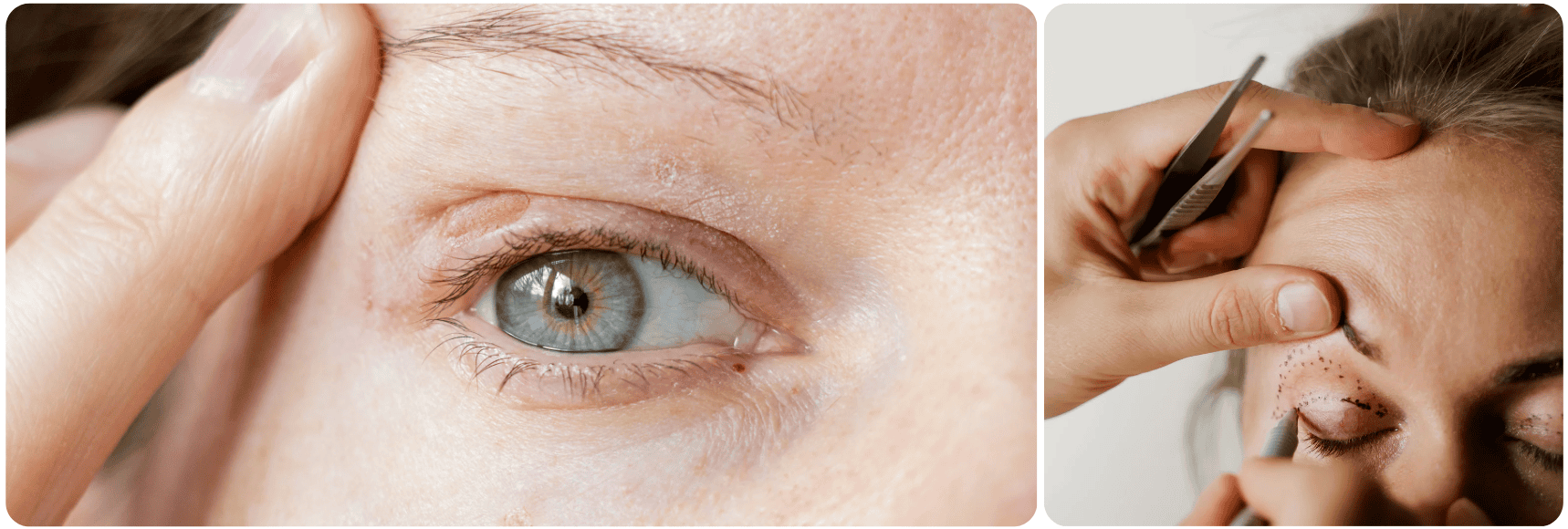
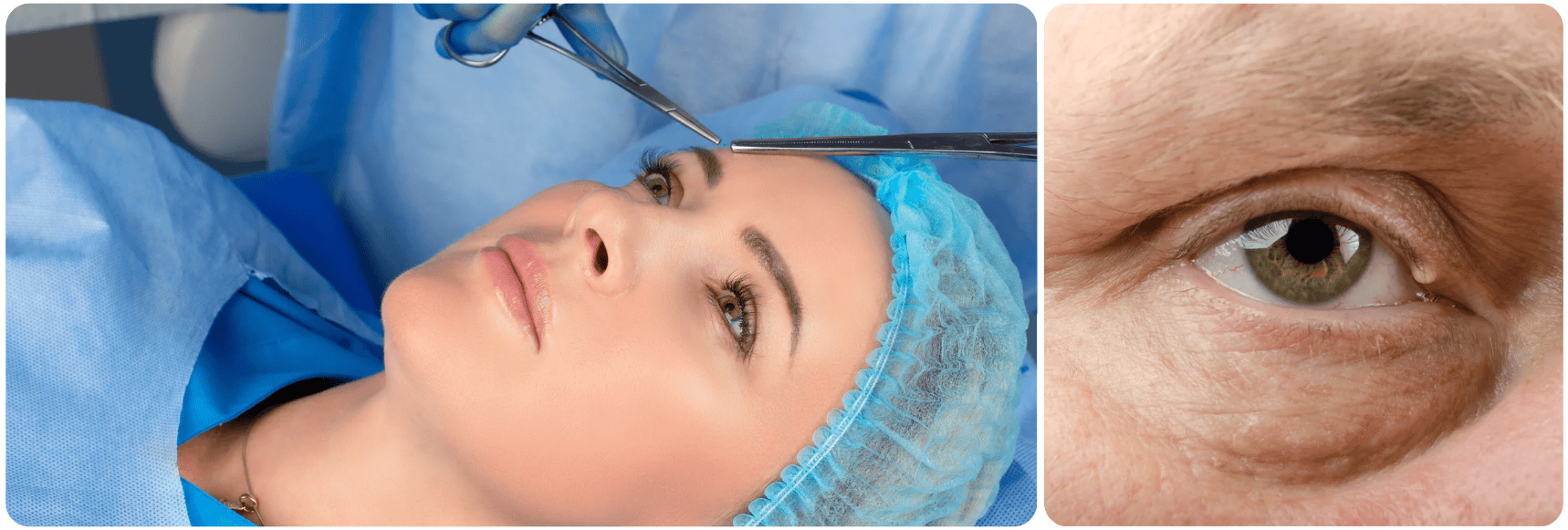
Lower eyelid surgery, also known as lower blepharoplasty, is a cosmetic procedure aimed at improving the appearance of the lower eyelids. It is often performed to reduce bags, excess skin, or fat deposits under the eyes. As people age, the skin around the eyes can lose its elasticity, and fat pockets may become more prominent, leading to a tired or older appearance. During lower eyelid surgery, excess skin is removed, and fat can be redistributed or eliminated to create a smoother, tighter result.
Lower eyelid surgery, also known as lower blepharoplasty, is a cosmetic procedure aimed at improving the appearance of the lower eyelids.
This can give the eyes a more refreshed and youthful look. The procedure is usually done under local anesthesia, with the surgeon making an incision either just below the lash line or inside the lower eyelid, minimizing visible scarring. Recovery typically takes a few weeks, with swelling and bruising gradually subsiding over time. Many individuals opt for this surgery to enhance their appearance and address functional issues such as obstructed vision due to sagging eyelids. The results are often long-lasting, leaving patients looking younger and more rejuvenated for years to come.
Lower eyelid surgery, or lower blepharoplasty, is a procedure designed to improve the appearance of the lower eyelids by addressing issues such as puffiness, under-eye bags, wrinkles, and excess skin. Many people choose this surgery to rejuvenate the eye area, as the lower eyelids can be one of the first places to show signs of aging. Over time, the skin in this area loses elasticity, fat may shift or accumulate, and fine lines can develop, making individuals look tired, older, or stressed. Lower eyelid surgery can help restore a more youthful and refreshed appearance by targeting these concerns.
Lower eyelid surgery, or lower blepharoplasty, is a procedure designed to improve the appearance of the lower eyelids by addressing issues such as puffiness, under-eye bags, wrinkles, and excess skin.
The main reason individuals opt for lower eyelid surgery is to remove or reposition fat that causes puffiness or bags under the eyes. This procedure is particularly effective for patients who have persistent under-eye bags that do not respond to lifestyle changes, like sleep or diet. Lower eyelid surgery can also smooth out wrinkles or creases under the eyes, which are often the result of aging or environmental factors. For some individuals, excess skin around the lower eyelids can create a tired or sagging look, and removing or tightening this skin can significantly enhance their overall appearance. This procedure can dramatically improve the contour of the lower eyelid area, creating a more alert and refreshed look.
Additionally, lower eyelid surgery is often chosen by those who are seeking a long-lasting solution to signs of aging. Unlike topical treatments or non-surgical procedures that may provide temporary results, lower eyelid surgery offers permanent improvement by removing the excess fat, skin, and tissue that causes puffiness and sagging.
Like any surgical procedure, lower eyelid surgery carries potential risks.
👉 Infection at the incision site
👉 Excessive bleeding or hematoma formation
👉 Temporary or permanent changes in eyelid sensation
👉 Dry eyes or irritation during healing
👉 Asymmetry between the two eyes
👉 Visible scarring in rare cases
Choosing an experienced surgeon and following all pre- and post-operative instructions can greatly reduce these risks. Patients are encouraged to discuss concerns with their surgeon before the procedure to understand possible outcomes.
Lower eyelid surgery is typically performed under local anesthesia with sedation or general anesthesia, depending on the patient’s preferences and the complexity of the procedure. The surgeon begins by making small incisions along the natural creases or lash line of the lower eyelid, or inside the lower eyelid (a technique known as transconjunctival approach), which helps avoid visible external scarring.
Lower eyelid surgery is typically performed under local anesthesia with sedation or general anesthesia, depending on the patient’s preferences and the complexity of the procedure.
If there is excess fat causing under-eye bags, the surgeon may reposition or remove it, either through the external incision or, in the case of the transconjunctival approach, through the inside of the eyelid. The fat is carefully sculpted to create a smooth contour, restoring a youthful, fresh appearance to the area. If excess skin is present, the surgeon will remove or tighten it, which helps smooth out the skin and reduce the appearance of wrinkles and sagging. In some cases, if there is a need to address muscle or ligament issues, these can be adjusted as well.
Once the desired changes have been made, the surgeon will close the incisions with fine sutures. The entire procedure typically takes one to two hours, depending on whether other facial procedures are performed in conjunction with the lower eyelid surgery. Most patients can return home the same day, although they will need someone to accompany them. The recovery process generally involves some swelling, bruising, and mild discomfort, which typically subside within a few days.
The cost of lower eyelid surgery varies depending on several factors.
👉 Geographic location and clinic reputation
👉 Experience and skill level of the surgeon
👉 Type and complexity of the procedure
👉 Whether additional procedures are combined
👉 Anesthesia and facility fees
Many clinics offer financing options to make surgery more accessible. Understanding the full cost beforehand ensures there are no unexpected expenses.
Lower eyelid surgery offers several key benefits for individuals looking to improve the appearance of their lower eyelids. One of the primary advantages is the removal or repositioning of fat that causes under-eye bags, which is a common concern for many people as they age.
By eliminating puffiness and smoothing out the contours under the eyes, the procedure can create a more youthful and refreshed look. This helps patients appear less tired, more vibrant, and rejuvenated, often improving their overall facial expression.
Lower eyelid surgery offers several key benefits for individuals looking to improve the appearance of their lower eyelids.
In addition to addressing puffiness, lower eyelid surgery can also smooth out fine lines and wrinkles that develop under the eyes over time. The removal or tightening of excess skin helps reduce the appearance of sagging, which can contribute to an aged or weary appearance. Many people who have drooping lower eyelids or noticeable wrinkles choose this surgery to restore a smoother and firmer under-eye area.
Another benefit of lower eyelid surgery is its long-lasting results. Unlike temporary treatments, such as creams or injectables, lower eyelid surgery offers permanent improvement by removing the excess fat and skin. Once the tissue is removed, it will not return, providing lasting results that are not affected by the aging process in the same way. While the skin around the eyes may still continue to age naturally over time, the improvement in contour and smoothness remains.
The recovery time for lower eyelid surgery is relatively short, with most patients experiencing mild swelling and bruising that typically resolves within one to two weeks. Patients are usually advised to avoid strenuous activities during the first few days and to follow post-operative care instructions to promote healing. The fine sutures used during the procedure help minimize scarring, and any visible scars are often hidden within the natural folds of the eyelids, making them nearly imperceptible once healed.
Finally, lower eyelid surgery can have a significant positive impact on a person’s self-confidence. Many individuals with under-eye bags or wrinkles feel self-conscious about their appearance, particularly in close-up or social settings. By improving the look of the lower eyelids, the procedure can enhance overall facial harmony and help patients feel more confident in their appearance. The refreshed, rejuvenated look created by lower eyelid surgery can give individuals a boost of confidence, which can positively affect their social interactions, career, and personal relationships.
Many patients opt to combine lower eyelid surgery with other cosmetic procedures for a more comprehensive rejuvenation.
👉 Upper eyelid surgery to address sagging lids
👉 Brow lift for a lifted and youthful appearance
👉 Facelift to improve overall facial contour
👉 Non-surgical treatments like fillers or laser resurfacing to enhance results
Combining procedures can reduce overall recovery time and provide a more balanced facial outcome. Your surgeon will evaluate which combination is safe and effective for your individual needs.
Lower eyelid surgery can be performed under different anesthesia types, depending on patient preference and surgical complexity.
👉 Local anesthesia with sedation, allowing the patient to remain awake but relaxed
👉 General anesthesia, providing complete unconsciousness for more extensive procedures
The choice of anesthesia impacts the comfort level during surgery and may affect recovery speed. Your surgeon will recommend the most appropriate option based on your medical history and the planned procedure.
Preparing for lower eyelid surgery is an important step to ensure the procedure goes smoothly and recovery is optimal. Patients are usually advised to avoid certain medications, such as blood thinners or anti-inflammatory drugs, for a few weeks before surgery. Your surgeon may recommend stopping smoking and limiting alcohol intake, as both can interfere with healing. Pre-operative instructions also include arranging transportation for the day of surgery and preparing a comfortable recovery area at home.
Patients are encouraged to discuss their medical history thoroughly to reduce any risks. Following these guidelines can significantly improve outcomes and help patients feel more confident going into the procedure. Proper preparation also allows the surgeon to plan the surgery more precisely for a natural and youthful result.
Not everyone is a perfect candidate for lower eyelid surgery. Typically, ideal candidates are healthy adults with realistic expectations about the outcome. Patients who have noticeable puffiness, sagging skin, or under-eye bags that do not respond to lifestyle changes may benefit most. Those with medical conditions that affect healing, such as uncontrolled diabetes or chronic infections, may need special evaluation.
Eye health is also important, as conditions like dry eye or glaucoma can influence the surgical plan. Your surgeon may recommend additional tests to ensure your eyes are healthy and capable of tolerating the procedure. Being a good candidate increases the likelihood of satisfying, long-lasting results.
There are several techniques used during lower eyelid surgery, depending on the patient’s needs and the surgeon’s expertise.
👉 Transconjunctival approach, where the incision is made inside the lower eyelid, leaving no visible scars
👉 Subciliary approach, where the incision is placed just below the lash line for more extensive skin removal
👉 Fat repositioning, which redistributes under-eye fat for a smoother contour
👉 Skin pinch technique, suitable for patients with minimal fat but excess skin
👉 Combination procedures, integrating fat removal and skin tightening for optimal results
Each technique has its advantages, and your surgeon will choose the most appropriate method based on your facial anatomy and aesthetic goals.
The recovery period after lower eyelid surgery is crucial for achieving the best results. Most patients experience swelling and bruising for the first few days, which gradually subsides over one to two weeks. Cold compresses and keeping the head elevated can help reduce discomfort. Pain is generally mild and managed with prescribed medication.
Sutures are usually removed within a week, and patients are advised to avoid strenuous activity for at least two weeks. Sun protection is essential during recovery to prevent pigmentation changes. Following post-operative instructions carefully ensures faster healing and minimizes the risk of complications.
Before undergoing lower eyelid surgery, certain tests may be required to ensure patient safety. These may include blood work, eye exams, and a review of your medical history. Some patients may need imaging tests if there are concerns about the underlying structures around the eyes. Pre-operative testing helps the surgeon plan the procedure precisely, reducing risks and optimizing results. Patients should provide a complete list of medications and supplements to prevent complications. These steps are essential for a safe and effective surgery.
After lower eyelid surgery, proper care is essential to support healing and maintain results.
👉 Apply prescribed ointments or eye drops to prevent infection
👉 Use cold compresses to reduce swelling
👉 Keep the head elevated while sleeping to minimize bruising
👉 Avoid rubbing or touching the eyes
👉 Attend all follow-up appointments for suture removal and monitoring
Following these tips helps ensure a smooth recovery and long-lasting results.
There are many misconceptions about lower eyelid surgery. Some believe it is only for older adults, but patients of various ages can benefit. Others assume recovery is extremely painful, though discomfort is typically mild and manageable. Some think results are temporary, but properly performed surgery provides long-lasting improvements.
Understanding the facts about the procedure allows patients to make informed decisions. Consulting with a qualified surgeon can dispel any remaining doubts and clarify realistic expectations.
Maintaining the results of lower eyelid surgery requires ongoing care. Regular sun protection, a healthy lifestyle, and avoiding smoking can help preserve skin elasticity. Some patients may choose complementary treatments such as chemical peels or laser therapy to maintain smooth skin. Hydration and skincare routines support long-term results. While aging continues naturally, following these steps ensures the improvements from surgery last as long as possible.
For patients considering lower eyelid surgery abroad, several travel considerations are important.
👉 Research reputable clinics with experienced surgeons
👉 Plan for adequate recovery time away from work or strenuous activity
👉 Arrange accommodation near the clinic for convenience
👉 Understand local healthcare standards and emergency procedures
👉 Ensure you have travel insurance covering medical care abroad
Planning carefully allows for a safe, smooth, and stress-free surgical experience, ensuring the focus remains on healing and optimal results.
During your consultation, you will discuss your wishes, medical history, and expectations with the doctor. The doctor will examine you, take measurements if necessary, and explain which treatment suits you best, including risks and recovery. You will have the opportunity to ask questions and then receive a clear treatment proposal.
Make sure you have all relevant medical information ready, such as previous treatments, allergies, or medical conditions. This allows the doctor to give you better advice.
Payment is made securely via SurgeryBooking. You pay the amount in advance to SurgeryBooking. We hold the funds and transfer them to the clinic after your treatment. Cancellation or change conditions vary per clinic and are clearly communicated in advance.
During the consultation (online or at the clinic), the doctor will assess this based on your health, expectations, and physical characteristics. You will discuss what you want, what is possible, and what the limitations are. Sometimes there are alternatives if the chosen treatment is not ideal.
Through SurgeryBooking.com, you can quickly and easily book a consultation or procedure with doctors and clinics worldwide. SurgeryBooking.com provides an overview of doctors and clinics, allowing you to make an informed and transparent choice when booking a consultation or procedure.
You can easily book through the profile of the desired clinic or doctor. Select the desired treatment, enter your details, and choose an available date and time. If there are any costs involved, you will complete the payment first. Afterwards, you will receive a confirmation email with all the details.
Yes, during the booking process, you can indicate whether you prefer an online consultation or an in-person consultation at the clinic.
With SurgeryBooking.com, you gain access to a global network of doctors and clinics. Through SurgeryBooking.com, you can easily book a consultation or a cosmetic procedure directly. Clinic profiles provide information about available cosmetic procedures, reviews, photos of the clinic, and other relevant details. This enables you to compare costs and make an informed decision when booking a consultation or procedure.