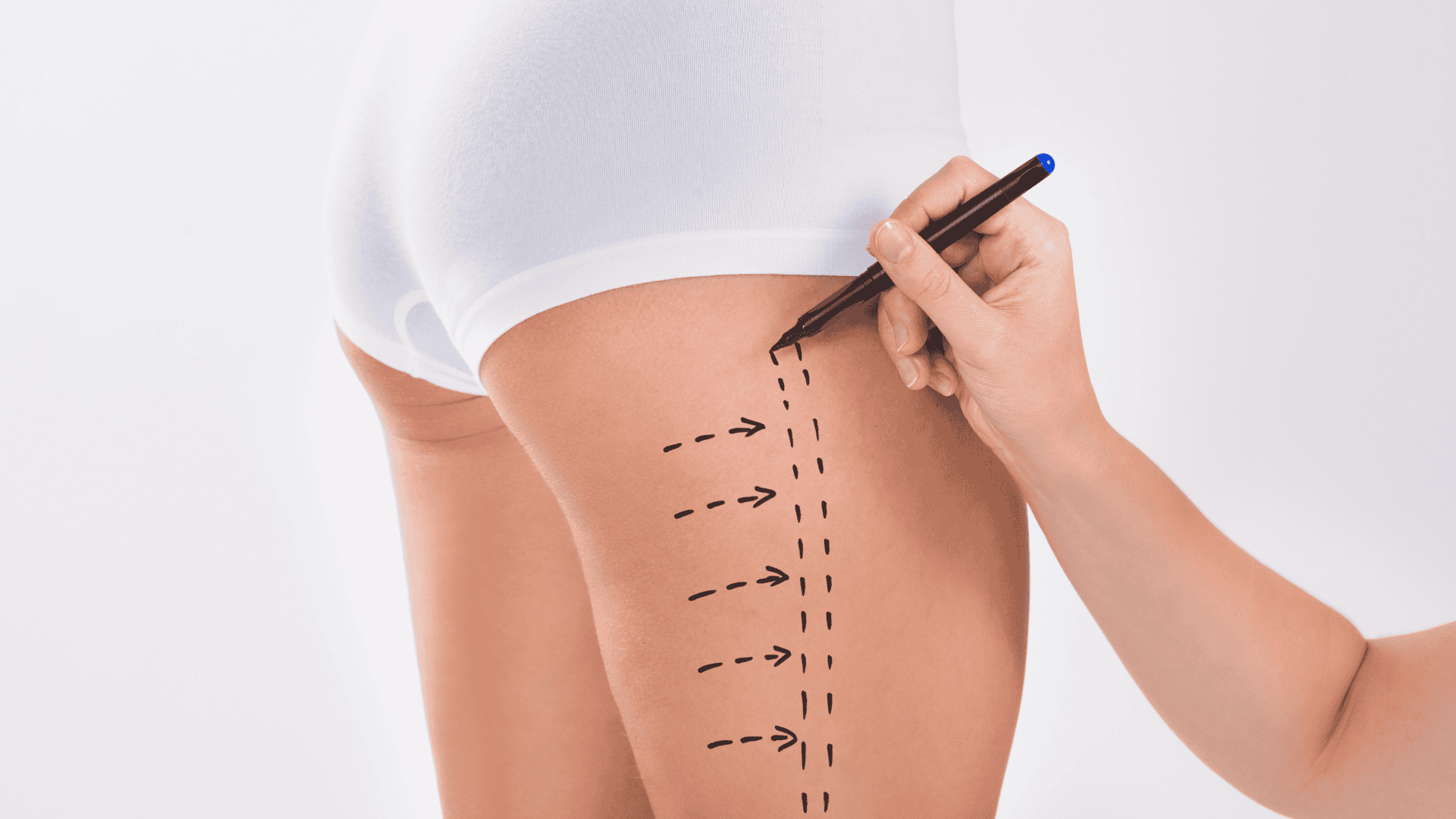
Liposuction of the legs is a cosmetic procedure designed to remove excess fat from specific areas of the legs, such as the thighs, knees, or calves, to improve their shape and contour. This is often performed on individuals who struggle to lose fat in these areas despite diet and exercise efforts.
During the procedure, a thin tube called a cannula is inserted under the skin to suction out the fat. The surgeon makes small incisions in targeted areas and uses vacuum pressure to extract the fat from the treated regions. Liposuction can be done under local or general anesthesia, depending on the extent of the treatment.
Post-procedure, it is common to experience some swelling, bruising, and discomfort. The recovery process typically takes a few weeks, during which patients may be required to wear compression garments to reduce swelling and help the skin conform to the new shape. The results of leg liposuction are generally long-lasting, provided that the patient maintains a stable weight.
While liposuction of the legs is considered a relatively safe procedure, there are risks involved, such as infection, asymmetry, or changes in skin sensation. It is essential to have the procedure performed by a qualified plastic surgeon and to have realistic expectations about the potential outcomes.
Liposuction for the legs is a popular cosmetic procedure for individuals seeking to contour and refine the appearance of their thighs, calves, or ankles. Many people struggle with stubborn fat deposits in these areas, even with a healthy diet and regular exercise. These fat pockets can create a disproportionate look or make the legs appear bulky, impacting one’s confidence and clothing choices. Liposuction addresses these concerns by removing excess fat and sculpting the legs to achieve a slimmer and more toned appearance.
This procedure is often chosen by those who wish to target specific areas, such as the inner thighs, outer thighs (often referred to as "saddlebags"), or the calves and ankles. Each of these regions can accumulate fat that resists traditional weight-loss efforts. By selectively removing fat deposits, liposuction provides results that are not only noticeable but also long-lasting, as the removed fat cells do not regenerate. It’s an excellent option for anyone seeking to enhance the shape of their legs, achieve better proportions, or simply feel more confident in their body.
Liposuction for the legs is a highly customizable procedure that is tailored to the patient’s specific goals and anatomy. The process begins with a consultation, during which the surgeon evaluates the patient’s concerns and discusses the desired outcomes. Once a plan is established, the procedure is performed under local anesthesia, sedation, or general anesthesia, depending on the extent of the treatment and the patient’s comfort preferences.
Liposuction for the legs is a highly customizable procedure that is tailored to the patient’s specific goals and anatomy.
The surgeon begins by making small, strategically placed incisions in the targeted areas. A tumescent solution, which contains a mixture of saline, local anesthetic, and epinephrine, is injected into the treatment area to numb the site, reduce bleeding, and loosen the fat cells. A thin tube called a cannula is then inserted through the incisions, and the surgeon uses controlled movements to break up and suction out the excess fat. Advanced techniques, such as power-assisted or ultrasound-assisted liposuction, may be used to enhance precision and minimize tissue trauma.
Depending on the areas being treated, the procedure can take one to three hours. Common focus areas include the inner thighs, which are contoured for a more streamlined appearance, the outer thighs to eliminate saddlebags, and the calves and ankles to address "cankles." Once the desired shape is achieved, the incisions are closed, and the legs are wrapped in compression garments to minimize swelling and support the healing process. Patients are typically able to return home the same day and begin their recovery.
Liposuction of the legs is best suited for individuals who are close to their ideal body weight but struggle with localized fat deposits in the lower body. These fat pockets are often genetically determined and may not respond to exercise or healthy eating. People considering leg liposuction should have realistic expectations and understand that the procedure focuses on contouring rather than weight loss. Skin elasticity also plays an important role, as firmer skin tends to adapt better to the new shape after fat removal.
Liposuction of the legs is best suited for individuals who are close to their ideal body weight but struggle with localized fat deposits in the lower body.
Good candidates are generally in good overall health and do not have medical conditions that could impair healing. Stable body weight is another key factor, as significant weight fluctuations after the procedure may affect the final outcome. Liposuction of the legs is commonly considered by those who feel their thighs, knees, or calves appear disproportionate to the rest of their body. When approached with the right mindset, this procedure can lead to subtle yet meaningful improvements in leg contour.
Leg liposuction can target several specific zones, depending on where excess fat is located. Each area requires a tailored approach to maintain natural-looking proportions and smooth transitions. Surgeons often evaluate how different parts of the leg relate to each other before defining a treatment plan. This customized strategy helps achieve balanced and harmonious results.
Commonly treated areas include:
👉 Inner thighs, which often cause friction and discomfort
👉 Outer thighs, sometimes referred to as saddlebags
👉 Knees, where fat can disrupt the leg’s natural lines
👉 Calves and ankles, especially in cases of stubborn localized fat
By focusing on these precise areas, leg liposuction can refine the silhouette without overcorrecting. The goal is to enhance the natural shape of the legs rather than create an artificial or overly slim appearance.
Skin quality is a crucial factor in determining the outcome of liposuction of the legs. After fat is removed, the skin must retract and adapt to the new contours underneath. Individuals with good elasticity often see smoother and more even results, while reduced elasticity may increase the risk of looseness or irregularities. Age, genetics, sun exposure, and lifestyle habits all influence skin condition.
While leg liposuction does not directly tighten the skin, mild skin retraction is common as swelling subsides. In some cases, surgeons may advise complementary treatments or techniques to support skin adaptation. Understanding the role of skin elasticity helps set realistic expectations and contributes to overall satisfaction with the procedure.
Many people explore diet and exercise extensively before considering liposuction of the legs. While physical activity is essential for overall health, it does not always address localized fat deposits. Certain fat cells, particularly in the thighs and knees, can be resistant to traditional weight-loss methods. This is where leg liposuction differs significantly from exercise-based approaches.
Many people explore diet and exercise extensively before considering liposuction of the legs.
Exercise helps strengthen muscles and improve circulation, but it cannot selectively remove fat from specific areas. Liposuction, on the other hand, directly targets and removes these stubborn fat cells. It is often seen as a contouring solution rather than a replacement for a healthy lifestyle. When combined with regular activity, the results of liposuction can appear even more defined and long-lasting.
Achieving symmetry is a key objective in liposuction of the legs. Even small differences between the left and right leg can be noticeable, especially in areas like the knees or inner thighs. Surgeons take careful measurements and work gradually to maintain balance throughout the procedure. This attention to detail is essential for natural-looking outcomes.
Achieving symmetry is a key objective in liposuction of the legs.
Proportion is equally important, as overly aggressive fat removal can disrupt the leg’s natural shape. Leg liposuction aims to enhance existing contours rather than dramatically alter anatomy. By preserving gentle curves and smooth transitions, the legs maintain a harmonious relationship with the hips and lower body.
Liposuction for the legs offers a variety of benefits that extend beyond physical appearance, helping individuals feel more confident and comfortable in their own skin. One of the most significant advantages is the ability to achieve a more proportionate and sculpted leg contour. By targeting and removing localized fat deposits, the procedure creates a slimmer and more toned look, enhancing the overall symmetry and balance of the lower body. This can make a dramatic difference in how clothing fits, allowing patients to enjoy styles they may have previously avoided.
Another major benefit is the procedure’s long-lasting results. Once fat cells are removed during liposuction, they do not grow back. While maintaining a stable weight is important to preserve the results, patients can enjoy a permanently improved leg shape with proper care. This makes liposuction a highly effective solution for addressing stubborn fat that has not responded to diet or exercise.
Liposuction for the legs also provides a boost in confidence and self-esteem. Many patients report feeling more comfortable in swimwear, shorts, and dresses after the procedure, as their legs appear more defined and attractive. Additionally, the treatment can improve comfort in daily life by reducing friction between the thighs or alleviating heaviness in the calves and ankles.
Finally, liposuction for the legs is a versatile and customizable procedure. It allows patients to focus on specific problem areas, tailoring the treatment to their individual needs and goals. The recovery process is relatively quick, with most individuals resuming their normal activities within a few weeks. Whether the goal is to refine the thighs, slim the calves, or contour the ankles, liposuction provides a reliable and transformative option for creating beautifully sculpted legs.
The recovery process after liposuction of the legs varies depending on the extent of treatment and individual healing response. Swelling and bruising are common in the early stages and gradually improve over several weeks. Compression garments are typically recommended to support healing and help the skin adapt to the new contours.
Most people can resume light activities within a few days, while more strenuous exercise may require several weeks. Key aspects of recovery often include:
👉 Temporary swelling that may last several weeks
👉 Gradual improvement in leg shape over time
👉 Wearing compression garments as advised
👉 Following aftercare instructions closely
Patience is essential, as final leg liposuction results become more visible once swelling fully subsides.
One of the defining characteristics of liposuction of the legs is the permanent removal of fat cells. Once these cells are removed, they do not regenerate in the treated areas. This means that the improved contours can be long-lasting, provided that overall body weight remains stable. However, remaining fat cells can still expand if significant weight gain occurs.
Maintaining results involves healthy habits and realistic expectations. Leg liposuction reshapes the legs but does not prevent future changes related to aging or lifestyle. Understanding how fat cells behave after the procedure helps individuals make informed decisions about long-term body maintenance.
Like any cosmetic procedure, liposuction of the legs carries certain risks that should be carefully considered. While complications are relatively uncommon when performed by qualified professionals, it is important to be aware of potential issues. These may include uneven contours, temporary numbness, or prolonged swelling.
Key considerations often discussed include:
👉 Individual healing response and recovery speed
👉 The importance of proper aftercare
👉 Realistic expectations about outcomes
👉 Choosing an experienced and qualified surgeon
Being well-informed allows individuals to approach leg liposuction with confidence and clarity.
Setting realistic expectations is essential for satisfaction with liposuction of the legs. The procedure enhances contours but does not completely transform the legs overnight. Results are gradual, and subtle improvements often look more natural than dramatic changes. Understanding this helps align expectations with achievable outcomes.
Photos, consultations, and professional guidance can provide valuable context. Leg liposuction works best when seen as a refinement rather than a complete makeover. This mindset contributes to higher satisfaction and a more positive overall experience.
There are several techniques used in liposuction of the legs, each with its own characteristics. Traditional tumescent liposuction remains widely used due to its safety profile and effectiveness. Other methods, such as power-assisted or ultrasound-assisted liposuction, may offer enhanced precision in certain cases.
The choice of technique depends on factors like fat density, treatment area, and surgeon preference. While techniques vary, the core goal of leg liposuction remains the same: precise fat removal with minimal disruption to surrounding tissues.
Liposuction of the legs is often part of a broader body contouring approach. Some individuals choose to address multiple areas over time to achieve balanced proportions. Viewing leg liposuction as one element of an overall aesthetic plan can help maintain harmony throughout the body.
This holistic perspective emphasizes proportion, symmetry, and natural results. Rather than focusing on a single area in isolation, body contouring considers how each region complements the others. This approach supports sustainable and visually pleasing outcomes.
Beyond physical changes, liposuction of the legs can influence how individuals feel about their appearance. Many report increased comfort in clothing and greater confidence in social situations. These psychological benefits are often linked to improved body image rather than dramatic physical change.
At the same time, it is important to approach leg liposuction with a healthy mindset. The procedure is not a solution for deeper self-esteem issues, but it can support personal goals related to body confidence. When combined with balanced lifestyle choices, the results often feel both empowering and sustainable.
During your consultation, you will discuss your wishes, medical history, and expectations with the doctor. The doctor will examine you, take measurements if necessary, and explain which treatment suits you best, including risks and recovery. You will have the opportunity to ask questions and then receive a clear treatment proposal.
Make sure you have all relevant medical information ready, such as previous treatments, allergies, or medical conditions. This allows the doctor to give you better advice.
Payment is made securely via SurgeryBooking. You pay the amount in advance to SurgeryBooking. We hold the funds and transfer them to the clinic after your treatment. Cancellation or change conditions vary per clinic and are clearly communicated in advance.
During the consultation (online or at the clinic), the doctor will assess this based on your health, expectations, and physical characteristics. You will discuss what you want, what is possible, and what the limitations are. Sometimes there are alternatives if the chosen treatment is not ideal.
Through SurgeryBooking.com, you can quickly and easily book a consultation or procedure with doctors and clinics worldwide. SurgeryBooking.com provides an overview of doctors and clinics, allowing you to make an informed and transparent choice when booking a consultation or procedure.
You can easily book through the profile of the desired clinic or doctor. Select the desired treatment, enter your details, and choose an available date and time. If there are any costs involved, you will complete the payment first. Afterwards, you will receive a confirmation email with all the details.
Yes, during the booking process, you can indicate whether you prefer an online consultation or an in-person consultation at the clinic.
With SurgeryBooking.com, you gain access to a global network of doctors and clinics. Through SurgeryBooking.com, you can easily book a consultation or a cosmetic procedure directly. Clinic profiles provide information about available cosmetic procedures, reviews, photos of the clinic, and other relevant details. This enables you to compare costs and make an informed decision when booking a consultation or procedure.