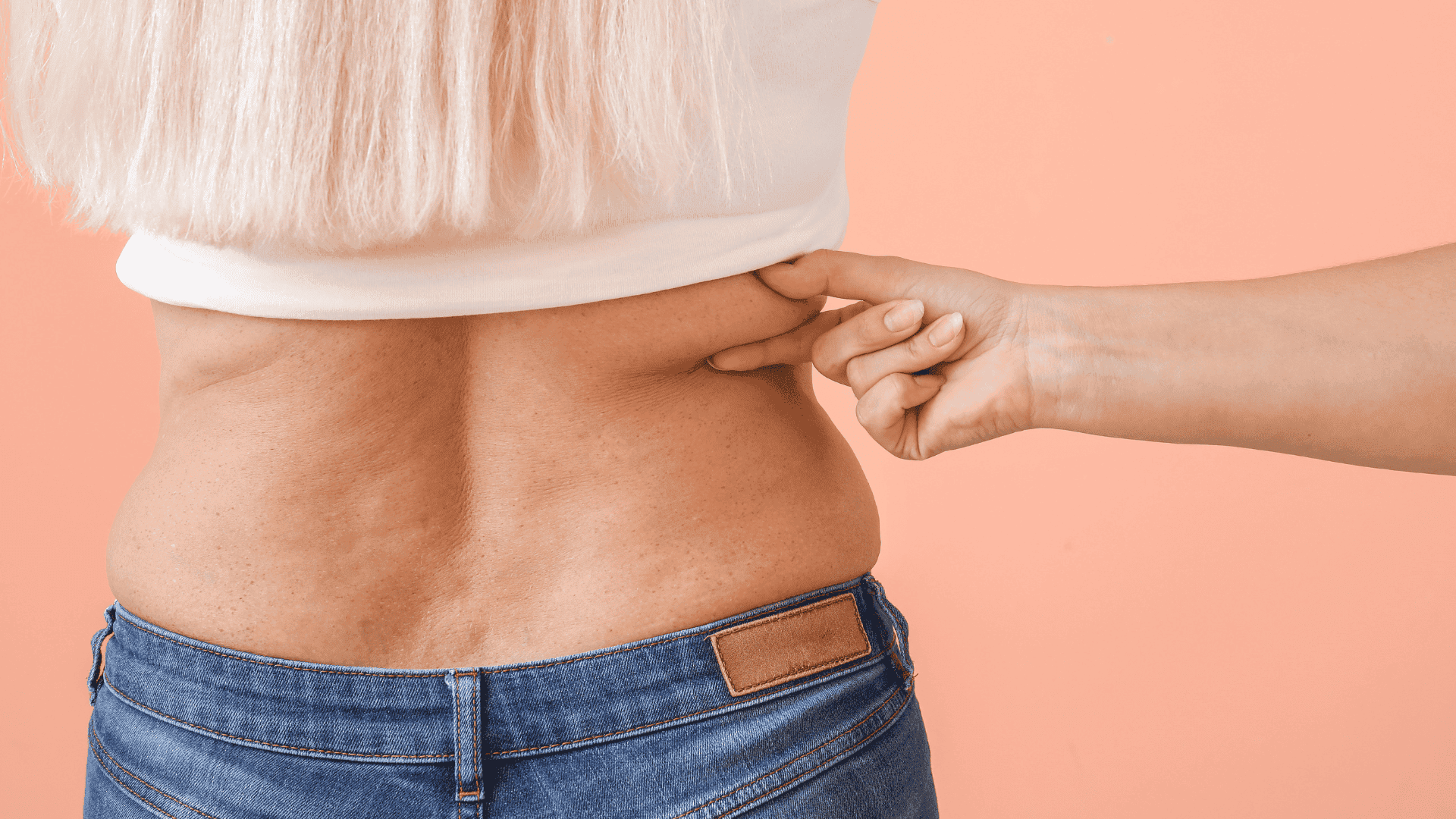
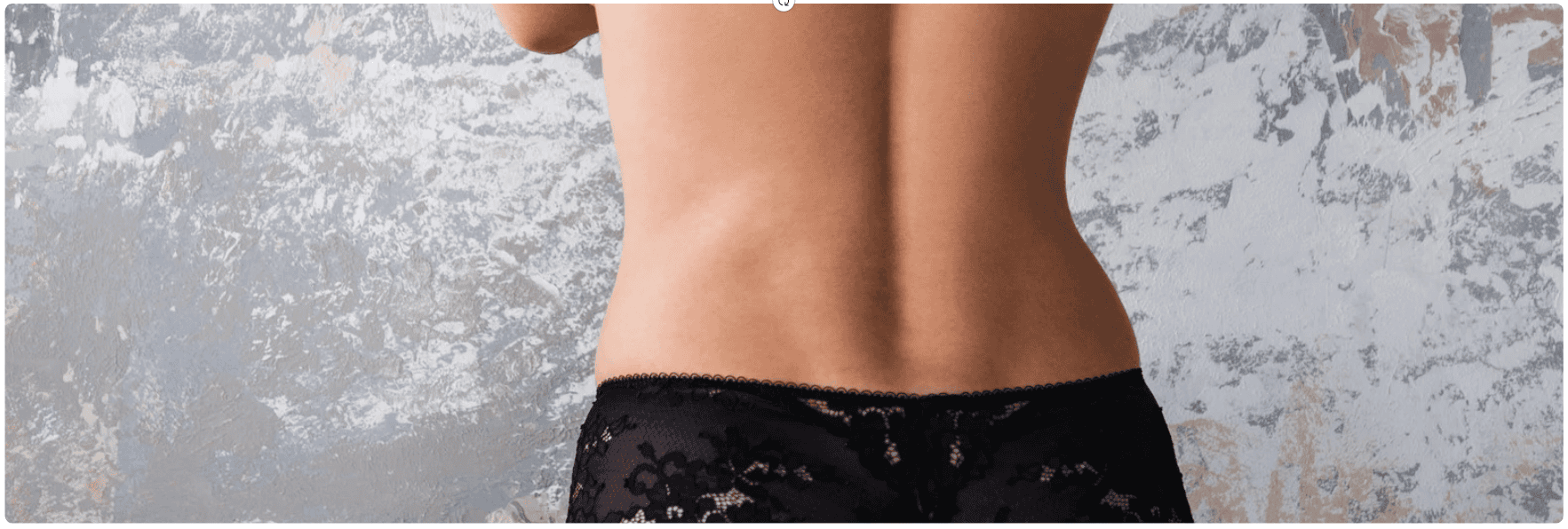
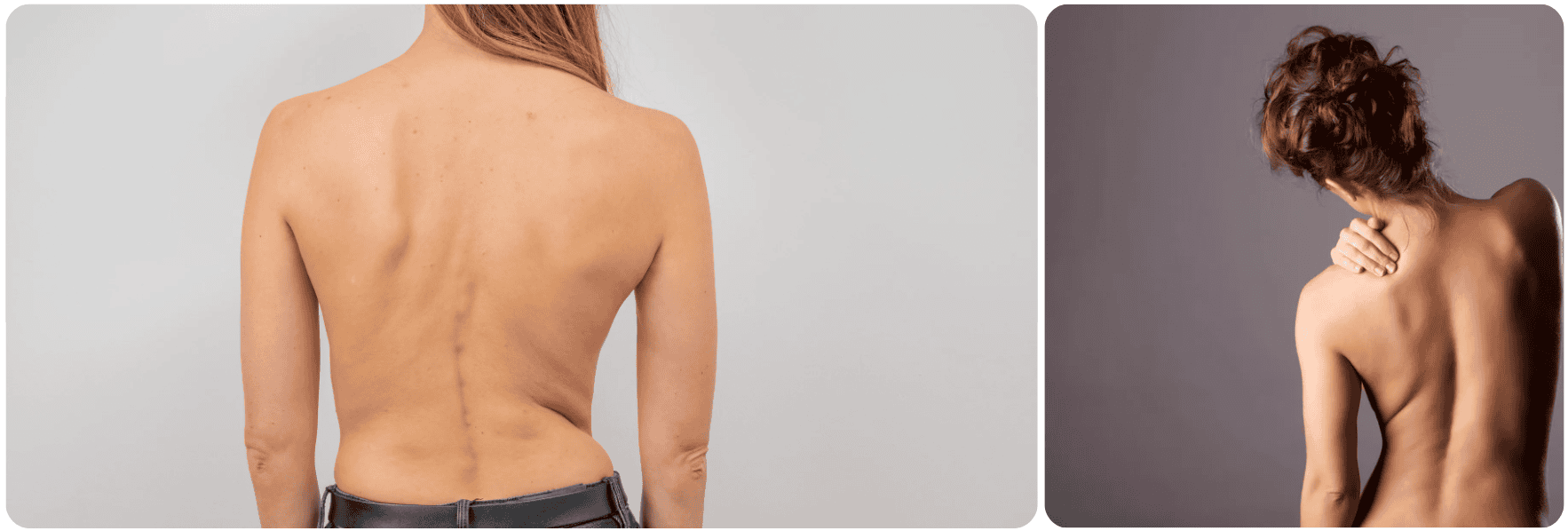
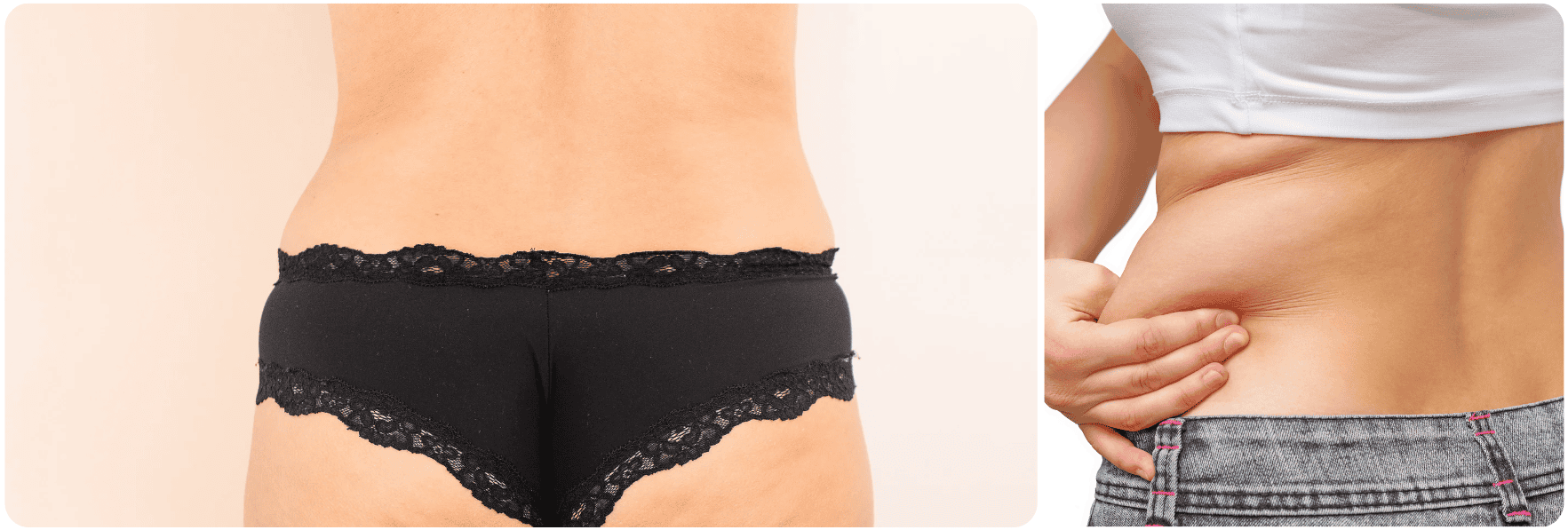
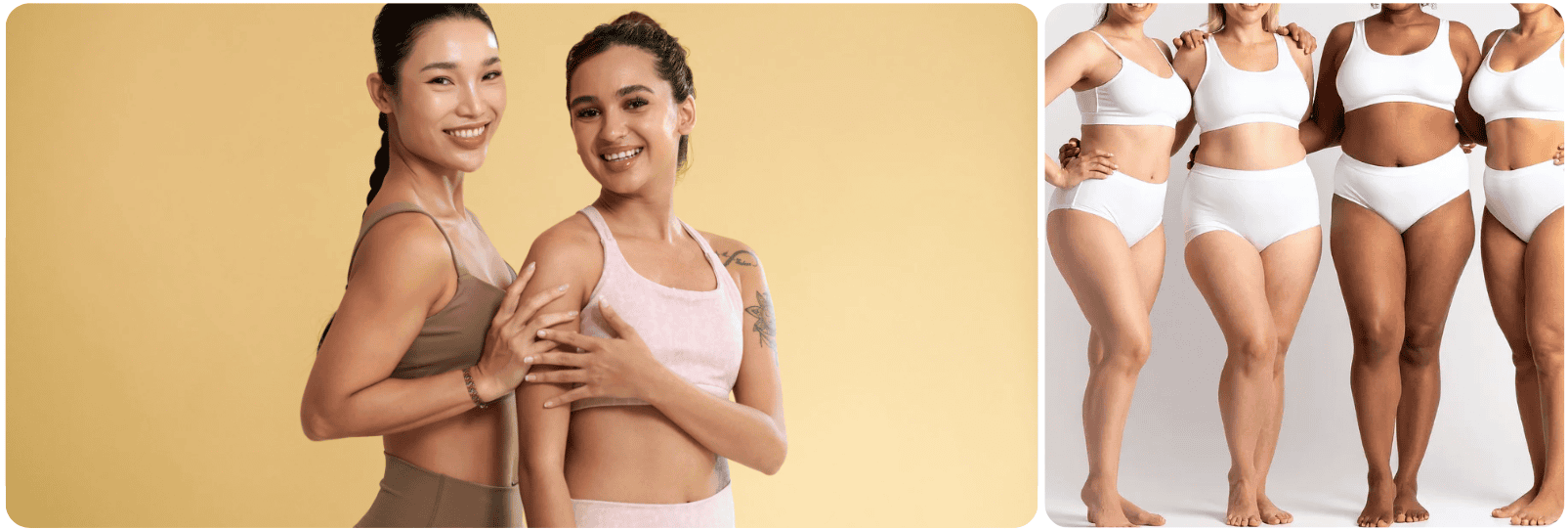
Liposuction of the back is a cosmetic procedure designed to remove excess fat tissue from the back, creating a slimmer and more contoured profile. This treatment is ideal for individuals who struggle with stubborn fat deposits in the back, such as "love handles" or fat around the shoulder blades, despite maintaining a healthy diet and engaging in regular exercise. Liposuction can help improve overall body contours and achieve a more balanced appearance.
Liposuction of the back is a cosmetic procedure designed to remove excess fat tissue from the back, creating a slimmer and more contoured profile.
During the procedure, the surgeon makes small incisions in the skin and uses a thin tube, known as a cannula, to gently suction out the fat tissue. This technique is less invasive than traditional liposuction, allowing for faster recovery times and reduced risk of complications. The procedure can be performed under local or general anesthesia, depending on the extent of the liposuction and the patient's preference.
After the treatment, patients may experience some swelling and bruising for a few days to weeks, but these symptoms typically resolve quickly. Wearing a special compression garment can help promote healing and optimize the final results. Liposuction of the back often results in a tighter and more defined silhouette, contributing to increased self-confidence and improved body image.
It is essential for patients to have realistic expectations and discuss their goals and concerns with an experienced plastic surgeon. This allows for the development of a personalized treatment plan tailored to their specific needs. Liposuction of the back is an effective option for those seeking a long-term solution to reduce unwanted fat deposits and achieve a slimmer and more aesthetically pleasing appearance.
Liposuction on the back is performed to remove excess fat deposits from areas such as the upper back, lower back, flanks (love handles), or the bra line. These areas often accumulate stubborn fat that can be difficult to reduce through diet and exercise alone.
Liposuction on the back is performed to remove excess fat deposits from areas such as the upper back, lower back, flanks (love handles), or the bra line.
Many people struggle with localized fat in these regions, which can lead to an imbalance in body proportions, making the individual feel self-conscious or uncomfortable. Liposuction is a popular solution for those who are looking to contour their back, smooth out bulges, or achieve a more toned and sculpted appearance. It is particularly effective in addressing areas where fat tends to be resistant to traditional weight loss methods.
This procedure can improve body symmetry, boost self-confidence, and allow individuals to feel more comfortable wearing certain types of clothing, such as swimsuits or fitted tops. Liposuction on the back is not intended for weight loss but is rather a body contouring procedure to target stubborn fat pockets and create a more balanced, aesthetic appearance.
A frequent misunderstanding is that liposuction is a weight-loss solution. In reality, it is designed for contouring specific problem areas. Another myth is that results appear instantly, when in fact swelling can mask improvements for weeks.
Some also assume cellulite will disappear completely, which is not always the case, as cellulite involves skin structure rather than fat alone. Clear information helps patients approach the procedure with realistic expectations.
Misconceptions often include:
👉 Expecting dramatic scale changes
👉 Assuming zero recovery time
👉 Believing cellulite will vanish entirely
👉 Thinking results require no maintenance
Understanding these points supports better decision-making around liposuction of the back.
Liposuction on the back is typically performed under local anesthesia, although general anesthesia may be used depending on the extent of the procedure and the patient's preference.
The procedure begins with the surgeon marking the target areas on the back where fat is to be removed. Small incisions are then made in discreet locations, often near the bra line or within natural folds of the skin, to minimize visible scarring. A thin, hollow tube called a cannula is inserted through these incisions, and using gentle suction, the cannula is moved back and forth to break up and remove fat cells. The fat is then suctioned out of the body through the cannula.
The procedure begins with the surgeon marking the target areas on the back where fat is to be removed.
Depending on the amount of fat being removed and the specific areas being treated, the procedure can take anywhere from one to several hours. Afterward, compression garments are typically worn to help reduce swelling and support the healing process.
The patient may experience some bruising, swelling, or discomfort in the treated areas, but these effects typically subside within a few weeks. The recovery time can vary, but most people can resume light activities within a few days and return to their normal routine after a few weeks. Liposuction on the back is usually performed as an outpatient procedure, meaning patients can go home the same day.
Back fat behaves differently from fat stored in the abdomen or thighs. The upper and lower back often contain dense, fibrous fat layers that are more resistant to metabolic change, which is why back liposuction is frequently considered when lifestyle measures fail. These pockets commonly appear along the bra line, beneath the shoulder blades, or around the waistline, creating visible folds that persist even at lower body weights.
Several biological factors influence this pattern of storage, including genetics, hormone balance, and age-related changes in skin elasticity. As the skin becomes less firm over time, fat bulges may appear more pronounced. Understanding this anatomy helps explain why liposuction of the back focuses on precise contouring rather than simple fat removal.
Key contributors to stubborn back fat include:
👉 Genetic fat placement patterns
👉 Reduced skin elasticity with aging
👉 Hormonal fluctuations
👉 Localized fat cell density
Recognizing these elements allows patients to set realistic expectations for back liposuction results and understand why targeted body contouring can be more effective than generalized weight loss.
Back liposuction is not a one-size-fits-all approach. Surgeons typically divide the back into multiple aesthetic zones to achieve smoother transitions and natural-looking contours. Each zone requires a slightly different technique due to variations in fat density and skin thickness.
The most commonly addressed areas include the upper back rolls, mid-back bulges, lower back, and flanks. Treating these zones strategically helps avoid uneven results and improves overall symmetry. This zonal approach is especially important for patients seeking a more defined waistline or a smoother appearance under fitted clothing.
Common treatment zones include:
👉 Upper bra-line fat
👉 Mid-back folds beneath the shoulder blades
👉 Lower back fullness
👉 Flank or “love handle” regions
By sculpting each section individually, liposuction of the back can create a continuous, refined silhouette rather than isolated flat spots.
The benefits of liposuction on the back are mainly aesthetic, as it helps to remove stubborn fat deposits and contour the back to create a smoother, more toned appearance. One of the most immediate benefits is the improvement in body proportions, as the procedure can eliminate fat from areas like the flanks, upper back, or the area around the bra line, creating a more balanced silhouette. This can result in a more defined and youthful appearance, boosting the patient’s self-esteem and confidence, especially when wearing form-fitting clothes or swimwear.
The benefits of liposuction on the back are mainly aesthetic, as it helps to remove stubborn fat deposits and contour the back to create a smoother, more toned appearance.
Another advantage is the long-lasting results. Since liposuction removes fat cells from specific areas, those cells do not regenerate, so the results tend to be permanent as long as the individual maintains a healthy lifestyle. Liposuction on the back can also provide functional benefits, such as improved posture and a more comfortable fit for clothing. For some individuals, the removal of excess fat in these areas can reduce discomfort caused by the fat pressing on the skin or rubbing against clothing.
Additionally, liposuction is a relatively low-risk procedure with a quick recovery time compared to more invasive surgeries, making it an attractive option for many people looking to enhance their body contour without undergoing a more extensive procedure. Overall, the benefits of liposuction on the back include enhanced body confidence, a smoother, more sculpted appearance, and long-term satisfaction with the results.
Not everyone is an ideal candidate for this procedure. Back liposuction works best for individuals who are close to their target weight but struggle with localized fat deposits. Skin quality also plays a major role, as good elasticity allows the skin to retract smoothly after fat removal.
Medical history, smoking status, and overall physical health are also assessed before moving forward. Liposuction is not a treatment for obesity, nor does it replace healthy habits. Instead, it is considered a body-contouring technique designed to refine existing proportions.
Typical suitability factors include:
👉 Stable body weight
👉 Localized back fat resistant to exercise
👉 Reasonable skin firmness
👉 No serious underlying medical conditions
Patients who meet these criteria usually experience more predictable outcomes and higher satisfaction with back liposuction.
Today’s procedures often rely on advanced methods that go beyond traditional suction-assisted liposuction. Techniques such as tumescent liposuction, power-assisted liposuction (PAL), or ultrasound-assisted approaches help break down fat more efficiently while minimizing trauma to surrounding tissues.
These technologies allow for more precise sculpting, reduced bleeding, and faster recovery in many cases. The choice of method depends on fat consistency, treatment area size, and surgeon preference. For fibrous back fat, energy-assisted techniques can be especially helpful.
Frequently used approaches include:
👉 Tumescent infiltration for reduced discomfort
👉 Power-assisted cannulas for dense fat layers
👉 Ultrasound-assisted devices for fibrous areas
👉 Micro-cannulas for refined contouring
Such innovations have significantly improved the safety profile and aesthetic outcomes of liposuction of the back.
Healing after back liposuction occurs gradually and in stages. Initial swelling and bruising are common during the first two weeks, while compression garments are typically worn for several weeks to support tissue contraction. Most people return to desk-based work within a few days, although strenuous activity should be postponed.
Final results are not immediate. As residual swelling subsides and skin adapts to the new contours, improvements continue for several months. Patience is essential during this phase, as early asymmetry usually resolves on its own.
A general recovery overview looks like this:
👉 Days 1–7: swelling and mild discomfort
👉 Weeks 2–4: visible contour changes begin
👉 Months 2–3: skin tightening progresses
👉 Months 3–6: final shape becomes apparent
Understanding this timeline helps manage expectations for back liposuction recovery.
Incisions used during back liposuction are intentionally small and strategically placed within natural skin folds or along clothing lines. Over time, these entry points typically fade and become barely noticeable. Proper aftercare plays a major role in scar quality.
Patients are often advised to avoid sun exposure on healing areas and to follow scar-management protocols if recommended. While scarring is unavoidable with any surgical procedure, modern techniques aim to keep marks minimal and discreet.
Common scar-minimizing strategies include:
👉 Precise incision placement
👉 Silicone-based scar treatments
👉 Sun protection during healing
👉 Gentle massage once approved
With appropriate care, scars from liposuction of the back are usually subtle.
One important aspect of back liposuction is how the skin responds afterward. In patients with good elasticity, the skin naturally contracts around the new shape. However, mild laxity may persist in some cases, especially in older individuals.
Certain energy-based devices can be combined with liposuction to stimulate collagen production and encourage additional tightening. This hybrid approach is sometimes chosen when skin quality is borderline.
Factors affecting post-liposuction skin behavior include:
👉 Age-related collagen levels
👉 Amount of fat removed
👉 Individual healing response
👉 Use of adjunct tightening technologies
These elements directly influence the final appearance after back liposuction.
Many patients choose to address multiple regions during a single session to achieve balanced proportions. Back liposuction is frequently paired with flank, abdomen, or waist contouring to create a more cohesive body shape.
Treating connected areas together can enhance the overall aesthetic flow and reduce the need for future procedures. However, safety limits always apply regarding total fat removal and operative time.
Common combination treatments include:
👉 Back and flanks
👉 Back and abdomen
👉 Back and arms
👉 Back and waist sculpting
This integrated approach often delivers more harmonious body contouring results.
Finding reliable information is an important step when exploring cosmetic procedures. Independent platforms like SurgeryBooking allow users to compare clinics, read educational material, and better understand available options without being tied to a single provider.
These resources can help clarify procedural differences, recovery expectations, and typical outcomes. While platforms do not perform treatments themselves, they support informed choices by centralizing data and patient-focused insights.
Using neutral information sources can help individuals navigate the world of back liposuction more confidently and responsibly.
Although removed fat cells do not return, remaining fat cells can still expand with weight gain. Maintaining results therefore depends heavily on stable habits. Regular movement, balanced nutrition, and consistent weight management are key.
Many people notice that treated areas remain proportionally slimmer even if minor weight fluctuations occur. Still, significant gain can alter the outcome.
Ultimately, the success of back liposuction is measured by proportional improvement rather than perfection. Subtle contour enhancements often deliver the most natural-looking outcomes. Individual anatomy, skin quality, and healing response all shape the final result.
Most patients report improved clothing fit and smoother back lines rather than dramatic transformations. Approaching the procedure with a realistic mindset leads to higher satisfaction and a better overall experience.
By understanding the process, limitations, and long-term considerations, individuals can better appreciate what bold back liposuction can realistically achieve while supporting healthier expectations and outcomes.
During your consultation, you will discuss your wishes, medical history, and expectations with the doctor. The doctor will examine you, take measurements if necessary, and explain which treatment suits you best, including risks and recovery. You will have the opportunity to ask questions and then receive a clear treatment proposal.
Make sure you have all relevant medical information ready, such as previous treatments, allergies, or medical conditions. This allows the doctor to give you better advice.
Payment is made securely via SurgeryBooking. You pay the amount in advance to SurgeryBooking. We hold the funds and transfer them to the clinic after your treatment. Cancellation or change conditions vary per clinic and are clearly communicated in advance.
During the consultation (online or at the clinic), the doctor will assess this based on your health, expectations, and physical characteristics. You will discuss what you want, what is possible, and what the limitations are. Sometimes there are alternatives if the chosen treatment is not ideal.
Through SurgeryBooking.com, you can quickly and easily book a consultation or procedure with doctors and clinics worldwide. SurgeryBooking.com provides an overview of doctors and clinics, allowing you to make an informed and transparent choice when booking a consultation or procedure.
You can easily book through the profile of the desired clinic or doctor. Select the desired treatment, enter your details, and choose an available date and time. If there are any costs involved, you will complete the payment first. Afterwards, you will receive a confirmation email with all the details.
Yes, during the booking process, you can indicate whether you prefer an online consultation or an in-person consultation at the clinic.
With SurgeryBooking.com, you gain access to a global network of doctors and clinics. Through SurgeryBooking.com, you can easily book a consultation or a cosmetic procedure directly. Clinic profiles provide information about available cosmetic procedures, reviews, photos of the clinic, and other relevant details. This enables you to compare costs and make an informed decision when booking a consultation or procedure.