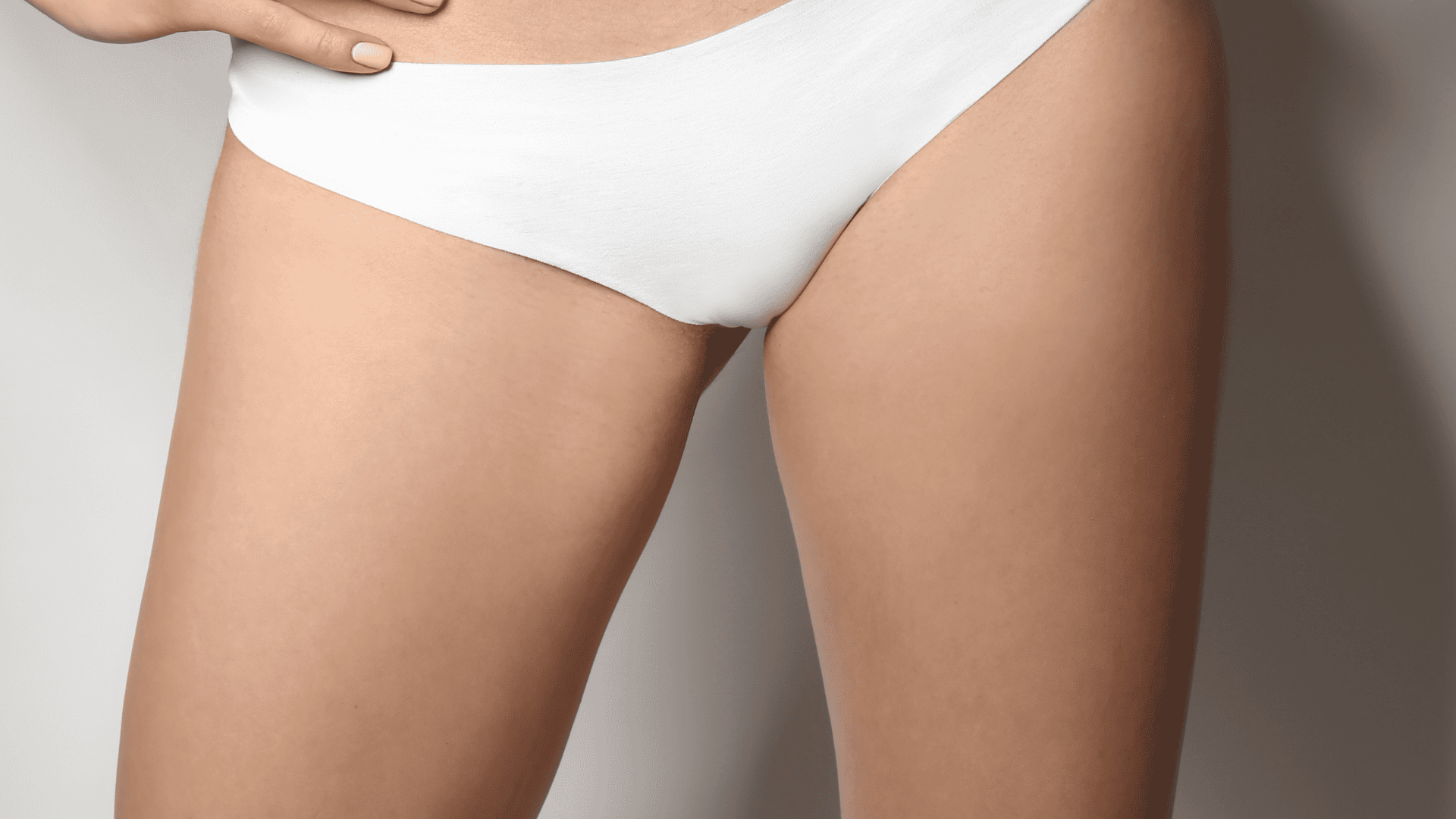
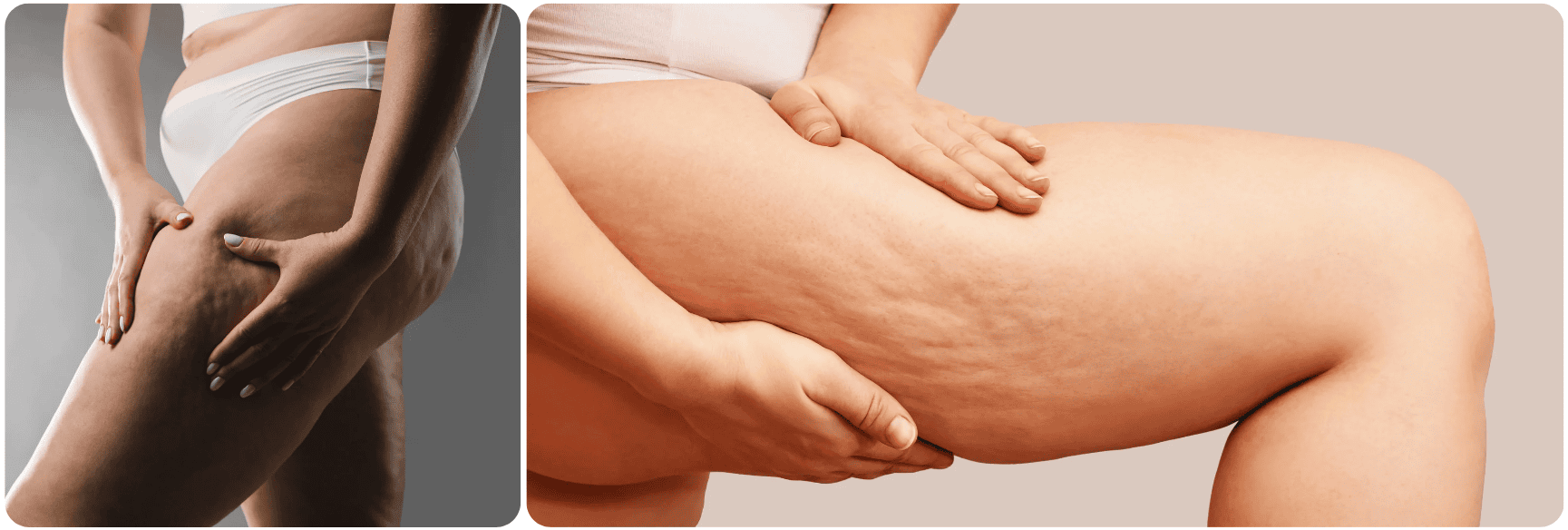
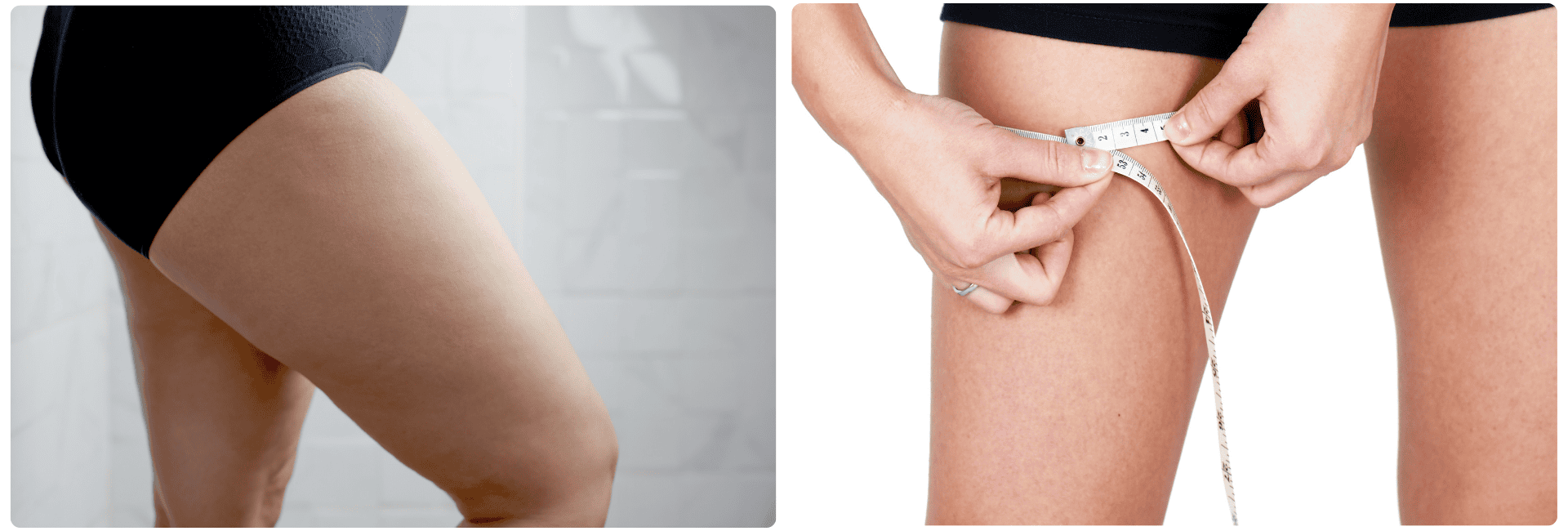
Liposculpture of the legs is a popular cosmetic procedure aimed at enhancing the contours and aesthetics of the legs by removing excess fat. This procedure is particularly appealing to individuals who, despite maintaining a healthy diet and engaging in regular exercise, struggle with stubborn fat deposits in areas such as the thighs, calves, or around the knees. Often, these fat accumulations are genetically predetermined and can be frustrating for those who feel they do not respond to traditional weight loss methods.
Liposculpture of the legs is a popular cosmetic procedure aimed at enhancing the contours and aesthetics of the legs by removing excess fat.
The procedure is typically performed by a certified plastic surgeon and can be done under local or general anesthesia, depending on the patient's preference and the extent of the surgery. During liposculpture, a thin cannula, or suction tube, is inserted through small incisions in the skin to remove fatty tissue. This technique allows the surgeon to not only eliminate excess fat but also sculpt the legs for a more balanced and aesthetically pleasing appearance. As a result, many patients experience a tighter and more contoured look to their legs.
One of the key benefits of liposculpture is that it does not merely remove fat; it also contributes to an improved body proportion. Many patients report an increase in self-confidence, especially if they previously felt self-conscious about their legs. Post-surgery, it is common for patients to experience some swelling, bruising, and discomfort, but these symptoms typically resolve within a few weeks. The final results often reveal a natural-looking enhancement of the leg line, with lasting effects provided that the patient maintains a healthy lifestyle.
It is essential to have realistic expectations about the outcomes of liposculpture. This procedure is not a substitute for a healthy diet or exercise but rather a complement to these efforts. For individuals looking to manage their weight or achieve significant weight loss goals, it is crucial to understand that liposculpture works best as part of a holistic approach to health and wellness.
Before the procedure, a thorough consultation with the surgeon is vital. During this discussion, the patient’s medical history, desires, and expectations, as well as the risks and benefits of the procedure, will be addressed. It is important for patients to be well-informed so they can make a thoughtful decision regarding their options. This consultation also provides an opportunity to discuss any questions or concerns, allowing patients to feel more confident and at ease about the procedure.
After liposculpture of the legs, most patients can typically resume their normal activities within a few days, although it is advisable to avoid heavy physical exertion until the surgeon deems it safe. Wearing a compression garment or bandage may be recommended to promote healing and reduce swelling. Overall, most patients are satisfied with their results, which can significantly enhance their self-image and overall quality of life.
Liposculpture is an advanced body contouring technique designed to remove excess fat and sculpt the body into a more defined and harmonious shape. When applied to the legs, liposculpture offers a precise and effective solution for individuals looking to achieve toned and contoured legs.
One of the primary reasons people choose liposculpture for their legs is its ability to target and remove stubborn fat from areas such as the thighs, knees, calves, and ankles, which often don't respond to traditional exercise or diet. Liposculpture is different from traditional liposuction because it focuses on sculpting the body and contouring the legs to enhance their natural shape, rather than simply removing fat.
Liposculpture is an advanced body contouring technique designed to remove excess fat and sculpt the body into a more defined and harmonious shape.
This makes it particularly appealing to those looking for a more refined and aesthetic outcome. The procedure also involves smaller incisions, which leads to less scarring and a faster recovery. With its focus on precision, liposculpture allows for smooth, even results, helping patients achieve sleek, well-shaped legs with minimal downtime.
The ideal candidate for Liposculpture for the Legs is someone who has persistent fat deposits in areas such as the thighs, knees, or calves that do not respond to diet or exercise. Good skin elasticity is important to ensure smooth contours after fat removal. Candidates should be in generally good health and free from serious medical conditions such as uncontrolled diabetes, heart disease, or clotting disorders.
Individuals with realistic expectations tend to benefit the most. Liposculpture for the Legs is designed to enhance leg shape and proportion rather than serve as a method for overall weight loss. Those who maintain a stable weight and a healthy lifestyle are more likely to see long-lasting results. Consulting with a board-certified surgeon beforehand helps determine suitability and addresses personal goals.
Liposculpture for the Legs typically results in smoother, more proportionate leg contours. Treated areas often appear slimmer and more toned, with improved symmetry between the thighs, knees, and calves. While some swelling and bruising are normal during recovery, the final results gradually reveal natural-looking enhancements.
👉 Reduction of fat in targeted areas
👉 Improved leg symmetry and proportion
👉 Tighter, firmer skin due to collagen stimulation
👉 Enhanced self-confidence and body image
Patients should remember that results are permanent in the treated areas, but lifestyle factors like weight gain can affect overall appearance.
Proper preparation for Liposculpture for the Legs can improve recovery and overall results. A consultation with a qualified surgeon is the first step, during which medical history, medications, and goals are reviewed. Patients may be asked to stop certain medications, supplements, or smoking prior to surgery.
Maintaining a healthy diet and staying well-hydrated can also support healing. Wearing loose, comfortable clothing on the day of the procedure is recommended. Some surgeons may advise arranging for someone to accompany you home afterward. Preparing mentally for the recovery process and understanding post-operative instructions helps ensure a smoother experience.
Patients considering Liposculpture for the Legs often have similar questions regarding safety, results, and recovery. For instance, “Will the procedure leave visible scars?” Small, discreet incisions usually heal with minimal scarring. Another common question is about downtime; most patients return to light activities within a few days, but vigorous exercise should wait several weeks.
Other FAQs include:
👉 Is the procedure painful? Most patients report mild discomfort, manageable with medication.
👉 How long before results are visible? Initial improvements appear within weeks, final results in months.
👉 Can fat return after surgery? Fat can accumulate in untreated areas if weight is gained.
Understanding these details helps patients make informed decisions and set realistic expectations.
While Liposculpture for the Legs is generally safe, it does carry some potential side effects. Common temporary effects include bruising, swelling, mild pain, and skin sensitivity around treated areas. Rare complications can include infection, uneven contours, or fluid accumulation.
👉 Bruising and swelling for 1–2 weeks
👉 Temporary numbness or tingling
👉 Minor scarring at incision points
👉 Rare: asymmetry or irregularities
Following post-operative instructions carefully and attending follow-up appointments reduces the likelihood of complications and supports optimal healing.
Liposculpture for the legs is typically performed under local anesthesia or light sedation, ensuring that the patient remains comfortable throughout the procedure. The surgeon begins by marking the target areas, such as the inner and outer thighs, knees, or calves. Small incisions are made in discreet locations to minimize scarring.
Liposculpture for the legs is typically performed under local anesthesia or light sedation, ensuring that the patient remains comfortable throughout the procedure.
Through these incisions, a thin cannula is inserted to remove excess fat from the targeted areas. Unlike traditional liposuction, liposculpture focuses on contouring the legs by removing fat in a way that enhances the natural curves and shape of the body. The surgeon carefully sculpts the legs to achieve a smooth, balanced appearance. Depending on the size of the area being treated, the procedure usually takes 1 to 2 hours.
After the fat is removed, the patient may experience some swelling, bruising, or discomfort, but these side effects typically subside within a few days. Because liposculpture is less invasive than traditional liposuction, recovery time is typically quicker, and many patients can return to their normal activities within a few days, although vigorous exercise should be avoided for several weeks.
Several misconceptions surround Liposculpture for the Legs. A common myth is that it is a weight-loss method; in reality, it is a contouring procedure for removing stubborn fat deposits. Another myth is that results are immediate and perfect; swelling and bruising mean final results take weeks to months to fully appear.
Factually:
👉 The procedure sculpts rather than dramatically reduces body weight
👉 Fat removed does not return in treated areas
👉 Recovery involves swelling and gradual results
👉 Maintaining a healthy lifestyle is crucial for longevity of results
Separating myths from facts helps patients make informed decisions and develop realistic expectations.
Liposculpture offers several significant benefits, especially for those looking to contour and sculpt their legs. One of the main advantages is the precision with which the surgeon can target specific fat deposits, allowing for more tailored, natural-looking results.
This precision is ideal for areas like the inner thighs, knees, and calves, where small amounts of fat removal can significantly improve the shape and definition of the legs. Liposculpture also has the added benefit of skin tightening, as the gentle removal of fat encourages collagen production, which can result in firmer, smoother skin.
Liposculpture offers several significant benefits, especially for those looking to contour and sculpt their legs.
Another key benefit is the minimal scarring, as liposculpture typically uses smaller incisions compared to traditional liposuction. This leads to less visible scarring and a quicker recovery. Additionally, the results from liposculpture are long-lasting because fat cells that are removed do not regenerate, provided the patient maintains a healthy lifestyle.
Finally, because liposculpture is less invasive than traditional liposuction, patients experience less swelling, bruising, and discomfort, which allows for a faster return to everyday activities. Overall, liposculpture is an excellent option for individuals who want to achieve toned, sculpted legs with minimal downtime and natural-looking results.
Recovery from Liposculpture for the Legs typically involves several stages. Initially, patients may experience swelling, bruising, and mild discomfort. Compression garments are often recommended to reduce swelling and help the skin conform to new contours.
👉 First few days: rest, limited movement, and pain management
👉 First week: gentle walking encouraged to support circulation
👉 Weeks 2–3: swelling gradually decreases, daily activities can resume
👉 Weeks 4–6: most normal activities including light exercise can resume
👉 Long-term: results become more defined as swelling fully resolves
Following post-operative guidance carefully is essential to maximize results and avoid complications.
Before undergoing Liposculpture for the Legs, patients should have a clear understanding of achievable results. The procedure is intended to contour and sculpt, not drastically reduce overall body weight. After surgery, the legs may initially appear swollen or bruised, but these effects gradually diminish.
Patients often notice:
👉 Smoother leg contours
👉 Reduced fat in problem areas
👉 Increased leg definition
👉 More balanced proportions between thighs, knees, and calves
Realistic expectations, combined with patience during the recovery period, help ensure satisfaction with the final outcome.
Proper aftercare is essential to maintain the results of Liposculpture for the Legs. Wearing compression garments as advised by the surgeon helps reduce swelling and encourages the skin to tighten. Gentle movement, like walking, improves circulation and accelerates recovery.
Additional tips include:
👉 Avoid strenuous exercise for several weeks
👉 Keep incision areas clean and dry
👉 Stay hydrated and maintain a balanced diet
👉 Attend all follow-up appointments
Following these recommendations can enhance both the appearance and longevity of results.
Results from Liposculpture for the Legs are generally long-lasting because the removed fat cells do not return. However, lifestyle factors like weight gain can affect appearance. Maintaining a healthy diet and regular exercise regimen supports permanent improvements.
Many patients enjoy years of enhanced leg contours, provided they keep weight stable. In some cases, minor touch-ups may be considered if changes in body composition occur. Overall, the procedure provides a durable enhancement to leg shape when combined with a balanced lifestyle.
Maintaining the outcome of Liposculpture for the Legs requires commitment to a healthy lifestyle. Consistent exercise, including cardio and strength training, supports leg definition and overall contour. A balanced diet helps prevent fat accumulation in untreated areas.
Additional strategies include:
👉 Staying hydrated to improve skin elasticity
👉 Wearing supportive clothing during workouts
👉 Monitoring weight regularly
👉 Following any long-term guidance provided by your surgeon
By adopting these habits, patients can enjoy smooth, sculpted legs for many years.
Some patients may consider a touch-up of Liposculpture for the Legs if minor asymmetry or new fat deposits develop over time. Touch-ups are typically discussed after full recovery, once swelling has fully subsided and results have stabilized.
Touch-up considerations include:
👉 Changes in body weight affecting treated areas
👉 Desire for enhanced leg definition
👉 Small irregularities in contour that can be refined
👉 Personal aesthetic goals evolving over time
Touch-ups can provide a refined, balanced appearance, ensuring patients maintain optimal leg contour and proportion.
During your consultation, you will discuss your wishes, medical history, and expectations with the doctor. The doctor will examine you, take measurements if necessary, and explain which treatment suits you best, including risks and recovery. You will have the opportunity to ask questions and then receive a clear treatment proposal.
Make sure you have all relevant medical information ready, such as previous treatments, allergies, or medical conditions. This allows the doctor to give you better advice.
Payment is made securely via SurgeryBooking. You pay the amount in advance to SurgeryBooking. We hold the funds and transfer them to the clinic after your treatment. Cancellation or change conditions vary per clinic and are clearly communicated in advance.
During the consultation (online or at the clinic), the doctor will assess this based on your health, expectations, and physical characteristics. You will discuss what you want, what is possible, and what the limitations are. Sometimes there are alternatives if the chosen treatment is not ideal.
Through SurgeryBooking.com, you can quickly and easily book a consultation or procedure with doctors and clinics worldwide. SurgeryBooking.com provides an overview of doctors and clinics, allowing you to make an informed and transparent choice when booking a consultation or procedure.
You can easily book through the profile of the desired clinic or doctor. Select the desired treatment, enter your details, and choose an available date and time. If there are any costs involved, you will complete the payment first. Afterwards, you will receive a confirmation email with all the details.
Yes, during the booking process, you can indicate whether you prefer an online consultation or an in-person consultation at the clinic.
With SurgeryBooking.com, you gain access to a global network of doctors and clinics. Through SurgeryBooking.com, you can easily book a consultation or a cosmetic procedure directly. Clinic profiles provide information about available cosmetic procedures, reviews, photos of the clinic, and other relevant details. This enables you to compare costs and make an informed decision when booking a consultation or procedure.