Liposculpture is a cosmetic procedure aimed at refining and contouring the body by removing excess fat. It is often considered a more advanced form of liposuction, with a focus on enhancing body shape and creating a more defined silhouette. Unlike traditional liposuction, which primarily focuses on removing larger volumes of fat, liposculpture goes further by targeting fat removal or redistribution in a more precise manner to shape specific areas of the body, such as the waist, abdomen, thighs, arms, or back.
During the procedure, small tubes, known as cannulas, are used to suction fat from targeted areas. Depending on the scope of the treatment and the patient’s preferences, this can be done under local anesthesia or general anesthesia. A distinctive feature of liposculpture is that in some cases, the fat removed from one part of the body can be transferred to another, such as the buttocks or breasts, to add volume and enhance contours. This makes liposculpture a versatile procedure that not only removes fat but also sculpts the body.
Liposculpture is a cosmetic procedure aimed at refining and contouring the body by removing excess fat.
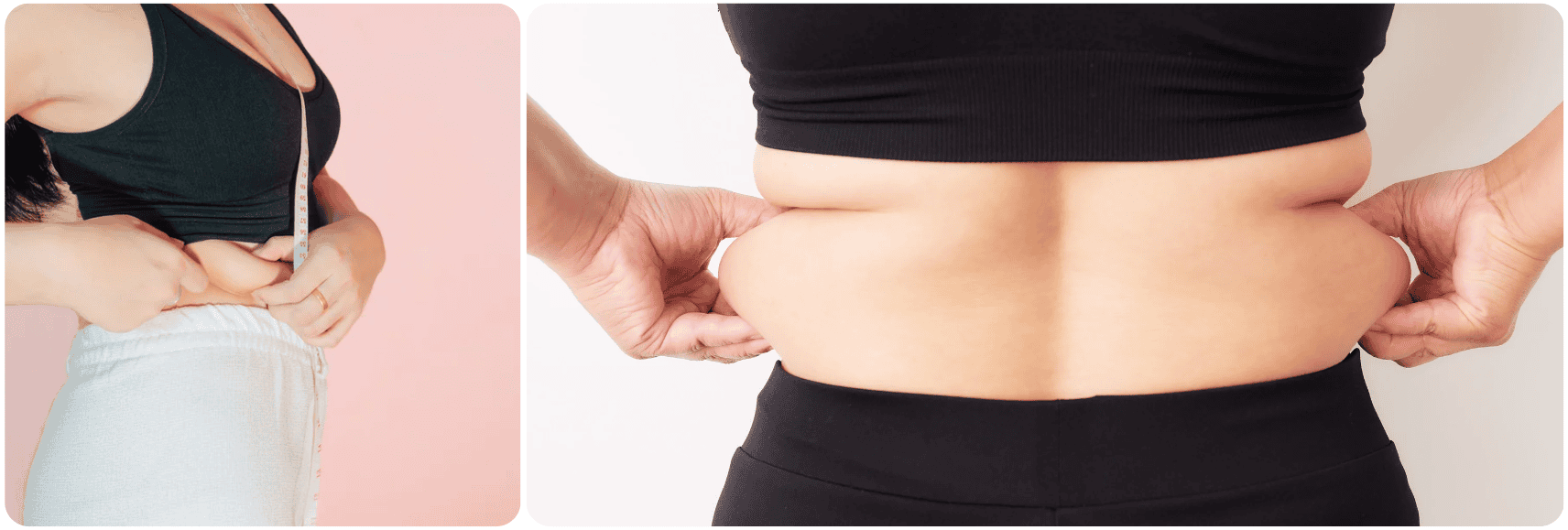
Liposculpture may be suitable for individuals who, despite maintaining a healthy diet and regular exercise routine, struggle to eliminate fat in certain stubborn areas. It’s important to note, however, that this procedure is not a substitute for weight loss and is most effective for individuals who are close to their ideal weight but wish to improve specific problem areas. After the procedure, swelling and bruising can occur, but most people recover within a few weeks. The final results often become fully visible after several months, once the swelling has subsided and the body has adapted to its new shape.
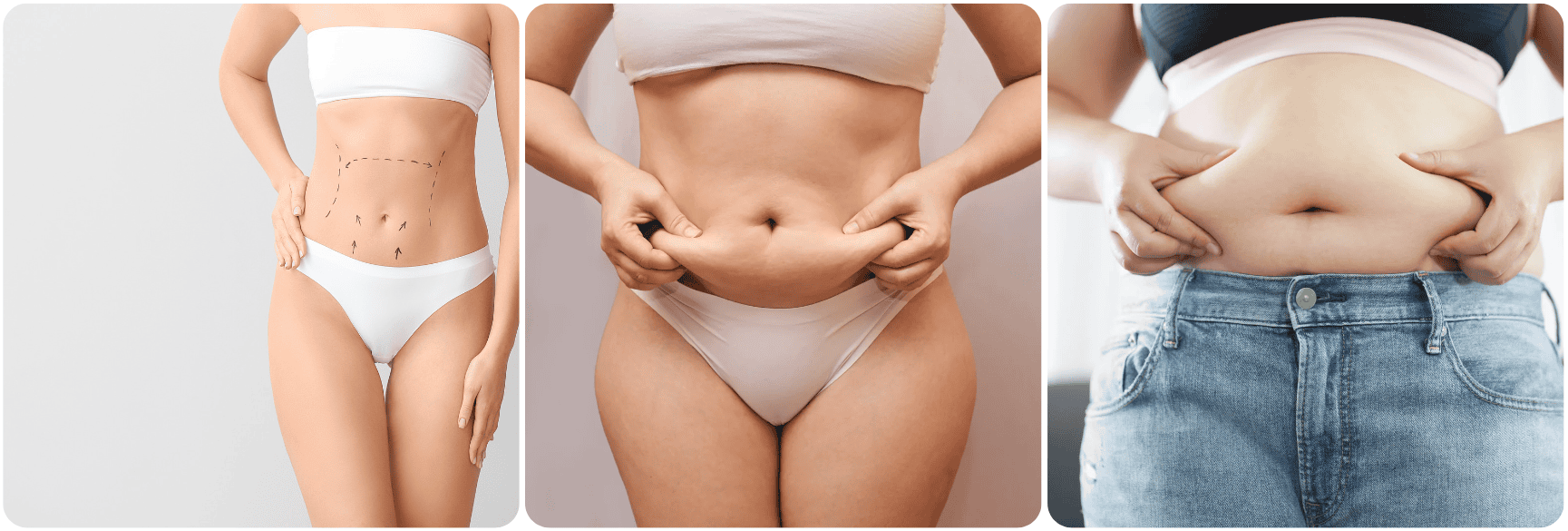
Liposculpture for the belly is a body contouring procedure designed to remove excess fat and shape the abdominal area to create a more toned and defined appearance. Unlike traditional liposuction, which focuses solely on fat removal, liposculpture involves more precise techniques to sculpt and enhance the natural contours of the body.
This procedure not only removes unwanted fat but also allows the surgeon to strategically shape the belly, accentuating muscle definition and creating a more sculpted, athletic look. Liposculpture is ideal for individuals who have stubborn fat deposits around the belly that do not respond to diet or exercise. It can be used to create a flatter stomach, more defined waistline, and even enhance the appearance of abdominal muscles.
Liposculpture is often chosen by those who are already in good shape but want to refine and enhance their abdominal area for a more sculpted physique.
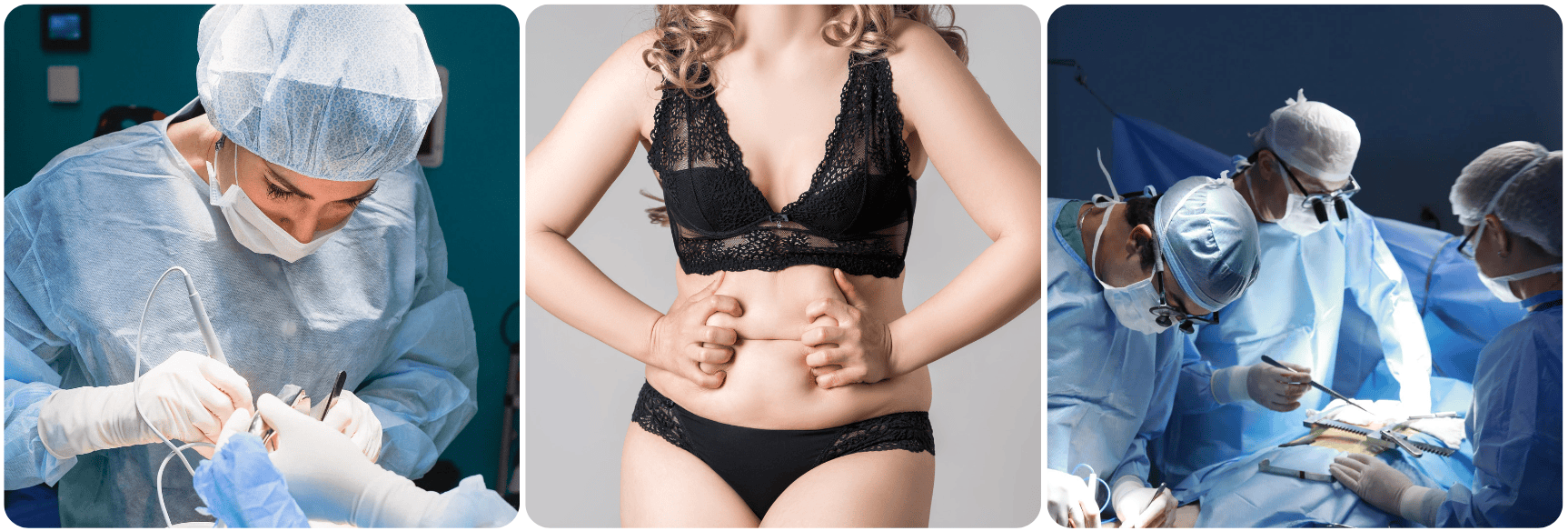
Liposculpture for the belly begins with a consultation to discuss the patient’s goals and assess the areas that need contouring. The procedure is typically performed under local anesthesia or light sedation to ensure the patient is comfortable throughout the process. During the procedure, the surgeon makes small incisions in discreet locations around the belly.
Liposculpture for the belly begins with a consultation to discuss the patient’s goals and assess the areas that need contouring.
A thin tube, called a cannula, is inserted through these incisions to break up and suction out the fat. The surgeon uses precise techniques to sculpt the belly, targeting specific fat deposits to create smooth, defined contours. In some cases, the surgeon may also use liposculpture to enhance the appearance of the abdominal muscles, creating a more athletic and defined look.
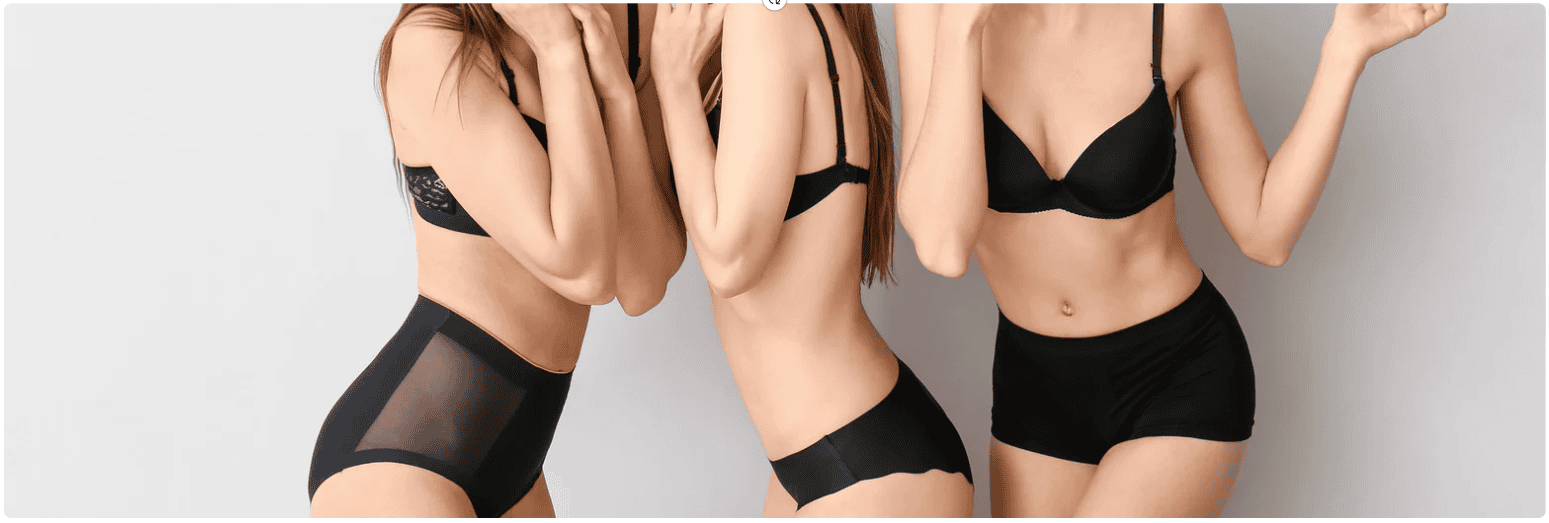
The procedure usually takes between 1 to 2 hours, depending on the extent of the contouring needed. After the procedure, patients are typically required to wear compression garments to help reduce swelling and support the healing process.
The primary benefit of liposculpture for the belly is its ability to create a more toned, sculpted, and defined abdominal area. By removing stubborn fat and enhancing muscle definition, liposculpture can help patients achieve a more athletic, well-proportioned look. Unlike traditional liposuction, liposculpture is designed to refine the body’s natural contours, providing a more customized and artistic result. The procedure is minimally invasive, with small incisions that typically result in minimal scarring.
The primary benefit of liposculpture for the belly is its ability to create a more toned, sculpted, and defined abdominal area.
Recovery time is relatively short, and most patients can return to normal activities within a few days. The results of liposculpture are long-lasting, as long as the patient maintains a healthy lifestyle. Overall, liposculpture for the belly offers a safe, effective, and non-invasive way to achieve a flatter, more defined stomach and enhance the body’s natural shape.
A unique aspect of liposculpture for the belly is that the fat removed can be repurposed for body enhancement. Instead of discarding the extracted fat, surgeons can process and inject it into areas where additional volume is desired. Common areas include:
Buttocks for a fuller shape
Breasts for subtle enhancement
Hips for a more balanced figure
Face for natural rejuvenation
This dual benefit allows patients to not only refine their stomach but also improve other areas, making liposculpture a versatile solution.
Compared to other surgical body contouring procedures, liposculpture for the belly is considered minimally invasive. The incisions are very small, usually just a few millimeters, and are placed in discreet locations to minimize visible scarring. Recovery tends to be quicker, and the use of modern cannulas allows for smoother fat removal with less trauma to surrounding tissue. For patients seeking noticeable results without extensive downtime, this balance between efficacy and invasiveness makes liposculpture highly attractive.
Modern liposculpture for the belly often incorporates advanced technologies to ensure more precise results and a smoother recovery process. These may include:
Laser-assisted liposuction for targeted fat melting
Ultrasound-assisted techniques to loosen fat cells
Power-assisted cannulas for quicker fat extraction
Vibration technologies for less invasive removal
These innovations enhance the surgeon’s ability to sculpt with accuracy, while reducing trauma and improving skin tightening in the treated area.
Many patients choose to combine liposculpture for the belly with additional cosmetic procedures for a more comprehensive transformation. Common pairings include tummy tucks for skin tightening, breast augmentation for balance, or non-surgical treatments like skin resurfacing to enhance overall appearance. This combination approach allows for more dramatic results while reducing the need for multiple separate surgeries. Careful planning with a skilled surgeon ensures the safest and most effective outcomes.
One of the standout features of liposculpture for the belly is its ability to highlight natural muscle tone. Surgeons can strategically remove fat to create the appearance of defined abs, often referred to as “abdominal etching.” This technique is popular among individuals who are fit but struggle with stubborn fat hiding their muscle definition. By carefully sculpting the midsection, liposculpture can produce a leaner, more athletic look that complements a healthy lifestyle.
The price of liposculpture for the belly can vary depending on several elements:
The surgeon’s expertise and reputation
The location of the clinic
The complexity of the procedure
Whether fat transfer is included
Anesthesia and facility fees
Understanding these factors helps patients budget more effectively and compare clinics. While cost is important, choosing an experienced surgeon is crucial for safety and long-lasting results.
Not everyone is the right candidate for liposculpture for the belly. The procedure is most effective for individuals who are already close to their ideal body weight but struggle with stubborn fat deposits in the abdominal area. Good candidates have relatively firm skin and good muscle tone, as this allows for better results and a smoother appearance after healing. It's also important that patients are in good overall health, have realistic expectations, and are committed to maintaining a healthy lifestyle post-surgery. People who are significantly overweight or seeking a weight-loss solution should explore other options, as liposculpture is designed for shaping—not shrinking.
Recovery from liposculpture for the belly is usually quick, but it’s still important to follow post-operative guidelines to ensure the best outcome. Most patients can return to light activities within a few days, though strenuous exercise should be avoided for at least a few weeks. Wearing compression garments as instructed helps control swelling, improves skin retraction, and supports the new contours of the body. Mild bruising, soreness, and swelling are normal during the first couple of weeks. Staying hydrated, eating well, and walking regularly can aid in recovery. Final results become more visible after the swelling fully subsides, usually within three to six months.
Although liposculpture for the belly is considered a safe and minimally invasive procedure, it's not without risks. As with any surgical treatment, there is a chance of infection, bleeding, or scarring. Some patients may experience temporary numbness or uneven results, especially if proper aftercare is not followed. Choosing a qualified and experienced surgeon significantly reduces the likelihood of complications. It's important to discuss all medical history, expectations, and concerns during the initial consultation so the surgeon can tailor the approach to your body and goals. Being fully informed will help you make the best decision for your health and appearance.
The results of liposculpture for the belly are designed to be long-lasting, but they require effort to maintain. The fat cells removed during the procedure do not grow back, but remaining fat cells can still expand if you gain weight. For this reason, it's essential to maintain a balanced diet and regular exercise routine after surgery. Many patients find that the improvements in their abdominal contour motivate them to lead a healthier lifestyle. The psychological boost from feeling more confident in your body can be just as impactful as the physical transformation. For most, liposculpture isn’t just about appearance—it’s a catalyst for lasting change.
One of the key distinctions between liposculpture for the belly and traditional liposuction lies in the precision of the technique. While liposuction often removes fat in larger volumes to reduce overall body size, liposculpture focuses on refining shape and contour. This means that patients looking for a flatter stomach with visible definition usually benefit more from liposculpture. The surgeon’s approach is more artistic, using fat removal and redistribution in a way that enhances the body’s natural proportions. For this reason, many consider liposculpture a sculpting tool rather than just a fat-reduction method.
Proper preparation is essential for achieving the best results with liposculpture for the belly. Patients are usually advised to avoid smoking and alcohol in the weeks leading up to the procedure, as these can negatively affect healing. Maintaining a stable weight before surgery is equally important, since fluctuations can alter the results. Surgeons often recommend routine medical tests to ensure overall health and safety. Coming to the consultation with clear goals and open communication also helps the surgeon tailor the treatment plan more effectively.
After liposculpture for the belly, wearing compression garments is a vital part of the recovery process. These specialized garments help minimize swelling, encourage the skin to retract smoothly, and support the body’s new contours. Patients are usually advised to wear them for several weeks, depending on the surgeon’s instructions. Though it may feel restrictive at first, consistent use of compression garments significantly improves final results and shortens recovery time.
Every patient heals at a different pace, but the general timeline after liposculpture for the belly follows predictable stages. Swelling and bruising peak within the first week, then gradually subside. By the second to third week, patients often resume most daily activities.
Noticeable results typically appear around the six-week mark, though final outcomes can take up to six months. Following surgeon guidelines and attending follow-up appointments helps ensure smooth progress during recovery.
The success of liposculpture for the belly is closely linked to skin quality. Patients with good skin elasticity experience better results, as the skin naturally tightens around the newly contoured area. For those with reduced elasticity due to aging or weight fluctuations, additional procedures like skin tightening may be recommended. Discussing these factors during the consultation ensures realistic expectations and tailored treatment plans.
For patients considering medical tourism, liposculpture for the belly is often available in popular destinations abroad. Traveling for the procedure can be cost-effective, but it also requires careful planning. Patients should account for travel time, post-surgery recovery needs, and follow-up appointments.
Choosing accredited clinics and board-certified surgeons ensures safety while abroad. Combining the treatment with recovery in a comfortable environment can make the overall experience more positive.
To keep the results of liposculpture for the belly long-lasting, patients should adopt healthy lifestyle habits such as:
Maintaining a balanced diet
Staying hydrated daily
Exercising regularly with core-focused routines
Avoiding significant weight fluctuations
Scheduling follow-ups with the surgeon
These habits not only preserve the results but also promote overall wellness. The procedure acts as a foundation, while lifestyle choices maintain the long-term outcome.
While non-surgical treatments like CoolSculpting or radiofrequency fat reduction exist, liposculpture for the belly offers distinct advantages. Non-surgical options often provide subtle results and require multiple sessions, whereas liposculpture delivers immediate and more dramatic contouring in one procedure.
Patients seeking significant transformation typically find liposculpture to be the more effective choice. However, for those unwilling to undergo surgery, non-invasive alternatives can still provide mild improvement.
During your consultation, you will discuss your wishes, medical history, and expectations with the doctor. The doctor will examine you, take measurements if necessary, and explain which treatment suits you best, including risks and recovery. You will have the opportunity to ask questions and then receive a clear treatment proposal.
Make sure you have all relevant medical information ready, such as previous treatments, allergies, or medical conditions. This allows the doctor to give you better advice.
Payment is made securely via SurgeryBooking. You pay the amount in advance to SurgeryBooking. We hold the funds and transfer them to the clinic after your treatment. Cancellation or change conditions vary per clinic and are clearly communicated in advance.
During the consultation (online or at the clinic), the doctor will assess this based on your health, expectations, and physical characteristics. You will discuss what you want, what is possible, and what the limitations are. Sometimes there are alternatives if the chosen treatment is not ideal.
Through SurgeryBooking.com, you can quickly and easily book a consultation or procedure with doctors and clinics worldwide. SurgeryBooking.com provides an overview of doctors and clinics, allowing you to make an informed and transparent choice when booking a consultation or procedure.
You can easily book through the profile of the desired clinic or doctor. Select the desired treatment, enter your details, and choose an available date and time. If there are any costs involved, you will complete the payment first. Afterwards, you will receive a confirmation email with all the details.
Yes, during the booking process, you can indicate whether you prefer an online consultation or an in-person consultation at the clinic.
With SurgeryBooking.com, you gain access to a global network of doctors and clinics. Through SurgeryBooking.com, you can easily book a consultation or a cosmetic procedure directly. Clinic profiles provide information about available cosmetic procedures, reviews, photos of the clinic, and other relevant details. This enables you to compare costs and make an informed decision when booking a consultation or procedure.