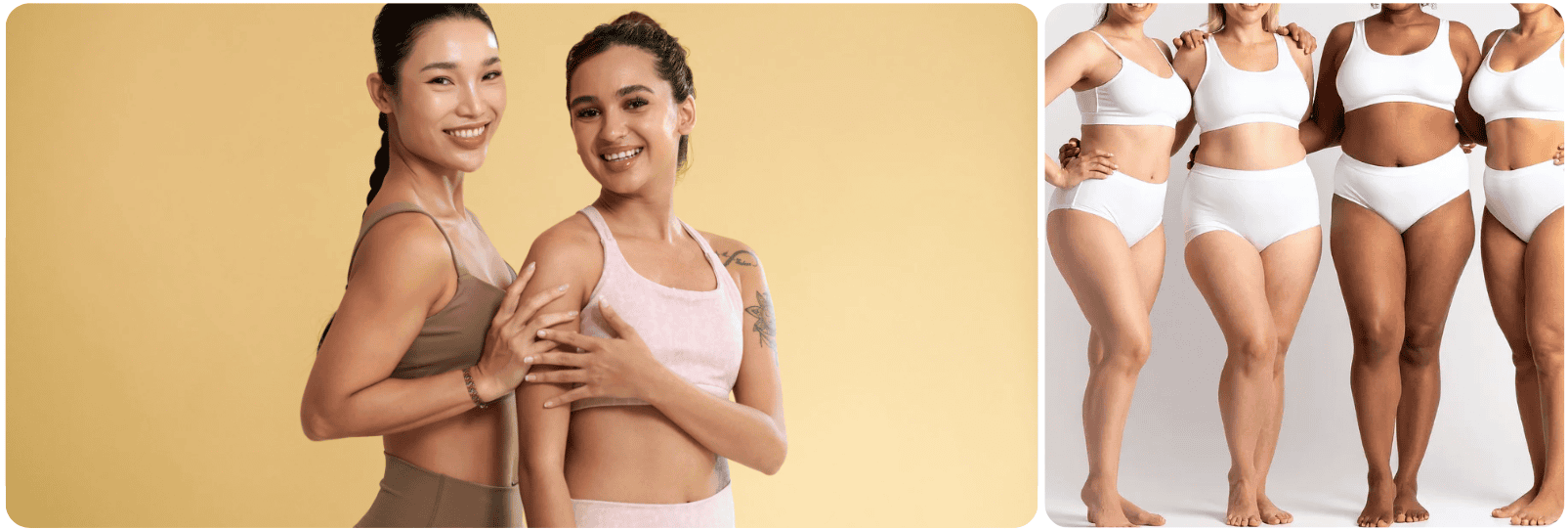
Liposculpture of the back is a popular cosmetic procedure aimed at enhancing body contour by removing unwanted fat deposits in the back area. This treatment is especially beneficial for individuals who struggle to lose back fat despite maintaining a healthy diet and regular exercise. Liposculpture not only improves the overall appearance but can also significantly boost a person's confidence.
During the procedure, small incisions are made in the skin, allowing a thin cannula to be inserted. This cannula is used to gently suction out excess fat tissue. The procedure can be performed using traditional liposuction techniques or more advanced methods such as laser-assisted or water-assisted liposuction. One of the main advantages of liposculpture is that it not only removes fat but also helps shape the contours of the back, resulting in a slimmer and more toned appearance.
Liposculpture of the back is a popular cosmetic procedure aimed at enhancing body contour by removing unwanted fat deposits in the back area.
Preparation for back liposculpture is a crucial step in the process. Prior to the procedure, patients typically have a consultation with a qualified plastic surgeon. During this appointment, the patient's goals, medical history, and any potential risk factors are discussed. This ensures that the surgeon can create a personalized treatment plan tailored to the patient's specific needs.
Following the procedure, most patients may experience some swelling and discomfort, which is entirely normal. It is essential to adhere to the surgeon's post-operative care instructions, including wearing compression garments and avoiding strenuous activities. Recovery time can vary, but many patients are able to resume their normal activities within a few days.
Liposculpture of the back offers an effective solution for those looking to contour their body and enhance their self-image. The results yield a slimmer profile and improved body shape, making patients feel more confident in their appearance. With proper preparation and care, this procedure can deliver significant and long-lasting results, helping individuals achieve the back contour they desire.
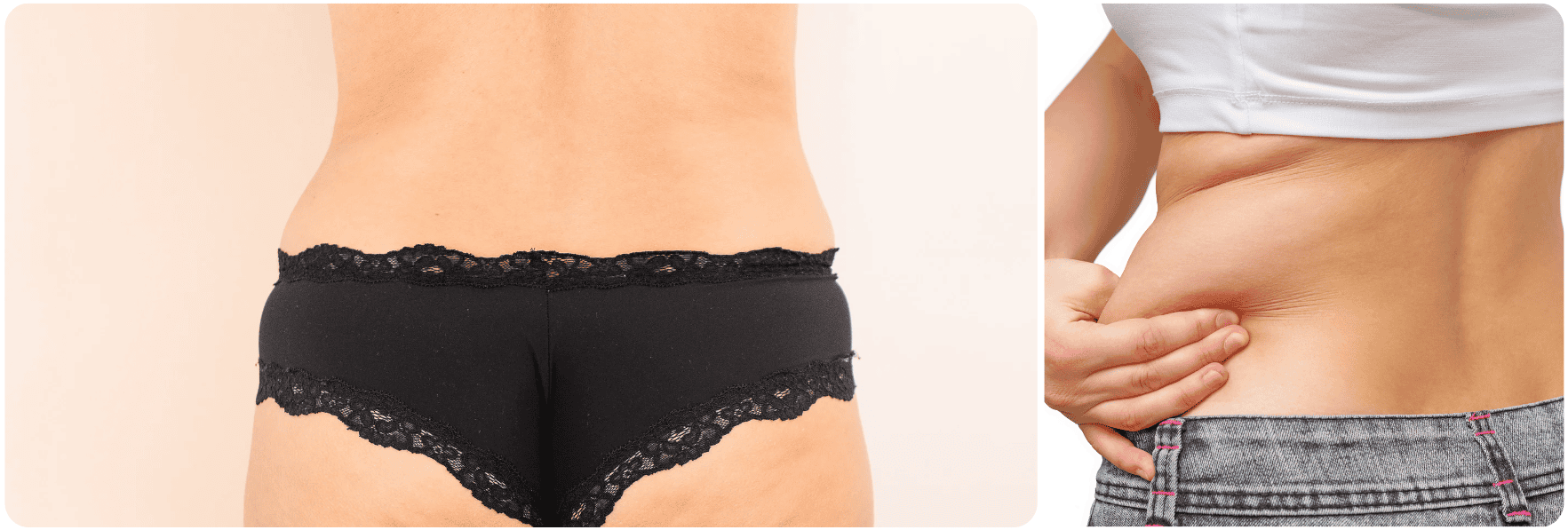
Liposculpture on the back is performed to enhance the contours of the back by removing localized fat deposits and sculpting the underlying tissue for a more defined, toned appearance. This procedure is particularly beneficial for individuals who have stubborn fat around the upper or lower back, flanks (love handles), or the bra line, areas that often retain fat despite efforts with diet and exercise.
Liposculpture on the back is performed to enhance the contours of the back by removing localized fat deposits and sculpting the underlying tissue for a more defined, toned appearance.
Liposculpture goes beyond traditional liposuction by not only removing fat but also shaping the body to create a more aesthetically pleasing silhouette. Many people choose liposculpture to address areas of excess fat that affect their body proportions or to smooth out bulges and bumps, achieving a more sculpted, athletic look. The procedure is ideal for those who are close to their ideal body weight but have localized fat that resists normal fat loss methods.
Liposculpture on the back can help patients regain their confidence, improve their body symmetry, and enhance their appearance in clothing, especially when aiming for a leaner, more contoured look.
Several advanced techniques may be used during liposculpture of the back, depending on practitioner preference and patient anatomy. These technologies help break down fat more efficiently while supporting smoother results.
Commonly used methods include:
👉 Tumescent techniques for easier fat extraction
👉 Power-assisted liposuction for fibrous back tissue
👉 Water-assisted systems for gentler fat removal
👉 Energy-based devices to support skin tightening
Each method has specific advantages, but all aim to improve precision and reduce trauma to surrounding tissues. Understanding these options can help patients better interpret treatment plans and recovery expectations.
Liposculpture on the back is performed using a refined technique that not only removes fat but also carefully sculpts and shapes the back’s contours. The procedure begins with the application of local anesthesia or, in some cases, general anesthesia to ensure the patient is comfortable. Small incisions are made in discreet locations, such as near the bra line, under the arms, or within natural folds of the skin, so that any scarring will be less visible.
A thin cannula, which is a small, flexible tube, is inserted through these incisions. The surgeon uses the cannula to gently loosen and suction out excess fat, but instead of merely removing fat, the surgeon also shapes the body to create more natural and balanced curves. The process involves careful sculpting to ensure that the contours of the back are smooth and proportionate.
Liposculpture may target the upper back, lower back, love handles, or the area around the bra line, depending on the patient’s needs. The procedure typically lasts one to two hours, depending on the areas being treated. After the procedure, compression garments are usually worn to reduce swelling and help the skin tighten around the newly sculpted area. The recovery time is relatively short, and most patients can return to normal activities within a few weeks, with visible results becoming more apparent as swelling subsides.
Not everyone is an ideal candidate for liposculpture of the back, even when stubborn fat is clearly present. This procedure works best for people who are close to their target weight and mainly struggle with localized fat pockets rather than overall obesity. Skin quality also plays a major role, because good elasticity helps the skin retract smoothly after fat removal.
Before considering treatment, it is important to understand several suitability factors:
👉 Stable body weight for at least several months
👉 Noticeable fat deposits in the upper or lower back
👉 Reasonable skin firmness and elasticity
👉 Realistic expectations about contouring results
👉 General good health without major untreated conditions
People who meet these criteria often experience more refined shaping and smoother transitions between treated areas. While liposculpture can dramatically improve contours, it is not designed for weight loss or replacing healthy lifestyle habits.
Back liposculpture is not a one-size-fits-all approach, because the upper and lower back present different anatomical challenges. The upper back commonly develops bulges near the bra line or shoulder blades, while the lower back often accumulates fat around the waist and flanks.
Each area requires a different sculpting strategy. Upper back treatment focuses on smoothing folds and enhancing the natural V-shape, whereas lower back liposculpture aims to refine the waistline and improve overall balance with the hips. Skilled contouring creates seamless transitions between the back and surrounding zones, producing a more harmonious silhouette.
This targeted approach is one reason liposculpture is considered more precise than traditional liposuction.
The benefits of liposculpture on the back are primarily cosmetic, focusing on body contouring and the improvement of back aesthetics. One of the main benefits is the creation of a more defined, sculpted back. By removing stubborn fat and carefully shaping the area, liposculpture helps to enhance the natural curves of the body, providing a more toned and athletic appearance. This can be particularly satisfying for individuals who have fat deposits that are resistant to diet and exercise, such as the love handles or bra bulges.
The benefits of liposculpture on the back are primarily cosmetic, focusing on body contouring and the improvement of back aesthetics.
Liposculpture offers a significant improvement in body symmetry, making the back appear smoother and more proportional, which can boost self-confidence and body image. Another benefit is the precision of the procedure. Unlike traditional liposuction, liposculpture focuses on sculpting the body to create subtle, natural-looking results, rather than just removing fat. This approach helps to maintain a harmonious and balanced appearance. Additionally, liposculpture has a relatively quick recovery time compared to more invasive surgeries, allowing individuals to enjoy their results sooner.
The procedure is minimally invasive, with small incisions that typically result in minimal scarring. Lastly,** liposculpture** on the back can lead to long-lasting results, as the fat cells that are removed do not regenerate. However, maintaining a healthy lifestyle is crucial to preserving the outcome. Overall, liposculpture offers a refined, more contoured look that enhances the back’s shape, improves body proportions, and boosts overall self-esteem.
Many people choose to combine back liposculpture with other areas such as the abdomen, flanks, or arms. This holistic approach enhances overall proportions rather than focusing on a single isolated zone.
By sculpting multiple regions, practitioners can create smoother lines from the shoulders down to the waist, improving symmetry and flow. Full-body contouring often delivers more natural-looking outcomes because fat removal is balanced across connected areas.
This strategy also supports better clothing fit and a more athletic appearance, especially when the back is treated alongside the waistline.
Results from liposculpture of the back do not appear instantly. Initial swelling can mask improvements during the first few weeks, making patience essential. Most people begin noticing clearer contours after about three to four weeks.
Over the following months, swelling continues to decrease and skin gradually adapts to the new shape. Final results typically become visible between three and six months post-procedure. Maintaining stable weight during this period is key, as fluctuations may affect the sculpted outcome.
Swelling and temporary firmness are common after back liposculpture, especially in areas where fat was dense. These effects are part of the body’s natural healing response and usually resolve gradually.
Helpful recovery practices often include:
👉 Wearing compression garments as advised
👉 Gentle walking to promote circulation
👉 Staying well hydrated
👉 Avoiding heavy exercise during early recovery
Some people also experience mild numbness or tightness, which typically fades over time. Consistent aftercare supports smoother contours and faster healing.
While classic liposuction focuses purely on removing fat, liposculpture emphasizes artistic shaping. In certain approaches, small amounts of fat may even be preserved for redistribution to enhance nearby contours, although this is more common in other body areas.
While classic liposuction focuses purely on removing fat, liposculpture emphasizes artistic shaping.
For the back, sculpting usually centers on strategic fat reduction to highlight natural curves and improve definition. This refined method aims to avoid flat or uneven results, producing a smoother, more athletic appearance.
Fat cells removed during liposculpture do not regenerate, but remaining fat cells can still enlarge if weight is gained. Long-term success depends largely on lifestyle consistency.
Key habits for maintaining results include:
👉 Balanced nutrition with adequate protein intake
👉 Regular strength and cardio training
👉 Stable body weight over time
👉 Good posture to showcase back definition
These practices help preserve the sculpted look and support overall body composition.
There are several misconceptions surrounding liposculpture of the back. One common myth is that it replaces exercise, which is not true. Another is that results are immediate and permanent regardless of lifestyle.
In reality, liposculpture enhances contours but works best alongside healthy habits. It also does not prevent future fat gain if caloric intake consistently exceeds energy expenditure. Understanding these facts helps set realistic expectations.
Skin elasticity plays a crucial role in how smooth the back appears after liposculpture. Firmer skin tends to retract better, while looser skin may require more time to adapt to the new shape.
Age, genetics, sun exposure, and smoking history can all influence skin behavior. In some cases, complementary tightening technologies may be discussed to support optimal contour refinement.
Although liposculpture is a physical procedure, adapting to a changed body shape can take time. Many people notice gradual improvements in confidence as swelling resolves and contours become clearer.
Although liposculpture is a physical procedure, adapting to a changed body shape can take time.
It is normal to go through an adjustment phase while learning how clothing fits differently or how posture feels. Allowing time for both physical and mental adaptation supports a more positive overall experience.
When exploring liposculpture options, many people rely on independent platforms such as Surgerybooking to compare general information and available providers. These platforms are typically used for research purposes, helping users understand procedures, techniques, and regional availability.
Taking time to review multiple sources allows for more informed decision-making. A well-researched approach leads to clearer expectations and a deeper understanding of what back liposculpture realistically involves.
During your consultation, you will discuss your wishes, medical history, and expectations with the doctor. The doctor will examine you, take measurements if necessary, and explain which treatment suits you best, including risks and recovery. You will have the opportunity to ask questions and then receive a clear treatment proposal.
Make sure you have all relevant medical information ready, such as previous treatments, allergies, or medical conditions. This allows the doctor to give you better advice.
Payment is made securely via SurgeryBooking. You pay the amount in advance to SurgeryBooking. We hold the funds and transfer them to the clinic after your treatment. Cancellation or change conditions vary per clinic and are clearly communicated in advance.
During the consultation (online or at the clinic), the doctor will assess this based on your health, expectations, and physical characteristics. You will discuss what you want, what is possible, and what the limitations are. Sometimes there are alternatives if the chosen treatment is not ideal.
Through SurgeryBooking.com, you can quickly and easily book a consultation or procedure with doctors and clinics worldwide. SurgeryBooking.com provides an overview of doctors and clinics, allowing you to make an informed and transparent choice when booking a consultation or procedure.
You can easily book through the profile of the desired clinic or doctor. Select the desired treatment, enter your details, and choose an available date and time. If there are any costs involved, you will complete the payment first. Afterwards, you will receive a confirmation email with all the details.
Yes, during the booking process, you can indicate whether you prefer an online consultation or an in-person consultation at the clinic.
With SurgeryBooking.com, you gain access to a global network of doctors and clinics. Through SurgeryBooking.com, you can easily book a consultation or a cosmetic procedure directly. Clinic profiles provide information about available cosmetic procedures, reviews, photos of the clinic, and other relevant details. This enables you to compare costs and make an informed decision when booking a consultation or procedure.