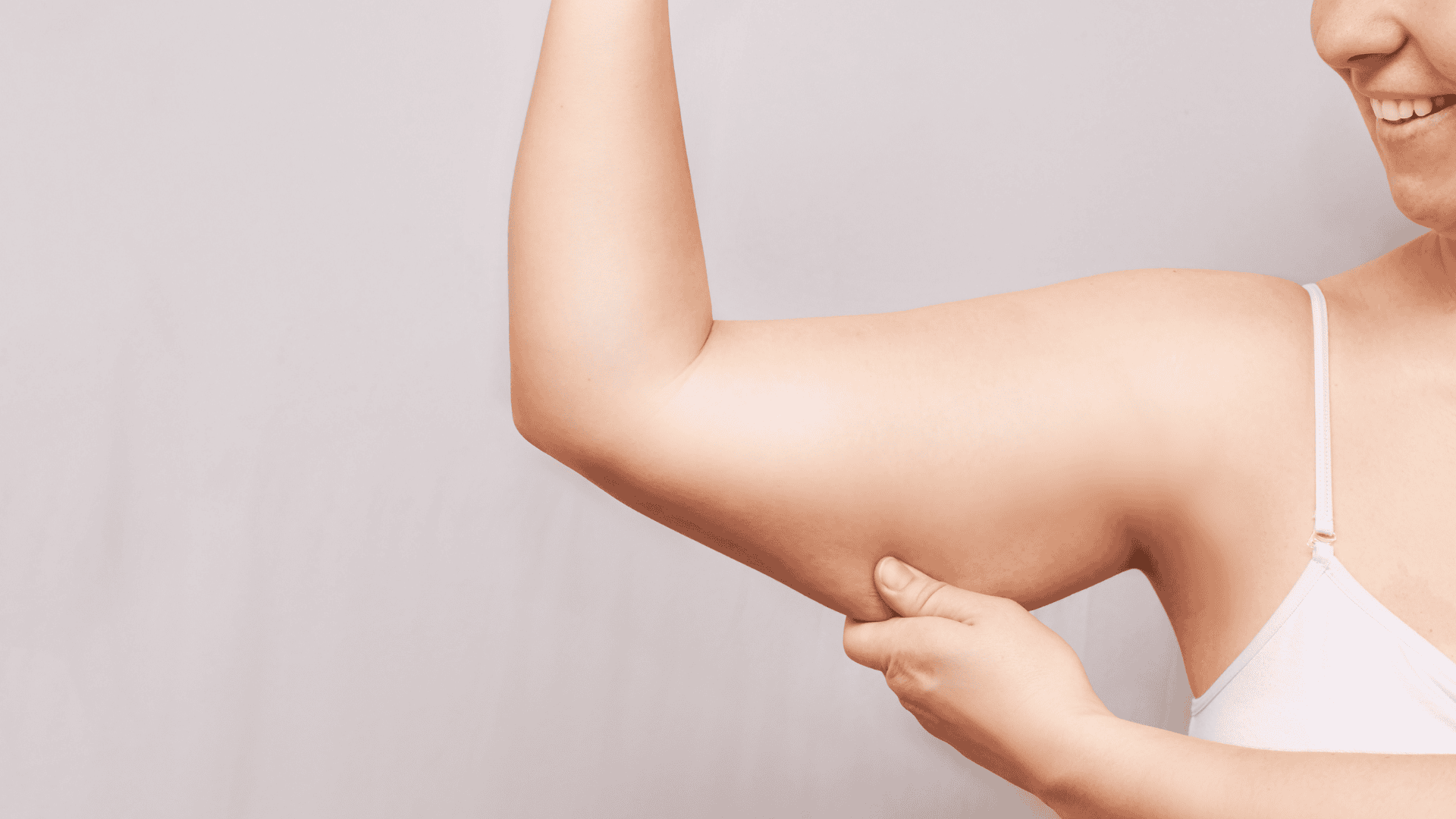
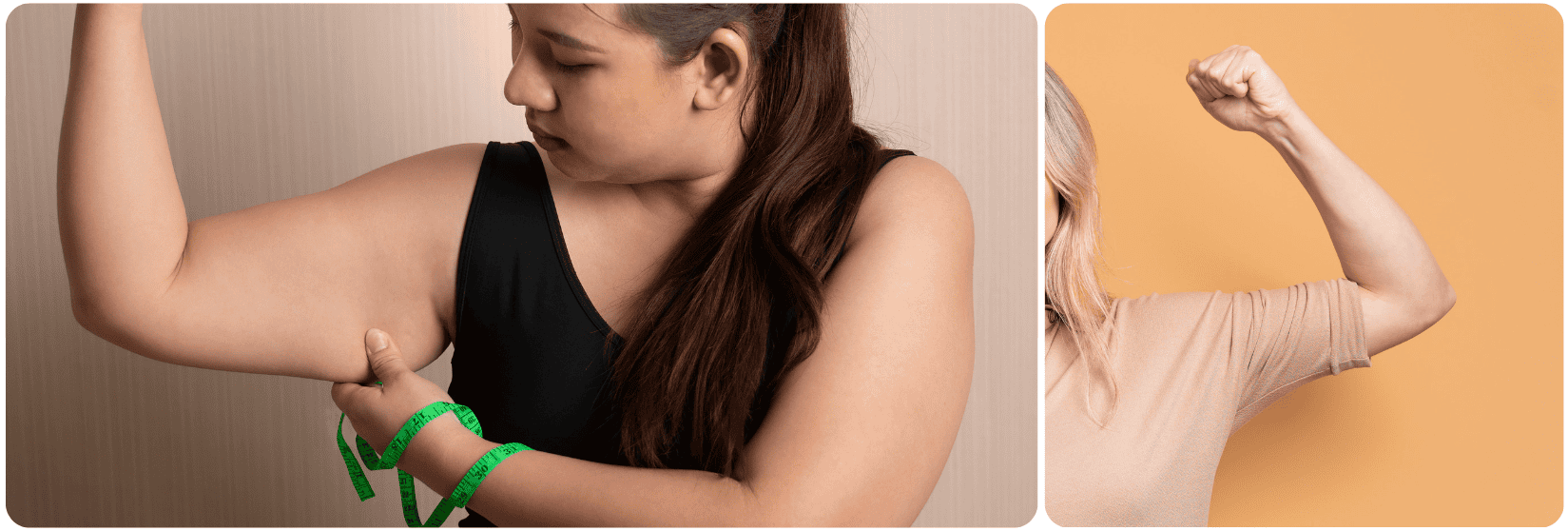
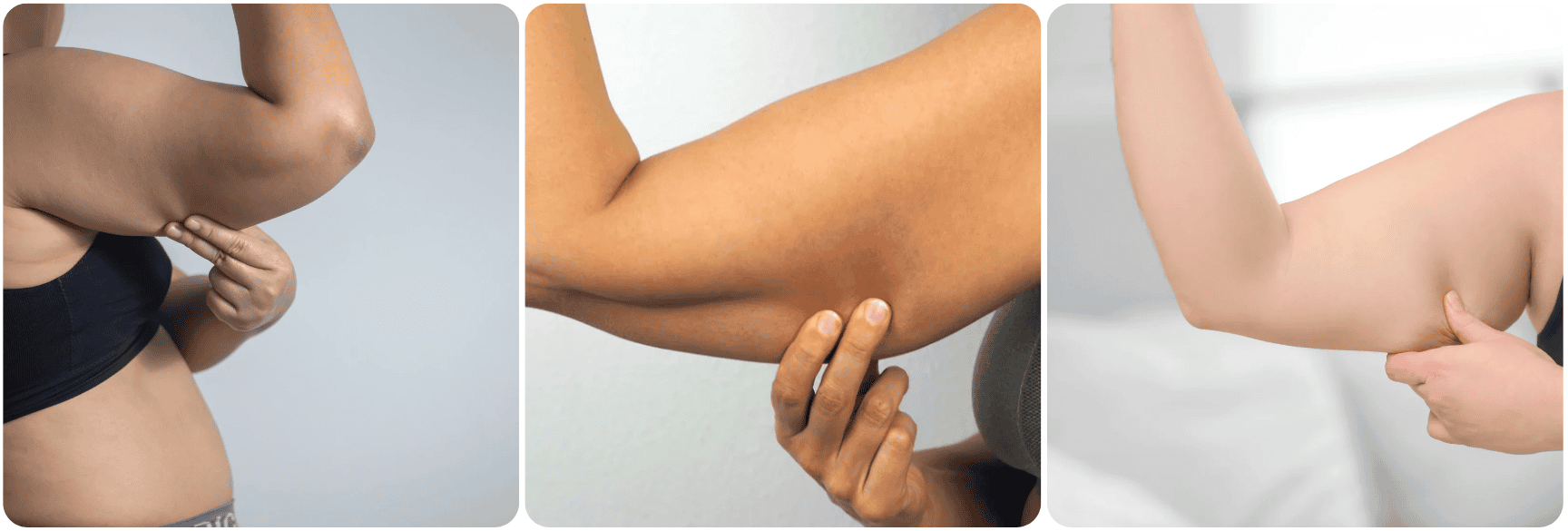
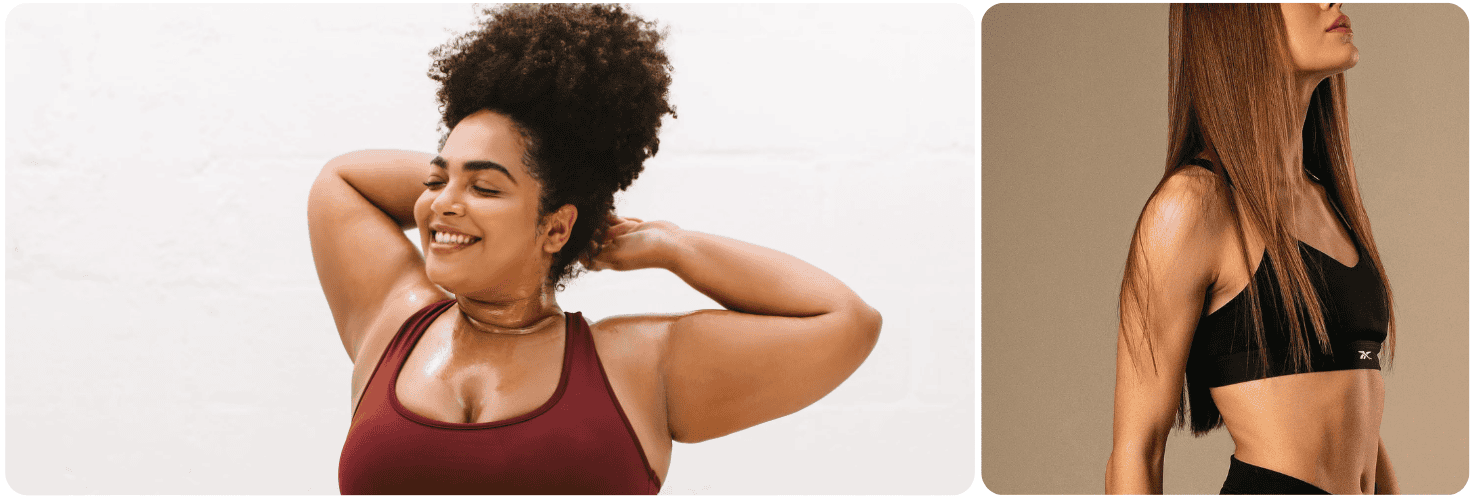
Liposculpture of the arms is a cosmetic procedure aimed at removing excess fat and enhancing the contours of the upper arms. This procedure is ideal for individuals who experience unwanted fat accumulation in this area, despite maintaining a healthy diet and regular exercise routine. Genetic factors can often contribute to an increase in fat in the arms, leading to a less toned and youthful appearance.
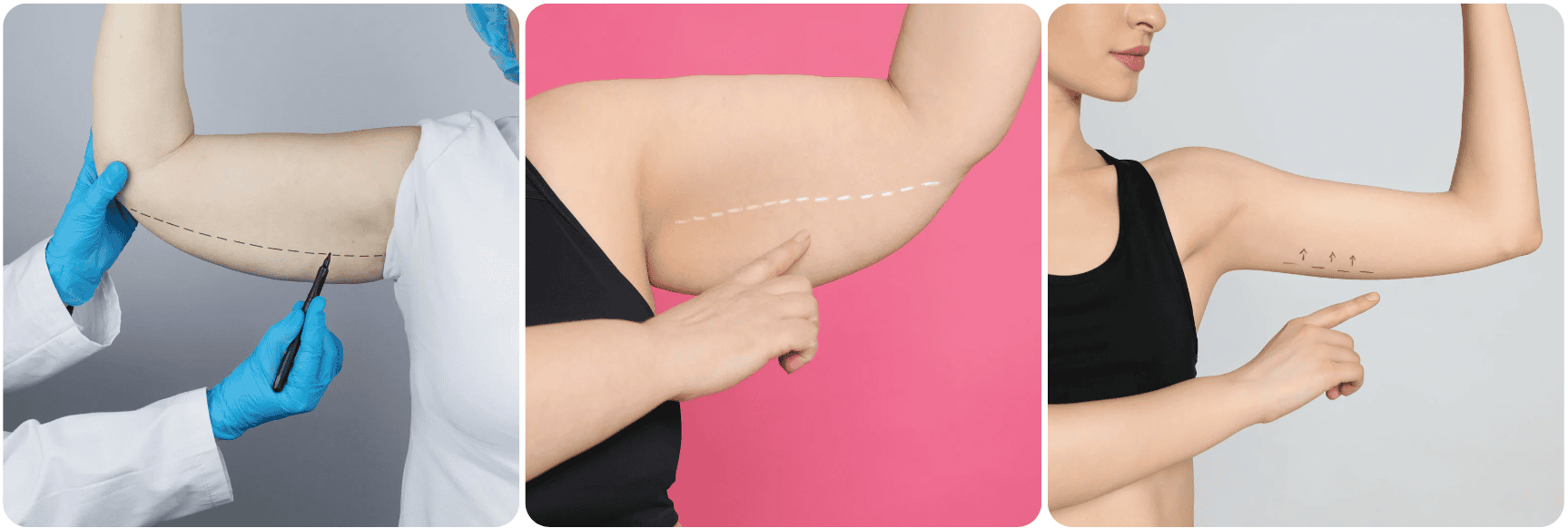
During liposculpture, the patient is typically placed under local or general anesthesia, depending on the extent of the procedure. The surgeon makes small incisions in the skin and uses a thin tube called a cannula to gently remove the fat tissue. This technique helps preserve the surrounding tissues, minimizing the risk of scarring and uneven results.
Liposculpture of the arms is a cosmetic procedure aimed at removing excess fat and enhancing the contours of the upper arms.
After the procedure, patients usually experience some swelling and bruising, but these symptoms are typically short-lived. Wearing a special compression garment can aid in the recovery process and promote the final results. The outcome of arm liposculpture often leads to a tighter, more defined appearance, which can enhance self-confidence and lead to a more positive body image.
It is essential for patients to have realistic expectations about the procedure and to discuss their desires and concerns with an experienced plastic surgeon. This helps ensure a better understanding of what is achievable and allows for the creation of a personalized treatment plan. Liposculpture of the arms can be an effective solution for those looking to improve their body contours and feel more confident in their appearance.
Liposculpture for arms is an advanced cosmetic procedure designed to refine and contour the shape of the upper arms by precisely removing localized fat deposits. Unlike traditional liposuction, liposculpture focuses on enhancing the natural definition of the arms, creating a more toned and sculpted appearance.
This procedure is ideal for individuals who have tried to achieve well-defined arms through diet and exercise but still struggle with stubborn fat that detracts from their desired results. Factors such as genetics, aging, and lifestyle can contribute to fat accumulation in the arms, making it difficult to address these concerns through non-surgical means.
Liposculpture for arms is an advanced cosmetic procedure designed to refine and contour the shape of the upper arms by precisely removing localized fat deposits.
By choosing liposculpture, patients can achieve dramatic improvements in arm aesthetics, boosting their confidence and allowing them to wear sleeveless clothing and participate in activities without hesitation.
Several misconceptions surround Liposculpture of the arms. One myth is that it replaces fitness efforts, when in reality it complements them by addressing resistant fat. Another misconception is that results appear immediately, overlooking the role of swelling.
Skin tightening is also often overestimated; while some firmness may improve, elasticity largely depends on individual biology.
👉 Myth: Liposculpture is a weight-loss method
👉 Fact: It’s a targeted contouring procedure
👉 Myth: Results are instant
👉 Fact: Final outcomes take weeks to months
Clear information supports informed decision-making.
Arm liposculpture is typically performed under local anesthesia with sedation or, in some cases, general anesthesia, depending on the extent of the procedure. During the initial consultation, the surgeon evaluates the patient’s arm structure, fat distribution, and skin elasticity to create a customized treatment plan. On the day of the procedure, small incisions are made in discreet locations, often near the elbow or armpit, to minimize visible scarring.
Arm liposculpture is typically performed under local anesthesia with sedation or, in some cases, general anesthesia, depending on the extent of the procedure.
Through these incisions, a specialized cannula is inserted to suction out excess fat. The surgeon uses precise movements to sculpt the arms, paying close attention to the natural contours and muscular definition. Advanced techniques, such as laser-assisted or ultrasound-assisted liposculpture, may be employed to liquefy fat for easier removal and to promote skin tightening during the healing process.
Once the desired contour is achieved, the incisions are closed, and the arms are wrapped in compression garments to reduce swelling and support the new shape. The procedure usually takes one to two hours, depending on the complexity of the case. Recovery time is relatively short, with most patients able to resume light activities within a few days, although strenuous activities should be avoided for several weeks.
Like all cosmetic procedures, Liposculpture of the arms carries potential side effects. Temporary swelling, bruising, and numbness are common during early recovery. These usually resolve gradually with compression and rest.
Less frequent risks may include uneven contours, fluid accumulation, or delayed healing. Serious complications are uncommon but can occur.
👉 Swelling and bruising
👉 Temporary sensation changes
👉 Minor scarring at incision sites
Careful patient selection and adherence to aftercare recommendations significantly reduce risk and support smoother outcomes.
Before Liposculpture of the arms, upper arms may appear bulky or lack definition due to localized fat. Immediately after treatment, swelling can temporarily mask improvements. This early phase is normal and part of the healing process.
Over time, arms typically appear slimmer and more proportionate. Sleeves often fit more comfortably, and natural contours become more visible.
👉 Initial swelling before visible improvement
👉 Gradual refinement over several weeks
👉 Final shape within a few months
Understanding this timeline helps align expectations with the natural recovery process of Liposculpture of the arms.
Arm liposculpture offers a range of benefits for individuals seeking a refined and toned arm appearance. One of the key advantages is the ability to achieve a more sculpted and proportional arm contour by targeting and removing stubborn fat deposits with precision. This procedure goes beyond simple fat removal, enhancing the natural definition of the arms for a more athletic and aesthetically pleasing look.
Arm liposculpture offers a range of benefits for individuals seeking a refined and toned arm appearance.
The results of liposculpture are long-lasting, provided patients maintain a healthy lifestyle with proper diet and exercise. Unlike non-surgical fat reduction methods, liposculpture delivers immediate and visible improvements, making it an excellent option for those seeking significant changes. Additionally, the minimally invasive nature of the procedure means smaller incisions, less scarring, and a quicker recovery compared to more extensive surgical options.
Beyond the physical transformation, liposculpture has a profound impact on self-confidence. Patients often feel more comfortable and empowered in their appearance, which can enhance their overall quality of life. The procedure is highly customizable, allowing surgeons to address each patient’s unique concerns and create natural-looking results that align with their goals. For those looking to achieve a more defined and toned upper body, arm liposculpture provides an effective, reliable, and safe solution.
Common questions about Liposculpture of the arms often involve discomfort, downtime, and result longevity. Most people describe post-procedure soreness as manageable and temporary. Small incisions usually heal with minimal scarring, especially when aftercare instructions are followed carefully.
Another frequent topic is permanence. Fat removal is lasting, but weight changes can influence appearance over time.
👉 Is Liposculpture permanent? Fat removal is permanent, weight gain can affect results.
👉 How long is downtime? Often a few days for desk work.
👉 Are both arms treated together? Yes, for balanced shaping.
For general educational information about cosmetic procedures, many people explore platforms such as SurgeryBooking to understand terminology and treatment concepts.
An ideal candidate for Liposculpture of the arms is someone who is close to their target weight but struggles with persistent upper-arm fat that does not improve with exercise or nutrition. This treatment is designed for contour refinement, not overall weight loss, making body composition and skin quality important factors. Individuals with mild to moderate skin elasticity usually experience smoother contour transitions after fat removal.
Candidates should also be in generally good health and able to commit to post-treatment care. Realistic expectations are essential, as Liposculpture of the arms focuses on shaping and definition rather than dramatic size reduction.
👉 Adults with localized arm fat
👉 People with stable body weight
👉 Individuals with good or moderate skin firmness
👉 Those without significant medical contraindications
Lifestyle habits also matter. Maintaining consistent activity levels and balanced nutrition supports longer-lasting results and better healing outcomes.
Liposculpture of the arms typically leads to slimmer, more refined upper arms with improved definition and symmetry. Early changes become visible once swelling starts to decrease, but final contours usually develop gradually over several months. The procedure targets fat pockets while preserving natural arm shape, helping results look proportional.
While removed fat cells do not return, remaining fat cells can still expand if weight fluctuates significantly. This makes long-term maintenance an important part of the outcome.
👉 More sculpted arm contours
👉 Reduced bulk in the upper arms
👉 Improved clothing fit around sleeves
Results vary based on anatomy, skin elasticity, and lifestyle. Understanding these variables helps set realistic expectations and supports satisfaction with Liposculpture of the arms.
Preparation before Liposculpture of the arms focuses on minimizing risks and supporting smooth recovery. Patients are often advised to avoid blood-thinning medications and supplements in advance, along with smoking or nicotine products. Staying well hydrated and maintaining nutrient-dense meals can also support healing capacity.
Practical planning matters just as much. Organizing help at home and preparing recovery essentials reduces unnecessary strain during the first days after treatment.
👉 Arrange transport for procedure day
👉 Prepare loose clothing that won’t rub the arms
👉 Set up a comfortable resting area
👉 Fill any prescribed medications ahead of time
Clear preparation contributes to fewer complications and more predictable outcomes following Liposculpture of the arms.
Recovery after Liposculpture of the arms usually begins with swelling, tenderness, and visible bruising. Compression garments are commonly used to control fluid buildup and help the arms adapt to their new shape. Light movement is encouraged early to promote circulation.
As healing progresses, swelling gradually subsides and contours become clearer. Most daily activities resume within days, while strenuous exercise is typically delayed for several weeks.
👉 Days 1–3: rest, compression, gentle walking
👉 Week 1: bruising begins to fade
👉 Weeks 2–4: swelling reduces noticeably
👉 Months 2–3: final definition appears
Following professional aftercare guidance closely supports consistent healing and optimal results from Liposculpture of the arms.
Consistent aftercare plays a major role in how well Liposculpture of the arms results settle. Compression garments should be worn as directed to support skin adaptation and reduce swelling. Hydration and balanced nutrition also assist tissue recovery.
Avoiding heavy lifting early on prevents unnecessary strain and helps protect developing contours.
👉 Wear compression garments consistently
👉 Maintain hydration and protein intake
👉 Avoid intense arm workouts initially
👉 Attend all scheduled follow-ups
Long-term lifestyle habits strongly influence how refined the arms remain after Liposculpture of the arms.
Results from Liposculpture of the arms are considered long-lasting because removed fat cells do not regenerate. However, remaining fat cells can enlarge with weight gain, which may soften definition over time. Stable body weight is therefore essential.
Natural aging still affects skin elasticity, but most people retain visible contour improvements for many years when healthy routines are maintained.
Liposculpture of the arms is often part of a broader approach to body contouring rather than an isolated treatment. Refining the upper arms can enhance overall balance between shoulders, torso, and waist, contributing to a more harmonious silhouette.
When combined with strength training and consistent nutrition, results tend to appear more integrated and natural. Many individuals view arm liposculpture as one step within a long-term aesthetic plan focused on shape, proportion, and maintenance.
This holistic perspective helps preserve the benefits of Liposculpture of the arms while supporting overall physical well-being.
During your consultation, you will discuss your wishes, medical history, and expectations with the doctor. The doctor will examine you, take measurements if necessary, and explain which treatment suits you best, including risks and recovery. You will have the opportunity to ask questions and then receive a clear treatment proposal.
Make sure you have all relevant medical information ready, such as previous treatments, allergies, or medical conditions. This allows the doctor to give you better advice.
Payment is made securely via SurgeryBooking. You pay the amount in advance to SurgeryBooking. We hold the funds and transfer them to the clinic after your treatment. Cancellation or change conditions vary per clinic and are clearly communicated in advance.
During the consultation (online or at the clinic), the doctor will assess this based on your health, expectations, and physical characteristics. You will discuss what you want, what is possible, and what the limitations are. Sometimes there are alternatives if the chosen treatment is not ideal.
Through SurgeryBooking.com, you can quickly and easily book a consultation or procedure with doctors and clinics worldwide. SurgeryBooking.com provides an overview of doctors and clinics, allowing you to make an informed and transparent choice when booking a consultation or procedure.
You can easily book through the profile of the desired clinic or doctor. Select the desired treatment, enter your details, and choose an available date and time. If there are any costs involved, you will complete the payment first. Afterwards, you will receive a confirmation email with all the details.
Yes, during the booking process, you can indicate whether you prefer an online consultation or an in-person consultation at the clinic.
With SurgeryBooking.com, you gain access to a global network of doctors and clinics. Through SurgeryBooking.com, you can easily book a consultation or a cosmetic procedure directly. Clinic profiles provide information about available cosmetic procedures, reviews, photos of the clinic, and other relevant details. This enables you to compare costs and make an informed decision when booking a consultation or procedure.