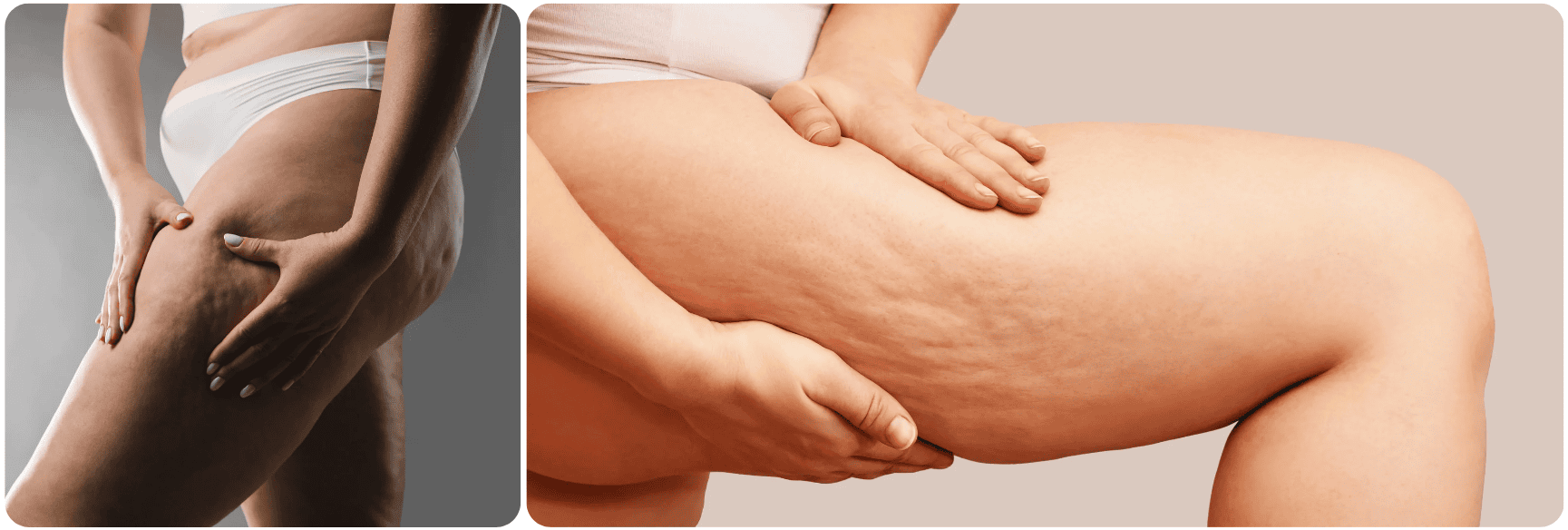
Lipofilling is a cosmetic procedure that involves using the body's own fat to restore or enhance volume in specific areas. When it comes to lipofilling of the legs, fat is taken from another part of the body, such as the abdomen, hips, or thighs, and then injected into the legs. This technique can be used to improve the shape of the legs, correct asymmetries, or compensate for volume loss due to aging or weight loss.
The process begins with liposuction, where excess fat is removed through small incisions. The harvested fat is then purified to isolate healthy fat cells, which are injected into the targeted areas of the legs. One of the main advantages of lipofilling is that it uses the body’s own fat, reducing the risk of rejection or allergic reactions. Additionally, the results often look more natural since the fat adapts well to the body’s contours compared to synthetic fillers.
Lipofilling is a cosmetic procedure that involves using the body's own fat to restore or enhance volume in specific areas.
Lipofilling can serve different purposes depending on the patient’s needs. For those seeking fuller or better-shaped legs, the procedure can help achieve the desired volume and contour. It can also be a solution for individuals with uneven or asymmetrical legs, or for those who have lost leg volume or shape due to previous surgery or injury.
In many cases, the results of lipofilling are long-lasting, as a portion of the injected fat becomes permanently established. However, it’s important to note that not all the injected fat survives. The body may absorb a percentage of the fat cells, which could mean that a second procedure is sometimes needed to achieve the desired outcome.
The recovery time after lipofilling is generally short. Patients can often return to their normal activities within a few days, though resting during the first few days is recommended to minimize swelling and bruising. The full results become visible after several months, once the body has had time to absorb the fat and the skin adjusts to the new contours.
Lipofilling, also known as fat grafting or fat transfer, is a cosmetic procedure in which fat is harvested from one area of the body and then injected into another to enhance volume and contour. When used for the legs, lipofilling can be an excellent option for individuals looking to improve the shape, tone, or fullness of their thighs, calves, or other areas of the legs. Many people choose lipofilling for the legs to address issues like sagging skin, loss of volume due to aging, or to create a more balanced and proportionate leg contour. Additionally, lipofilling can be an ideal solution for those who want to enhance their leg shape without the use of implants or synthetic fillers, as it uses the patient's own fat.
Lipofilling, also known as fat grafting or fat transfer, is a cosmetic procedure in which fat is harvested from one area of the body and then injected into another to enhance volume and contour.
The procedure offers a natural and long-lasting solution to volume loss or uneven leg contours. Whether it’s restoring volume in areas that have lost fat over time, such as the inner thighs or calves, or enhancing specific areas for a more sculpted look, lipofilling can achieve very natural results. Additionally, lipofilling provides the added benefit of body fat removal, as it involves liposuction to collect fat, which can also help contour other areas of the body. The procedure is particularly beneficial for individuals who want to achieve a fuller, smoother, and more youthful appearance in the legs without the risks associated with implants or synthetic fillers.
There are several misconceptions surrounding Lipofilling for the legs. One myth is that results look artificial; in reality, using your own fat creates soft, organic contours. Another is that recovery takes months, while most people resume normal routines fairly quickly.
Some also believe fat transfer always requires multiple sessions. While touch-ups are possible, many achieve satisfactory results after one procedure.
👉 Myth: results are stiff or unnatural
👉 Fact: outcomes typically look smooth and subtle
👉 Myth: downtime is extensive
👉 Fact: recovery is usually manageable
Separating fact from fiction helps patients make informed decisions about Lipofilling for the legs.
Compared to implants or synthetic fillers, Lipofilling for the legs offers a more natural approach by using your own tissue. This reduces foreign-body risks and often provides softer contours. Unlike implants, fat transfer allows for customized shaping and gradual refinement.
However, lipofilling requires sufficient donor fat and patience during healing. Each method has its place, but many people prefer fat transfer for its dual benefit of contouring donor areas while enhancing the legs.
Understanding these differences helps clarify whether Lipofilling for the legs fits your personal goals.
The success of Lipofilling for the legs depends heavily on fat quality and handling. Carefully purified fat has a higher chance of survival once injected. Gentle harvesting techniques and precise placement improve integration with surrounding tissue.
Healthy fat cells adapt better, which is why overall wellness matters. Adequate circulation, balanced nutrition, and avoiding smoking all contribute to better retention rates.
Ultimately, attention to fat quality supports smoother contours and longer-lasting outcomes from Lipofilling for the legs.
Results from Lipofilling for the legs tend to look subtle, balanced, and natural rather than dramatic. The transferred fat integrates with existing tissue, improving contours while maintaining a soft appearance. Most patients notice fuller calves or smoother thighs, along with improved proportions between upper and lower legs.
It’s important to understand that not all injected fat survives. On average, a percentage of fat cells are reabsorbed by the body within the first few months. This is normal and planned for during treatment. Final results typically stabilize after three to six months.
👉 Gradual volume enhancement rather than instant transformation
👉 Improved symmetry and smoother leg contours
👉 Long-term results from surviving fat cells
Some people may choose a second session of Lipofilling for the legs to further refine shape or add volume once initial healing is complete.
The process of lipofilling for the legs begins with a consultation to assess the patient’s goals and the areas that need improvement. Once the areas are identified, fat is harvested from another part of the body, commonly from the abdomen, thighs, or flanks. This is done through liposuction, where a small cannula is used to suction out fat cells. The fat is then purified to remove impurities and excess fluids, ensuring that only the highest quality fat is used for the injection process.
The process of lipofilling for the legs begins with a consultation to assess the patient’s goals and the areas that need improvement.
Once the fat is ready, it is carefully injected into the targeted areas of the legs. The injection process is done with a fine needle or cannula to ensure smooth and even distribution of the fat. The doctor will strategically place the fat to create a natural, sculpted appearance, targeting areas where additional volume is needed, such as the thighs, calves, or other areas with uneven fat distribution. The procedure is performed under local anesthesia, making it relatively comfortable for patients.
One of the unique aspects of lipofilling is that it requires minimal downtime. While patients may experience some swelling, bruising, and mild discomfort in both the donor and treated areas, most people can return to normal activities within a few days. Compression garments may be recommended for the treated area to help support the healing process and improve fat retention. It may take several weeks for the final results to become visible, as the body needs time to absorb some of the transferred fat. However, the results are generally long-lasting, as the fat that survives the transfer becomes integrated into the tissue.
Many people exploring Lipofilling for the legs have practical questions about safety, durability, and comfort. One common concern is whether the procedure feels painful; most patients describe it as manageable, especially with local anesthesia and proper aftercare.
Another frequent topic is longevity. While some fat is naturally absorbed, the remaining fat cells typically establish permanent volume. Patients also ask about scars—these are usually minimal due to small liposuction entry points.
👉 Is the procedure permanent? Partially—surviving fat remains long term
👉 Are scars visible? Usually very small and discreet
👉 Can both legs be treated in one session? Yes, typically
Understanding these basics helps set realistic expectations for Lipofilling for the legs.
Like any medical aesthetic procedure, Lipofilling for the legs carries potential side effects. Most are temporary and mild, such as swelling, bruising, or soreness. Less common risks include infection, uneven fat distribution, or fat reabsorption beyond expectations.
Choosing an experienced practitioner and following aftercare instructions significantly reduces complications. Because your own fat is used, allergic reactions are extremely rare.
👉 Temporary swelling or bruising
👉 Minor discomfort in donor areas
👉 Irregular contours if fat settles unevenly
Being informed about these possibilities allows patients to approach Lipofilling for the legs with confidence and clarity.
Before undergoing Lipofilling for the legs, it’s helpful to understand that initial post-treatment swelling can make legs appear fuller than the final outcome. Over time, as swelling subsides and fat stabilizes, results become more refined and natural.
After healing, most patients notice smoother transitions between muscle and skin, improved proportions, and enhanced leg definition. Changes are subtle yet meaningful, especially for those addressing asymmetry or volume deficits.
The transformation is progressive rather than instant, making patience an important part of the journey with Lipofilling for the legs.
Lipofilling offers several advantages for individuals looking to improve the appearance and shape of their legs. One of the most significant benefits is that it provides natural, long-lasting results. Since the procedure uses the patient’s own fat, there is little risk of rejection or allergic reactions, which can be a concern with synthetic fillers or implants. The fat that is transferred integrates naturally into the surrounding tissue, offering a smooth and natural-looking enhancement.
Lipofilling offers several advantages for individuals looking to improve the appearance and shape of their legs.
Another major advantage is the dual benefit of fat removal and fat transfer. Not only does lipofilling enhance the shape of the legs, but it also contours and reduces fat from the donor area, such as the abdomen or thighs. This allows for a more balanced body shape overall, making the procedure a great option for those seeking body sculpting as well as leg enhancement.
Lipofilling is also minimally invasive, meaning it requires only small incisions for the liposuction process, which results in minimal scarring. Additionally, since it does not involve synthetic implants, there is no risk of implant rejection or the need for future maintenance. The recovery time is relatively short, and most patients can return to their daily activities within a few days, making it a convenient option for people with busy lifestyles.
The procedure is highly customizable, allowing for precise targeting of the areas where fat is needed most, ensuring that each patient gets the best possible results tailored to their specific goals. Whether the aim is to create fuller calves, smooth out uneven thighs, or restore volume to sagging areas, lipofilling can provide a personalized solution to achieve the desired leg shape.
Finally, lipofilling is a safe and effective alternative to other types of leg enhancement procedures, such as implants or synthetic fillers, offering more natural, long-lasting results with minimal risk. As it uses the body’s own fat, it is a great option for those who want to avoid the use of artificial materials while enhancing the appearance and contour of their legs.
The ideal candidate for Lipofilling for the legs is someone who wants to improve leg volume, shape, or symmetry using their own body fat. This treatment is often suitable for people who feel their calves or thighs look too thin, uneven, or hollow due to genetics, weight loss, or aging. Having enough donor fat in areas such as the abdomen, hips, or thighs is essential, as the procedure relies on fat harvesting. Candidates should also be in generally good health and have realistic expectations about gradual, natural-looking results.
Equally important is lifestyle and skin quality. Individuals with relatively good skin elasticity usually achieve smoother outcomes, as the skin adapts better to the added volume.
👉 People with mild to moderate volume loss in the legs
👉 Patients seeking natural enhancement rather than implants
👉 Individuals with leg asymmetry or contour irregularities
👉 Those who prefer autologous (own-fat) procedures
A consultation with a qualified specialist helps determine whether Lipofilling for the legs aligns with your anatomy and goals.
Preparing well for Lipofilling for the legs can significantly influence both recovery and results. In the weeks before treatment, patients are usually advised to maintain a stable weight and avoid smoking, as nicotine can negatively affect fat survival. Blood-thinning medications and certain supplements may also need to be paused under medical guidance.
Hydration and general wellness matter too. A healthy body supports better healing and fat integration. Comfortable clothing and arranging light activities for the first recovery days can also make the process smoother.
👉 Stop smoking several weeks before the procedure
👉 Avoid alcohol shortly before treatment
👉 Follow pre-op instructions regarding medication
👉 Prepare compression garments if recommended
Thoughtful preparation helps optimize outcomes from Lipofilling for the legs while reducing unnecessary stress during recovery.
Recovery after Lipofilling for the legs usually involves mild to moderate swelling and bruising in both donor and treated areas. These effects peak within the first few days and gradually subside over two to three weeks. Most people can return to desk-based work within a few days, although strenuous exercise should be postponed.
Compression garments are often worn on donor areas to support healing and reduce swelling. During the early phase, avoiding pressure on treated leg areas helps maximize fat survival.
👉 Days 1–3: swelling and tenderness are most noticeable
👉 Week 1: bruising begins to fade
👉 Weeks 2–4: mobility improves significantly
👉 Months 2–3: final contours become clearer
Patience is key, as Lipofilling for the legs delivers progressive results rather than immediate perfection.
Proper aftercare plays a crucial role in preserving transferred fat following Lipofilling for the legs. Avoiding pressure on treated areas and maintaining stable body weight helps protect newly placed fat cells.
Staying hydrated and following activity guidelines also supports healing. Light walking is often encouraged, but intense workouts should wait until cleared by your provider.
👉 Avoid sitting directly on treated zones when possible
👉 Wear compression garments as advised
👉 Keep physical activity gentle initially
👉 Maintain consistent nutrition and hydration
These habits can significantly improve long-term outcomes from Lipofilling for the legs.
Results from Lipofilling for the legs can be long-lasting once fat cells establish blood supply. Typically, surviving fat behaves like normal body fat, meaning it can expand or shrink with weight changes.
While initial volume may decrease slightly during the first few months, stable results often remain for many years. Aging continues naturally, but treated areas usually retain improved contour compared to pre-treatment.
Maintaining a healthy lifestyle helps preserve the benefits of Lipofilling for the legs over time.
During your consultation, you will discuss your wishes, medical history, and expectations with the doctor. The doctor will examine you, take measurements if necessary, and explain which treatment suits you best, including risks and recovery. You will have the opportunity to ask questions and then receive a clear treatment proposal.
Make sure you have all relevant medical information ready, such as previous treatments, allergies, or medical conditions. This allows the doctor to give you better advice.
Payment is made securely via SurgeryBooking. You pay the amount in advance to SurgeryBooking. We hold the funds and transfer them to the clinic after your treatment. Cancellation or change conditions vary per clinic and are clearly communicated in advance.
During the consultation (online or at the clinic), the doctor will assess this based on your health, expectations, and physical characteristics. You will discuss what you want, what is possible, and what the limitations are. Sometimes there are alternatives if the chosen treatment is not ideal.
Through SurgeryBooking.com, you can quickly and easily book a consultation or procedure with doctors and clinics worldwide. SurgeryBooking.com provides an overview of doctors and clinics, allowing you to make an informed and transparent choice when booking a consultation or procedure.
You can easily book through the profile of the desired clinic or doctor. Select the desired treatment, enter your details, and choose an available date and time. If there are any costs involved, you will complete the payment first. Afterwards, you will receive a confirmation email with all the details.
Yes, during the booking process, you can indicate whether you prefer an online consultation or an in-person consultation at the clinic.
With SurgeryBooking.com, you gain access to a global network of doctors and clinics. Through SurgeryBooking.com, you can easily book a consultation or a cosmetic procedure directly. Clinic profiles provide information about available cosmetic procedures, reviews, photos of the clinic, and other relevant details. This enables you to compare costs and make an informed decision when booking a consultation or procedure.