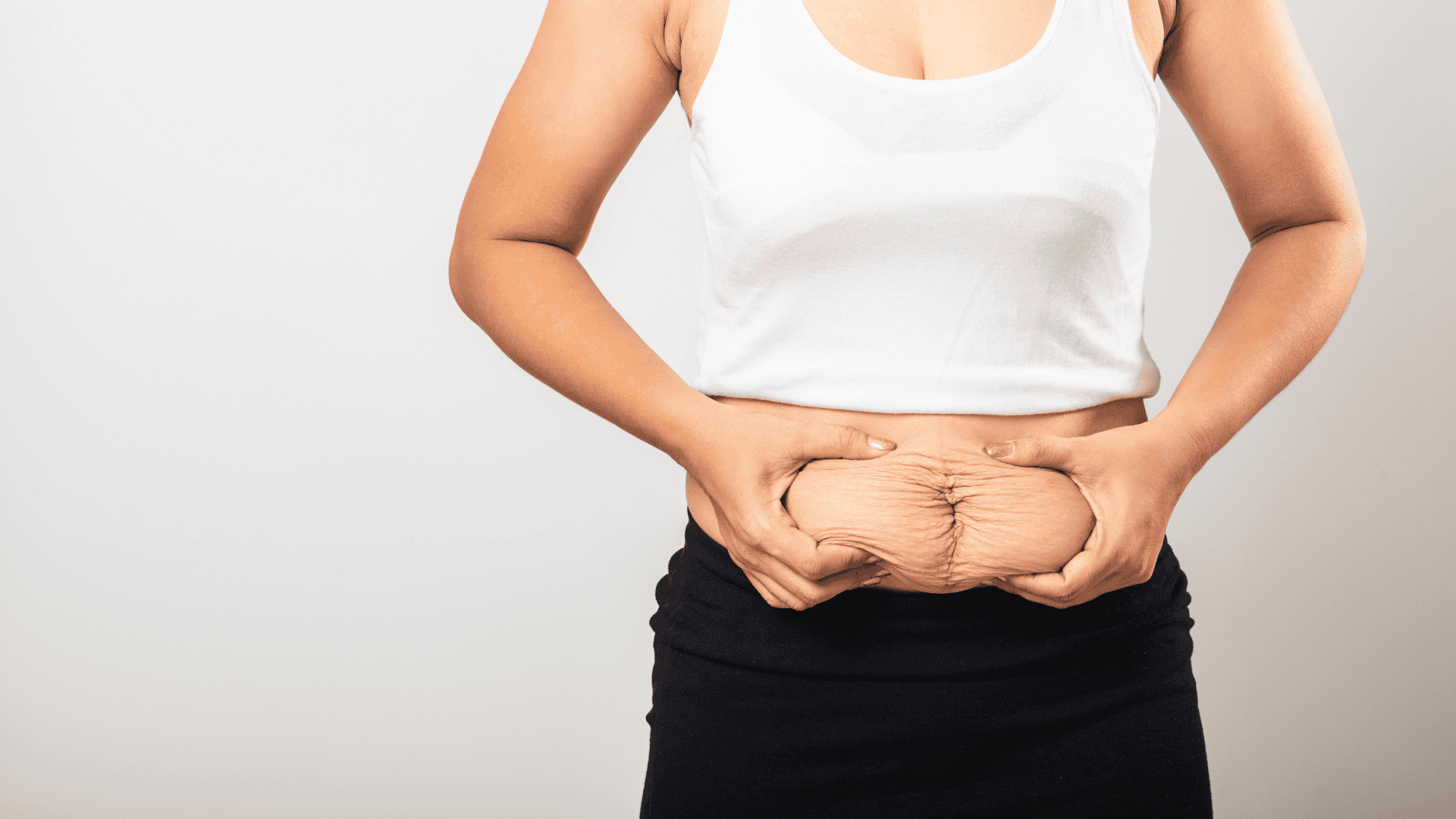
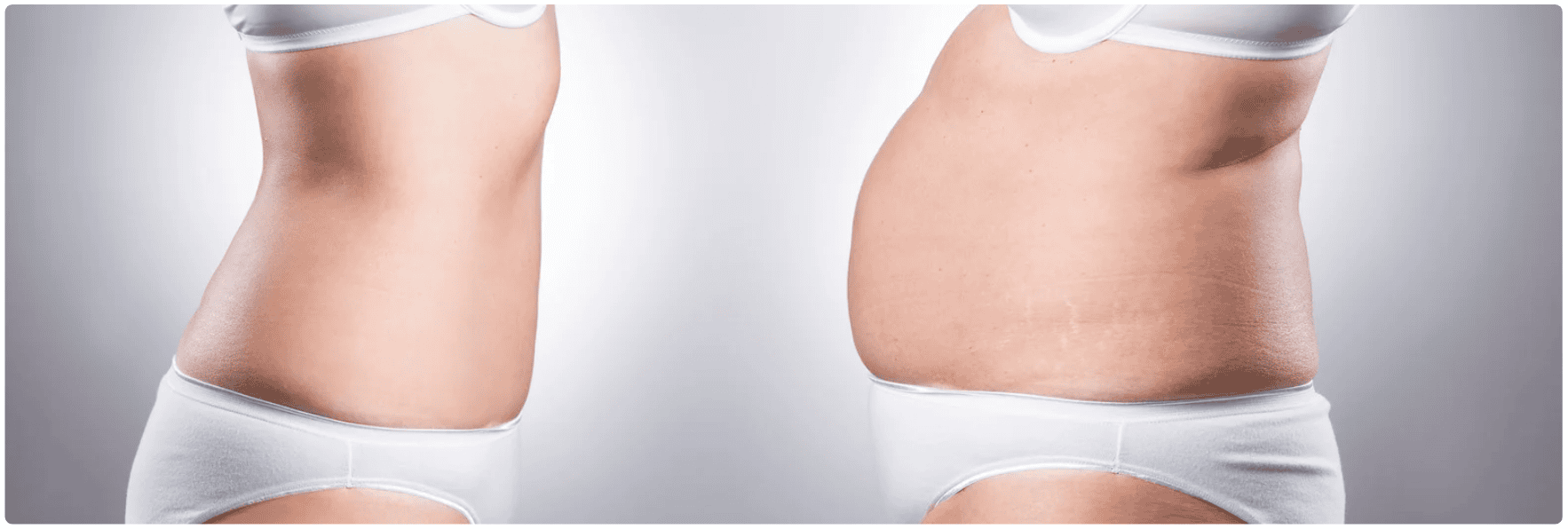
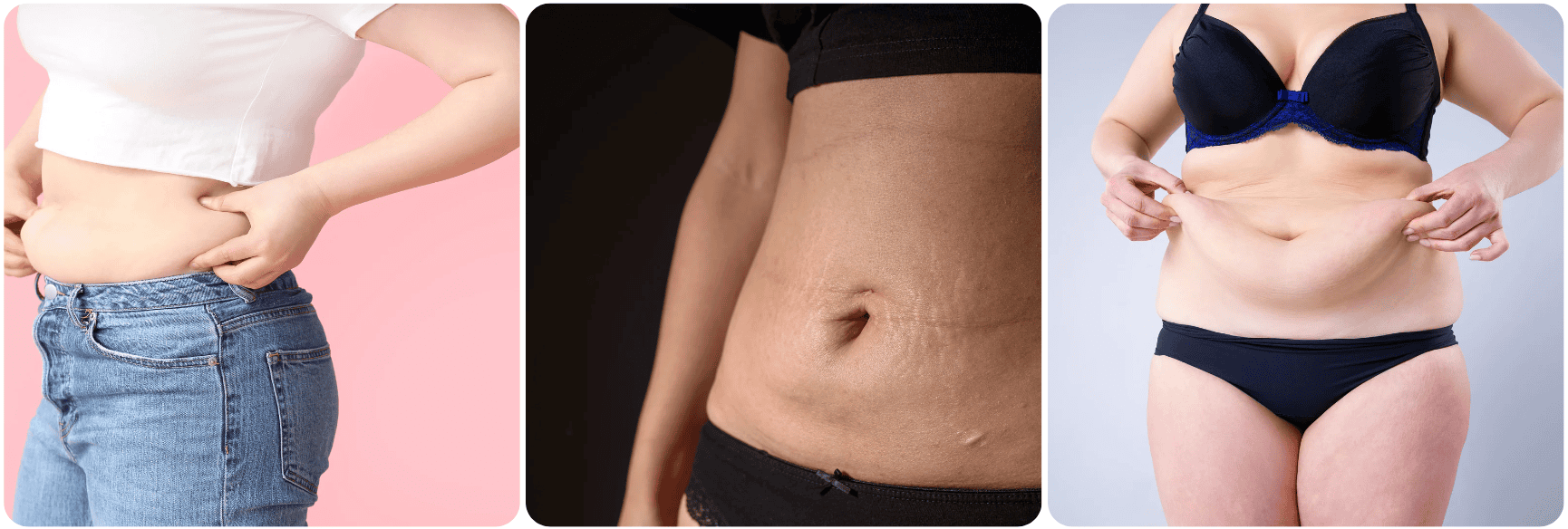
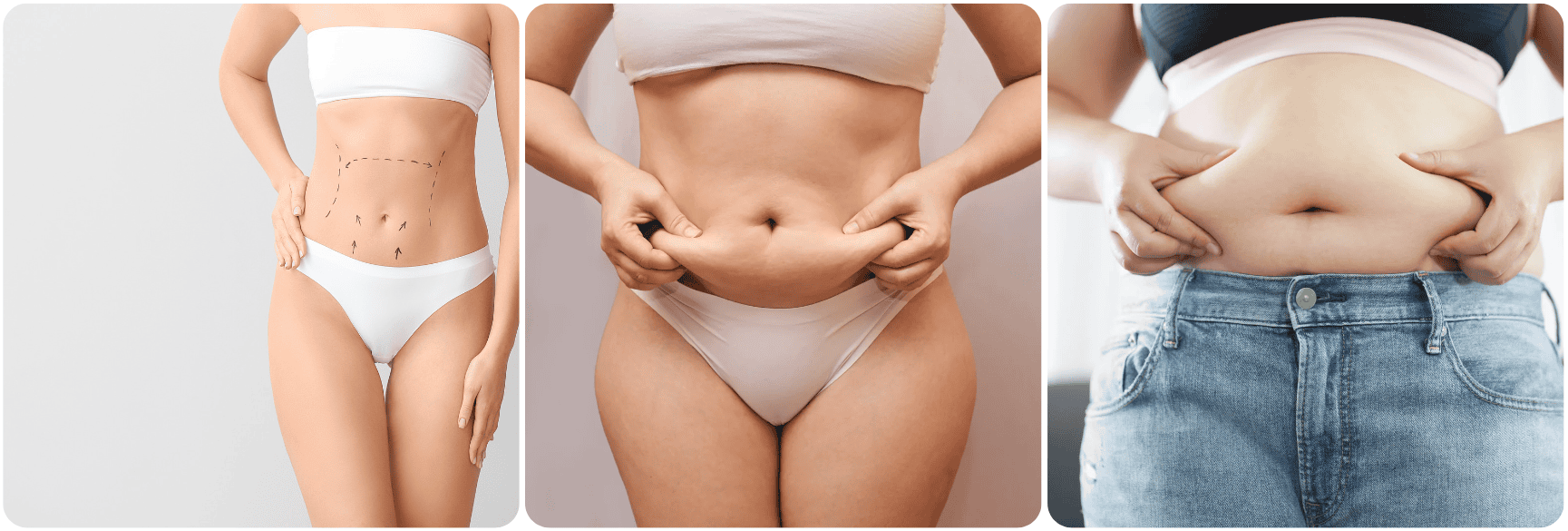
Lipoabdominoplasty is a cosmetic procedure that combines liposuction with an abdominoplasty, or tummy tuck. The primary goal of this surgery is to create a slimmer and tighter silhouette, particularly in the abdominal area. During the procedure, excess fat is removed from the abdomen, hips, and sometimes other areas, while the skin is tightened, and any loose skin is excised. This is especially beneficial for individuals who experience skin laxity or excess fat after significant weight loss or pregnancy.
Lipoabdominoplasty is a cosmetic procedure that combines liposuction with an abdominoplasty, or tummy tuck.
The surgery typically begins with incisions made in the abdomen, through which the surgeon uses liposuction techniques to remove fat tissue. After the liposuction is performed, the abdominal muscles are repositioned, and the skin is pulled taut. This process helps to create a flatter abdomen and a more defined waistline.
Lipoabdominoplasty can be an effective solution for individuals who are at a healthy weight but struggle with stubborn fat and excess skin that do not respond to diet or exercise. It is essential for patients to be well-informed about the procedure and the associated recovery period. Recovery can vary, but patients should anticipate several weeks for a full recovery.
The procedure is usually performed under general anesthesia and lasts a few hours. The results can significantly enhance one’s body image, but it is crucial to maintain realistic expectations. As with any surgery, there are risks involved, including infection, scarring, and complications related to anesthesia.
In summary, lipoabdominoplasty is a popular choice for those looking to improve their bodies, particularly after major weight changes or pregnancy. It offers not only aesthetic benefits but can also contribute to enhanced self-confidence.
Lipoabdominoplasty is a combination of traditional abdominoplasty (tummy tuck) and liposuction, designed to deliver more comprehensive body contouring results for the abdominal area. Many people choose lipoabdominoplasty because it addresses both excess fat and loose skin simultaneously, making it ideal for individuals who want a flatter, firmer belly after significant weight loss, pregnancy, or aging. Unlike a standard tummy tuck, which focuses solely on removing excess skin and tightening the abdominal muscles, lipoabdominoplasty also sculpts the body by removing unwanted fat deposits through liposuction. This dual approach offers more refined and natural results, especially for patients who have both skin laxity and fat accumulation in the abdominal area.
Lipoabdominoplasty is a combination of traditional abdominoplasty (tummy tuck) and liposuction, designed to deliver more comprehensive body contouring results for the abdominal area.
It’s particularly beneficial for individuals who want to avoid the sometimes overly "stiff" appearance of a traditional tummy tuck, as the inclusion of liposuction allows for more precise shaping of the waistline. For those seeking a transformative procedure that addresses multiple concerns in one surgery, lipoabdominoplasty provides a powerful solution that improves both the contour and appearance of the belly.
Lipoabdominoplasty combines the techniques of liposuction and abdominoplasty, offering a more advanced approach to abdominal contouring. The procedure begins with liposuction, where a surgeon uses a small cannula to remove excess fat from the abdominal area and flanks. This process allows for the careful shaping and sculpting of the body, creating a more contoured and slim appearance.
Once the liposuction is complete, the surgeon proceeds with the tummy tuck portion of the procedure. A horizontal incision is made across the lower abdomen, just above the pubic area, similar to a standard abdominoplasty. Through this incision, the surgeon tightens the underlying abdominal muscles that may have become stretched or weakened, particularly after pregnancy. The excess skin is then removed, and the remaining skin is pulled taut over the newly contoured abdomen.
By combining liposuction with the muscle-tightening and skin-removal elements of a tummy tuck, lipoabdominoplasty provides a smoother, more sculpted appearance. One of the key benefits of this approach is that the liposuction allows for more precise fat removal, especially in areas like the waist, which can create a more defined hourglass shape.
The procedure is typically performed under general anesthesia and can take several hours, depending on the extent of fat removal and skin tightening required. Recovery from lipoabdominoplasty generally takes longer than standalone liposuction but can be comparable to traditional tummy tuck recovery. Patients typically experience some swelling, bruising, and discomfort in the first few weeks, but can usually resume light activities after about two weeks, with more strenuous activities resuming after six to eight weeks.
Lipoabdominoplasty offers several key benefits, especially for those looking to achieve a flatter, more sculpted belly with both fat removal and skin tightening in one procedure. One of the main advantages is that it combines the best aspects of both liposuction and abdominoplasty, resulting in a more comprehensive and natural-looking contour of the abdomen. While a traditional tummy tuck focuses on tightening muscles and removing excess skin, it may not adequately address fat pockets around the abdomen or waist. Lipoabdominoplasty, however, allows for fat removal and body sculpting through liposuction, providing more refined and balanced results. This makes it particularly effective for patients who have fat deposits that are resistant to diet and exercise, in addition to loose skin or weakened abdominal muscles.
Another significant benefit is that lipoabdominoplasty tends to result in a less "blocky" or "over-tightened" appearance, which can sometimes occur with standard tummy tucks. The inclusion of liposuction means that the surgeon can contour the waist and flanks more precisely, creating smoother transitions between the abdominal area and the rest of the body.
This can result in a more natural, proportionate look that enhances the overall body shape, rather than just tightening the belly. Additionally, because liposuction helps to thin the fat layer before the skin is tightened, the recovery process can be more comfortable, and the risk of complications like seroma (fluid buildup) may be reduced.
Lipoabdominoplasty also provides longer-lasting results compared to traditional abdominoplasty alone. Since fat cells are permanently removed during liposuction, patients are less likely to experience fat accumulation in the treated areas, provided they maintain a stable weight. Moreover, the combination of muscle repair, skin tightening, and fat removal makes lipoabdominoplasty highly effective for individuals who have undergone significant body changes, such as those who have experienced dramatic weight loss or multiple pregnancies. Overall, lipoabdominoplasty offers a powerful solution for achieving a firmer, flatter, and more contoured belly, with the added benefits of liposuction to sculpt the body and enhance the final result.
Wearing compression garments is a vital part of recovery after lipoabdominoplasty. These specially designed garments provide gentle pressure that helps reduce swelling and support the healing tissues. They also aid in shaping the abdomen by ensuring that the skin conforms smoothly to the newly contoured area. Compression garments help minimize the risk of fluid buildup, which can cause complications like seroma.
Wearing compression garments is a vital part of recovery after lipoabdominoplasty.
Patients often notice that wearing these garments improves comfort by reducing feelings of tightness or pulling. Most surgeons recommend wearing them continuously for several weeks, except when showering. The garments are usually discreet enough to be worn under everyday clothing. Over time, they contribute to more even healing and better final results. Proper sizing and consistent use are essential for maximum benefit. While some patients find them slightly uncomfortable at first, most adapt quickly and recognize their importance in achieving a smooth recovery.
Lipoabdominoplasty stands out among body contouring procedures because it strategically combines two powerful techniques into one surgery. Traditional tummy tucks focus solely on removing excess skin and tightening the abdominal muscles, while liposuction targets localized fat deposits. Lipoabdominoplasty merges these benefits, allowing both fat reduction and skin tightening in a single operation. What makes this approach unique is how it offers both structural improvement and detailed sculpting.
Patients receive not just a flatter stomach, but a more harmonized shape that enhances the waistline and improves overall body balance. It is especially effective for individuals who have lost a large amount of weight or experienced post-pregnancy changes, offering results that go beyond what either procedure can achieve alone.
Recovery after lipoabdominoplasty can vary depending on the extent of the procedure, but most patients experience a noticeable transformation over the first several weeks. Swelling, bruising, and tightness are normal in the early days and can be managed with pain medication and compression garments. Light walking is encouraged soon after surgery to promote circulation, but strenuous activities should be avoided for at least six weeks. Patients typically return to work within two to three weeks, depending on the nature of their job.
Throughout recovery, it’s important to attend follow-up visits to ensure proper healing and to monitor the surgical results. Final results gradually reveal themselves as swelling subsides, and many patients report not only a physical transformation but also increased confidence and comfort in their appearance.
Lipoabdominoplasty offers long-lasting results, especially when paired with a healthy lifestyle. Since fat cells are removed during liposuction and the skin is tightened, most patients enjoy their new contours for years to come. However, maintaining a stable weight is key — significant weight gain or loss after surgery can affect the outcome.
Patients are encouraged to follow a balanced diet, stay physically active, and avoid smoking, which can interfere with healing and skin quality. The procedure also strengthens the abdominal wall, making it easier to maintain core strength through exercise. With proper care, lipoabdominoplasty can provide a long-term solution to abdominal concerns, supporting both aesthetic goals and overall body confidence.
While both lipoabdominoplasty and traditional tummy tucks aim to reshape the abdomen, there are distinct differences in their approach and results. A traditional tummy tuck primarily focuses on removing excess skin and tightening weakened abdominal muscles. However, it does not specifically address fat deposits outside of the main abdominal area. Lipoabdominoplasty, on the other hand, incorporates targeted liposuction, which allows for removal of stubborn fat from the abdomen, waist, and even the flanks. This dual technique results in a more natural, tapered silhouette rather than a flat but rigid outcome.
Many surgeons find lipoabdominoplasty advantageous because it reduces tension on the incision line by thinning out fat before the skin is tightened. This can contribute to improved healing and potentially less visible scarring. Patients who choose this method often notice a softer, smoother finish compared to a standard tummy tuck. It is also a more modern approach, as body contouring has evolved to focus not only on flatness but also on balance and proportion. This makes lipoabdominoplasty an increasingly popular option for patients seeking comprehensive abdominal transformation.
Not everyone who is unhappy with their midsection is automatically a candidate for lipoabdominoplasty. Surgeons usually recommend the procedure for patients who are in good overall health and close to their ideal body weight. It is especially beneficial for individuals who have both excess skin and fat that do not respond to diet and exercise. Patients who have gone through pregnancies often notice stretched muscles and loose skin, making them excellent candidates for this procedure. Similarly, people who have lost a significant amount of weight and are left with sagging abdominal tissue can benefit greatly.
Ideal candidates should also be non-smokers, as smoking interferes with healing. A stable weight is another critical factor, since large fluctuations after surgery can compromise the results. Patients are also encouraged to have realistic expectations, as lipoabdominoplasty provides dramatic improvements but cannot create absolute perfection. Ultimately, a thorough consultation with a qualified surgeon helps determine whether this procedure is the right choice for someone’s unique situation.
The main strength of lipoabdominoplasty lies in its ability to combine two effective techniques in a single surgery. Liposuction targets and removes stubborn fat, while abdominoplasty focuses on tightening and removing excess skin. By performing them together, surgeons can achieve a more balanced and harmonious abdominal contour. Patients benefit from reduced overall recovery time compared to having two separate surgeries.
The results are typically more natural, since the liposuction allows for precise shaping of the waistline and flanks. Another advantage is that thinning the fat layer before tightening the skin reduces tension, which can help with healing. For many, this dual approach eliminates the need to choose between procedures, delivering the best of both worlds. Surgeons often emphasize how this technique allows them to create a smoother transition between the stomach and hips. This not only enhances the belly area but also contributes to overall body proportion. As a result, lipoabdominoplasty has quickly become the preferred method for patients seeking complete abdominal contouring.
Proper preparation before undergoing lipoabdominoplasty can significantly improve the outcome and recovery experience. Surgeons usually recommend a full medical evaluation to ensure that patients are healthy enough for surgery. Certain lifestyle adjustments may also be necessary, such as quitting smoking and avoiding specific medications that increase bleeding risk. Maintaining a stable weight before surgery is critical, as large fluctuations can negatively impact results. Many patients are asked to arrange for time off work and have support at home during the initial recovery period.
Preparing the home environment with essentials like comfortable clothing, compression garments, and easy access to necessities helps ease the healing process. It is also important to have realistic discussions with the surgeon about the procedure, incision placement, and potential scars. Patients may also be advised to begin gentle exercise, such as walking, to boost circulation and improve overall fitness before surgery. Having all of these elements in place ensures that patients go into their lipoabdominoplasty fully prepared. This careful planning contributes to smoother surgery and a more comfortable recovery journey.
Many patients wonder whether they should choose liposuction alone or lipoabdominoplasty. The key difference lies in whether excess skin and muscle laxity are present. Liposuction alone works well for patients with good skin elasticity and no loose abdominal muscles. It can effectively remove fat deposits but does not address sagging skin. In contrast, lipoabdominoplasty combines fat removal with skin tightening, making it ideal for those with stretched muscles or redundant skin.
Many patients wonder whether they should choose liposuction alone or lipoabdominoplasty.
Patients who undergo only liposuction but still have loose skin may be disappointed with the results, as the skin does not contract fully. On the other hand, lipoabdominoplasty ensures that both underlying fat and excess tissue are managed. Surgeons typically guide patients to the best choice after evaluating their skin quality, muscle tone, and goals. For individuals who want a comprehensive solution, lipoabdominoplasty often proves to be the better option. This highlights the importance of tailoring the procedure to each patient’s unique anatomy and needs.
Scarring is an inevitable part of any surgical procedure, including lipoabdominoplasty. However, the location and technique of the incision play an important role in minimizing its visibility. The incision is usually made low on the abdomen, just above the pubic area, so that it can be hidden by underwear or swimwear. In most cases, the scar extends from hip to hip, but it typically fades over time with proper care. Surgeons often use advanced suturing methods to promote better healing and less noticeable scarring.
Patients can also support scar healing by following post-operative instructions closely, such as avoiding sun exposure and using recommended creams or silicone sheets. Some patients may experience a thicker scar initially, but this often flattens and lightens over several months. It’s also important to remember that scarring varies based on individual healing tendencies. While the scar may never disappear completely, it usually becomes far less noticeable. Many patients find the trade-off worthwhile for the improved abdominal contour they achieve through lipoabdominoplasty.
One of the defining elements of lipoabdominoplasty is the tightening of the abdominal muscles. Pregnancy, significant weight gain, or even genetics can cause the abdominal muscles to separate or weaken, leading to a bulging appearance. During surgery, these muscles are sutured back together to restore a flatter, more toned look. This step is crucial because without addressing the underlying muscle laxity, removing fat and skin alone would not create the desired contour.
Tightening the muscles also strengthens the core, which may improve posture and provide better support for the spine. Many patients notice that their abdominal area feels firmer and more stable after recovery. This element of the surgery is particularly valuable for mothers who experience diastasis recti, a common condition where the abdominal muscles separate. Combined with fat removal and skin tightening, muscle repair ensures that results are both functional and aesthetic. It is this comprehensive approach that sets lipoabdominoplasty apart from less extensive procedures.
Recovering from lipoabdominoplasty requires patience and careful adherence to medical advice. The first few days typically involve rest, wearing compression garments, and managing discomfort with prescribed medication. Light walking is encouraged soon after surgery to help circulation and reduce the risk of blood clots. Patients should expect swelling and bruising, which gradually diminish over the following weeks. Maintaining good hydration and a balanced diet supports the healing process.
Surgeons usually recommend avoiding strenuous activities, bending, or lifting heavy objects for several weeks. Follow-up appointments are critical to monitor progress and ensure proper healing. Some patients may experience numbness in the treated area, but this generally improves over time. It is also common to feel tightness in the abdomen as the skin and muscles adjust to their new position. By following instructions closely, patients can achieve the best possible results and a smoother recovery period.
Some patients choose to combine lipoabdominoplasty with other cosmetic procedures for a more comprehensive transformation. A popular option is to undergo breast surgery, such as augmentation or lift, at the same time — a combination often referred to as a “mommy makeover.” Others may include additional liposuction in areas like the thighs, arms, or back for a more balanced contour. Facial rejuvenation procedures can also be performed during the same surgical session, depending on the patient’s health and surgeon’s recommendations. The advantage of combining procedures is that it allows for a single recovery period rather than multiple separate ones.
It can also be more cost-effective since operating room and anesthesia fees are shared across procedures. Surgeons emphasize the importance of careful planning, as combining surgeries requires thorough evaluation of safety and patient readiness. Patients who opt for this approach often enjoy a more dramatic overall transformation. However, it is crucial to choose a highly skilled surgeon who can safely manage the extended surgical time.
Over the years, lipoabdominoplasty has evolved significantly to become safer and more effective. Early versions of the procedure often involved more tension on the incision line, which increased complications. Modern techniques now emphasize performing liposuction first to reduce fat volume before skin tightening. This reduces stress on the wound and promotes better healing. Advances in surgical tools, such as improved cannulas and suturing materials, have also enhanced outcomes.
Surgeons now place greater emphasis on natural-looking results, prioritizing body balance and proportional contouring. In addition, anesthesia techniques have improved, making the procedure more comfortable and reducing recovery times. Another innovation is the use of progressive tension sutures, which minimize the risk of fluid accumulation and seroma. These refinements have made lipoabdominoplasty a trusted option for patients worldwide. Today, it is considered one of the most advanced methods for abdominal reshaping available.
Patients preparing for lipoabdominoplasty often appreciate knowing practical tips to ease recovery. Some of the most effective include:
💚 Sleeping in a slightly elevated position to reduce abdominal strain
💚 Wearing compression garments exactly as instructed
💚 Staying hydrated and consuming protein-rich foods to support healing
💚 Taking short, gentle walks to boost circulation
💚 Avoiding smoking and alcohol, which can delay recovery
💚 Keeping follow-up appointments for proper monitoring
💚 Having a support system at home to assist with daily tasks
By following these strategies, patients can manage discomfort more effectively and ensure that their healing progresses smoothly. Adhering to medical advice is crucial, as it directly impacts the quality of the final results.
Individuals who undergo major weight loss often face the challenge of excess skin and stubborn fat deposits that remain despite their efforts. Lipoabdominoplasty is particularly suited for these patients because it addresses both issues in one surgery. After significant weight reduction, the skin may lack elasticity and fail to retract, leaving folds around the abdomen. At the same time, fat deposits in the waist or flanks may persist.
By combining liposuction and abdominoplasty, surgeons can remove these fat pockets and excise redundant skin, creating a more toned appearance. The procedure also allows for tightening of stretched muscles, which further enhances the abdominal contour. For many patients, this surgery represents the final step in their weight loss journey. It enables them to fully enjoy the results of their hard work and feel comfortable in their own bodies. Surgeons often consider lipoabdominoplasty one of the most rewarding procedures for post-weight loss patients.
Some patients may be candidates for a mini tummy tuck, which is a smaller procedure focused only on the lower abdomen. While this option requires a shorter incision and recovery time, it does not address issues above the belly button or widespread fat deposits. Lipoabdominoplasty, however, provides a more comprehensive solution. By combining fat removal and skin tightening across the entire abdomen, it offers a more dramatic transformation.
Patients who choose a mini tummy tuck but have concerns throughout the midsection may not achieve the results they desire. Lipoabdominoplasty, in contrast, addresses the full range of issues, including muscle laxity, excess skin, and stubborn fat. The choice between the two procedures depends on the patient’s anatomy and goals. While a mini tummy tuck can work for limited cases, lipoabdominoplasty is often preferred for those seeking complete abdominal rejuvenation. Surgeons usually determine candidacy during a detailed consultation.
The success of lipoabdominoplasty depends heavily on the skill and experience of the surgeon. This procedure is more complex than a standard tummy tuck, as it requires combining liposuction with advanced skin-tightening techniques. An experienced surgeon will know how to balance fat removal with safe tissue handling to prevent complications. They will also understand how to sculpt the waistline and abdomen in a way that looks natural and proportionate.
The success of lipoabdominoplasty depends heavily on the skill and experience of the surgeon.
Board-certified plastic surgeons with specific training in body contouring are typically the best choice. Patients should review before-and-after photos to evaluate the surgeon’s style and outcomes. It is also important to feel comfortable communicating with the surgeon, as clear discussions about goals and expectations are essential. Choosing a less experienced provider increases the risk of uneven results or prolonged recovery. Therefore, selecting a qualified specialist is one of the most important decisions in the lipoabdominoplasty journey.
During your consultation, you will discuss your wishes, medical history, and expectations with the doctor. The doctor will examine you, take measurements if necessary, and explain which treatment suits you best, including risks and recovery. You will have the opportunity to ask questions and then receive a clear treatment proposal.
Make sure you have all relevant medical information ready, such as previous treatments, allergies, or medical conditions. This allows the doctor to give you better advice.
Payment is made securely via SurgeryBooking. You pay the amount in advance to SurgeryBooking. We hold the funds and transfer them to the clinic after your treatment. Cancellation or change conditions vary per clinic and are clearly communicated in advance.
During the consultation (online or at the clinic), the doctor will assess this based on your health, expectations, and physical characteristics. You will discuss what you want, what is possible, and what the limitations are. Sometimes there are alternatives if the chosen treatment is not ideal.
Through SurgeryBooking.com, you can quickly and easily book a consultation or procedure with doctors and clinics worldwide. SurgeryBooking.com provides an overview of doctors and clinics, allowing you to make an informed and transparent choice when booking a consultation or procedure.
You can easily book through the profile of the desired clinic or doctor. Select the desired treatment, enter your details, and choose an available date and time. If there are any costs involved, you will complete the payment first. Afterwards, you will receive a confirmation email with all the details.
Yes, during the booking process, you can indicate whether you prefer an online consultation or an in-person consultation at the clinic.
With SurgeryBooking.com, you gain access to a global network of doctors and clinics. Through SurgeryBooking.com, you can easily book a consultation or a cosmetic procedure directly. Clinic profiles provide information about available cosmetic procedures, reviews, photos of the clinic, and other relevant details. This enables you to compare costs and make an informed decision when booking a consultation or procedure.