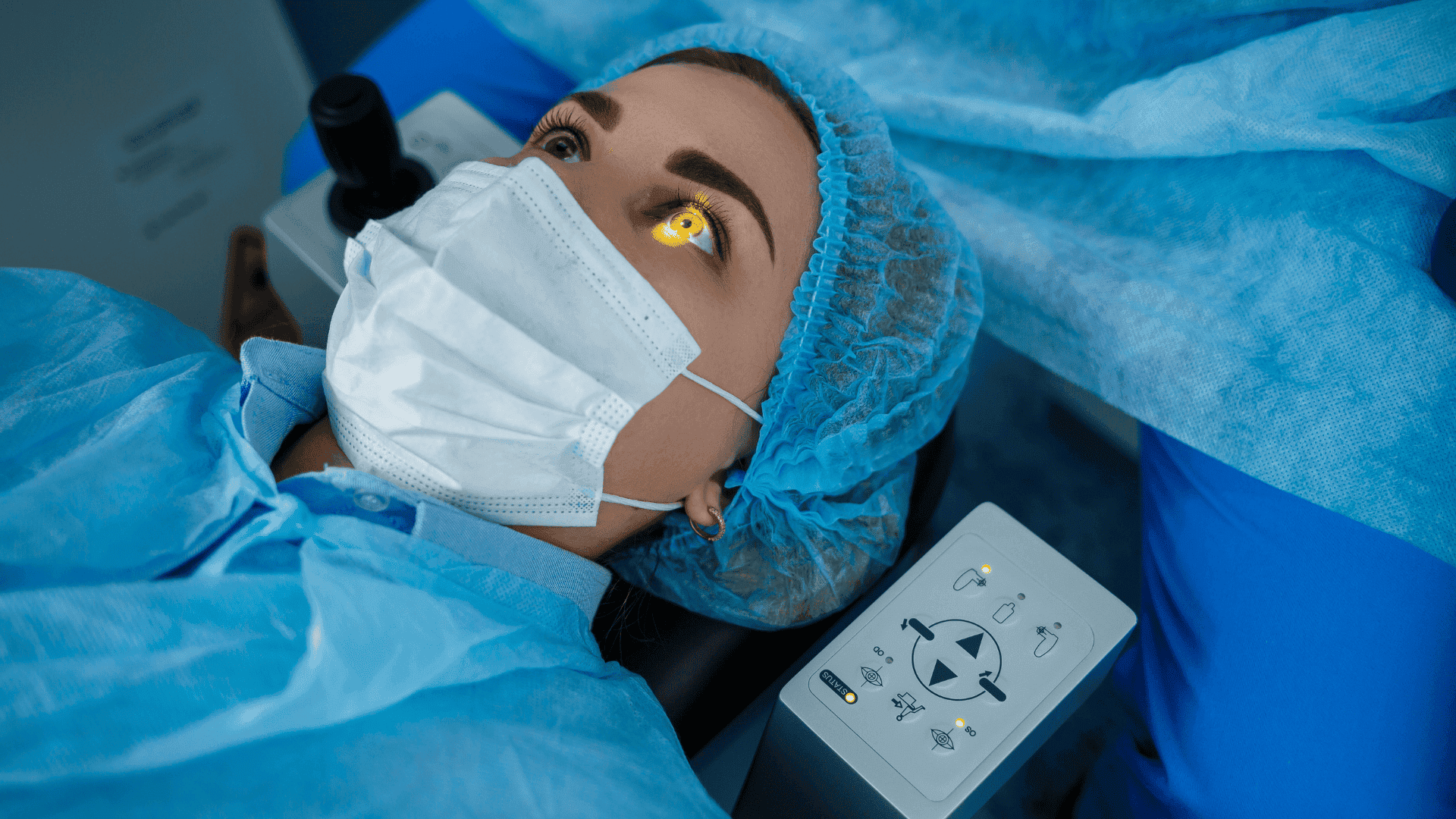
LASIK, which stands for Laser-Assisted In Situ Keratomileusis, is a popular surgical procedure designed to correct refractive vision problems such as myopia (nearsightedness), hyperopia (farsightedness), and astigmatism. The primary goal of LASIK is to improve vision so that patients can reduce or eliminate their dependence on glasses or contact lenses.
During the LASIK procedure, a thin flap is created on the cornea using either a laser or a specialized surgical instrument. This flap is carefully lifted to expose the underlying corneal tissue. An excimer laser is then used to precisely reshape the cornea by removing a small amount of tissue. This alteration helps to focus light rays entering the eye more accurately onto the retina, resulting in improved vision.
The entire procedure typically takes about 15 to 30 minutes per eye and is usually performed on an outpatient basis, meaning patients do not need to stay in the hospital. Many individuals experience a rapid improvement in their vision, often within a few hours following the surgery. Although most people do not encounter serious side effects, temporary discomfort such as dryness or a burning sensation in the eyes may occur.
It is crucial for patients to undergo a thorough evaluation before deciding to have LASIK. Not everyone is a suitable candidate for the procedure; factors such as age, overall eye health, and the stability of the refractive error play significant roles in determining eligibility. Discussing expectations, potential risks, and benefits with an eye care professional is essential for making an informed decision.
Overall, LASIK offers an effective and safe option for individuals seeking to enhance their vision and reduce reliance on corrective lenses. With proper preparation and care, many patients can enjoy a life with clearer eyesight.
LASIK (Laser-Assisted in Situ Keratomileusis) surgery is a popular and effective solution for individuals who wish to correct refractive vision problems such as nearsightedness (myopia), farsightedness (hyperopia), and astigmatism. Many people choose LASIK surgery because it offers a permanent alternative to glasses and contact lenses, providing the convenience of clear vision without the daily hassle of corrective eyewear. LASIK is particularly attractive for those who lead active lifestyles or have jobs that make wearing glasses or contacts impractical.
The primary benefit of LASIK surgery is its ability to improve vision dramatically. For people with poor vision, glasses and contact lenses can be a constant source of inconvenience. LASIK surgery addresses the root cause of refractive errors by reshaping the cornea, allowing light to focus properly on the retina. This typically leads to 20/25 vision or better for most patients, meaning that many individuals can see as well or better than they would with glasses or contacts.
Another reason people opt for LASIK is the rapid recovery and minimal downtime. The procedure itself typically takes only about 10-15 minutes per eye, and most patients experience significant improvement in their vision within hours after the surgery. The recovery process is generally quick, with most individuals returning to their normal activities within a day or two. LASIK also eliminates the need for ongoing vision correction, such as buying new glasses or replacing contact lenses, which can be both time-consuming and costly.
LASIK surgery is also known for its high success rate and safety. With millions of successful surgeries performed worldwide, LASIK is one of the most common and well-established vision correction procedures. Advances in technology have further improved the precision of LASIK, minimizing risks and ensuring consistently positive outcomes. For many patients, LASIK offers a long-term solution to their vision problems, eliminating the need for glasses or contacts for many years.
LASIK surgery is a relatively quick, minimally invasive procedure that is typically performed on an outpatient basis. The process begins with a comprehensive eye exam to assess the health of the eyes and determine whether LASIK is suitable for the patient. During this exam, the surgeon will measure the shape and thickness of the cornea and perform tests to determine the degree of refractive error.
On the day of surgery, the patient’s eye is numbed with local anesthetic eye drops to ensure comfort during the procedure. The surgeon then uses a special device to hold the eyelids open, preventing blinking. The next step involves creating a thin, hinged flap on the surface of the cornea. In traditional LASIK, this is done with a microkeratome (a small surgical instrument), but modern LASIK often uses femtosecond lasers to create the flap, allowing for greater precision and safety.
Once the flap is created, the surgeon uses a laser to reshape the underlying corneal tissue. This laser, called an excimer laser, removes tiny amounts of tissue from the cornea to alter its curvature. For individuals with nearsightedness, the cornea is flattened, while for farsightedness, it is steepened. The goal is to improve the way light enters the eye so that it properly focuses on the retina. In cases of astigmatism, the laser smooths out an irregularly shaped cornea to create a more even surface.
After reshaping the cornea, the flap is carefully repositioned, and the eye begins to heal immediately. The procedure typically takes about 10-15 minutes per eye, and most patients are able to go home the same day. Although the procedure itself is painless, patients may experience mild discomfort or a sensation of dryness in the eyes for a short period after surgery.
Post-surgery, patients are given eye drops to help prevent infection and reduce inflammation. Follow-up appointments are scheduled to monitor healing and ensure the desired vision correction has been achieved. Most patients notice an improvement in their vision within hours, with the full effect becoming apparent within a few days.
The most significant benefit of LASIK surgery is the restoration of clear, sharp vision without the need for glasses or contact lenses. This provides individuals with greater freedom and convenience, allowing them to engage in physical activities like sports or swimming without worrying about eyewear. For many patients, LASIK improves their quality of life by eliminating the frustration of managing glasses or contacts on a daily basis.
Another major advantage of LASIK surgery is its ability to provide permanent vision correction. Unlike glasses or contact lenses, which need to be replaced periodically, LASIK offers a long-lasting solution. While some patients may still need reading glasses as they age (due to presbyopia), LASIK effectively corrects refractive errors, making it a one-time investment for many people. This can save patients money in the long run by eliminating the ongoing costs of glasses and contact lenses.
LASIK surgery is also known for its quick recovery and minimal downtime. Unlike other forms of vision correction surgery, LASIK requires no stitches and has a much shorter healing time. Most patients experience a significant improvement in their vision within a few hours after the procedure, and many can resume normal activities within a day or two. This makes LASIK an appealing option for those with busy schedules or individuals who cannot afford extended recovery periods.
Additionally, LASIK has a high success rate, with the vast majority of patients achieving 20/25 vision or better after surgery. The precision of modern LASIK technology allows surgeons to tailor the procedure to each individual’s eyes, optimizing the outcome and reducing the risk of complications. For those who are eligible, LASIK surgery can offer an effective, reliable, and safe solution for vision correction that provides long-term results.
Finally, LASIK surgery offers significant improvements in self-esteem and confidence. Many individuals feel self-conscious about wearing glasses or contact lenses, particularly in social or professional settings. By undergoing LASIK, patients can enjoy clearer vision and a more natural appearance, free from the constraints of corrective eyewear. This boost in self-confidence is one of the key reasons why LASIK surgery is so popular among individuals seeking a permanent solution to their vision issues.
LASIK works by permanently reshaping the cornea so that light entering the eye focuses correctly on the retina. When the cornea has an irregular shape, light scatters instead of focusing, which leads to blurry vision. LASIK corrects this by precisely removing microscopic layers of corneal tissue.
Because the reshaping is highly controlled, LASIK surgery can correct multiple refractive errors at once. The goal is not to change how the eye looks, but how it bends light. This structural adjustment is what allows many people to see clearly without glasses or contact lenses.
LASIK is primarily used to treat refractive errors that affect how the eye focuses light. These conditions are extremely common and often develop early in life or progress gradually.
👉 Myopia (nearsightedness) causing distance blur
👉 Hyperopia (farsightedness) affecting near vision
👉 Astigmatism from an irregular cornea shape
👉 Mixed refractive errors in both eyes
By addressing these issues, LASIK surgery aims to reduce or eliminate dependence on corrective lenses.
Glasses and contact lenses correct vision externally, but they do not change the structure of the eye. They must be worn consistently and updated as prescriptions change. LASIK, on the other hand, alters the cornea itself.
With LASIK surgery, vision correction is built into the eye rather than added on top. This difference explains why many people view LASIK as a long-term solution rather than a temporary aid.
Not everyone is eligible for LASIK, and careful screening is essential. Factors such as corneal thickness, eye health, and prescription stability are all evaluated before treatment.
👉 Stable vision prescription for at least one year
👉 Healthy corneas with sufficient thickness
👉 No active eye infections or severe dry eye
👉 Overall good eye health and healing ability
A thorough assessment helps determine whether LASIK surgery is an appropriate option.
One key step in LASIK is the creation of a thin corneal flap. This flap allows the surgeon to access the deeper corneal layers for reshaping. Modern techniques have improved precision and safety.
Traditional LASIK uses a microkeratome blade, while newer methods use a femtosecond laser. Both approaches aim to make LASIK surgery accurate and predictable, with minimal disruption to the eye.
Most people are surprised by how quick LASIK is. The eyes are numbed with drops, and the procedure itself is painless. Pressure sensations may be felt briefly, but discomfort is minimal.
👉 Procedure usually lasts minutes per eye
👉 No pain during laser application
👉 Mild pressure or vibration sensations
👉 Immediate rest period afterward
Understanding the experience helps reduce anxiety about LASIK surgery.
Vision improvement after LASIK often begins within hours, though clarity may fluctuate slightly during the first few days. The cornea heals rapidly, allowing many people to resume normal routines quickly.
While improvement is fast, full stabilization can take several weeks. During this time, LASIK surgery results continue to refine as the eye adapts.
Temporary dryness is one of the most common short-term effects after LASIK. This occurs because corneal nerves involved in tear production need time to recover.
👉 Temporary dry or gritty sensation
👉 Mild light sensitivity
👉 Occasional glare or halos at night
👉 Gradual improvement over weeks to months
These effects are usually manageable and improve as healing progresses after LASIK surgery.
LASIK permanently corrects existing refractive errors, but it does not stop natural eye aging. Most people maintain stable distance vision for many years after treatment.
However, age-related changes such as presbyopia may still occur later in life. Even so, LASIK surgery often significantly reduces lifetime dependence on corrective lenses.
One of the major advantages of LASIK is freedom from glasses or contact lenses during physical activities. Sports, swimming, and outdoor activities become more convenient without visual aids.
For individuals with active routines, LASIK surgery offers practical benefits beyond visual clarity. This lifestyle improvement is a common motivation for choosing the procedure.
LASIK has been performed worldwide for decades, and technology continues to evolve. Modern lasers track eye movement and deliver highly precise corrections tailored to each eye.
These advancements have made LASIK surgery one of the most studied and refined vision correction procedures. High success rates reflect this ongoing innovation.
Living without glasses or contacts can change how people feel about themselves. Clear unaided vision often brings a sense of freedom and confidence in daily life.
For many individuals, LASIK surgery is not just about seeing better, but about feeling more comfortable and confident in social, professional, and personal situations.
While LASIK significantly improves vision for most people, perfect eyesight is not guaranteed in every case. Some individuals may still need glasses for specific tasks.
Approaching LASIK surgery with realistic expectations helps ensure satisfaction. The goal is functional, clear vision that enhances daily life rather than perfection in every condition.
During your consultation, you will discuss your wishes, medical history, and expectations with the doctor. The doctor will examine you, take measurements if necessary, and explain which treatment suits you best, including risks and recovery. You will have the opportunity to ask questions and then receive a clear treatment proposal.
Make sure you have all relevant medical information ready, such as previous treatments, allergies, or medical conditions. This allows the doctor to give you better advice.
Payment is made securely via SurgeryBooking. You pay the amount in advance to SurgeryBooking. We hold the funds and transfer them to the clinic after your treatment. Cancellation or change conditions vary per clinic and are clearly communicated in advance.
During the consultation (online or at the clinic), the doctor will assess this based on your health, expectations, and physical characteristics. You will discuss what you want, what is possible, and what the limitations are. Sometimes there are alternatives if the chosen treatment is not ideal.
Through SurgeryBooking.com, you can quickly and easily book a consultation or procedure with doctors and clinics worldwide. SurgeryBooking.com provides an overview of doctors and clinics, allowing you to make an informed and transparent choice when booking a consultation or procedure.
You can easily book through the profile of the desired clinic or doctor. Select the desired treatment, enter your details, and choose an available date and time. If there are any costs involved, you will complete the payment first. Afterwards, you will receive a confirmation email with all the details.
Yes, during the booking process, you can indicate whether you prefer an online consultation or an in-person consultation at the clinic.
With SurgeryBooking.com, you gain access to a global network of doctors and clinics. Through SurgeryBooking.com, you can easily book a consultation or a cosmetic procedure directly. Clinic profiles provide information about available cosmetic procedures, reviews, photos of the clinic, and other relevant details. This enables you to compare costs and make an informed decision when booking a consultation or procedure.