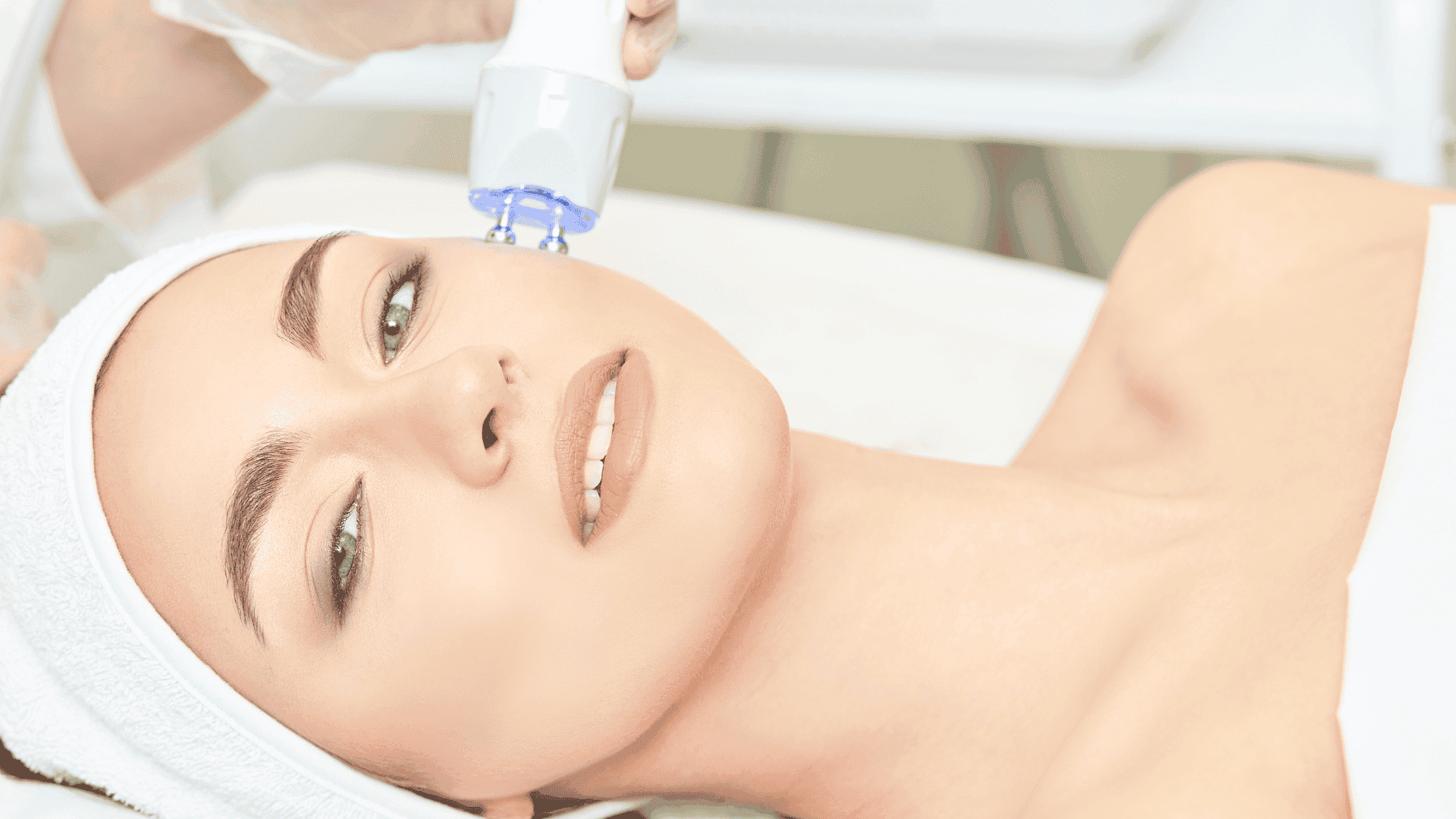
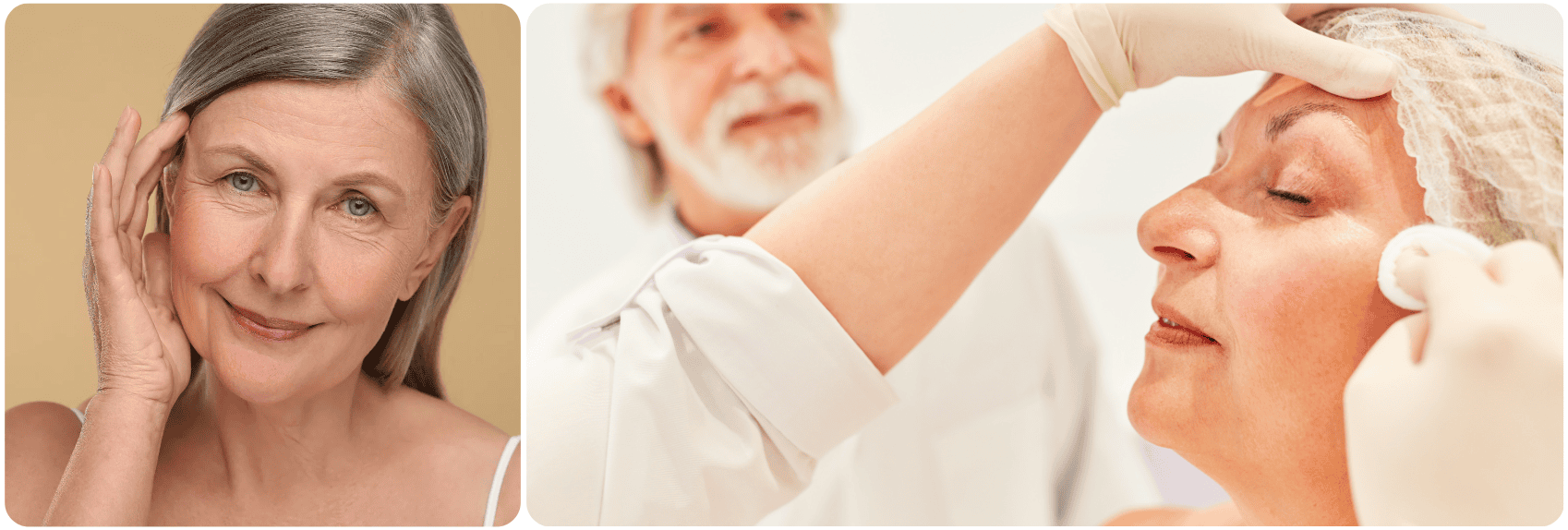
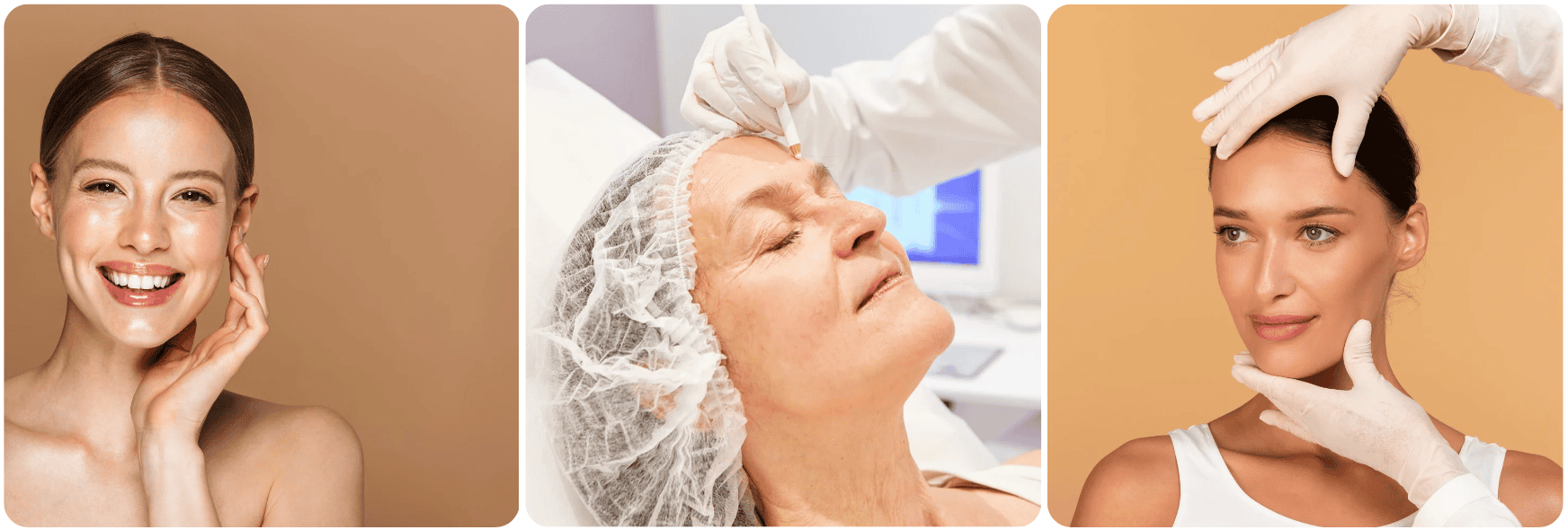
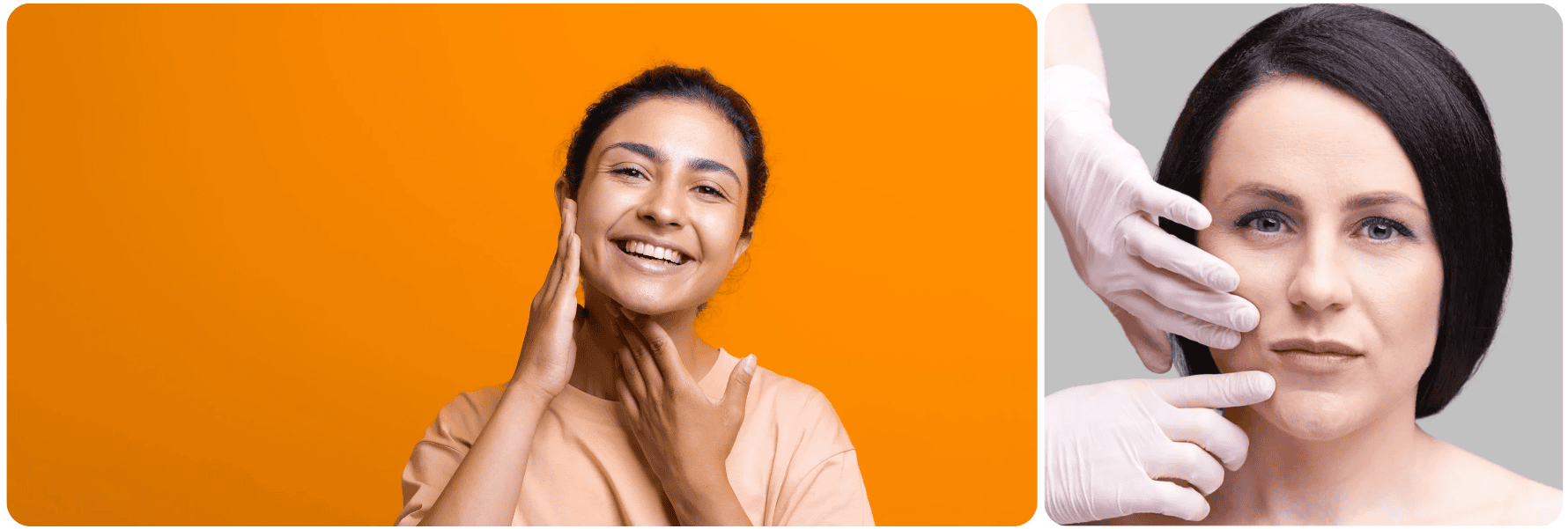
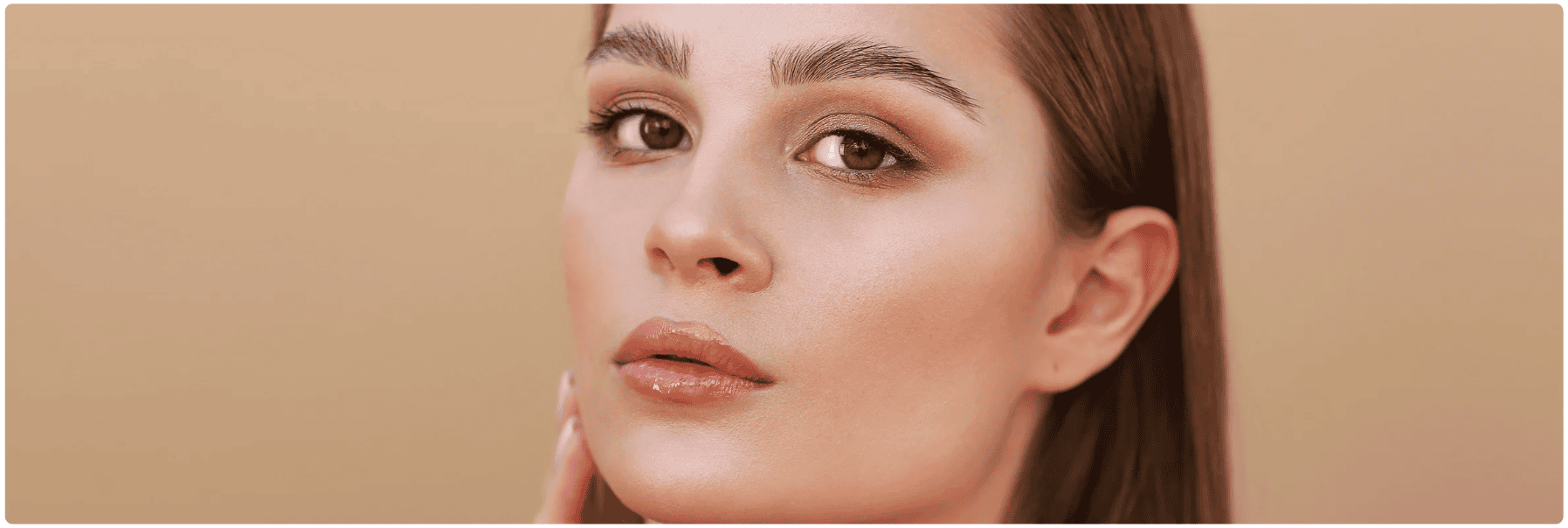
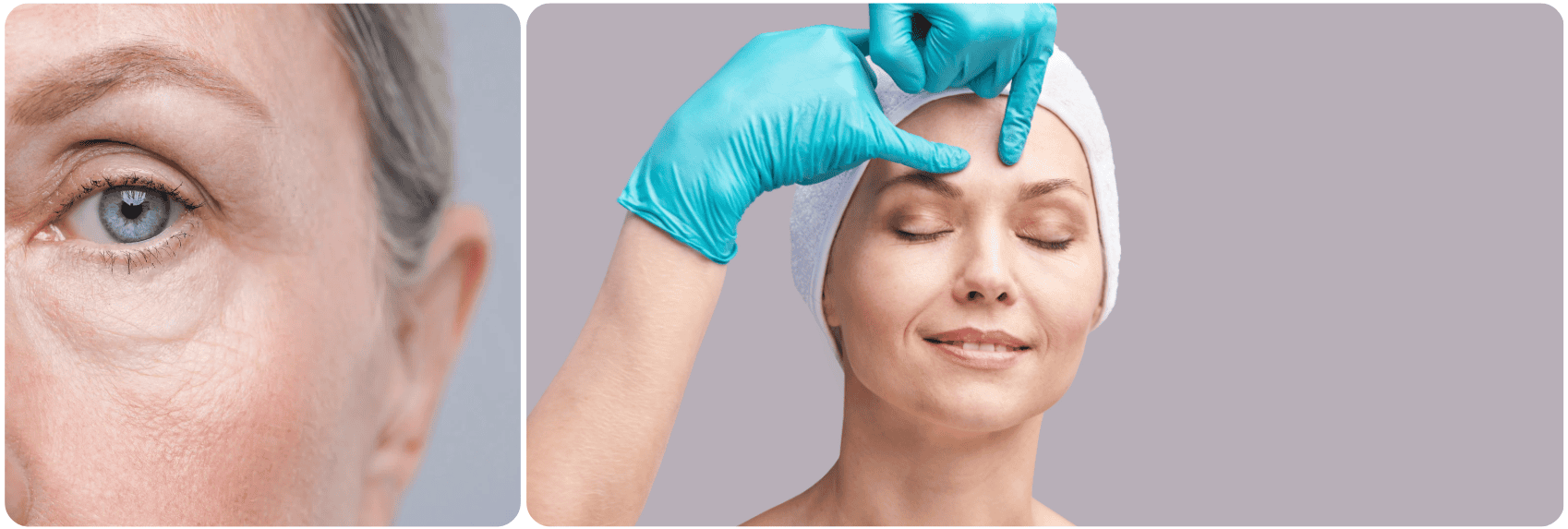
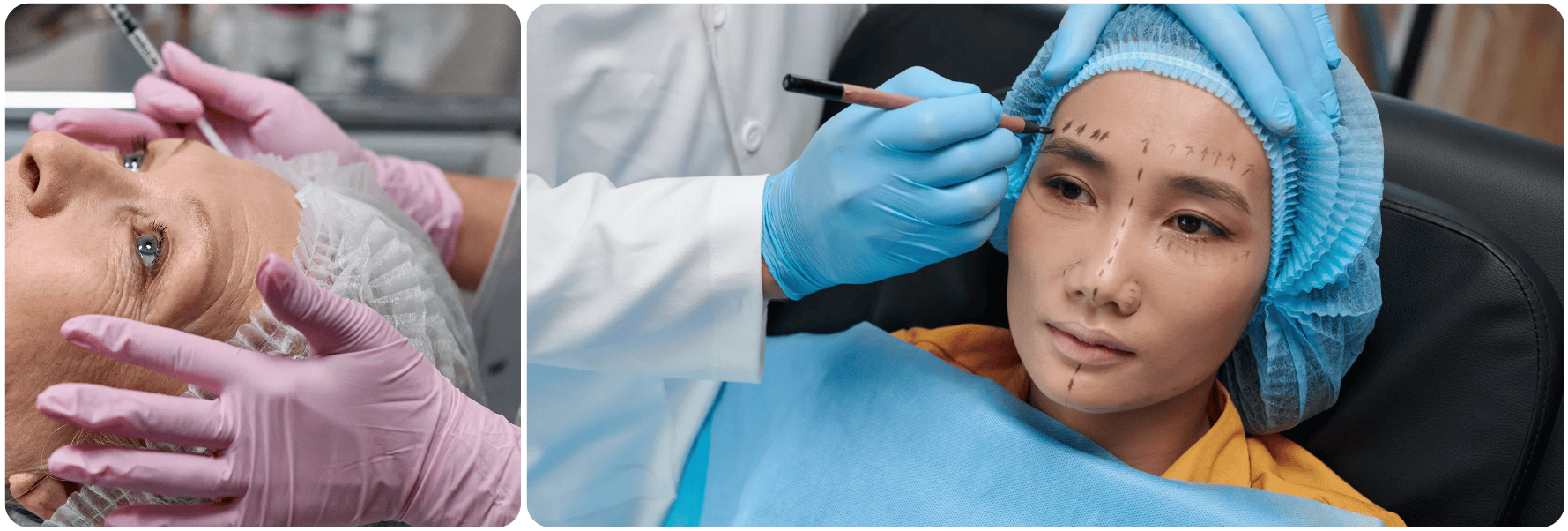
Laser resurfacing (skin resurfacing with laser) is a cosmetic procedure used to improve the texture and appearance of the skin. This technique uses focused light beams to remove damaged skin cells and stimulate collagen production, resulting in smoother, firmer, and younger-looking skin. Laser resurfacing is effective in treating fine lines, wrinkles, acne scars, pigmentation issues, and other skin irregularities.
There are two main types of lasers used in this procedure: ablative lasers, such as CO2 and erbium lasers, which remove deeper layers of the skin, and non-ablative lasers, which leave the surface layers intact but still stimulate collagen production. The choice of laser depends on the specific skin concerns and the desired outcome.
Laser resurfacing (skin resurfacing with laser) is a cosmetic procedure used to improve the texture and appearance of the skin.
During the treatment, the skin is first cleansed, and the laser is carefully applied to the targeted areas. Depending on the method used, recovery time can vary from a few days to several weeks, with redness, swelling, and skin peeling being common post-treatment effects. The results from laser resurfacing can be long-lasting, especially with proper skin care after the procedure.
It’s crucial that this treatment is performed by a skilled professional, as lasers carry risks such as scarring or changes in skin pigmentation, particularly for individuals with darker skin tones. However, laser resurfacing can offer significant improvements for those looking to achieve a smoother skin texture and a more radiant complexion.
Laser resurfacing is a popular cosmetic procedure designed to improve the appearance of the skin by reducing the effects of aging, sun damage, acne scars, and other skin imperfections. Many individuals choose to undergo laser resurfacing because it can dramatically enhance skin texture, tone, and overall appearance without the need for invasive surgery. This treatment is particularly effective for people looking to minimize fine lines, wrinkles, age spots, uneven pigmentation, and scars, helping them achieve smoother, more youthful-looking skin.
Laser resurfacing is a popular cosmetic procedure designed to improve the appearance of the skin by reducing the effects of aging, sun damage, acne scars, and other skin imperfections.
Laser resurfacing is appealing because it addresses multiple skin concerns at once, providing noticeable improvement in just one session or a series of treatments. The procedure works by using focused beams of light to remove damaged outer layers of skin, stimulating the body's natural healing process and promoting the production of new collagen. This results in firmer, smoother skin that looks refreshed and rejuvenated. Individuals who are looking for a long-lasting solution to improve their skin's appearance often opt for laser resurfacing as it offers significant results with relatively little downtime compared to more invasive cosmetic procedures.
Certain areas of the face and neck require precise laser treatment. Laser resurfacing is highly adaptable and can be applied to small, delicate areas like around the eyes, lips, and hands.
👉 Allows precise targeting of fine lines
👉 Reduces risk of damaging surrounding tissue
👉 Improves skin tone in sensitive regions Specialized techniques ensure optimal results for these areas, which are often prone to early signs of aging. Protective measures and careful application reduce the risk of pigmentation changes. Patients frequently notice smoother and more youthful-looking skin even in these delicate regions.
Laser resurfacing is not only effective for smoothing skin but also for tightening. The heat generated by the laser stimulates collagen and elastin, which firm the skin over time. Patients often see improvements in sagging or lax areas of the face and neck. Multiple sessions may be required for optimal skin tightening, especially in older patients. Results are gradual but cumulative, leading to a natural-looking lift without surgical intervention.
The treatment can complement other anti-aging procedures, creating a holistic approach to skin rejuvenation. Laser resurfacing provides a non-invasive alternative to facelifts for mild to moderate skin laxity.
Laser resurfacing is performed using specialized lasers that target the outer layers of the skin to remove damaged skin cells and stimulate collagen production in the deeper layers. There are two main types of laser resurfacing: ablative and non-ablative. Ablative lasers, such as CO2 and erbium lasers, work by vaporizing the outer layer of the skin (the epidermis), allowing the skin to regenerate with a smoother and more even surface. This type of laser is typically used for more severe skin issues, such as deep wrinkles, scars, or significant sun damage. Ablative treatments often require a longer recovery period, but they offer more dramatic results.
Laser resurfacing is performed using specialized lasers that target the outer layers of the skin to remove damaged skin cells and stimulate collagen production in the deeper layers.
Non-ablative lasers, on the other hand, are less invasive and work by heating the deeper layers of the skin without removing the top layer. These lasers are typically used to address more moderate skin concerns, such as fine lines, pigmentation issues, and mild acne scars. Non-ablative treatments have shorter recovery times, but may require multiple sessions to achieve optimal results.
Before the procedure, the skin is typically numbed with a topical anesthetic to minimize discomfort. The laser is then applied to the treatment area, where it emits pulses of light that penetrate the skin’s surface. The heat generated by the laser stimulates collagen production and encourages the skin to heal itself. The procedure can take anywhere from 30 minutes to two hours, depending on the size of the treatment area and the type of laser used. After the treatment, the skin may appear red and swollen, similar to a sunburn, but this typically subsides within a few days to a week. Full recovery times vary depending on the intensity of the treatment, with ablative lasers requiring more downtime than non-ablative options.
Laser resurfacing can be combined with other cosmetic procedures for enhanced results. Many patients choose to pair it with treatments like chemical peels, microneedling, or injectable fillers.
👉 Enhances overall skin rejuvenation
👉 Addresses multiple skin concerns in one treatment plan
👉 Can improve both texture and volume simultaneously Combining therapies allows for customized treatment approaches, targeting individual skin needs. However, the timing of combined procedures should be carefully planned to avoid overloading the skin. Clinicians often recommend a staggered approach to ensure proper healing between treatments. This strategy maximizes outcomes while minimizing the risk of side effects.
Laser resurfacing can indirectly improve skin hydration by promoting collagen production and healthier skin cell turnover. The procedure helps the skin retain moisture more effectively, reducing dryness and flakiness. Patients often report a smoother, plumper skin feel after healing. Using hydrating serums and moisturizers post-treatment enhances these effects. Regular laser sessions can contribute to a long-term improvement in skin hydration levels. Maintaining proper hydration supports both recovery and the longevity of results.
The cost of laser resurfacing varies depending on the type of laser, treatment area, and clinic location. Ablative lasers generally cost more due to their intensive nature and more dramatic results. Non-ablative treatments are less expensive but may require multiple sessions. Additional factors include the expertise of the clinician and the inclusion of post-treatment care.
The cost of laser resurfacing varies depending on the type of laser, treatment area, and clinic location.
Patients should consider both the immediate cost and the long-term benefits when choosing a treatment plan. Some clinics offer packages that combine multiple sessions or complementary treatments for better value. Investing in a skilled professional ensures both safety and optimal aesthetic results.
Laser resurfacing offers a wide range of benefits for individuals seeking to improve the overall health and appearance of their skin. One of the primary advantages is its ability to treat multiple skin concerns in one procedure. Whether the goal is to reduce fine lines, smooth out wrinkles, fade acne scars, or correct uneven skin tone, laser resurfacing can provide comprehensive results that significantly enhance the skin's texture and appearance. Unlike many other cosmetic treatments, laser resurfacing stimulates the skin’s natural healing process by encouraging collagen production, leading to firmer, more youthful skin that continues to improve in the months following treatment.
Laser resurfacing offers a wide range of benefits for individuals seeking to improve the overall health and appearance of their skin.
Another key benefit of laser resurfacing is its precision. The laser targets specific problem areas without damaging the surrounding healthy tissue, making it an ideal option for people who want to address localized skin issues, such as sunspots, age spots, or acne scars. This precision also makes it effective for treating delicate areas like the face, neck, and hands. The ability to customize the depth and intensity of the laser treatment ensures that each patient receives a tailored approach based on their unique skin concerns and goals.
Additionally, laser resurfacing offers long-lasting results. While some treatments may require multiple sessions, especially non-ablative lasers, the results of laser resurfacing can last for years with proper skincare and sun protection. The procedure can provide a more youthful appearance without the need for surgery, making it a popular choice for those looking to avoid more invasive procedures. Finally, while there is some recovery time associated with laser resurfacing, it is generally much shorter than surgical alternatives, making it a convenient option for individuals seeking significant skin rejuvenation with minimal downtime.
Non-ablative laser resurfacing offers significant skin improvements with minimal downtime. Unlike ablative lasers, non-ablative lasers leave the skin’s surface intact while penetrating deeper layers to stimulate collagen.
👉 Faster recovery times make this option suitable for patients with busy schedules
👉 Gradual results allow for natural-looking skin improvement
👉 Can be combined with other cosmetic treatments
👉 Less risk of infection or scarring
👉 Ideal for fine lines, mild wrinkles, and early signs of aging Patients often prefer non-ablative options for preventative treatments or minor skin imperfections, as repeated sessions enhance the results without major disruption to daily life.
Laser resurfacing is highly effective for correcting uneven pigmentation and sun damage. The procedure targets dark spots, age spots, and areas of hyperpigmentation by breaking down melanin in the skin. Patients often notice a more even skin tone and brighter complexion after treatment. Recovery depends on the type of laser used, with non-ablative lasers typically requiring minimal downtime.
Regular sun protection after the procedure is essential to maintain results. Many dermatologists recommend combining laser resurfacing with topical treatments to maximize pigment correction. The precision of the laser ensures minimal damage to surrounding healthy tissue, making it suitable for delicate facial areas.
While laser resurfacing is generally safe, understanding the potential risks is important. Choosing a qualified clinician and following pre- and post-treatment instructions greatly reduces complications.
👉 Risk of temporary redness or swelling
👉 Possible minor pigmentation changes
👉 Rare risk of scarring Patients with certain skin types or medical conditions may require tailored laser settings. Discussing all medications and skincare routines with the clinician helps minimize adverse effects. Safety measures and careful technique ensure that the benefits of laser resurfacing outweigh potential risks.
Acne scars can be deeply improved with laser resurfacing techniques. The laser stimulates collagen growth, which helps fill in depressed scars and smooth uneven skin surfaces. This treatment is suitable for both recent and older acne scars. Results are often visible after just a few sessions, although deeper scars may require multiple treatments.
Recovery time varies, but patients generally experience mild redness and swelling for several days. Laser resurfacing can target both shallow and deep acne scars, making it a versatile solution for post-acne skin issues. Many patients also find that overall skin texture improves alongside scar reduction, giving a more youthful appearance.
Ablative lasers are designed to treat severe skin concerns like deep wrinkles, sun damage, and prominent scars. They work by removing the outer layers of skin and stimulating new collagen formation. Recovery can be longer, but the results are typically more dramatic. Ablative lasers are often recommended for older patients or those with significant skin damage, as the skin texture and firmness can improve noticeably.
Proper post-treatment care, including moisturizing and sun protection, is critical for achieving optimal results. The treatment can also reduce pore size, giving the skin a smoother overall appearance. Patients often see results lasting several years with proper maintenance.
Preparation is key for safe and effective laser resurfacing. Before the procedure, patients should follow certain skincare and lifestyle recommendations.
👉 Avoid sun exposure for at least two weeks
👉 Discontinue retinoids and exfoliating products
👉 Keep the skin hydrated and clean
👉 Inform the clinician of any medications or medical conditions Proper preparation reduces the risk of side effects and ensures optimal results. In some cases, patients may be advised to undergo a test patch to check skin sensitivity. Following the clinician’s pre-treatment instructions can significantly enhance both safety and effectiveness of laser resurfacing.
Post-treatment care is essential to maximize results and prevent complications. Immediately after the procedure, the skin may feel sunburned, and mild swelling or redness is common.
👉 Apply recommended ointments or moisturizers
👉 Avoid direct sun exposure and use high SPF sunscreen
👉 Do not pick or scratch peeling skin
👉 Stay hydrated to support healing Following these guidelines helps accelerate recovery and preserves the improvements achieved by the laser. Proper aftercare can also minimize the risk of pigmentation changes or scarring. Long-term results are optimized when patients maintain a consistent skincare routine following laser resurfacing.
Enlarged pores can be significantly reduced with laser resurfacing treatments. By stimulating collagen production and resurfacing the skin, pores appear smaller and less noticeable.
👉 Improves overall skin texture
👉 Reduces excess oil accumulation in pores
👉 Enhances makeup application and skin smoothness Regular sessions enhance the reduction of pore size, particularly for patients with oily or combination skin. The procedure also promotes an even skin tone, which further improves the skin’s appearance. Patients often combine this treatment with topical skincare products for long-lasting pore refinement.
During your consultation, you will discuss your wishes, medical history, and expectations with the doctor. The doctor will examine you, take measurements if necessary, and explain which treatment suits you best, including risks and recovery. You will have the opportunity to ask questions and then receive a clear treatment proposal.
Make sure you have all relevant medical information ready, such as previous treatments, allergies, or medical conditions. This allows the doctor to give you better advice.
Payment is made securely via SurgeryBooking. You pay the amount in advance to SurgeryBooking. We hold the funds and transfer them to the clinic after your treatment. Cancellation or change conditions vary per clinic and are clearly communicated in advance.
During the consultation (online or at the clinic), the doctor will assess this based on your health, expectations, and physical characteristics. You will discuss what you want, what is possible, and what the limitations are. Sometimes there are alternatives if the chosen treatment is not ideal.
Through SurgeryBooking.com, you can quickly and easily book a consultation or procedure with doctors and clinics worldwide. SurgeryBooking.com provides an overview of doctors and clinics, allowing you to make an informed and transparent choice when booking a consultation or procedure.
You can easily book through the profile of the desired clinic or doctor. Select the desired treatment, enter your details, and choose an available date and time. If there are any costs involved, you will complete the payment first. Afterwards, you will receive a confirmation email with all the details.
Yes, during the booking process, you can indicate whether you prefer an online consultation or an in-person consultation at the clinic.
With SurgeryBooking.com, you gain access to a global network of doctors and clinics. Through SurgeryBooking.com, you can easily book a consultation or a cosmetic procedure directly. Clinic profiles provide information about available cosmetic procedures, reviews, photos of the clinic, and other relevant details. This enables you to compare costs and make an informed decision when booking a consultation or procedure.